
What to Pack for an African Safari is the most important question you should answer before booking flights, choosing lodges or even selecting your parks, because the right packing choices protect your health, support wildlife conservation and make your entire journey far more comfortable and stress-free. Many safari problems are not caused by bad roads or weather, but by missing equipment, unsuitable clothing and poor preparation for remote environments.
This carefully organised guide shows you exactly what matters most and why, using trusted environmental, wildlife and health institutions as references. If you are preparing your safari with a professional local operator such as Eddy Tours & Safaris, this list will help you arrive confident, well prepared and ready to enjoy Tanzania’s landscapes in a respectful and responsible way.
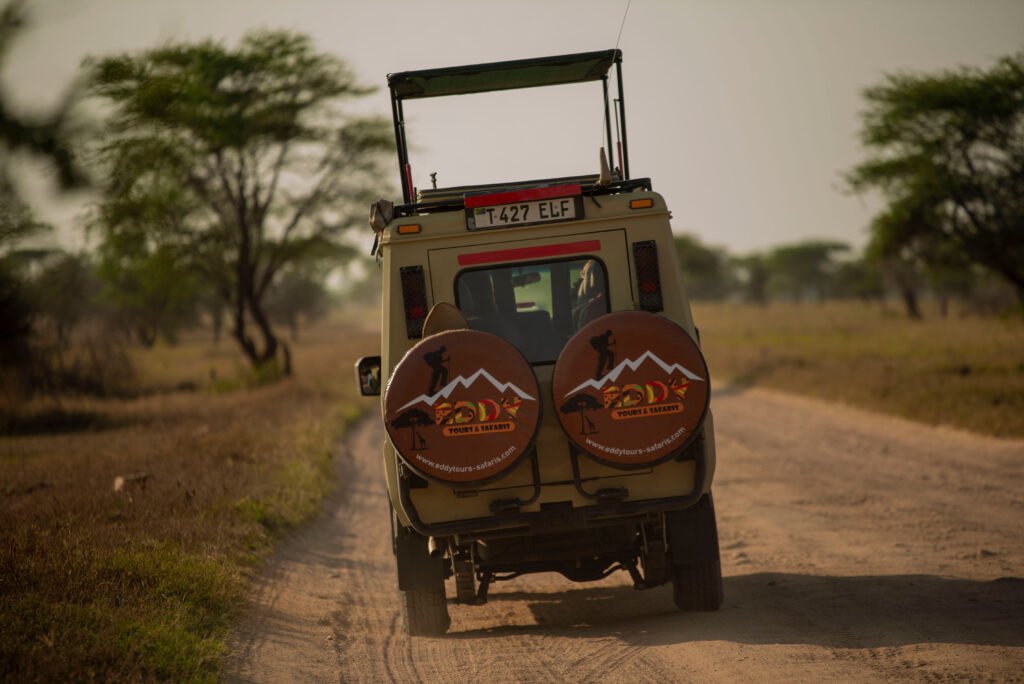
What to Pack for an African Safari – clothing that protects you and wildlife
When planning What to Pack for an African Safari, clothing should be selected for safety, comfort and environmental responsibility rather than fashion. Conservation organisations such as the World Wide Fund for Nature and the African Wildlife Foundation explain that neutral colours reduce wildlife disturbance and allow guides to approach viewing areas without stressing animals. Long-sleeved lightweight shirts, breathable trousers and a wide-brim hat protect your skin from sun exposure, insects and thorny vegetation common in savannah and woodland ecosystems.
Environmental monitoring studies supported by the United Nations Environment Programme and land-use research from the United States Geological Survey show that dust, dry wind and fine sand are common in protected areas. Light jackets, a scarf and quick-dry layers allow you to adapt to early morning game drives, strong winds and sudden temperature changes without discomfort.
What to Pack for an African Safari – personal health and medical items
Another critical part of What to Pack for an African Safari is medical preparation. Travel health guidance from the World Health Organization and the Centers for Disease Control and Prevention clearly advises visitors to carry personal medication, basic first-aid items, insect repellent and sun protection when travelling to remote wildlife areas.
Clinical guidance published by Cleveland Clinic and medical education platforms such as Johns Hopkins Medicine stress the importance of hydration salts, blister care and pain relief for long vehicle days and walking activities. A small personal medical kit becomes essential when distances to health facilities are long and driving conditions are unpredictable.
What to Pack for an African Safari – documents and travel security essentials
Your preparation for What to Pack for an African Safari must include proper documentation and secure storage. International travel and emergency planning frameworks promoted by the International Federation of Red Cross and Red Crescent Societies highlight the importance of keeping copies of passports, visas, insurance documents and emergency contacts in both digital and paper form.
Risk-management and resilience studies supported by the World Bank Disaster Risk Management programme also recommend personal money pouches, waterproof document bags and backup phone power to ensure continuous access to essential information when connectivity is limited.
What to Pack for an African Safari – camera and observation equipment
For most travellers, photography and wildlife observation are central to What to Pack for an African Safari. Conservation communication initiatives supported by the National Geographic Society and species research organisations such as Panthera highlight that binoculars and telephoto lenses improve viewing without disturbing animals.
Protective dust covers, spare memory cards and backup batteries are essential because fine dust and long driving days quickly affect equipment performance. Responsible wildlife photography also follows ethical guidance promoted by the Wildlife Conservation Society, which discourages flash photography and aggressive positioning around animals.
What to Pack for an African Safari – eco-friendly personal items
Modern travellers increasingly include sustainability when planning What to Pack for an African Safari. Environmental responsibility frameworks promoted by Conservation International and biodiversity governance supported by the Intergovernmental Science-Policy Platform on Biodiversity and Ecosystem Services encourage visitors to reduce plastic waste and avoid harmful chemicals.
Reusable water bottles, biodegradable wet wipes and reef-safe or eco-certified sunscreen help protect water systems and sensitive habitats. Land-use research coordinated by the Food and Agriculture Organization also highlights how waste reduction supports healthy ecosystems and local livelihoods.
What to Pack for an African Safari – footwear and mobility comfort
Footwear choices are often underestimated when preparing What to Pack for an African Safari. Research on injury prevention and outdoor mobility published through ScienceDirect shows that well-fitted shoes reduce fatigue and minor injuries during repeated vehicle exits, lodge walking paths and optional nature walks.
Light hiking shoes, breathable socks and sandals for lodge use improve circulation and comfort during long days. Ecological visitor management studies published by International Union for Conservation of Nature stress that visitors should remain on designated paths, making supportive footwear important for both personal safety and environmental protection.
What to Pack for an African Safari – electronics and power management
Reliable electronics planning is part of What to Pack for an African Safari, especially in remote parks. Energy access research supported by the International Energy Agency explains why power supply can be limited in conservation areas where generators and solar systems are carefully controlled.
Power banks, universal adapters and low-energy chargers allow you to stay connected without placing unnecessary pressure on local energy systems. This approach supports sustainability principles promoted by global environmental institutions.
What to Pack for an African Safari – cultural respect and community visits
Cultural awareness is an essential part of What to Pack for an African Safari. Heritage protection frameworks promoted by UNESCO and social research initiatives supported by Harvard University research programmes show that respectful clothing and behaviour help preserve cultural dignity and community trust.
Simple clothing for village visits, small reusable gift items such as notebooks for children and respectful photography habits strengthen positive interaction with host communities while avoiding exploitation or misunderstanding.
What to Pack for an African Safari – wildlife safety awareness items
Responsible visitor behaviour is central to What to Pack for an African Safari. Environmental education programmes coordinated by the BirdLife International and predator research supported by Panthera highlight how silence, calm movement and reduced noise benefit wildlife observation and safety.
Simple items such as a small flashlight for camp movement, neutral-colour backpacks and quiet zip covers help reduce disturbance to animals and improve group safety in low-light conditions.
What to Pack for an African Safari – weather and climate readiness
Climate awareness plays an important role in What to Pack for an African Safari. Climate data provided by NASA Climate and assessments produced by the Intergovernmental Panel on Climate Change show increasing variability in rainfall, temperature and wind across East Africa.
Light rain jackets, sun protection and breathable layering allow you to adapt to rapid changes without discomfort, protecting your health and maintaining enjoyment throughout the journey.
What to Pack for an African Safari – responsible safari logistics support
A smooth safari experience depends not only on equipment, but also on professional planning behind What to Pack for an African Safari. Local operators understand real park regulations, vehicle requirements and daily conditions far better than distant agents.
You can review professionally prepared itineraries and packing guidance through Tanzania safari programs designed by experienced local specialists who prioritise wildlife protection, safety and comfort.
What to Pack for an African Safari – combining safari and adventure travel
Some travellers combine wildlife viewing with mountain or adventure activities as part of What to Pack for an African Safari. Responsible outdoor tourism follows safety and environmental standards promoted by international conservation and research institutions.
If your journey includes mountain trekking, professional preparation is available through Kilimanjaro climbing programs that integrate medical readiness, environmental care and crew welfare.
What to Pack for an African Safari – personalised local advice
Every safari route is different, and personal guidance improves the accuracy of What to Pack for an African Safari. Local teams understand park access rules, road conditions and seasonal wildlife movement.
For personalised packing support and route planning, travellers can speak directly with local professionals using direct safari consultation before departure.
Why proper packing transforms your safari experience
Understanding What to Pack for an African Safari helps protect your health, supports conservation and improves the quality of your wildlife encounters. The right clothing, equipment and responsible habits allow guides to focus on wildlife interpretation instead of logistics problems.
<