
Complete Guide to Planning a Safari in Tanzania is written for travelers who want a smooth, safe and meaningful wildlife journey without falling into common booking traps. Planning a safari in Tanzania is not difficult, but it requires good structure, honest information and respect for protected landscapes. When done properly, your safari becomes more than a holiday – it becomes a learning experience that supports wildlife conservation and local communities.
This guide follows a clear step-by-step structure so you can move from your first idea to your final booking with confidence. It is based on international conservation standards, scientific research and responsible tourism principles. If you plan to travel with a reliable local operator such as Eddy Tours & Safaris, this guide will help you understand exactly how to plan your safari the right way.
Complete Guide to Planning a Safari in Tanzania – Step 1: understand conservation rules first
The first and most important part of the Complete Guide to Planning a Safari in Tanzania is understanding how wildlife protection works. Tanzania’s protected areas are part of globally important ecosystems supported by organizations such as the International Union for Conservation of Nature, the United Nations Environment Programme and the Intergovernmental Science-Policy Platform on Biodiversity and Ecosystem Services.
Research from the World Wide Fund for Nature and the African Wildlife Foundation clearly shows that well-managed tourism provides funding for habitat protection, ranger programs and community conservation projects. Your safari choice directly affects how wildlife is protected.
Complete Guide to Planning a Safari in Tanzania – Step 2: choose the right parks for your interests
The next step in the Complete Guide to Planning a Safari in Tanzania is selecting parks that match your wildlife interests. Tanzania contains different ecosystems that support different animal populations. Scientific monitoring by the Wildlife Conservation Society and biodiversity research published through Nature Research show how predator distribution, herbivore migration and vegetation patterns vary widely across landscapes.
Ecological mapping projects coordinated by the United States Geological Survey and the Conservation International help explain why some parks are better for large predators while others are ideal for birdlife or wetland species.
Complete Guide to Planning a Safari in Tanzania – Step 3: understand wildlife seasons and movements
Another key element of the Complete Guide to Planning a Safari in Tanzania is understanding how wildlife movement works. Long-term ecological research coordinated by BirdLife International and large mammal monitoring by Panthera shows that animal movement is influenced by rainfall, grazing availability and breeding cycles.
Climate research from NASA Climate and environmental assessments published by the Intergovernmental Panel on Climate Change help explain how changing rainfall patterns influence migration routes and water access.
Complete Guide to Planning a Safari in Tanzania – Step 4: set a realistic budget and expectations
Budget planning is a practical part of the Complete Guide to Planning a Safari in Tanzania. Conservation funding, park fees, vehicle maintenance and staff salaries are real operational costs. Economic development research supported by the World Bank and labour protection standards promoted by the International Labour Organization show why ethical tourism cannot be extremely cheap without harming workers or conservation systems.
Responsible travel pricing supports fair employment, proper equipment and reliable safety systems. Very low prices usually indicate poor standards or hidden compromises.
Complete Guide to Planning a Safari in Tanzania – Step 5: check health and safety preparation
Health preparation is essential in the Complete Guide to Planning a Safari in Tanzania. International travel health guidance published by the World Health Organization and emergency preparedness principles promoted by the International Federation of Red Cross and Red Crescent Societies explain how remote travel requires trained staff, medical readiness and communication systems.
Good safari operators follow risk-management approaches supported by the World Bank Disaster Risk Management programme, ensuring that evacuation planning and coordination with local authorities are in place.
Complete Guide to Planning a Safari in Tanzania – Step 6: choose a professional local operator
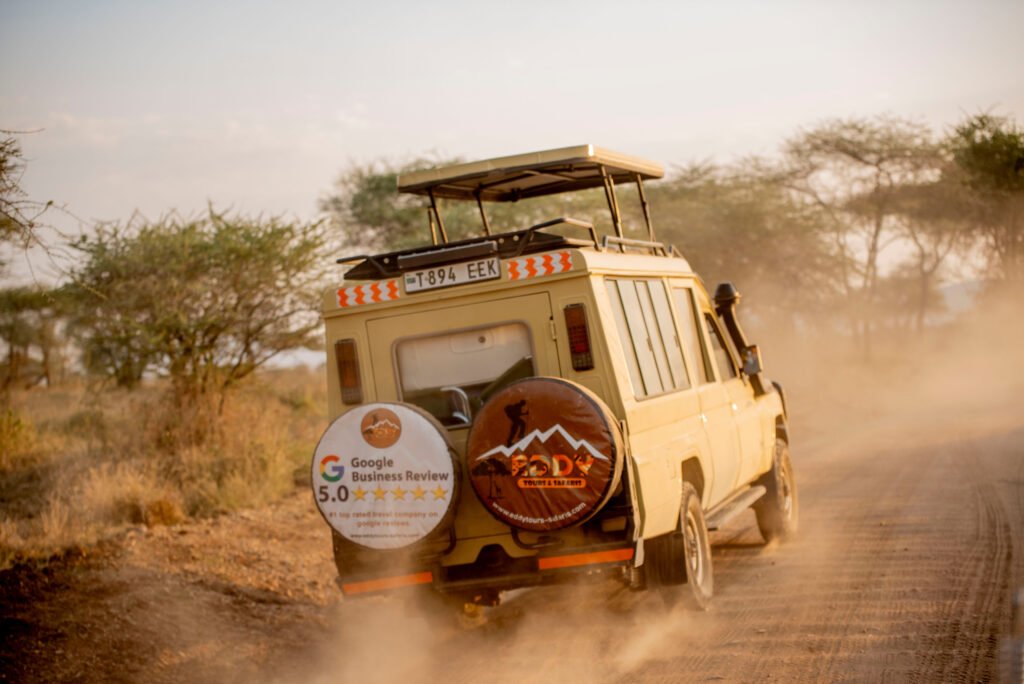
One of the most important decisions in the Complete Guide to Planning a Safari in Tanzania is choosing your safari operator. Local operators understand wildlife behavior, road conditions and park regulations far better than overseas resellers.
You can explore professionally designed safari programs through Tanzania safari specialists who work directly with park authorities and local communities.
Complete Guide to Planning a Safari in Tanzania – Step 7: review environmental and ethical practices
Environmental responsibility is central to the Complete Guide to Planning a Safari in Tanzania. Conservation groups such as the Conservation International and the National Geographic Society highlight how waste control, off-road driving limits and visitor education protect fragile habitats.
Transparency and ethical business practices promoted by Transparency International help travelers avoid misleading operators and unclear contracts.
Complete Guide to Planning a Safari in Tanzania – Step 8: plan your accommodation and travel flow
Logistical planning is another essential part of the Complete Guide to Planning a Safari in Tanzania. Environmental impact research supported by the International Energy Agency and sustainable infrastructure studies published through the ScienceDirect show how accommodation placement and transport routes influence energy use and environmental pressure.
Well-planned travel flow reduces long driving hours and allows more time for wildlife observation rather than road transfers.
Complete Guide to Planning a Safari in Tanzania – Step 9: confirm community benefits and local impact
Community impact completes the Complete Guide to Planning a Safari in Tanzania. Development research by Oxfam International and social development studies supported by Harvard University research programmes confirm that community participation strengthens conservation outcomes.
When local people benefit directly from tourism, wildlife protection becomes a shared responsibility rather than an external rule.
Complete Guide to Planning a Safari in Tanzania – Step 10: finalize your booking with confidence
The final step in the Complete Guide to Planning a Safari in Tanzania is confirming your booking with clarity and trust. Responsible tourism standards promoted by the International Organization for Standardization emphasize transparent communication and service delivery processes.
For direct local advice and tailored safari planning, you can speak with professionals through local safari consultation support.
Complete Guide to Planning a Safari in Tanzania – extend your adventure responsibly
Many travelers extend the Complete Guide to Planning a Safari in Tanzania by combining wildlife travel with mountain or cultural experiences. Responsible outdoor tourism follows environmental and safety principles promoted by international conservation and outdoor leadership institutions.
If you wish to include mountain travel, you can review structured adventure options through Kilimanjaro trekking programs that integrate safety standards and environmental responsibility.
Complete Guide to Planning a Safari in Tanzania – travel with meaning
The Complete Guide to Planning a Safari in Tanzania is not about rushing to see animals. It is about understanding how wildlife, people and landscapes connect. When you plan carefully, you protect ecosystems, support communities and create deeper personal memories.
If you are ready to design a responsible and well-balanced safari, you can start your journey through Eddy Tours & Safaris and experience Tanzania with confidence, respect and genuine local expertise.