
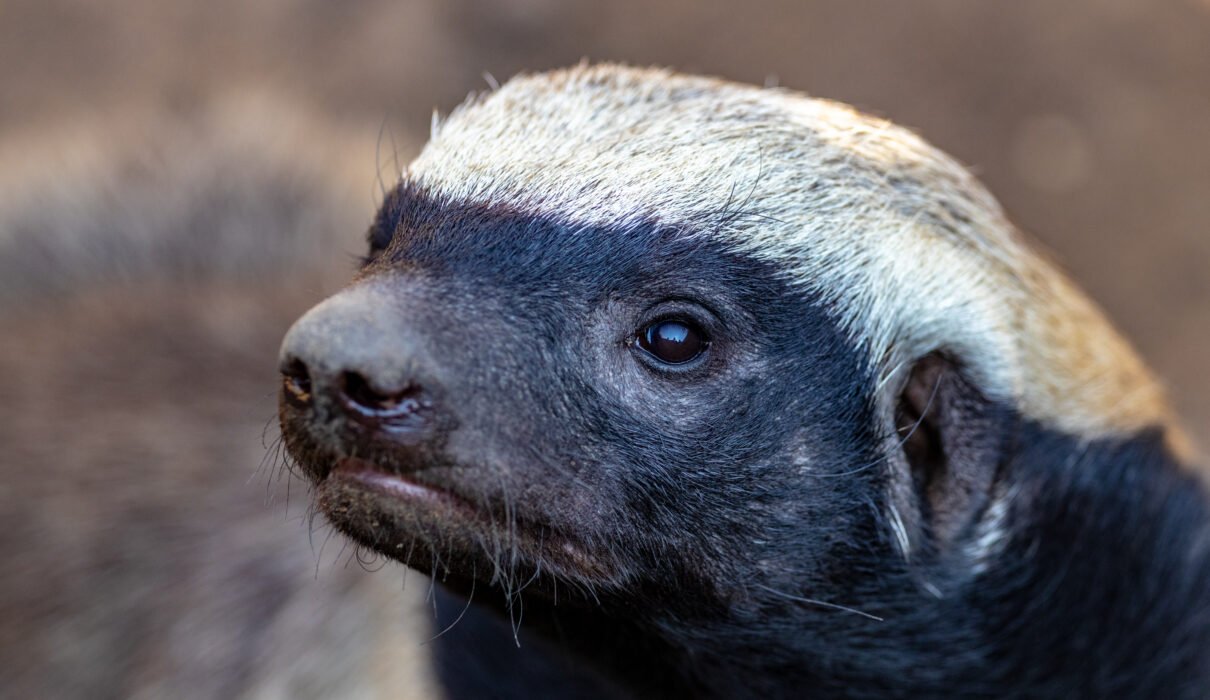
Honey Badger: Africa’s Fearless Animal is one of the most bold and misunderstood creatures roaming the wild landscapes of Africa. Known for its strength, intelligence, and unmatched courage, this small predator has earned a reputation that often sounds larger than life. From the dry savannah to rocky deserts, it survives in places where many animals struggle, proving that size does not define power in the wild.
The honey badger, scientifically called Mellivora capensis, belongs to the weasel family and is widely studied by institutions such as Britannica and Animal Diversity Web. Conservation organizations like African Wildlife Foundation and World Wildlife Fund highlight its ecological importance, while researchers from Nature and Science continue to explore its remarkable behavior.
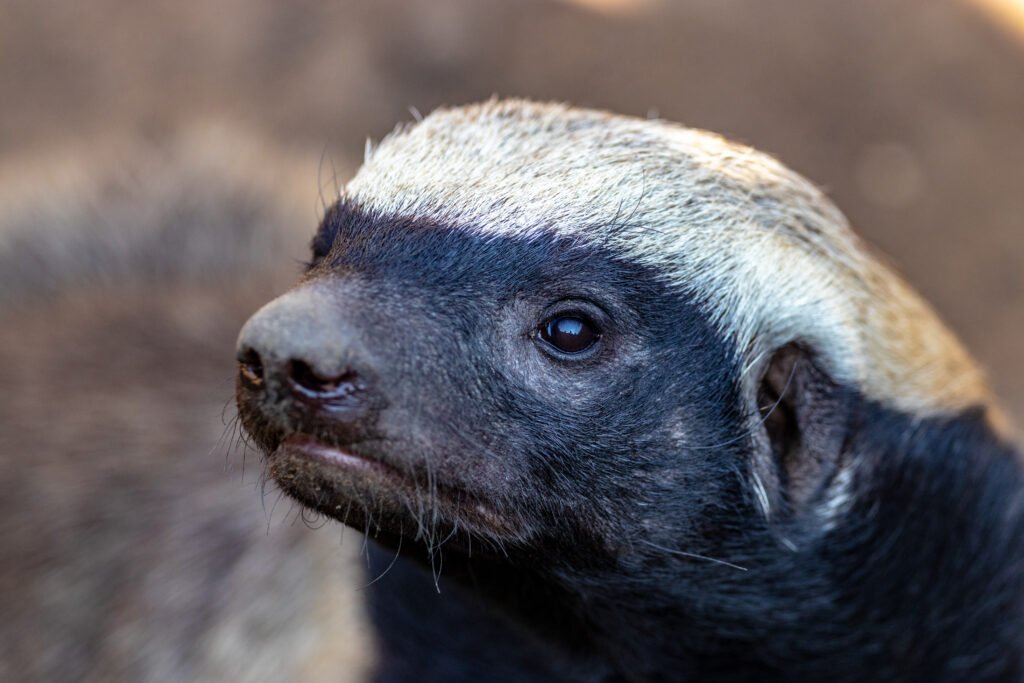
Understanding Honey Badger: Africa’s Fearless Animal in the Wild
When people talk about toughness in the animal kingdom, Honey Badger: Africa’s Fearless Animal often leads the conversation. It weighs far less than a lion or hyena, yet it defends itself with such confidence that even large predators think twice before attacking. According to National Geographic and BBC Earth, its thick skin and powerful jaws allow it to fight off threats that seem impossible for its size.
This animal has loose skin that helps it twist and bite attackers even when caught. Studies referenced by Encyclopedia of Life show that its skin is tough enough to resist many bites and even some stings. It is also known for digging skills that allow it to escape danger or hunt underground prey. Organizations such as Wildlife Conservation Society explain how this adaptability makes it a true survivor.
Habitat and Distribution of Honey Badger: Africa’s Fearless Animal
Honey Badger: Africa’s Fearless Animal lives across sub-Saharan Africa and parts of the Middle East and Asia. It prefers dry grasslands, savannahs, and semi-desert regions, yet it can also survive in forests and mountainous areas. Reports from IUCN Red List show that the species is currently listed as Least Concern, but habitat loss remains a growing issue.
Environmental groups like Conservation International and UN Environment Programme emphasize that land development and human conflict threaten many wild habitats. Even though this species is highly adaptable, shrinking ecosystems may affect its long-term survival.
7 Shocking Facts About Honey Badger: Africa’s Fearless Animal
1. Incredible Strength Beyond Its Size
Despite its small frame, Honey Badger: Africa’s Fearless Animal can take down prey much larger than itself. It hunts rodents, birds, reptiles, and even venomous snakes. The San Diego Zoo explains that its powerful bite and resistance to certain toxins give it an advantage in dangerous encounters.
2. Resistance to Venom
One of the most surprising traits of Honey Badger: Africa’s Fearless Animal is its ability to survive snake venom. While not fully immune, it can recover from bites that would kill many animals. Research institutions like University of Oxford and University of Cambridge have studied toxin resistance in mammals, highlighting how rare this trait is.
3. Fearless Defense Tactics
Honey Badger: Africa’s Fearless Animal is known to stand its ground against lions and leopards. Its loud growls, strong claws, and relentless attitude make predators cautious. Wildlife experts from Panthera note that even big cats prefer easier prey when possible.
4. Skilled Digger and Escape Artist
This animal can dig through hard soil in minutes. It uses this skill to hunt burrowing animals or escape danger. According to Earthwatch, digging also helps maintain soil health, making the honey badger an important part of its ecosystem.
5. Intelligence and Tool Use
Honey Badger: Africa’s Fearless Animal has shown signs of problem-solving and even tool use in captivity. Reports highlighted by Smithsonian Magazine reveal that some individuals stack objects to climb out of enclosures, showing impressive cognitive skills.
6. Unique Diet and Honey Love
Its name comes from its love of honey. It often follows honeyguide birds to bee nests. Organizations like Born Free Foundation explain that this relationship benefits both species, as the bird gains access to leftover wax and larvae.
7. Ecological Importance
Honey Badger: Africa’s Fearless Animal plays a key role in controlling rodent and snake populations. Groups such as TRAFFIC and CITES monitor wildlife trade to ensure species like this are protected from illegal exploitation.
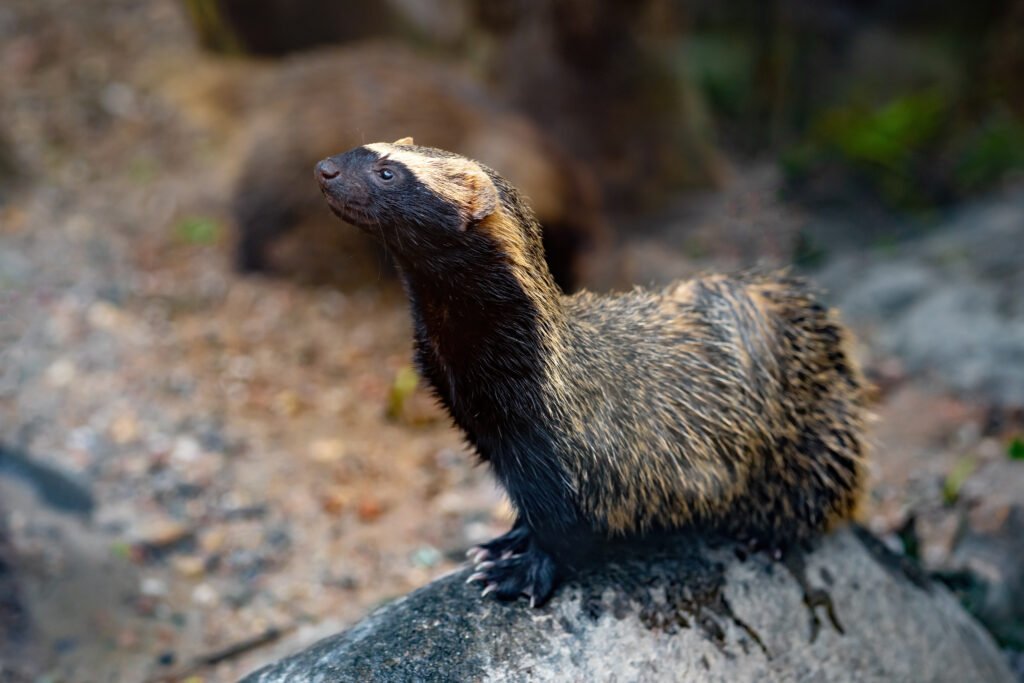
Why Seeing Honey Badger: Africa’s Fearless Animal in the Wild Is Unforgettable
Watching Honey Badger: Africa’s Fearless Animal in its natural habitat is a rare and powerful experience. On guided safaris with Eddy Tours & Safaris, travelers explore remote landscapes where this secretive predator may appear at dawn or dusk. Ethical wildlife viewing is essential, and conservation-focused operators work closely with global partners like Mongabay to promote responsible tourism.
For those planning a broader African adventure, combining wildlife safaris with mountain trekking through Kilimanjaro Climb Specialist creates a journey that blends adrenaline with conservation awareness. Many travelers begin their research using platforms like Google to learn about species protection and ethical travel standards.
Explore more safari insights, conservation stories, and wildlife encounters at Eddy Tours & Safaris, where expert guides share deep knowledge about African ecosystems. Their blog also highlights lesser-known species, including Honey Badger: Africa’s Fearless Animal, helping visitors understand the value of biodiversity.
Conservation Challenges Facing Honey Badger: Africa’s Fearless Animal
Although adaptable, Honey Badger: Africa’s Fearless Animal faces threats from habitat loss, poisoning, and human conflict. Farmers sometimes see it as a pest, especially when it raids poultry farms. Conservation groups such as Defenders of Wildlife encourage coexistence strategies that protect both farmers and wildlife.
By supporting conservation-driven safari companies like Eddy Tours & Safaris, travelers contribute to local communities and wildlife protection programs. Sustainable tourism creates income that reduces reliance on harmful practices and strengthens respect for species like Honey Badger: Africa’s Fearless Animal.
Frequently Asked Questions About Honey Badger: Africa’s Fearless Animal
Is Honey Badger: Africa’s Fearless Animal really fearless?
While no animal is completely fearless, this species shows extremely bold defensive behavior that makes it appear brave in dangerous situations.
What does Honey Badger: Africa’s Fearless Animal eat?
It eats rodents, birds, insects, reptiles, honey, and small mammals, making it an opportunistic and flexible predator.
Is Honey Badger: Africa’s Fearless Animal endangered?
It is currently listed as Least Concern, but habitat destruction and human conflict remain concerns.
Can tourists see Honey Badger: Africa’s Fearless Animal on safari?
Yes, though sightings are rare. Expert guides from Eddy Tours & Safaris increase the chances by exploring prime habitats responsibly.
Why is Honey Badger: Africa’s Fearless Animal important to the ecosystem?
It helps control pests and maintains ecological balance by hunting rodents and snakes.
Does Honey Badger: Africa’s Fearless Animal really love honey?
Yes, it raids beehives for honey and larvae, using its thick skin to handle bee stings.
Final Thoughts
Honey Badger: Africa’s Fearless Animal stands as a symbol of resilience and strength in the African wilderness. Its bold spirit, ecological value, and surprising intelligence make it one of the continent’s most fascinating predators. By supporting conservation, responsible travel, and trusted safari experts like Eddy Tours & Safaris, we help protect this remarkable creature for generations to come.