
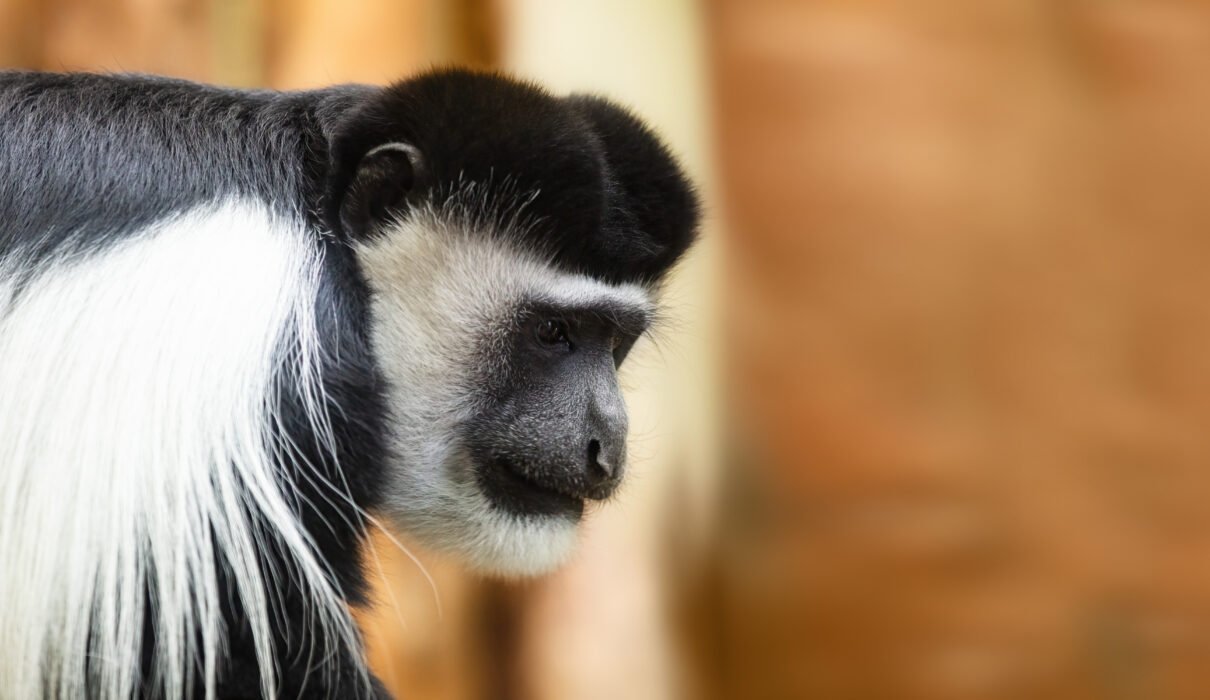
Colobus Monkey: One of Africa’s Most Beautiful Primates is a true symbol of Africa’s rich forests and vibrant wildlife. With its flowing black-and-white coat and graceful movements high in the treetops, this remarkable primate captures the heart of every traveler and wildlife lover. Found across East and Central Africa, it plays a powerful role in maintaining forest balance while offering unforgettable sightings on safari.
The Colobus Monkey: One of Africa’s Most Beautiful Primates is especially famous in countries like Tanzania, Kenya, and Uganda, where it thrives in protected parks and reserves. If you are planning a wildlife safari with Eddy Tours & Safaris, spotting this elegant primate in its natural habitat is often one of the most magical moments of the journey.
Why Colobus Monkey: One of Africa’s Most Beautiful Primates Stands Out
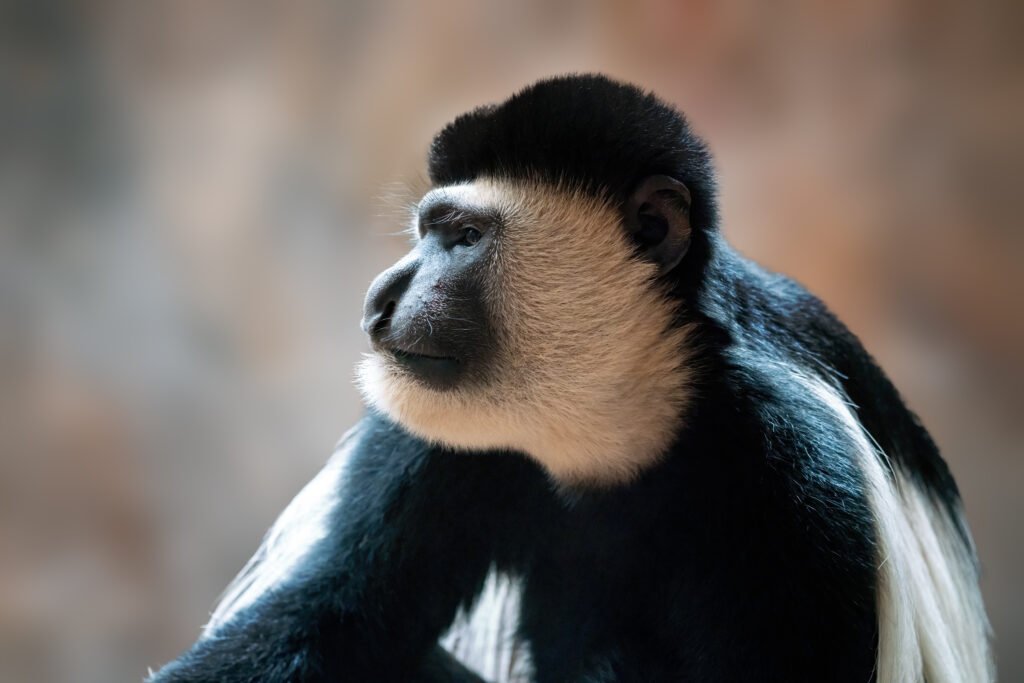
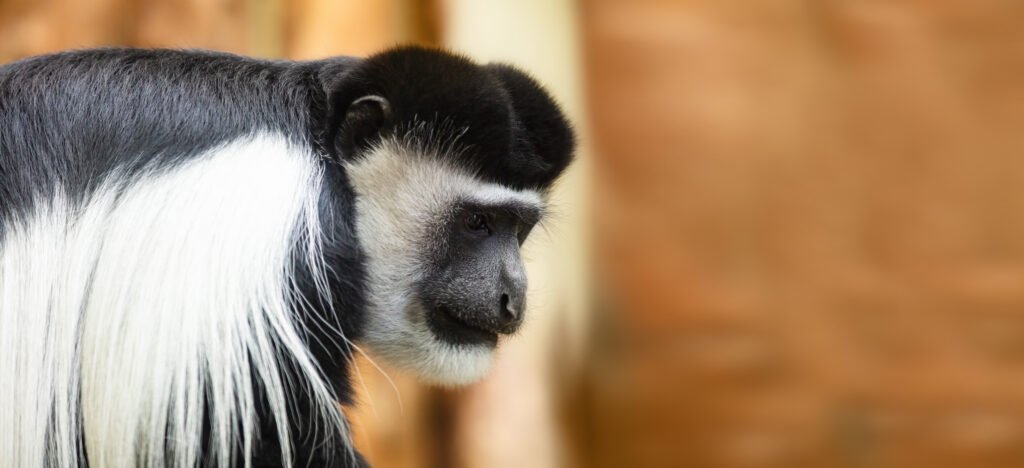
The Colobus Monkey: One of Africa’s Most Beautiful Primates stands out because of its striking appearance and unusual biology. Unlike many other monkeys, colobus monkeys do not have thumbs. This unique adaptation allows them to move swiftly through forest canopies, leaping impressive distances between trees with incredible balance and confidence. Their long white mantle and tail form a dramatic contrast against their deep black fur, making them easy to identify even from a distance.
According to research shared by britannica.com and nationalgeographic.com, colobus monkeys have a specialized stomach that helps them digest tough leaves. This leaf-based diet allows them to survive in forest areas where fruit may be seasonal. Their digestive system works similarly to that of ruminant animals, which is a rare feature among primates.
Physical Beauty and Unique Features
The Colobus Monkey: One of Africa’s Most Beautiful Primates is often described as one of the most photogenic animals in Africa. Its silky fur, long white fringe, and expressive face create a royal appearance that fascinates photographers and researchers alike. Studies from science.org and pnas.org highlight how coat patterns help with group recognition and communication within social troops.
These monkeys are highly social animals, living in groups that may include several females, young ones, and a dominant male. Observations supported by janegoodall.org show that grooming plays a key role in maintaining peace within the group. This strong social bond is one of the reasons the Colobus Monkey: One of Africa’s Most Beautiful Primates continues to thrive in well-protected forests.
Habitat and Distribution Across Africa
The Colobus Monkey: One of Africa’s Most Beautiful Primates is commonly found in tropical rainforests, mountain forests, and riverine woodlands. From the lush landscapes of Tanzania to the forests of Uganda, these monkeys prefer tall trees that offer both food and safety from predators. Conservation data from iucnredlist.org and worldwildlife.org shows that habitat protection is critical for their survival.
Climate patterns influence their habitat, and organizations like unep.org and noaa.gov provide valuable environmental data that help researchers understand how changing weather conditions impact forest ecosystems. In East Africa, many travelers combine forest visits with classic savannah safaris arranged through custom Tanzania safari packages, giving them a diverse wildlife experience.
Conservation Efforts Protecting Colobus Monkey: One of Africa’s Most Beautiful Primates
Although the Colobus Monkey: One of Africa’s Most Beautiful Primates is still seen in many protected areas, deforestation and human expansion pose serious risks. Conservation groups such as awf.org, conservation.org, and africanparks.org work closely with local communities to protect forests and wildlife corridors.
Global organizations like unesco.org and worldbank.org support sustainable development projects that reduce pressure on forest habitats. Even broader ecological research from nasa.gov contributes satellite data to monitor forest cover changes across Africa.
Behavior and Daily Life in the Treetops
The daily life of the Colobus Monkey: One of Africa’s Most Beautiful Primates revolves around feeding, resting, and social interaction. They are mostly active during the day, carefully selecting young leaves, flowers, and sometimes fruits. Because leaves are harder to digest, they spend a significant amount of time resting to allow proper digestion.
Predators such as large birds of prey and wild cats may threaten them, but their tree-dwelling lifestyle offers natural protection. Wildlife organizations like panthera.org and birdlife.org study predator-prey relationships that help scientists understand forest balance.
Role in Forest Ecosystems
The Colobus Monkey: One of Africa’s Most Beautiful Primates plays an important ecological role by helping control vegetation growth and supporting forest regeneration. By feeding on leaves and dispersing seeds, they contribute to maintaining biodiversity. Research supported by fao.org and nature.org emphasizes the importance of primates in healthy forest systems.
Healthy forests also support human well-being, a topic explored by who.int, which links environmental health to community health outcomes. Protecting forests ensures that the Colobus Monkey: One of Africa’s Most Beautiful Primates and countless other species continue to survive.
Where to See Colobus Monkey: One of Africa’s Most Beautiful Primates on Safari
If you dream of seeing the Colobus Monkey: One of Africa’s Most Beautiful Primates in the wild, Tanzania offers some of the best viewing opportunities. Parks such as Arusha National Park and Jozani Forest are well known for reliable sightings. Many visitors exploring Tanzania’s wildlife book guided experiences through professional safari experts who understand primate behavior and habitat.
For travelers combining wildlife with mountain adventures, resources like kilimanjaroclimbspecialist.com provide insight into nearby trekking opportunities. Planning tools such as google.com can also help visitors research conservation areas and travel logistics before arrival.
When booking your safari, choosing trusted operators like Eddy Tours & Safaris ensures responsible travel that supports conservation. Ethical tourism directly benefits local communities and helps protect the Colobus Monkey: One of Africa’s Most Beautiful Primates for future generations.
Interesting Facts About Colobus Monkey: One of Africa’s Most Beautiful Primates
One fascinating fact about the Colobus Monkey: One of Africa’s Most Beautiful Primates is that young colobus monkeys are born completely white. As they grow, their fur gradually changes to the iconic black-and-white pattern. This color shift helps adults easily recognize and protect infants within the group.
Another interesting detail is their silent communication style. While they can make loud calls, they often rely on body posture and subtle sounds to maintain group harmony. Observations recorded by primate specialists through the Primate Specialist Group at primate-sg.org highlight their complex social signals.
Why Protecting Colobus Monkey: One of Africa’s Most Beautiful Primates Matters
Protecting the Colobus Monkey: One of Africa’s Most Beautiful Primates is about more than saving one species. It is about preserving entire ecosystems that support birds, insects, and even local communities. Forest conservation helps regulate climate, store carbon, and protect water sources, making it essential for both wildlife and people.
When travelers choose responsible safari operators such as Eddy Tours & Safaris, they actively support conservation projects and community initiatives. Sustainable tourism creates jobs, funds park management, and reduces illegal activities that threaten wildlife.
By learning about and appreciating the Colobus Monkey: One of Africa’s Most Beautiful Primates, visitors become ambassadors for conservation. Every safari, every photograph, and every shared story helps raise awareness about the beauty and importance of Africa’s forests.