
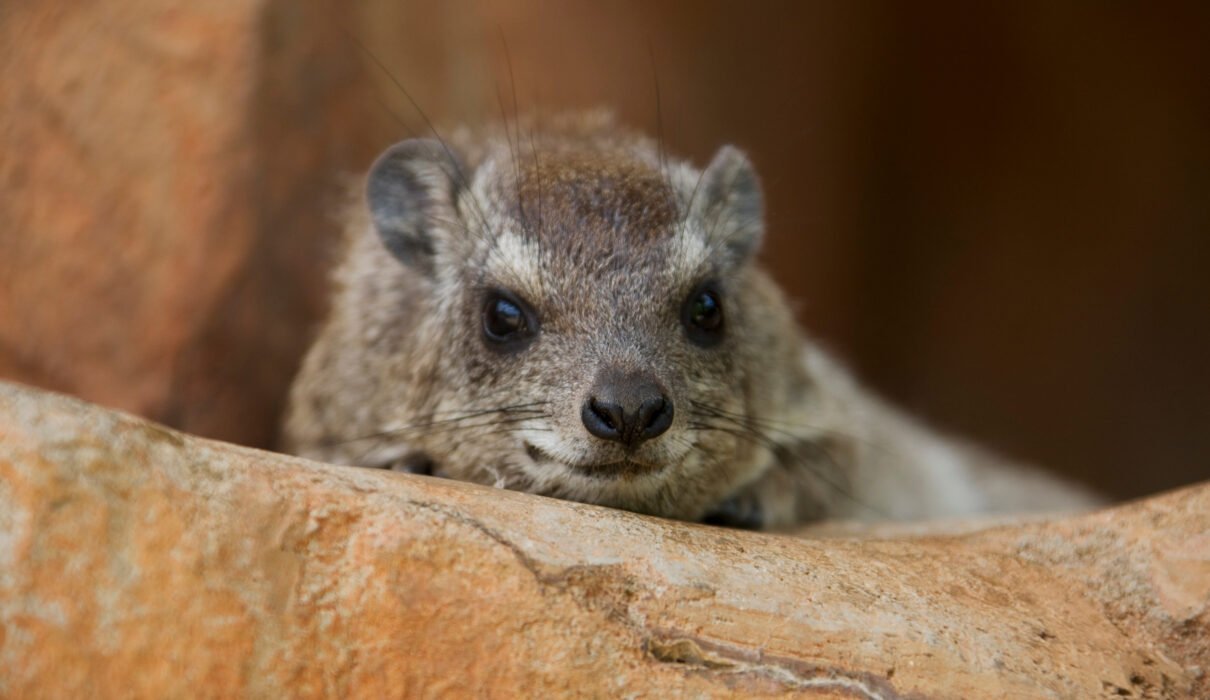
Tree Hyrax: Habitat, Behavior, and Diet is a topic that sparks curiosity among wildlife lovers and safari travelers who want to understand Africa’s lesser-known mammals. Often heard before they are seen, tree hyraxes live high in forest canopies and rocky escarpments, quietly shaping the ecosystems around them. This detailed guide explores their environment, feeding patterns, and unique behaviors in a way that connects science with real safari experiences.
The tree hyrax is a small, nocturnal mammal closely related to elephants despite its rabbit-like appearance. According to research shared by IUCN Red List, several species of tree hyrax face increasing habitat pressure due to forest loss. Conservation organizations such as World Wildlife Fund and African Wildlife Foundation continue to monitor forest ecosystems where these animals survive.
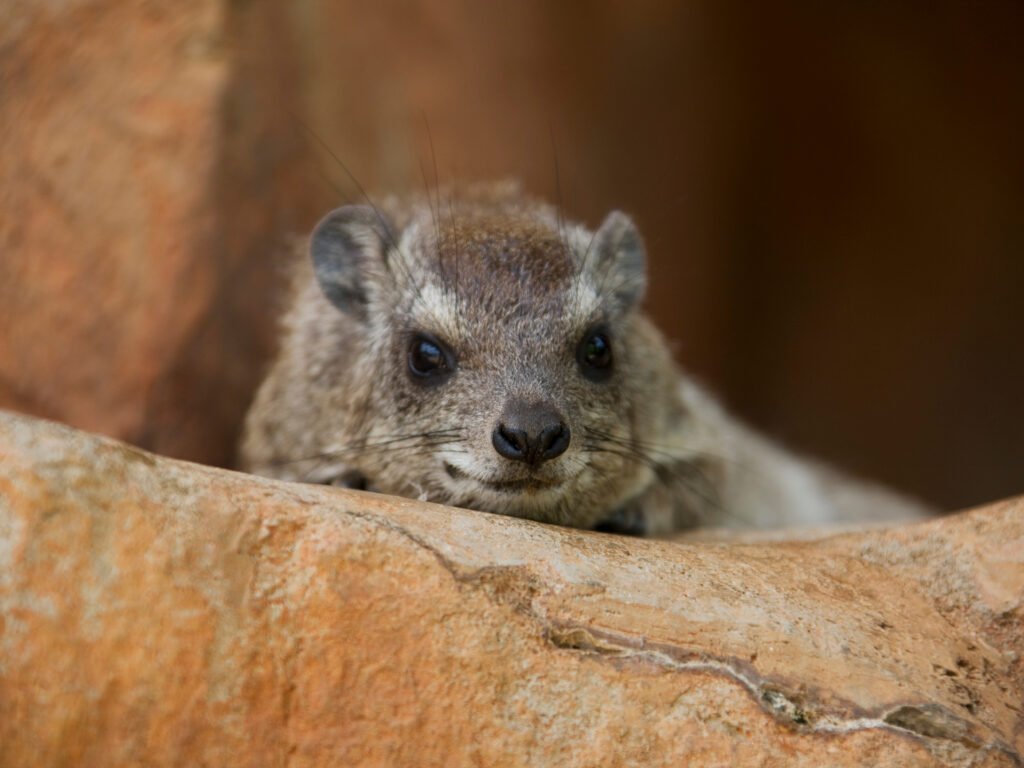
Tree Hyrax: Habitat, Behavior, and Diet in African Forest Ecosystems
Understanding Tree Hyrax: Habitat, Behavior, and Diet begins with their natural environment. Tree hyraxes are mainly found in sub-Saharan Africa, especially in montane forests, dense woodlands, and rocky cliffs. Countries such as Tanzania, Kenya, Uganda, and parts of Central Africa provide suitable habitats with thick tree cover and secure hiding spots. Studies published by institutions like National Geographic and Encyclopaedia Britannica describe how these animals depend on tree hollows and crevices for shelter.
In Tanzania, forest reserves near Kilimanjaro and the Eastern Arc Mountains host healthy populations. Conservation data from United Nations Environment Programme highlights the importance of protecting highland forests for species like the tree hyrax. Travelers exploring forested safari areas with Eddy Tours & Safaris may occasionally hear their loud, haunting calls echoing at night, especially in protected areas close to national parks.
Habitat Preferences and Geographic Range
Tree hyraxes prefer habitats with thick canopy cover, moderate humidity, and safe nesting spots. They thrive in forests located between lowland tropical zones and high-altitude mountain regions. Research supported by Smithsonian Institution explains that these animals rarely descend to the ground, which protects them from predators such as leopards and large birds of prey.
Forest conservation initiatives led by Conservation International and Fauna & Flora International emphasize how tree hyrax survival depends on intact forest corridors. Deforestation disrupts their feeding routes and reduces nesting spaces, which directly affects reproduction and population stability.
Tree Hyrax: Habitat, Behavior, and Diet – Unique Nocturnal Behavior
When exploring Tree Hyrax: Habitat, Behavior, and Diet, behavior stands out as one of the most fascinating aspects. Tree hyraxes are mostly nocturnal, becoming active shortly after sunset. Their powerful vocalizations can travel long distances through forest valleys, often surprising campers and researchers alike. According to findings shared by National Geographic Society, these calls play a role in territory marking and communication between mates.
They are generally solitary but may share sleeping sites with family members. Their padded feet allow them to grip tree bark firmly, similar to rock hyraxes. Wildlife experts working with African Wildlife Foundation note that tree hyraxes rely heavily on their sense of hearing and smell rather than sight during nighttime movement.
Social Structure and Communication
Tree hyrax social systems are simple yet effective. Males may defend small territories, while females care for a limited number of offspring. Information from Natural History Museum suggests that vocal signals help reduce physical conflict between neighboring individuals. These calls vary in pitch and length depending on the situation, from warning signals to mating calls.
Scientific collaboration through platforms like JSTOR and ScienceDirect continues to reveal new behavioral insights. Their slow movements and careful climbing style help them remain unnoticed during the day.
Tree Hyrax: Habitat, Behavior, and Diet – What Do They Eat?
The diet component of Tree Hyrax: Habitat, Behavior, and Diet is strongly plant-based. Tree hyraxes are herbivores that feed on leaves, shoots, bark, fruits, and occasionally flowers. Botanical studies referenced by Royal Botanic Gardens Kew show that forest diversity directly supports hyrax nutrition. A varied plant ecosystem ensures they receive enough fiber and essential nutrients.
Unlike grazing mammals of the savannah, tree hyraxes feed selectively in the canopy. Research from University of California San Francisco explains that their digestive system allows them to break down tough plant materials efficiently. Their multi-chambered stomach supports fermentation, similar to other herbivorous mammals.
Feeding Patterns and Ecological Impact
Tree hyrax feeding habits contribute to seed dispersal and plant regeneration. According to environmental data from World Bank biodiversity reports, forest mammals play a significant role in maintaining ecological balance. By consuming leaves and fruits, tree hyraxes influence plant growth cycles and nutrient distribution.
Field researchers associated with University of Cambridge highlight how limited movement keeps feeding areas concentrated within small territories. This reduces overgrazing and supports sustainable plant use within their habitat.
Tree Hyrax: Habitat, Behavior, and Diet and Its Connection to Safari Experiences
For travelers seeking deeper wildlife understanding, Tree Hyrax: Habitat, Behavior, and Diet adds richness to forest safaris. While they are not as visible as elephants or lions, their nighttime calls create a dramatic forest atmosphere. Visitors planning wildlife adventures can explore Tanzania’s forest ecosystems through custom safari packages, which often include guided forest walks.
Exploring mountain regions near Kilimanjaro can also provide ecological insights. Adventure seekers preparing for highland treks may find helpful climbing resources at Kilimanjaro Climb Specialist. Combining forest exploration with responsible tourism supports conservation programs promoted by organizations such as The Nature Conservancy.
For detailed Tanzania wildlife itineraries, travelers can also review Tanzania safari options, browse wildlife safari packages, discover Serengeti adventures, and learn more about Ngorongoro conservation tours. These experiences connect visitors directly with the forests where tree hyraxes thrive.
Conservation Challenges and Future Outlook
The survival of species discussed in Tree Hyrax: Habitat, Behavior, and Diet depends on sustainable forest management. Deforestation, agricultural expansion, and climate shifts reduce suitable habitats. Global environmental monitoring from Intergovernmental Panel on Climate Change emphasizes how forest ecosystems face increasing pressure worldwide.
Public awareness campaigns promoted through platforms like Google educational tools and research networks such as University of Oxford help spread knowledge about lesser-known species. Protecting forests ensures that future generations will continue to hear the unique nighttime calls of tree hyraxes.
In conclusion, Tree Hyrax: Habitat, Behavior, and Diet reveals the story of a quiet forest guardian whose life depends on healthy ecosystems. By supporting conservation groups, choosing responsible safari operators, and learning from trusted scientific institutions, we help protect not just one species but entire forest communities. The more we understand these secretive mammals, the more meaningful our wildlife experiences become.