
Filming Rules and Permits in Tanzania are the foundation of every successful documentary, commercial shoot, wildlife production, or travel feature created within the country. Tanzania is home to iconic landscapes, protected wildlife areas, cultural heritage sites, and vibrant communities, and filming here requires proper authorization and ethical responsibility. Understanding the legal framework, application process, and on-ground coordination ensures your production runs smoothly while respecting national laws and conservation standards.
Understanding Filming Rules and Permits in Tanzania
Filming Rules and Permits in Tanzania are regulated primarily through government authorities responsible for information, culture, natural resources, and wildlife management. Production companies, independent filmmakers, media houses, and content creators must apply for official approval before filming in national parks, conservation areas, cities, villages, or heritage locations. These permits protect wildlife, cultural identity, and environmental integrity while ensuring safety and compliance with national regulations. Organizations such as UNESCO, UNEP, and IUCN emphasize responsible environmental documentation, reinforcing why regulated filming is critical in ecologically sensitive destinations.
Filmmakers planning productions in protected areas must also respect conservation guidelines promoted by institutions such as WWF, BirdLife International, and TRAFFIC. Tanzania’s natural heritage contributes to global biodiversity conservation efforts recognized by bodies like FAO and Global Forest Watch. Securing permits is not just a legal formality; it is a commitment to sustainable storytelling.
Why Filming Rules and Permits in Tanzania Matter
Filming Rules and Permits in Tanzania matter because they safeguard wildlife ecosystems, community rights, and national security. Tanzania hosts world-renowned parks and conservation landscapes where animal behavior, migration patterns, and fragile habitats must not be disrupted. Conservation organizations such as The Nature Conservancy and Environmental Investigation Agency highlight the risks of unregulated activities in biodiversity hotspots. When filmmakers operate without proper authorization, they may face heavy fines, equipment confiscation, or legal action.
Beyond conservation, ethical filming respects local communities and cultural heritage. Institutions like United Nations, UNDP, and World Bank stress community engagement and responsible media representation in developing regions. Observing legal procedures demonstrates professionalism and strengthens partnerships with Tanzanian authorities.
Application Process for Filming Permits
The process of obtaining filming permits involves submitting detailed production information, including project synopsis, crew list, equipment details, filming locations, and intended distribution platforms. Applications are reviewed by relevant government departments, and additional clearances may be required for wildlife reserves or heritage sites. Transparent governance principles supported by Transparency International and legal frameworks discussed by UNODC underline the importance of full disclosure during permit applications.
Health and safety documentation may also be requested, especially for large crews or aerial filming. International standards promoted by WHO, ILO, and IFRC encourage risk management and crew welfare planning. Filmmakers are advised to coordinate logistics through experienced local operators such as Eddy Tours & Safaris, who understand permit pathways and regional procedures.
Filming in National Parks and Conservation Areas
National parks require additional authorization because they protect wildlife corridors and endangered species. Documentary producers working on wildlife stories frequently collaborate with conservation bodies and research institutions. Reputable resources like National Geographic and Britannica emphasize careful wildlife interaction protocols, which align with Tanzanian regulations.
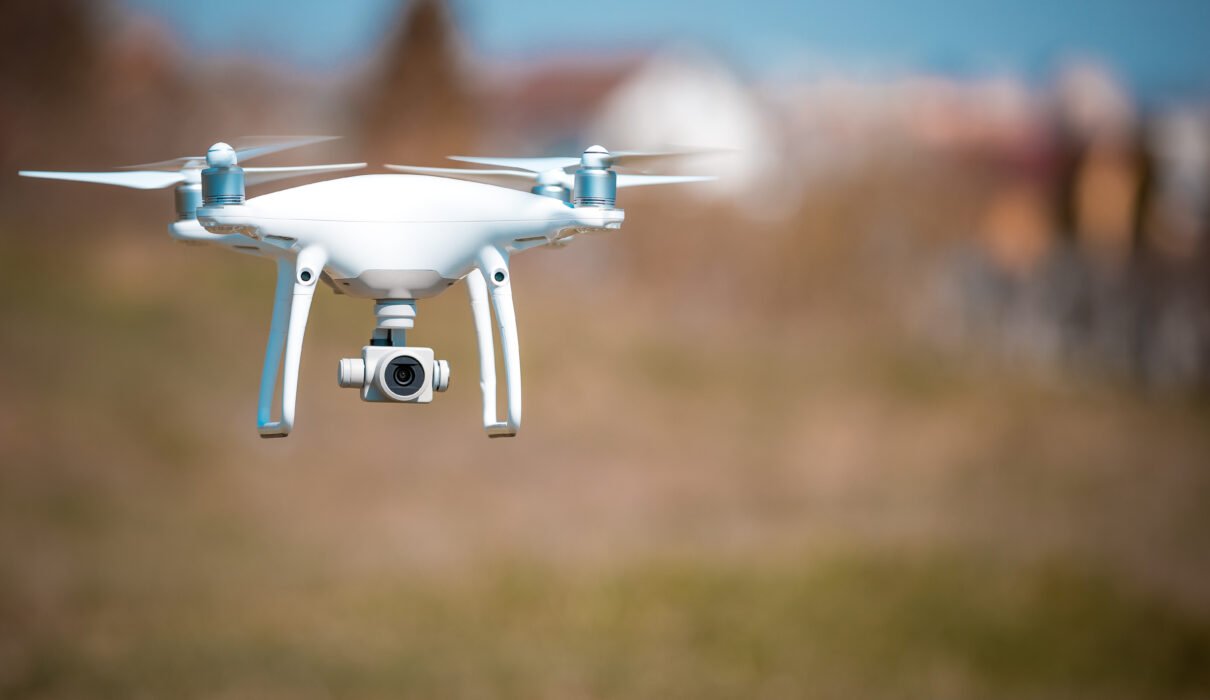
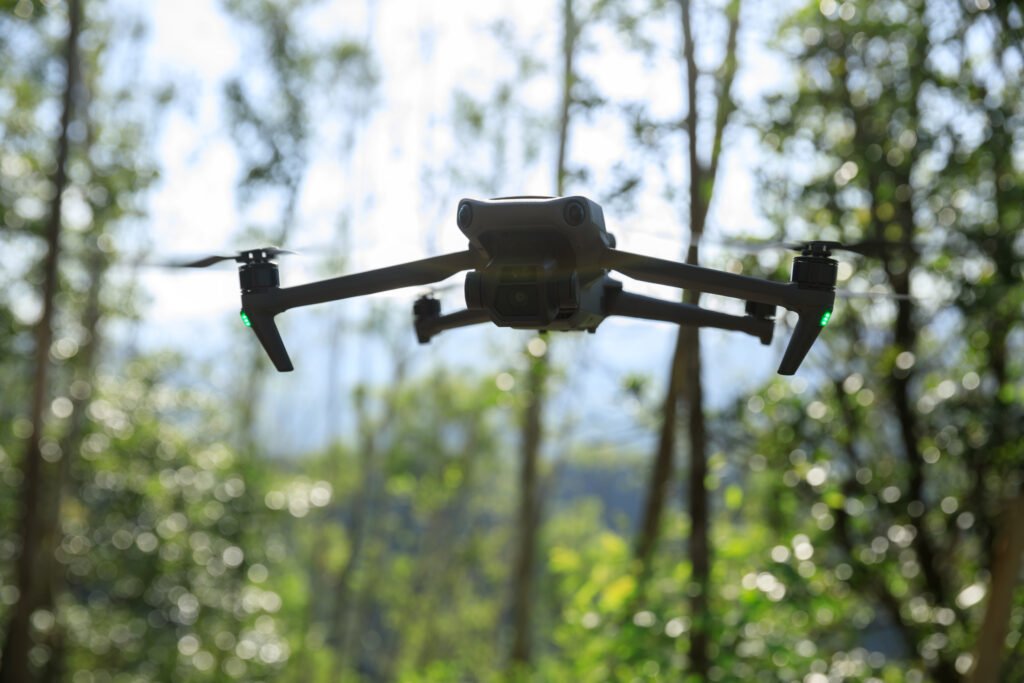
Drone usage, night filming, or off-road driving typically require special clearance. Environmental monitoring initiatives supported by Africa Geographic highlight the importance of minimizing disturbance to animals during filming. Working with trusted safari partners such as local safari experts ensures compliance with park guidelines while achieving compelling visuals.
Urban and Cultural Filming Guidelines
Filming in cities, towns, or villages requires local administrative approval in addition to national permits. Respecting cultural sensitivity is essential, particularly when capturing traditional ceremonies or community life. Human rights organizations such as Amnesty International and Human Rights Watch advocate ethical storytelling that protects dignity and informed consent. Production teams should seek written permissions when filming identifiable individuals.
Urban shoots may also require traffic coordination and municipal cooperation. Partnering with experienced facilitators like professional ground handlers simplifies communication with local authorities and ensures uninterrupted production schedules.
Equipment Importation and Customs Regulations
Professional filming equipment entering Tanzania may require temporary import permits or customs declarations. Authorities assess equipment lists and may request bonds or security deposits. Global trade guidelines referenced by Google searches and official customs documentation help clarify required paperwork before arrival. Transparent declarations prevent delays at entry points and safeguard valuable production gear.
For mountain or adventure filming, crews often consult specialists like Kilimanjaro Climb Specialist for logistical insight, particularly when filming in high-altitude environments. Collaborating with regional logistics providers ensures secure transportation and storage of equipment across different terrains.
Costs and Timeline Expectations
Permit fees vary depending on filming scope, crew size, equipment type, and selected locations. Wildlife areas often carry additional conservation fees. Processing timelines depend on documentation completeness and project sensitivity. Early submission is strongly recommended to avoid production delays. Reliable coordination through experienced Tanzanian operators accelerates communication with relevant offices and reduces uncertainty.
Common Mistakes to Avoid
One common mistake is underestimating the time required for approvals. Another is assuming that social media content or small-scale filming does not require authorization. Filming Rules and Permits in Tanzania apply to commercial, documentary, and branded content alike. Failure to comply may result in penalties, deportation, or blacklisting from future projects. Thorough preparation, honest disclosure, and local collaboration prevent unnecessary setbacks.
Frequently Asked Questions About Filming Rules and Permits in Tanzania
Do independent filmmakers need permits?
Yes, independent creators must secure permits just like major production companies. The scale of the project does not remove legal requirements.
How long does approval take?
Approval timelines vary, but early application and complete documentation significantly improve processing speed.
Are drone shoots allowed?
Drone filming typically requires additional aviation and security clearance before operations begin.
Can permits be arranged on arrival?
Permits should be obtained in advance. Arranging them after arrival may delay your production schedule.
Are there conservation restrictions?
Yes, wildlife disturbance, off-road driving, and habitat disruption are strictly controlled in protected areas.
Why is local coordination recommended?
Local partners understand administrative structures, cultural protocols, and park regulations, ensuring smooth operations.
Conclusion
Filming Rules and Permits in Tanzania protect one of the world’s most treasured natural and cultural landscapes while enabling filmmakers to create powerful stories responsibly. By respecting conservation guidelines, following legal procedures, and collaborating with experienced local professionals, production teams can capture extraordinary visuals without compromising integrity or sustainability. Proper preparation transforms complex regulations into a clear pathway for successful filming in Tanzania.