
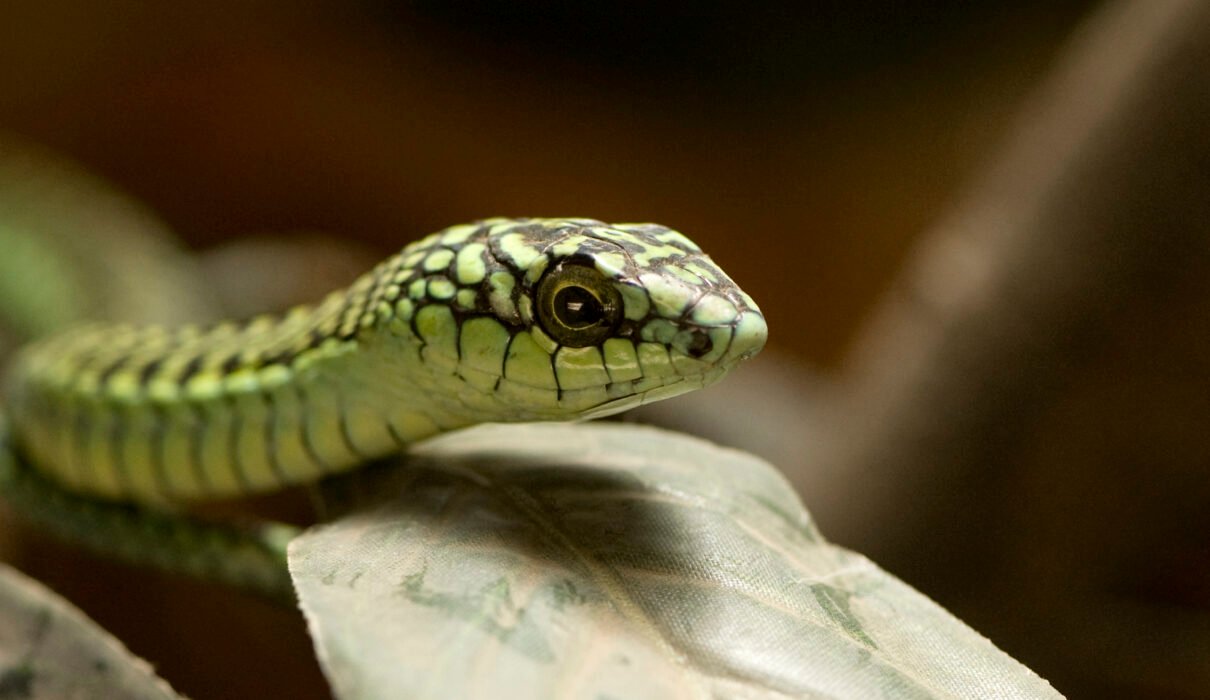
Snakes in Tanzania: Dangerous and Harmless Species are among the most fascinating and misunderstood creatures in East Africa. From the vast Serengeti plains to the thick forests of the Usambara Mountains, Tanzania is home to a wide range of snake species that play a vital role in maintaining ecological balance. While some are highly venomous, many are completely harmless and shy around humans. Understanding the difference can help travelers, wildlife enthusiasts, and local communities stay safe while appreciating nature’s design.
Tanzania’s diverse habitats support dozens of snake species, each adapted to survive in grasslands, wetlands, woodlands, and rocky terrain. According to research shared by institutions such as IUCN and World Wildlife Fund, reptiles are critical to ecosystem health because they control rodent populations and serve as prey for larger predators. Learning about Snakes in Tanzania: Dangerous and Harmless Species not only improves safety but also deepens respect for conservation efforts.
Understanding Snakes in Tanzania: Dangerous and Harmless Species
When exploring safari parks or rural landscapes, it is important to recognize that most snakes avoid human contact. Tanzania’s wildlife authorities, supported by conservation bodies like Tanzania National Parks and global research platforms such as National Geographic, emphasize that snakes only strike when threatened. Many incidents occur because of accidental stepping or attempts to handle them.
The climate of Tanzania, influenced by seasonal rainfall and warm temperatures, creates ideal breeding conditions for reptiles. Scientific studies from organizations like Encyclopaedia Britannica and ScienceDirect confirm that East Africa hosts some of the most biologically diverse reptile populations on the continent. This diversity is exactly why understanding Snakes in Tanzania: Dangerous and Harmless Species matters for anyone planning a safari or nature tour.
Venomous Snakes Found in Tanzania
Tanzania is home to several venomous species that require caution and awareness. The Black Mamba, often discussed by research centers like Natural History Museum, is known for its speed and potent venom. Puff Adders, frequently studied by CDC toxicology departments, are responsible for many snakebite incidents due to their camouflage and tendency to remain still.
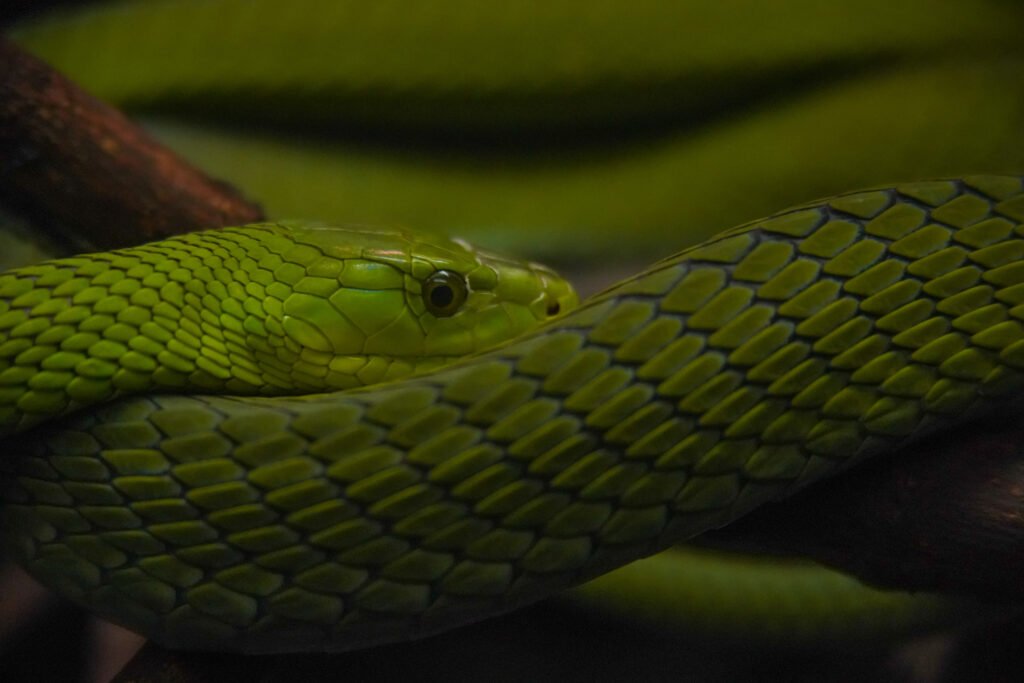
The Egyptian Cobra and Green Mamba are also present in certain regions. Medical data shared by World Health Organization highlights that timely treatment significantly reduces fatalities from snakebites. Despite their danger, these snakes are essential predators that help regulate pest populations. Discussing Snakes in Tanzania: Dangerous and Harmless Species without acknowledging their ecological value would give an incomplete picture.
Harmless Snakes You Are Likely to See
Not all snakes in Tanzania pose a threat. Species such as the African Rock Python, although large, are non-venomous. Sand snakes and house snakes are commonly found near human settlements yet rarely cause harm. Educational platforms like Reptile Database and conservation networks such as Fauna & Flora document numerous harmless species thriving in Tanzanian ecosystems.
In many safari destinations arranged through Eddy Tours & Safaris, travelers may encounter non-venomous snakes basking in the sun or crossing dirt roads. Guides trained in wildlife interpretation help visitors understand the difference between dangerous and harmless varieties. When observing Snakes in Tanzania: Dangerous and Harmless Species, distance and respect are always the golden rules.

Habitats and Distribution of Snakes in Tanzania: Dangerous and Harmless Species
From the savannah of the Serengeti to the wetlands of Selous, snake habitats vary widely. Research institutions such as Conservation International explain that habitat diversity directly influences reptile variety. Grasslands support ambush predators like Puff Adders, while forests shelter tree-dwelling mambas.
Visitors climbing Mount Kilimanjaro with support from Kilimanjaro Climb Specialist rarely encounter snakes due to colder high-altitude conditions. However, lower slopes may host smaller, harmless species. Exploring these ecosystems through professional tour operators such as Eddy Tours & Safaris ensures both safety and expert knowledge of Snakes in Tanzania: Dangerous and Harmless Species.
How to Stay Safe Around Snakes
Safety begins with awareness. The American Museum of Natural History at amnh.org advises wearing closed shoes and avoiding tall grass when walking in wildlife areas. Most bites occur when snakes feel cornered or stepped on. Keeping a safe distance and avoiding sudden movements greatly reduces risk.
Travelers booking safari adventures through Eddy Tours & Safaris receive professional briefings before entering national parks. Guides are trained to identify Snakes in Tanzania: Dangerous and Harmless Species and respond appropriately if one is spotted near camps or trails.
The Ecological Importance of Snakes in Tanzania: Dangerous and Harmless Species
Snakes are powerful indicators of environmental health. According to ecological data published on UNEP and biodiversity reports from GBIF, reptiles contribute to balanced food chains by controlling rodents and insects. Without them, agricultural damage and disease transmission could increase significantly.
Birds of prey and mammals depend on snakes as food sources, reinforcing the importance of protecting Snakes in Tanzania: Dangerous and Harmless Species. Conservation education promoted by African Wildlife Foundation encourages coexistence rather than fear-driven elimination.
Common Myths About Tanzanian Snakes
One widespread myth is that all snakes are aggressive. Scientific explanations available via Smithsonian Magazine show that snakes conserve energy and avoid unnecessary confrontation. Another misconception is that venomous snakes chase humans, which is rarely supported by documented evidence.
Education is key to correcting misinformation about Snakes in Tanzania: Dangerous and Harmless Species. Reliable search engines like google.com can provide reputable sources when used carefully, but expert-guided safaris remain the most trustworthy learning experience.
Why Safari Travelers Should Care
Wildlife tourism thrives when visitors feel informed and confident. Choosing reputable operators such as Eddy Tours & Safaris ensures that encounters with Snakes in Tanzania: Dangerous and Harmless Species are educational rather than alarming. Professional guides explain behavior patterns, habitat preferences, and first-aid basics without spreading fear.
Understanding local biodiversity also supports responsible travel. By respecting snakes and their habitats, tourists contribute to conservation initiatives supported by global bodies like WWF UK and research collaborations hosted on Nature.
Conclusion
Snakes in Tanzania: Dangerous and Harmless Species represent both the beauty and complexity of Africa’s wildlife. While certain species demand caution, most are harmless and essential to ecological stability. With proper guidance, awareness, and respect, encounters can become memorable learning moments rather than fearful experiences.
Exploring Tanzania’s wild landscapes offers a deeper appreciation for reptiles and the ecosystems they protect. By supporting conservation efforts and choosing professional safari partners, travelers can safely witness the remarkable diversity of Snakes in Tanzania: Dangerous and Harmless Species while contributing to sustainable tourism and environmental protection.