
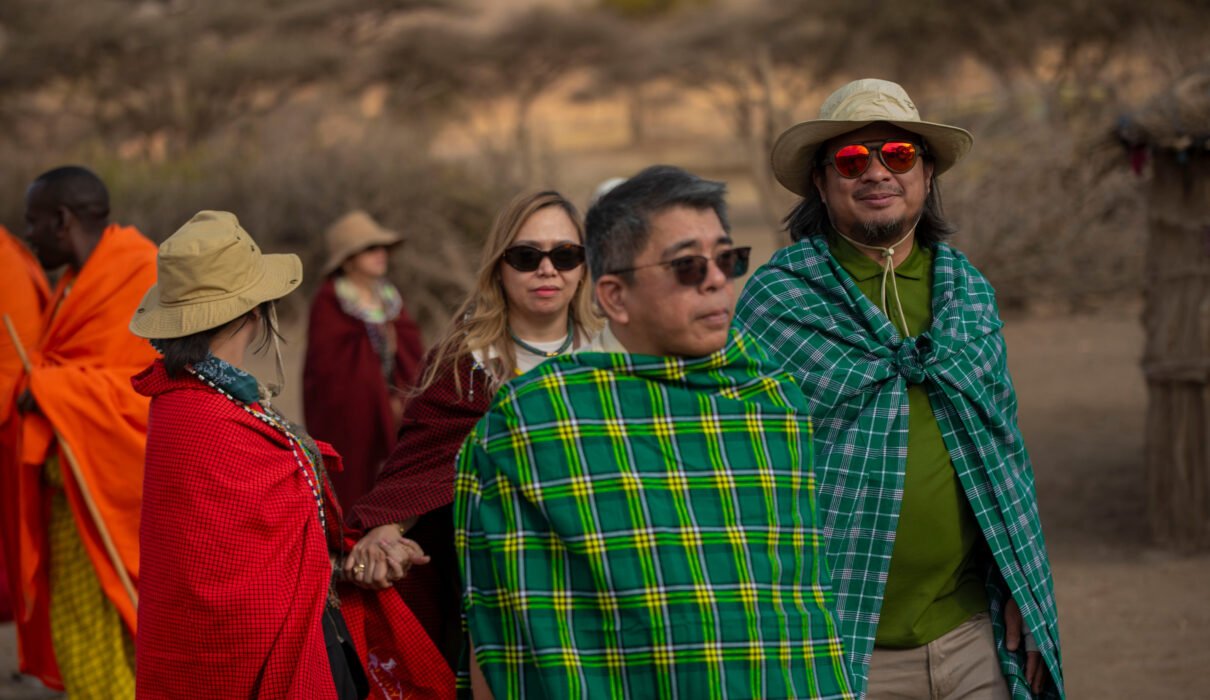
10 Famous African Tribes and Their Traditions reveal the heart and soul of Africa in ways that are inspiring, educational, and deeply human. From colorful ceremonies to ancient survival skills, these communities have preserved customs that continue to shape identity across the continent. Understanding their traditions is not just about history; it is about connection, respect, and meaningful travel experiences.
Africa is home to thousands of ethnic groups, each with its own language, art, beliefs, and social systems. In this detailed guide to 10 Famous African Tribes and Their Traditions, we explore cultural practices, ceremonies, dress codes, and daily life while highlighting why cultural tourism matters today.
Cultural Identity in 10 Famous African Tribes and Their Traditions
The richness found in 10 Famous African Tribes and Their Traditions reflects centuries of adaptation, resilience, and creativity. Across savannahs, deserts, forests, and river valleys, tribes have developed unique lifestyles that align closely with nature. According to research shared by UNESCO, cultural heritage plays a vital role in strengthening community identity and promoting peace. Similarly, studies from National Geographic emphasize how traditional knowledge supports environmental sustainability.
Many African communities continue to preserve rituals tied to birth, marriage, leadership, and harvest seasons. Organizations like the African Wildlife Foundation, World Wildlife Fund, and IUCN recognize that protecting indigenous cultures also protects biodiversity. Cultural tourism, when done respectfully, allows visitors to experience these traditions while contributing to conservation and local development.
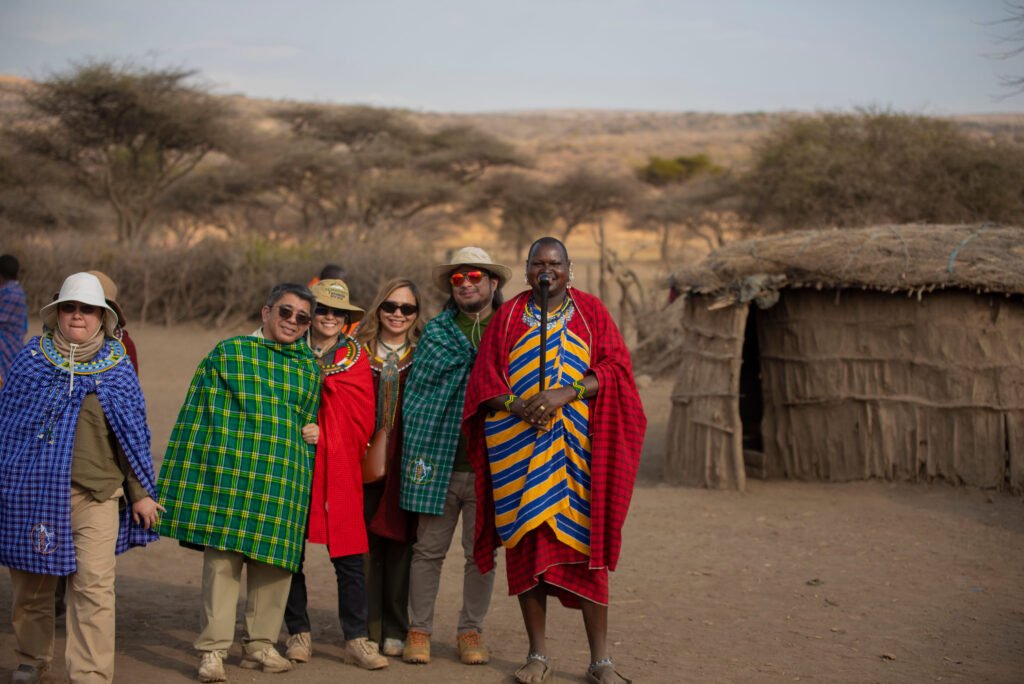
The Maasai – Guardians of the Savannah
The Maasai of Kenya and Tanzania are globally recognized for their red shukas, beadwork, and warrior traditions. Their lives revolve around cattle, which symbolize wealth and social status. Jumping dances performed by young warriors during ceremonies represent strength and unity. Cultural insights from Encyclopaedia Britannica and research institutions like National Geographic Society explain how the Maasai balance tradition with modern influences.
Travelers interested in authentic cultural encounters often combine community visits with wildlife safaris arranged through Eddy Tours & Safaris. Responsible travel ensures that experiences connected to 10 Famous African Tribes and Their Traditions remain respectful and beneficial.
The Zulu – Pride and Warrior Heritage
The Zulu people of South Africa are known for powerful warrior history, intricate beadwork, and energetic dances. Traditional ceremonies celebrate ancestors and community unity. Academic resources from South African History Online and cultural archives from JSTOR highlight the enduring influence of Zulu customs on modern South African identity.
When exploring southern Africa, many cultural tours highlight 10 Famous African Tribes and Their Traditions through storytelling, music, and village interactions that promote understanding rather than performance.
The Himba – Desert Beauty and Resilience
The Himba of Namibia are admired for their distinctive red ochre body paint and intricate hairstyles. The mixture of butterfat and ochre protects their skin from harsh desert conditions. Anthropological studies from University of Cambridge and Harvard University document how Himba traditions express identity, age, and social roles.
Visiting remote communities requires sensitivity, and reputable operators like Eddy Tours & Safaris encourage ethical engagement when learning about 10 Famous African Tribes and Their Traditions.
The San – Ancient Bushcraft Masters
The San people, often referred to as Bushmen, are among the oldest indigenous groups in southern Africa. Their rock art and tracking skills have fascinated researchers from institutions such as National Museum South Africa and conservation experts at Conservation International. Their storytelling traditions pass down ecological knowledge that supports wildlife protection.
The survival wisdom seen within 10 Famous African Tribes and Their Traditions reminds visitors that ancient knowledge still holds modern relevance.
The Yoruba – Spiritual Depth and Artistic Excellence
The Yoruba of West Africa are renowned for elaborate festivals, sacred drumming, and strong spiritual systems. Deities known as Orishas guide moral and social life. Research from The British Museum and educational material from Library of Congress showcase Yoruba art and sculpture as some of the most influential in African history.
Exploring West African heritage expands the understanding of 10 Famous African Tribes and Their Traditions beyond safari landscapes and into vibrant cities and sacred forests.
The Berber – Desert Traders of North Africa
The Berber communities of North Africa have maintained language and architecture that reflect centuries of desert trade. Organizations such as United Nations and cultural researchers from SOAS University of London highlight the importance of preserving Amazigh identity and language.
The Ashanti – Gold and Royal Traditions
The Ashanti of Ghana are famous for golden regalia and royal ceremonies centered around the Golden Stool. Historical research from University of Oxford explains how symbolism strengthens leadership and unity within Ashanti society.
The Tuareg – Blue Nomads of the Sahara
The Tuareg are known for indigo veils and camel caravans across the Sahara Desert. Climate research from NOAA and desert studies at NASA help explain the environmental conditions shaping their nomadic lifestyle.
The Karamojong – Pastoral Strength
The Karamojong of Uganda value cattle as a sign of honor and survival. Cultural understanding programs supported by UNICEF promote education while respecting heritage.
The Xhosa – Language and Initiation Rituals
The Xhosa people of South Africa are recognized for their distinctive language and initiation traditions marking adulthood. Linguistic research from Ethnologue confirms the richness of African language diversity reflected in 10 Famous African Tribes and Their Traditions.
Why 10 Famous African Tribes and Their Traditions Matter Today
Understanding 10 Famous African Tribes and Their Traditions helps travelers appreciate Africa beyond wildlife safaris. Cultural tourism supports education, healthcare, and conservation when managed responsibly. Travelers planning Kilimanjaro climbs often consult Kilimanjaro Climb Specialist before combining mountain adventures with cultural tours arranged through Eddy Tours & Safaris. Even global platforms like Google provide access to research that encourages informed travel decisions.
Responsible travel operators such as Eddy Tours & Safaris design itineraries that respect elders, protect sacred spaces, and ensure fair community benefits. This approach keeps 10 Famous African Tribes and Their Traditions alive for future generations.
Experience Culture with Respect
Exploring 10 Famous African Tribes and Their Traditions is not about observation alone; it is about participation with humility and curiosity. Visitors are encouraged to ask questions, support local crafts, and follow community guidelines. Ethical travel frameworks promoted by Global Heritage Fund show that heritage preservation and tourism can work hand in hand.
If you are planning a safari or cultural journey, consider trusted local experts at Eddy Tours & Safaris who prioritize authenticity and community partnership. Through thoughtful travel, the stories found in 10 Famous African Tribes and Their Traditions continue to inspire respect, unity, and deeper understanding across the world.