
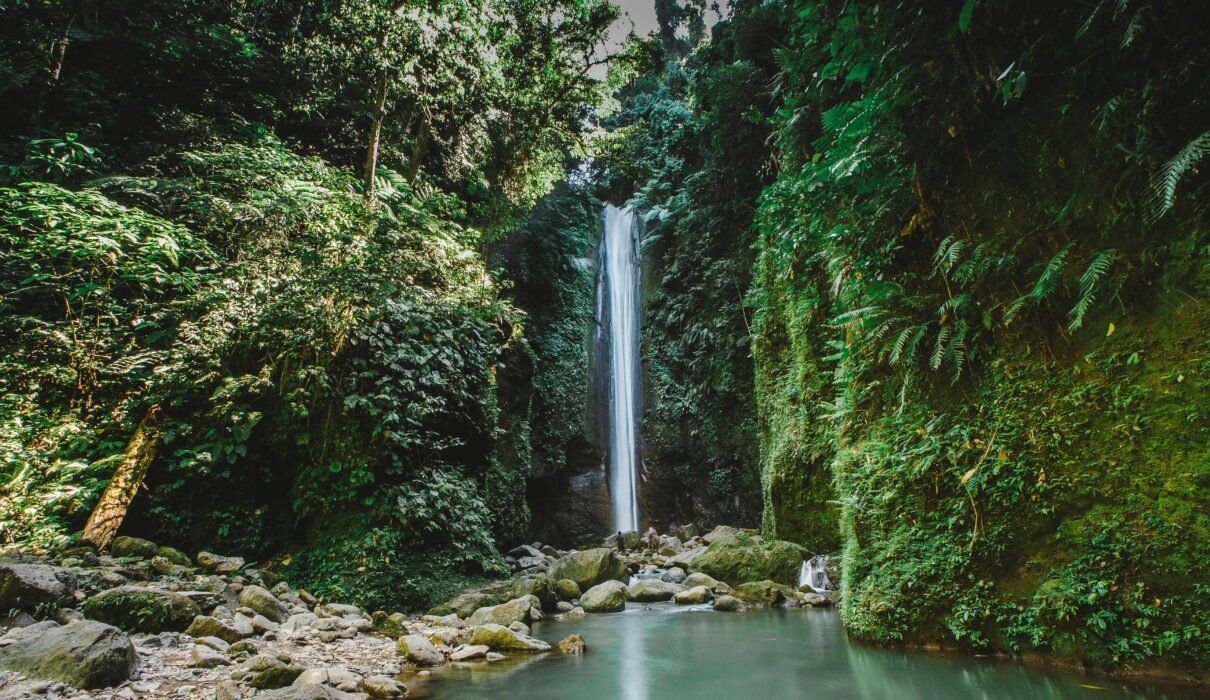
15 Biggest Waterfalls in the World is more than just a phrase; it represents the ultimate expression of nature’s strength, beauty, and raw geological drama. From thunderous cascades hidden deep in rainforests to towering curtains of water plunging from high cliffs, these waterfalls shape landscapes, influence ecosystems, and inspire millions of travelers and scientists alike. Understanding their scale and significance reveals why they continue to stand as symbols of Earth’s unstoppable energy.
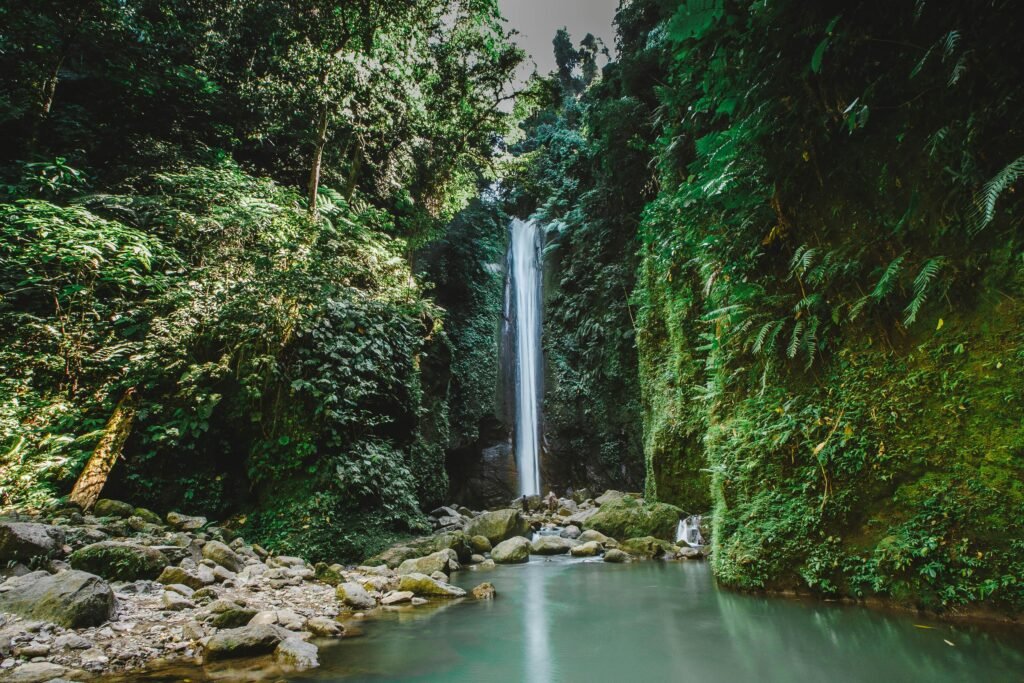
Why 15 Biggest Waterfalls in the World Inspire Travelers and Scientists
The 15 Biggest Waterfalls in the World capture attention not only because of their height or width but also because of the ecosystems and geological forces behind them. According to research shared by USGS, waterfalls form through erosion, tectonic activity, and variations in rock resistance, making them living examples of Earth’s evolution. Environmental organizations such as WWF and IUCN highlight how major waterfalls support biodiversity hotspots that are critical for conservation efforts.
Beyond science, these natural wonders fuel sustainable tourism and local economies. When planning African adventures, many travelers combine waterfall experiences with wildlife safaris through trusted operators such as Eddy Tours & Safaris, ensuring responsible travel that respects nature and community livelihoods. The growing interest in eco-travel, supported by research from UNEP, demonstrates that admiration for these giants also encourages environmental stewardship.
Geological Forces Behind the 15 Biggest Waterfalls in the World
The formation of the 15 Biggest Waterfalls in the World can be traced to millions of years of shifting continents and relentless water flow. Studies from NASA show how satellite imagery reveals erosion patterns that gradually carve dramatic cliffs and plunge pools. Academic insights from National Geographic and Encyclopaedia Britannica further explain how glaciers, volcanic activity, and sediment layers shape waterfall dimensions.
Waterfalls such as Angel Falls, Victoria Falls, and Iguazu Falls are often discussed when people explore the 15 Biggest Waterfalls in the World, but their scale is deeply connected to regional climate systems. Data from NOAA confirms that rainfall intensity and river discharge rates determine how powerful these cascades appear throughout the year. Scientific monitoring by institutions like National Geographic Society continues to track changes influenced by global climate patterns.
Exploring Continents Through the 15 Biggest Waterfalls in the World
The 15 Biggest Waterfalls in the World are spread across multiple continents, each offering unique landscapes and cultural meaning. In Africa, Victoria Falls remains a symbol of regional pride and ecological wealth, with conservation backing from UNESCO. Travelers often extend their trips with safari experiences arranged through tailored Tanzania safari packages, blending wildlife exploration with waterfall adventures.
South America boasts towering cascades like Angel Falls, supported by biodiversity research from Conservation International. In North America, Yosemite Falls reflects the geological history documented by National Park Service. Asia and Europe contribute equally impressive sites, studied by institutions such as Convention on Biological Diversity and European Environment Agency. Each destination within the 15 Biggest Waterfalls in the World tells a story of climate, rock formation, and cultural heritage.
Adventure seekers planning mountain expeditions sometimes pair waterfall visits with high-altitude treks through experts like Kilimanjaro Climb Specialist. Reliable planning resources such as Google help travelers research routes, safety tips, and conservation guidelines before departure. For those seeking a seamless African experience, curated itineraries from African travel experts ensure that visits remain environmentally responsible and culturally respectful.
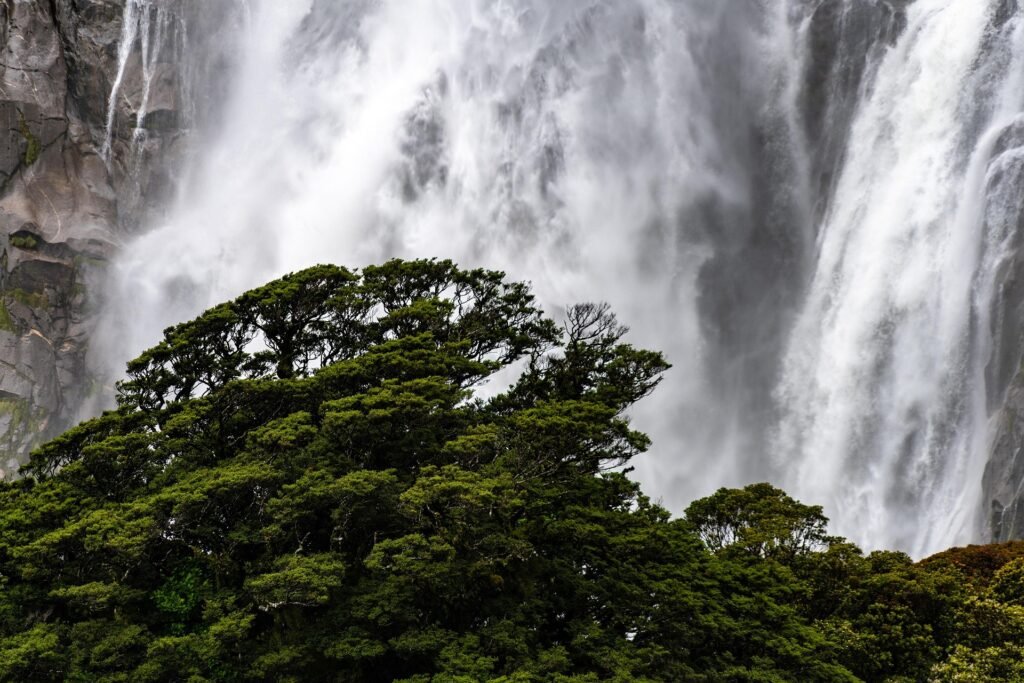
Conservation Lessons from the 15 Biggest Waterfalls in the World
The 15 Biggest Waterfalls in the World offer powerful lessons about environmental balance and sustainability. Organizations such as Rainforest Alliance and Fauna & Flora International emphasize that river systems feeding major waterfalls are vulnerable to deforestation and pollution. Reports from IPCC underline the importance of protecting freshwater resources amid changing global conditions.
Communities living near the 15 Biggest Waterfalls in the World often depend on tourism, agriculture, and fishing for survival. Conservation frameworks from World Bank and UN-Water stress sustainable water management to maintain ecological health. Educational research from National Geographic Environment and WWF International supports the idea that tourism must fund conservation rather than damage fragile habitats.
Responsible tour operators such as Eddy Tours & Safaris in Tanzania promote eco-friendly safaris that align with global sustainability standards. The balance between visitor access and environmental protection ensures that future generations can witness the grandeur of the 15 Biggest Waterfalls in the World without compromising biodiversity.
Top Highlights Among the 15 Biggest Waterfalls in the World
Among the 15 Biggest Waterfalls in the World, Angel Falls stands as the tallest, plunging dramatically from a Venezuelan plateau. Victoria Falls impresses with its immense width and thunderous spray, while Iguazu Falls features hundreds of cascades spread across a vast river system. Yosemite Falls remains one of North America’s tallest, showcasing seasonal power shaped by snowmelt and rainfall patterns.
Each waterfall’s ranking depends on criteria such as height, width, and flow rate. Scientific databases supported by UNESCO Natural Sciences and hydrological research from USGS Water Resources help classify these giants accurately. While measurements vary slightly due to seasonal changes, their global significance remains undisputed.
Travel Planning Tips for Visiting the 15 Biggest Waterfalls in the World
Visiting the 15 Biggest Waterfalls in the World requires thoughtful preparation, especially when exploring remote regions. Environmental guidelines from UN World Tourism Organization recommend supporting local communities and minimizing waste. Booking trusted safari extensions through professional Tanzania safari planners enhances safety and enriches cultural understanding.
Travelers should respect park regulations, maintain safe distances from cliff edges, and follow guidance from conservation authorities. Research from CDC suggests staying informed about health and safety measures before international trips. With proper planning, journeys to the 15 Biggest Waterfalls in the World become life-changing experiences rooted in appreciation and responsibility.
Conclusion: The Timeless Power of the 15 Biggest Waterfalls in the World
The 15 Biggest Waterfalls in the World continue to amaze scientists, photographers, conservationists, and adventurers alike. Their towering heights and roaring waters remind us of nature’s unmatched strength and delicate balance. By combining informed travel choices, environmental awareness, and responsible safari partnerships, visitors can celebrate these wonders while protecting them for generations to come.