
The Most Dangerous Animals in Africa are not always the biggest or the loudest creatures roaming the savannah. Africa is home to some of the most powerful wildlife species on Earth, and while many travelers dream of seeing them in their natural habitat, it is important to understand the risks they pose. From massive mammals to small yet deadly creatures, these animals command respect. Knowing about them not only keeps you safe but also deepens your appreciation for Africa’s wild beauty.
African wildlife plays a vital role in global biodiversity, supported by conservation efforts from organizations such as World Wildlife Fund, International Union for Conservation of Nature, and National Geographic Society. While danger exists, guided safaris like those offered by Eddy Tours & Safaris ensure visitors experience wildlife safely and responsibly.
The Most Dangerous Animals in Africa and Why They Matter
The Most Dangerous Animals in Africa are responsible for more human injuries and fatalities than many people expect. However, these animals are rarely aggressive without reason. Most attacks happen due to surprise encounters, territorial defense, or human encroachment into wildlife habitats. Research from Africa Geographic and South African National Biodiversity Institute shows that conservation and awareness significantly reduce negative encounters.
Understanding animal behavior is critical. Institutions like Encyclopaedia Britannica, Smithsonian Institution, and Nature Research provide scientific insights into wildlife patterns, helping safari operators create safe and educational experiences.
1. African Elephant – Powerful and Protective
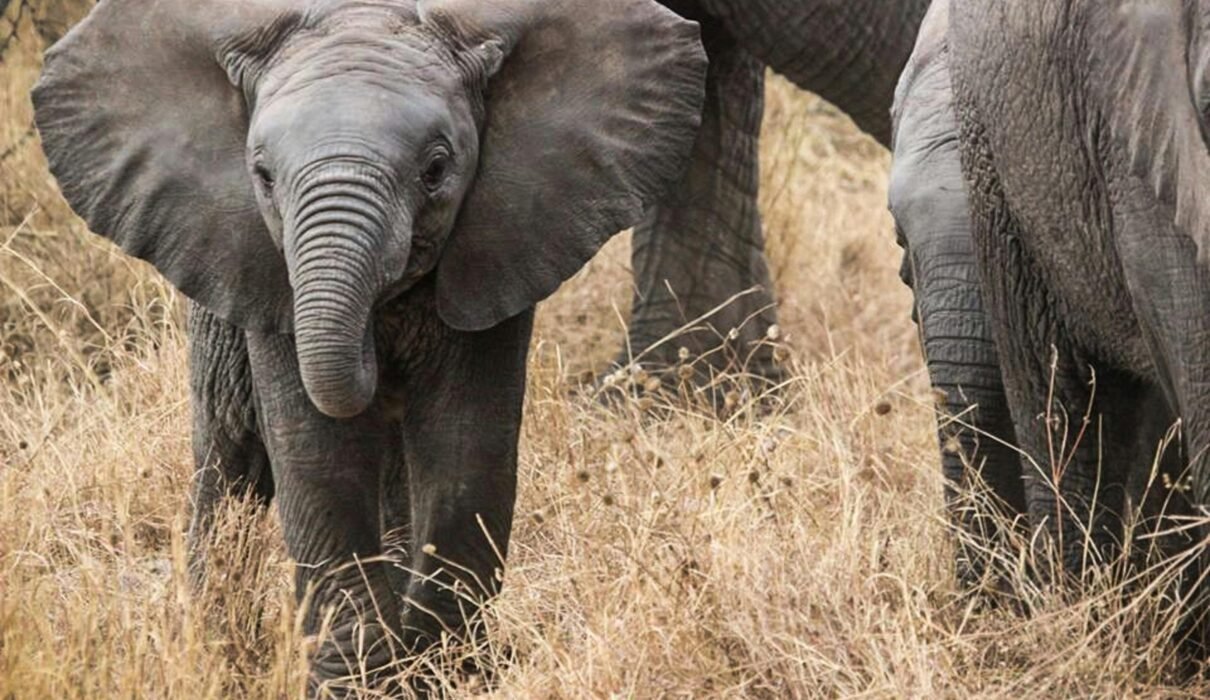
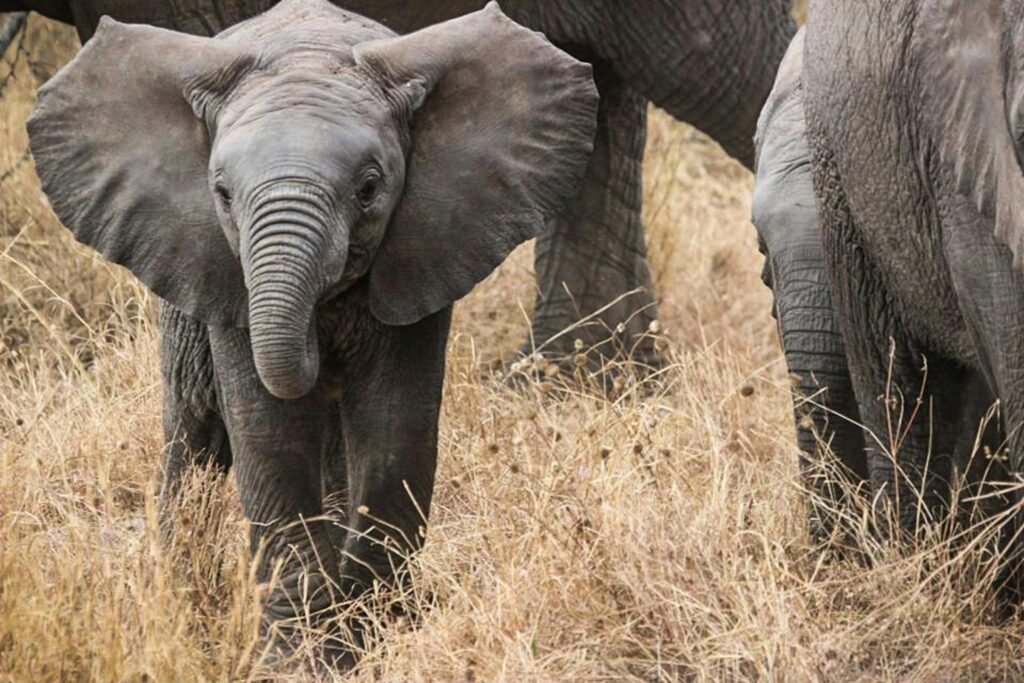
The African elephant is the largest land animal on Earth and one of the most unpredictable when threatened. Despite its calm appearance, it can charge at high speed and cause serious destruction. According to Save the Elephants and African Wildlife Foundation, elephants attack mostly when protecting their young or when disturbed. Responsible safari planning, such as booking through Eddy Tours & Safaris, ensures safe viewing distances are respected.
2. African Lion – The Apex Predator
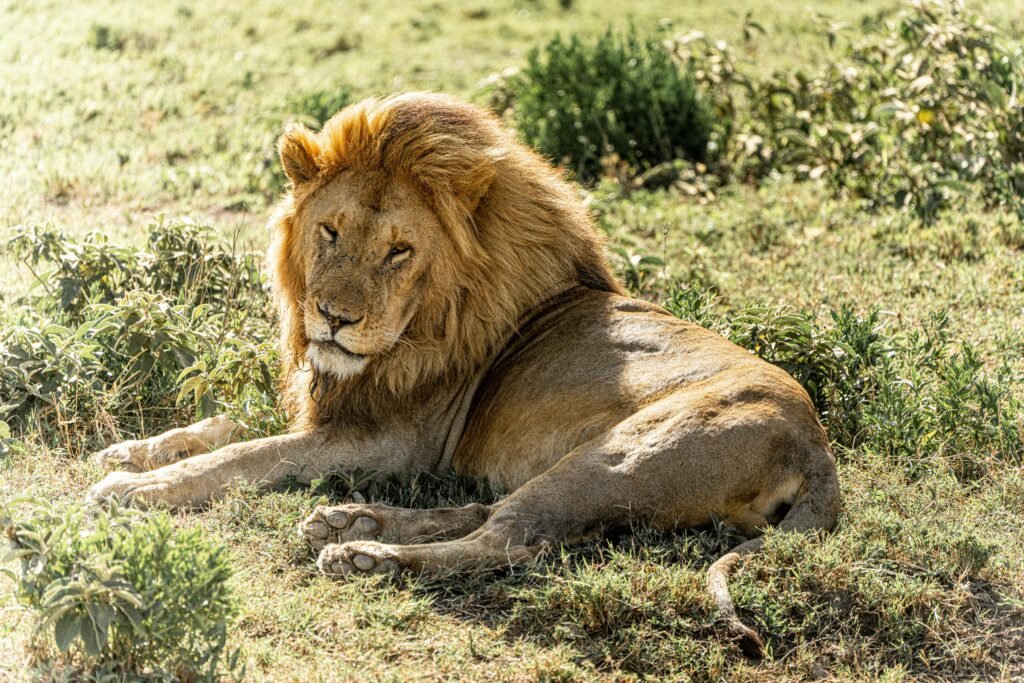
Lions are symbols of African wilderness, yet they remain formidable hunters. While attacks on tourists are rare, lions are capable of overpowering large prey with ease. Conservation groups like Lion Conservation Fund and Panthera work tirelessly to protect lion populations and reduce human-wildlife conflict.
3. Cape Buffalo – The Unpredictable Giant
Often underestimated, the Cape buffalo is considered one of the most dangerous animals by professional hunters and rangers. It is known for sudden aggression and group defense behavior. Studies from ScienceDirect confirm that buffalo attacks often occur when individuals feel cornered or injured.
4. Nile Crocodile – Silent and Deadly
The Nile crocodile is responsible for numerous attacks near rivers and lakes. Its stealth and powerful bite make it a top predator in aquatic ecosystems. Research from National Geographic and Florida Museum explains how crocodiles use ambush tactics to capture prey.
5. Hippopotamus – Surprisingly Aggressive
Though herbivorous, hippos are extremely territorial in water. They can run faster than humans on land and have powerful jaws capable of crushing bones. Conservation insights from WWF UK highlight the importance of maintaining safe distances during river safaris.
6. Black Mamba – Africa’s Fastest Snake
The black mamba is feared for its speed and potent venom. While it avoids confrontation, it will defend itself aggressively if threatened. Medical research from World Health Organization and Centers for Disease Control and Prevention explains the importance of rapid treatment in snakebite cases.
7. African Rhinoceros – Strong and Defensive
Rhinos have poor eyesight but strong territorial instincts. When startled, they may charge without warning. Organizations such as Save the Rhino and TRAFFIC Wildlife Trade Monitoring focus on protecting rhinos from poaching and preserving their natural habitats.
Safety Tips When Encountering The Most Dangerous Animals in Africa
Safety begins with preparation. Always follow your guide’s instructions, remain inside safari vehicles unless permitted, and avoid sudden movements near wildlife. Educational resources from United Nations Environment Programme and Conservation International emphasize sustainable tourism as the key to safe wildlife experiences. Travelers planning Kilimanjaro adventures can also explore mountain safety guidelines at Kilimanjaro Climb Specialist.
Choosing experienced operators like Eddy Tours & Safaris guarantees trained guides who understand animal behavior deeply. Their customized safari programs across Tanzania ensure travelers witness wildlife responsibly.
Why Understanding Wildlife Danger Enhances Your Safari Experience
Learning about The Most Dangerous Animals in Africa does not mean avoiding them. Instead, it helps travelers respect nature’s power and beauty. Scientific publications from The Royal Society and University of Cambridge show that awareness reduces fear and increases appreciation for biodiversity.
Exploring national parks such as Serengeti and Ngorongoro with professionals ensures that wildlife observation is both thrilling and secure. For more safari inspiration, visit Eddy Tours & Safaris and explore tailored packages designed for safety and adventure.
Conclusion: Respecting The Most Dangerous Animals in Africa
The Most Dangerous Animals in Africa remind us that nature is powerful and unpredictable. Yet, these creatures are not villains; they are essential parts of complex ecosystems that sustain life across the continent. By supporting conservation efforts from institutions like Wildlife Conservation Society, Fauna & Flora International, and Google for research access, we contribute to preserving Africa’s wild heritage.
When you travel responsibly and book through trusted safari experts such as Eddy Tours & Safaris, you turn potential danger into unforgettable adventure. Africa’s wilderness is waiting, and with the right knowledge, it becomes one of the most breathtaking experiences of a lifetime.