
Lake Manyara National Park Safari Guide is your essential companion to discovering one of Tanzania’s most breathtaking and diverse wildlife destinations. Tucked between the Great Rift Valley escarpment and a shimmering alkaline lake, this park offers an intimate safari experience filled with dramatic scenery, rare wildlife sightings, and unforgettable adventures. Whether you are a first-time visitor or a seasoned traveler, this guide will help you understand why this destination deserves a top place on your safari list.
Why Choose Lake Manyara National Park Safari Guide for Your Adventure?
The beauty of Lake Manyara lies in its variety. Within a relatively small area, you will find groundwater forests, open grasslands, acacia woodlands, and the vast soda lake that attracts thousands of birds. According to IUCN, protected areas like this are critical for biodiversity conservation, and Lake Manyara stands as a living example of that mission. The park is also recognized by organizations such as World Wildlife Fund and BirdLife International for its ecological importance.
Unlike larger parks, Lake Manyara offers close wildlife encounters without long driving hours. Many travelers combine it with other northern circuit parks through trusted operators like Eddy Tours & Safaris, ensuring a smooth and personalized safari experience. This Lake Manyara National Park Safari Guide highlights how accessibility and biodiversity come together beautifully here.
Wildlife Highlights in Lake Manyara National Park Safari Guide
Lake Manyara is famous for its tree-climbing lions, a rare behavior observed by researchers associated with institutions such as National Geographic and conservation scientists from Panthera. Seeing a lion resting on an acacia branch is both surprising and thrilling.
Elephants roam gracefully through the forest, often moving in large family groups. Studies from African Wildlife Foundation emphasize the importance of elephant corridors in Tanzania, and Lake Manyara plays a role in protecting these giants. Buffaloes, giraffes, hippos, and playful baboons are common sights, making every game drive dynamic and rewarding.
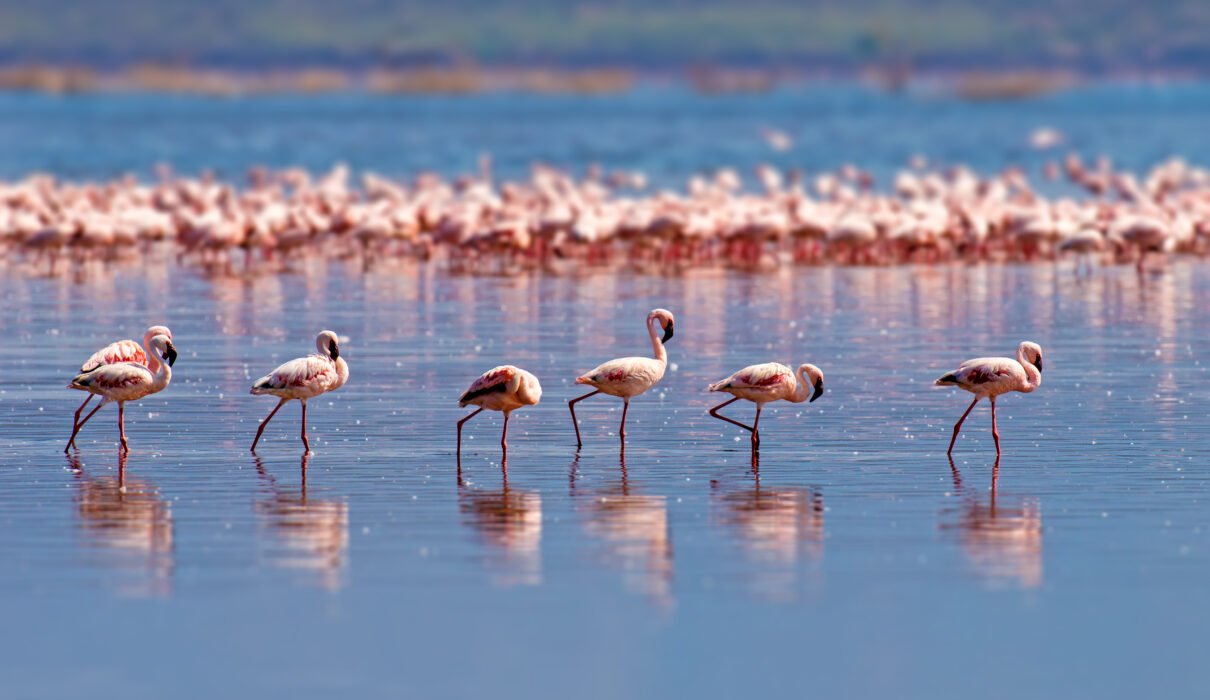
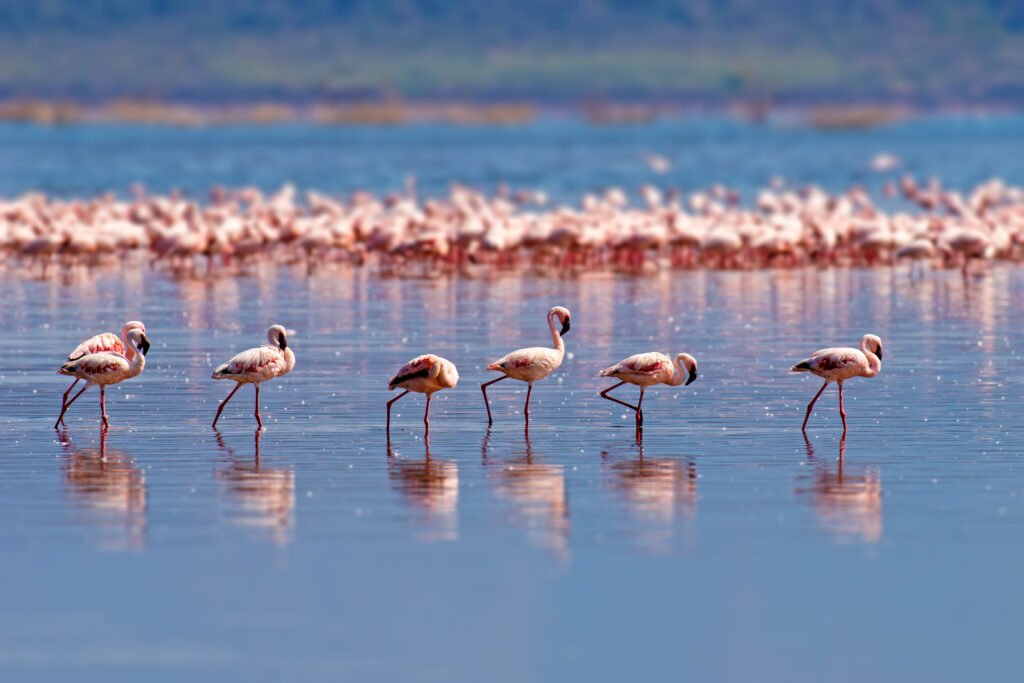
Bird lovers will appreciate that the lake attracts flamingos, pelicans, and over 400 recorded bird species. Data from Audubon Society and RSPB confirm that alkaline lakes like Manyara are crucial feeding grounds for migratory birds. This Lake Manyara National Park Safari Guide would not be complete without emphasizing the spectacular birdlife that colors the shoreline.
Landscape and Scenic Beauty
The dramatic Great Rift Valley escarpment forms a stunning backdrop to the park. Geological research published by institutions such as USGS explains how tectonic movements shaped this remarkable landscape. The lush groundwater forest at the park entrance feels almost tropical, fed by underground springs flowing from the highlands.
As you move deeper into the park, open plains and hot springs appear, creating a contrast that feels cinematic. Photographers often find inspiration here, and conservation imagery supported by Conservation International showcases how diverse ecosystems can exist in one compact area. This Lake Manyara National Park Safari Guide encourages travelers to slow down and truly absorb these scenic transitions.
Best Time to Visit According to Lake Manyara National Park Safari Guide
Lake Manyara can be visited throughout the year, but wildlife viewing is often easier during the dry months when animals gather near water sources. Climate insights from Met Office and global data available via NOAA show that seasonal rainfall patterns influence animal movement across East Africa.
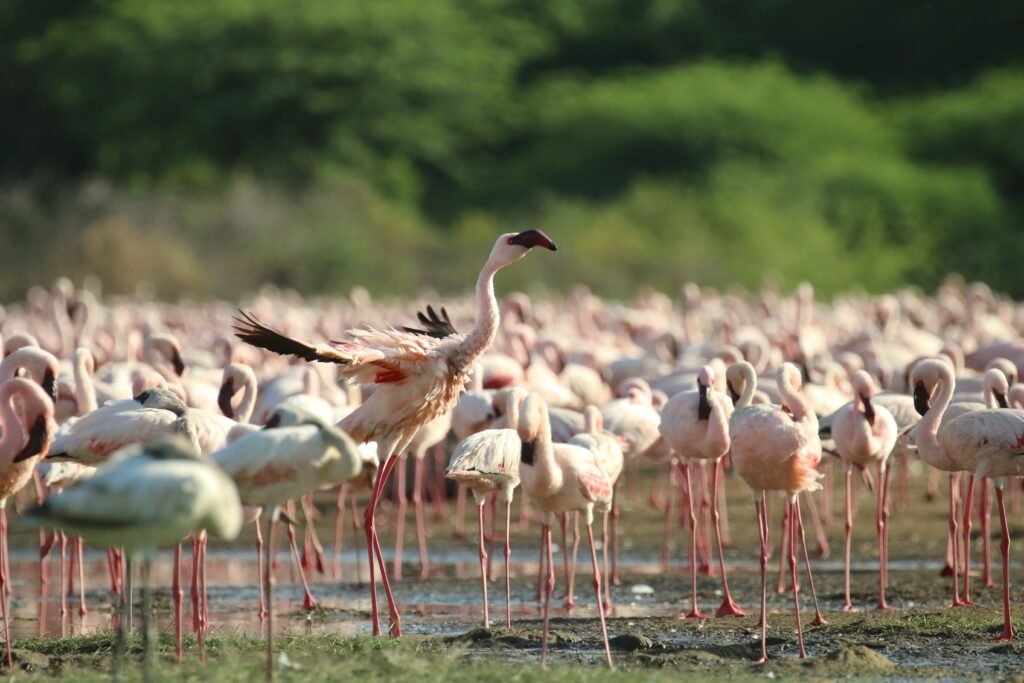
During wetter months, the landscape turns green and vibrant, offering exceptional birdwatching opportunities. Flamingo populations fluctuate depending on water levels and algae growth, a subject studied by researchers at Nature and ScienceDirect. Each season has its own charm, and this Lake Manyara National Park Safari Guide recommends choosing based on your interests—photography, birding, or big game viewing.
Activities to Experience
Game drives remain the main activity, but Lake Manyara also offers guided walking safaris and canoeing when water levels allow. Walking with trained rangers provides a deeper understanding of tracks, plants, and smaller creatures often missed during drives. Conservation safety guidelines promoted by Wildlife Conservation Society highlight the value of responsible tourism practices.
Cultural visits to nearby communities give insight into local traditions and sustainable living. Organizations such as UNESCO support cultural preservation initiatives worldwide, reinforcing the importance of respectful engagement. For those planning multi-day adventures, options listed at https://eddytours-safaris.com/ can seamlessly connect Lake Manyara with Serengeti or Ngorongoro experiences.
Accommodation Options Around the Park
Travelers can choose from luxury lodges perched along the escarpment to comfortable tented camps closer to nature. Sustainable design principles supported by Greenpeace and eco-certification bodies like Rainforest Alliance influence many modern safari properties in Tanzania.
Booking through reputable companies such as Eddy Tours & Safaris ensures reliable service and local expertise. If you are also considering mountain trekking, you can explore Kilimanjaro routes at Kilimanjaro Climb Specialist, which complements northern circuit safaris perfectly.
Conservation Efforts and Environmental Impact
Lake Manyara National Park Safari Guide would be incomplete without addressing conservation. Anti-poaching initiatives and habitat protection efforts are supported by partnerships with IFAW and Fauna & Flora International. These collaborations strengthen wildlife monitoring and community education.
Global awareness campaigns promoted through platforms like UNEP and research shared via Google Scholar help scientists track ecological changes in sensitive habitats. Responsible tourism, when managed properly, supports local economies while protecting biodiversity.
How to Get There
Lake Manyara is accessible by road from Arusha, making it one of the easiest parks to reach in northern Tanzania. Travelers often begin their journey after researching travel logistics on platforms like google.com or consulting safari specialists such as https://eddytours-safaris.com/. The short distance allows visitors to maximize time inside the park rather than on long transfers.
Safety and Travel Tips
Health and safety are important for any safari. Guidance from World Health Organization and travel health research from CDC recommend standard vaccinations and precautions for East Africa. Always follow ranger instructions and maintain a safe distance from wildlife.
This Lake Manyara National Park Safari Guide also suggests packing light clothing in neutral colors, sunscreen, and binoculars. Respect park rules, avoid littering, and support eco-friendly operators to ensure the park remains pristine for future generations.
Frequently Asked Questions About Lake Manyara National Park Safari Guide
Is Lake Manyara suitable for a short safari?
Yes, its compact size makes it ideal for one or two days, especially for travelers with limited time.
What animals are most famous here?
Tree-climbing lions, elephants, and large flocks of flamingos are the main highlights.
Can I combine this park with others?
Absolutely. Many itineraries link it with Serengeti and Ngorongoro through providers like Eddy Tours & Safaris.
Is birdwatching good year-round?
Yes, but numbers increase when water levels attract migratory species.
Are walking safaris safe?
When guided by trained rangers, walking safaris are carefully managed and secure.
Do I need a guide?
Hiring an experienced guide enhances wildlife sightings and deepens understanding of the ecosystem.
Final Thoughts
Lake Manyara National Park Safari Guide shows that extraordinary experiences do not always require vast distances. Within a compact and scenic setting, visitors encounter lions in trees, elephants in forests, and flamingos painting the lake pink. With strong conservation backing and easy accessibility, this park stands as a powerful reminder that nature’s beauty thrives when protected and respected. Plan wisely, travel responsibly, and allow Lake Manyara to surprise you in the best possible way.