
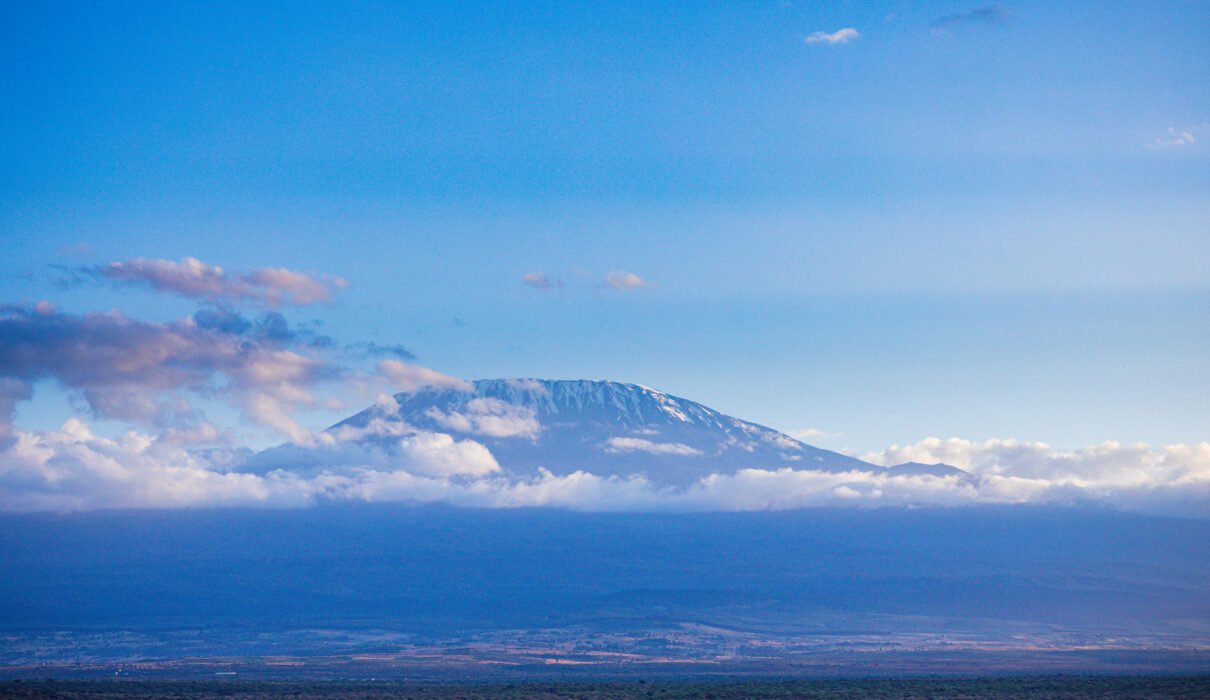
Kilimanjaro vs Everest Base Camp Trek is one of the most searched comparisons among adventure lovers planning a life-changing mountain journey. Both treks are iconic, breathtaking, and deeply rewarding, yet they offer very different experiences in terms of landscape, culture, difficulty, and overall challenge. If you are unsure which adventure fits your goals, fitness level, and expectations, this complete guide will help you make a confident decision.
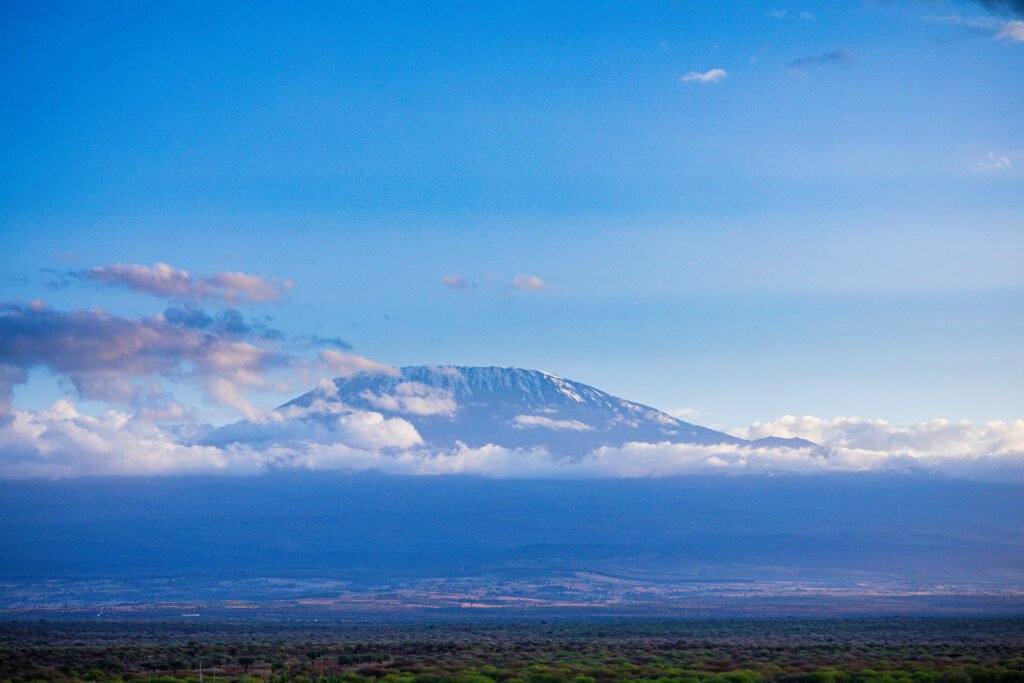
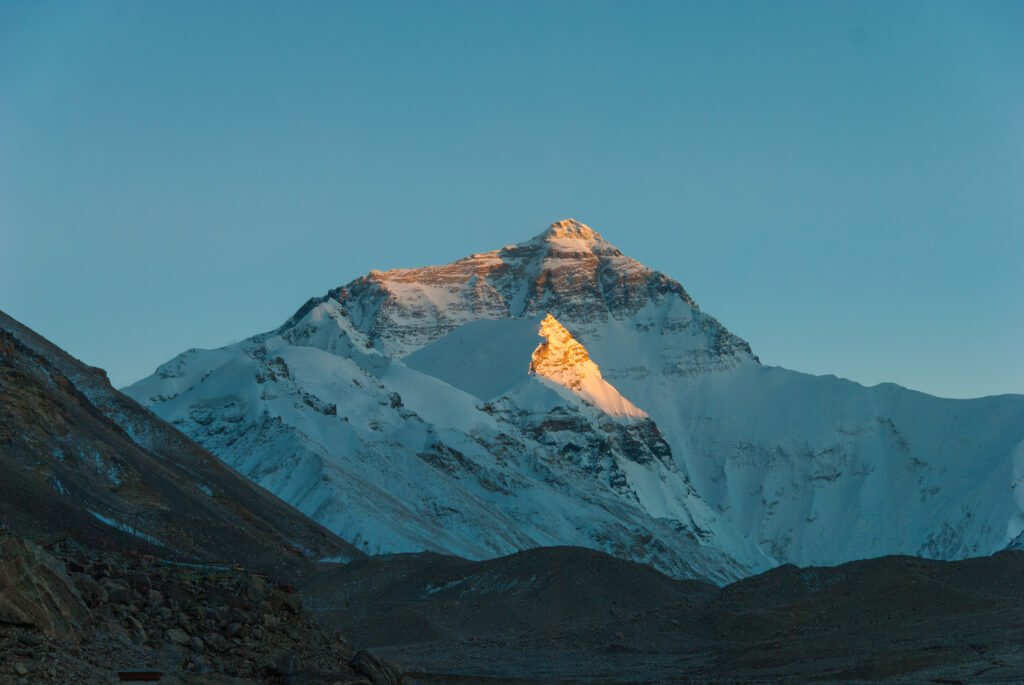
Mount Kilimanjaro rises alone above the African plains, while Everest Base Camp lies in the heart of the Himalayas surrounded by towering giants. One is a summit climb to Africa’s highest peak, and the other is a high-altitude trek to the foot of the world’s tallest mountain. Understanding the real differences between these two legendary journeys is the key to choosing wisely.
Kilimanjaro vs Everest Base Camp Trek: Overview and Core Differences
The biggest distinction in the Kilimanjaro vs Everest Base Camp Trek comparison lies in the objective. On Kilimanjaro, you aim to stand on the summit of Mount Kilimanjaro, recognized by UNESCO as a World Heritage Site. On the Everest Base Camp journey, you trek to the base of Mount Everest, but you do not summit it.
Kilimanjaro stands at 5,895 meters above sea level and is the highest free-standing mountain in the world. Everest Base Camp sits at approximately 5,364 meters, though the trek involves continuous ups and downs across rugged Himalayan terrain. The altitude is comparable, but the structure of the experience is completely different.
Another essential difference is logistics. Climbing Kilimanjaro requires no technical mountaineering skills, and routes are clearly established within Tanzania National Parks Authority regulations. In contrast, the Everest Base Camp route passes through Sagarmatha National Park, managed under UNESCO guidelines and overseen by the National Trust for Nature Conservation in Nepal.
If you want a guided and fully supported Kilimanjaro climb, you can explore options through Eddy Tours & Safaris, where professional teams handle permits, logistics, and safety protocols.
Difficulty and Physical Challenge
When analyzing Kilimanjaro vs Everest Base Camp Trek from a difficulty perspective, both demand strong physical preparation but in different ways. Kilimanjaro is shorter in duration yet involves a steep summit push during the final ascent. The altitude gain is rapid, and summit night can feel intense due to cold temperatures and thin air.
Everest Base Camp is longer, often taking nearly two weeks, with multiple acclimatization days. The terrain is more uneven, involving suspension bridges, rocky trails, and extended daily walking hours. Research from the Centers for Disease Control and Prevention and altitude studies by the International Climbing and Mountaineering Federation emphasize gradual acclimatization to reduce risks of altitude sickness.
Altitude sickness awareness is critical in both cases. Reliable information can be found through the World Health Organization and National Institutes of Health, which explain the effects of high elevation on the human body.
Scenery and Natural Environment
The landscapes in the Kilimanjaro vs Everest Base Camp Trek comparison are dramatically different. Kilimanjaro takes you through five climate zones, from rainforest and heath to alpine desert and arctic summit. Wildlife such as colobus monkeys and unique plant species are protected under conservation programs supported by organizations like IUCN and World Wildlife Fund.
Everest Base Camp, on the other hand, offers Himalayan valleys, glaciers, and dramatic views of peaks like Lhotse and Ama Dablam. The region’s biodiversity is monitored by the International Centre for Integrated Mountain Development and supported by environmental initiatives from United Nations Environment Programme.
If you love diverse ecosystems within a single climb, Kilimanjaro stands out. If you prefer vast Himalayan panoramas and deep valleys, Everest Base Camp may feel more majestic.
Cultural Experience
Cultural immersion is another major factor in the Kilimanjaro vs Everest Base Camp Trek decision. On Kilimanjaro, you interact primarily with your climbing team and local Chagga communities. Cultural insights focus on Tanzanian traditions and Swahili hospitality.
In Nepal, the Everest region is home to the Sherpa people, whose mountaineering heritage is globally respected. You pass Buddhist monasteries and prayer flags, experiencing a deep spiritual atmosphere. Cultural preservation efforts are supported by organizations such as UNESCO and Association for Asian Studies.
Cost Comparison
Kilimanjaro climbs are generally more all-inclusive because park regulations require registered operators, licensed guides, and support crews. Prices reflect permits, park fees, meals, camping equipment, and staff wages regulated under Tanzanian law. For reliable operators, see Eddy Tours & Safaris.
Everest Base Camp trekking costs vary widely. Expenses include flights to Lukla, tea house accommodation, permits, and guide services. Independent trekkers may spend less upfront but should still follow safety guidance from the Alpine Club and recommendations from National Geographic.
Safety and Risk Factors
Both journeys carry altitude-related risks. Medical guidelines from Mayo Clinic highlight symptoms such as headaches, nausea, and fatigue at high elevation. Weather conditions can change rapidly in both regions, requiring proper gear and insurance.
Kilimanjaro has structured evacuation systems within the national park. Everest Base Camp relies more on helicopter rescue services when emergencies occur. Research from Encyclopaedia Britannica explains how Himalayan weather patterns can shift suddenly, making preparation essential.
Training and Preparation
Preparing for either adventure requires cardiovascular fitness, strength training, and mental resilience. Fitness guidance from American Heart Association and hiking conditioning tips from REI Expert Advice are helpful resources.
If you are considering Tanzania after your trek, explore safari extensions with Eddy Tours & Safaris. For those interested in specialized Kilimanjaro guidance, see Kilimanjaro Climb Specialist for route comparisons.
Environmental Responsibility
Sustainable trekking practices are increasingly important in both destinations. Waste management initiatives on Kilimanjaro are supported by park authorities and conservation partners like Conservation International. In Nepal, climate monitoring research is conducted by institutions including NASA and NASA Climate.
Responsible tourism ensures these iconic mountains remain accessible for future generations.
FAQs About Kilimanjaro vs Everest Base Camp Trek
Which trek is harder, Kilimanjaro or Everest Base Camp?
Kilimanjaro has a tougher summit night, while Everest Base Camp is longer and more gradual. Both require serious preparation.
Do I need technical climbing skills?
No technical mountaineering skills are required for either trek, though good fitness is essential.
Which is more expensive?
Kilimanjaro is often more structured and slightly higher in upfront cost, while Everest Base Camp expenses vary based on services chosen.
Is altitude sickness common?
Altitude sickness can occur on both treks, which is why acclimatization and hydration are critical.
Which trek offers better scenery?
This depends on preference. Kilimanjaro offers ecological diversity, while Everest Base Camp provides dramatic Himalayan views.
Can I combine Kilimanjaro with a safari?
Yes, many travelers combine their climb with wildlife safaris arranged through Eddy Tours & Safaris.
Final Verdict: Kilimanjaro vs Everest Base Camp Trek
Choosing between Kilimanjaro vs Everest Base Camp Trek depends on your personal goal. If you dream of standing on a continental summit and experiencing Africa’s highest peak, Kilimanjaro is unmatched. If you want to walk in the shadow of the world’s tallest mountain and immerse yourself in Sherpa culture, Everest Base Camp delivers a powerful Himalayan adventure.
Both journeys are transformative, physically demanding, and deeply inspiring. With proper preparation, responsible operators, and realistic expectations, either choice can become the adventure of a lifetime.