
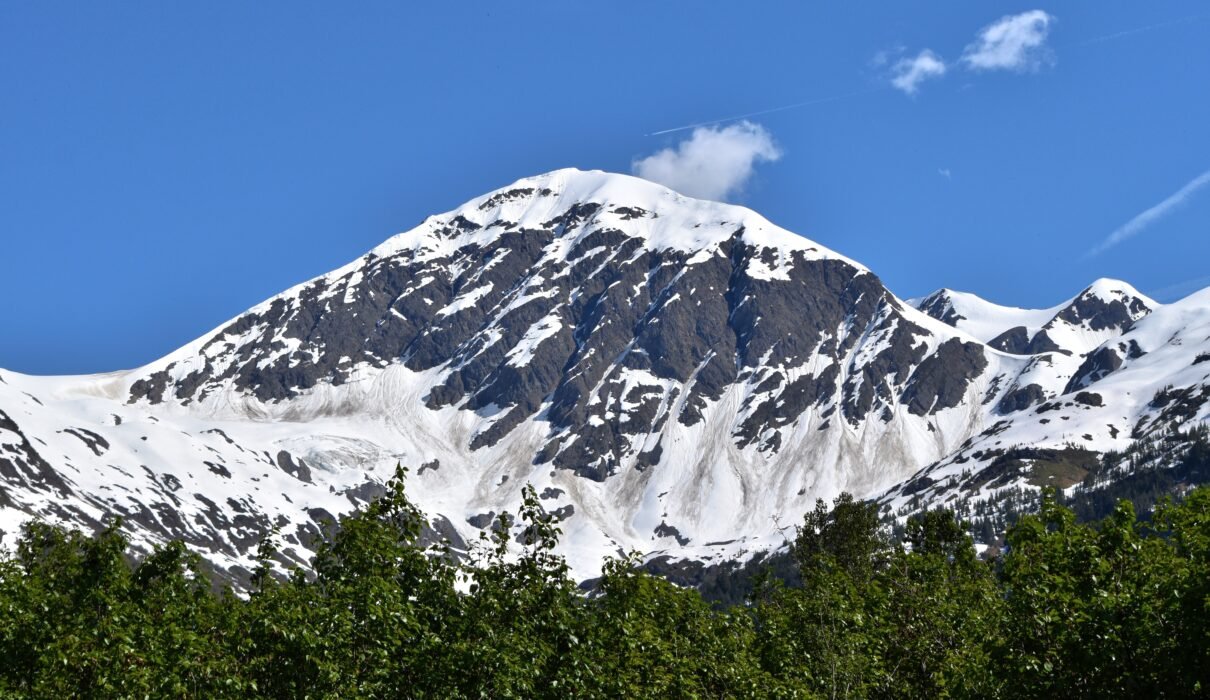
Highest Mountains in the United States attract climbers, nature lovers, scientists, and explorers from around the world who want to witness extreme landscapes, rare wildlife, and dramatic alpine beauty. These towering giants are more than just elevations on a map; they are symbols of wilderness, resilience, and raw natural power. From the icy summits of Alaska to the granite peaks of California, each mountain tells a story of geological forces and human determination.
The United States is home to some of the tallest and most awe-inspiring mountains in North America. Many of these peaks are located in Alaska’s rugged wilderness, while others rise proudly in the Rocky Mountains and Sierra Nevada ranges. In this guide, we explore their heights, ecosystems, climbing challenges, and conservation importance.
Why the Highest Mountains in the United States Matter
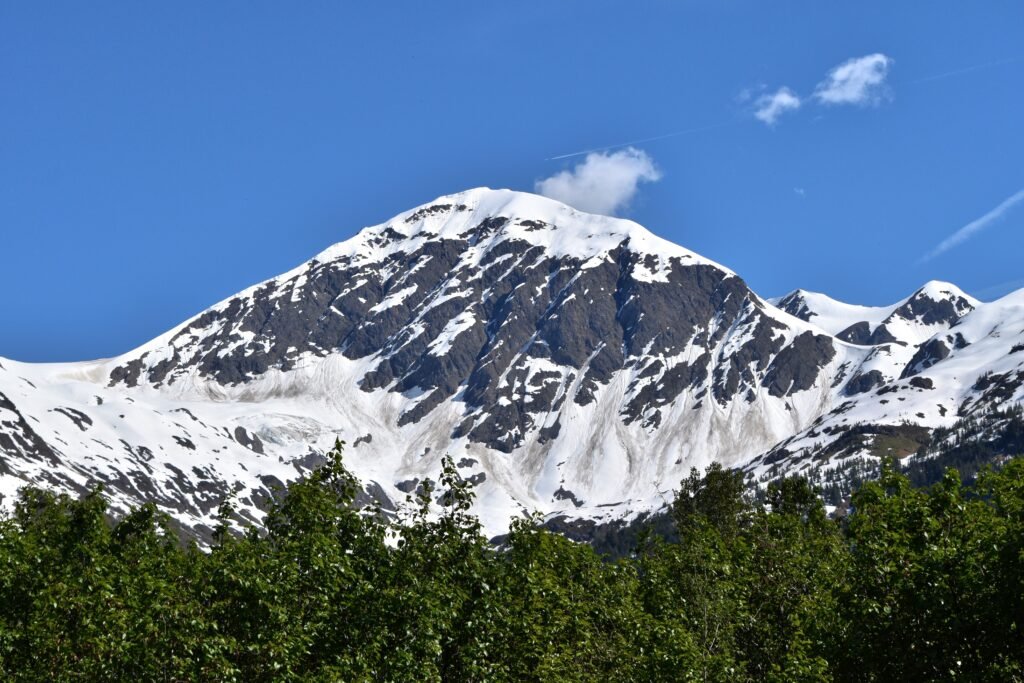
The Highest Mountains in the United States are not just impressive because of their elevation. They shape weather patterns, feed rivers, support fragile ecosystems, and serve as cultural landmarks. According to research from USGS, mountain ranges influence water systems that supply millions of people. Snowpack from these peaks provides critical freshwater resources across multiple states.
Organizations such as National Geographic Society, World Wildlife Fund, and International Union for Conservation of Nature emphasize the importance of protecting alpine environments. These high-altitude habitats are home to rare species adapted to extreme cold, thin air, and limited vegetation.
Climate research conducted by NASA Climate and NOAA shows that glaciers on some of these mountains are shrinking. That makes conservation efforts even more urgent.
Denali: The Tallest Peak in America
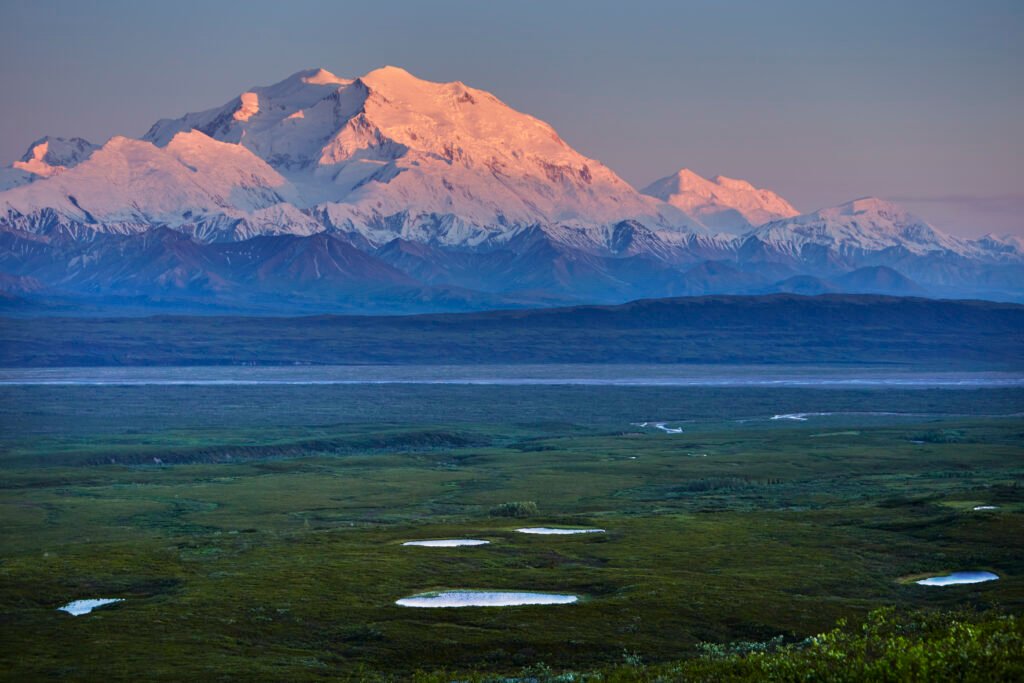
Denali stands as the undisputed crown jewel among the Highest Mountains in the United States. Rising dramatically from Alaska’s wilderness, it is the tallest mountain in North America. Located inside Denali National Park, this peak challenges even experienced climbers due to its extreme weather and high elevation gain.
Scientific data from National Park Service shows that Denali’s vertical rise from base to summit is greater than Mount Everest’s from base camp to summit. Wildlife in the region includes grizzly bears, caribou, and Dall sheep. Conservation efforts are supported by institutions like Smithsonian Institution and The Nature Conservancy.
Mount Saint Elias and Mount Foraker
Mount Saint Elias and Mount Foraker rank among the next tallest peaks. These mountains sit in remote Alaskan terrain near protected wilderness areas. Research from US Forest Service highlights the biodiversity of these high alpine zones.
Glaciology studies from National Snow and Ice Data Center reveal how glaciers on these peaks influence sea levels and regional climate patterns.
California’s Towering Giants
While Alaska dominates the list, California proudly hosts Mount Whitney, the tallest mountain in the contiguous United States. The Sierra Nevada range provides breathtaking views and challenging hiking routes.
Environmental protection efforts are guided by organizations such as Environmental Protection Agency and Conservation International. Alpine plant species found here are studied by botanists from Royal Botanic Gardens Kew.
Colorado’s High Rockies
Colorado is famous for its “Fourteeners,” peaks rising above fourteen thousand feet. Mount Elbert leads the state as its highest summit. These mountains attract hikers from across the globe and play a key role in regional water supply.
Scientific monitoring by University of Colorado Boulder and National Science Foundation supports sustainable recreation practices. Responsible climbing ensures that fragile tundra ecosystems remain protected.
Wildlife and Biodiversity in High Altitudes
The Highest Mountains in the United States host unique wildlife specially adapted to thin oxygen levels and harsh climates. Species such as mountain goats, pika, and golden eagles thrive in these conditions. Research from Center for Biological Diversity explains how warming temperatures threaten alpine species.
Global conservation bodies like United Nations Environment Programme and WWF Climate Initiative encourage sustainable travel and reduced carbon impact in mountain regions.
Climbing and Adventure Opportunities
Adventure tourism around the Highest Mountains in the United States continues to grow. Climbers train extensively before attempting major ascents. Safety guidelines from American Alpine Club provide essential mountaineering knowledge.
For those preparing for extreme altitude adventures worldwide, resources from Kilimanjaro Climb Specialist offer valuable preparation insights.
If you are inspired by mountain exploration beyond the United States, you can also explore guided African safaris through Eddy Tours & Safaris, discover wildlife adventures at Eddy Tours Tanzania, plan nature expeditions with Eddy Tours Packages, learn about conservation travel at Eddy Tours Safari Blog, or customize your experience via Eddy Tours Travel Experts.
Environmental Challenges Facing High Peaks
Mountain environments face threats from climate change, over-tourism, and pollution. Studies from Intergovernmental Panel on Climate Change confirm that high-altitude ecosystems are warming faster than global averages.
Conservation strategies involve collaboration between government agencies, universities, and NGOs. Public awareness campaigns led by Greenpeace and Natural Resources Defense Council promote responsible outdoor practices.
Frequently Asked Questions
What is the tallest mountain in the United States?
Denali is the tallest mountain in the United States and North America.
Where are most of the Highest Mountains in the United States located?
Most of the highest peaks are located in Alaska, with others found in California and Colorado.
Can beginners climb these mountains?
Some peaks like Mount Whitney are accessible to experienced hikers, but others require advanced mountaineering skills.
Why are these mountains important for water supply?
Snowpack from high elevations feeds rivers that provide freshwater to millions of people.
Are glaciers in the United States shrinking?
Yes, scientific research shows glacier retreat due to rising global temperatures.
How can travelers help protect mountain ecosystems?
Visitors can follow Leave No Trace principles, reduce waste, and support conservation programs.
Conclusion
The Highest Mountains in the United States stand as powerful reminders of nature’s strength and beauty. From Alaska’s icy summits to California’s granite peaks and Colorado’s towering Rockies, these mountains shape ecosystems, inspire climbers, and support life far beyond their slopes. Protecting them ensures that future generations can continue to explore, study, and admire these extraordinary landscapes.