
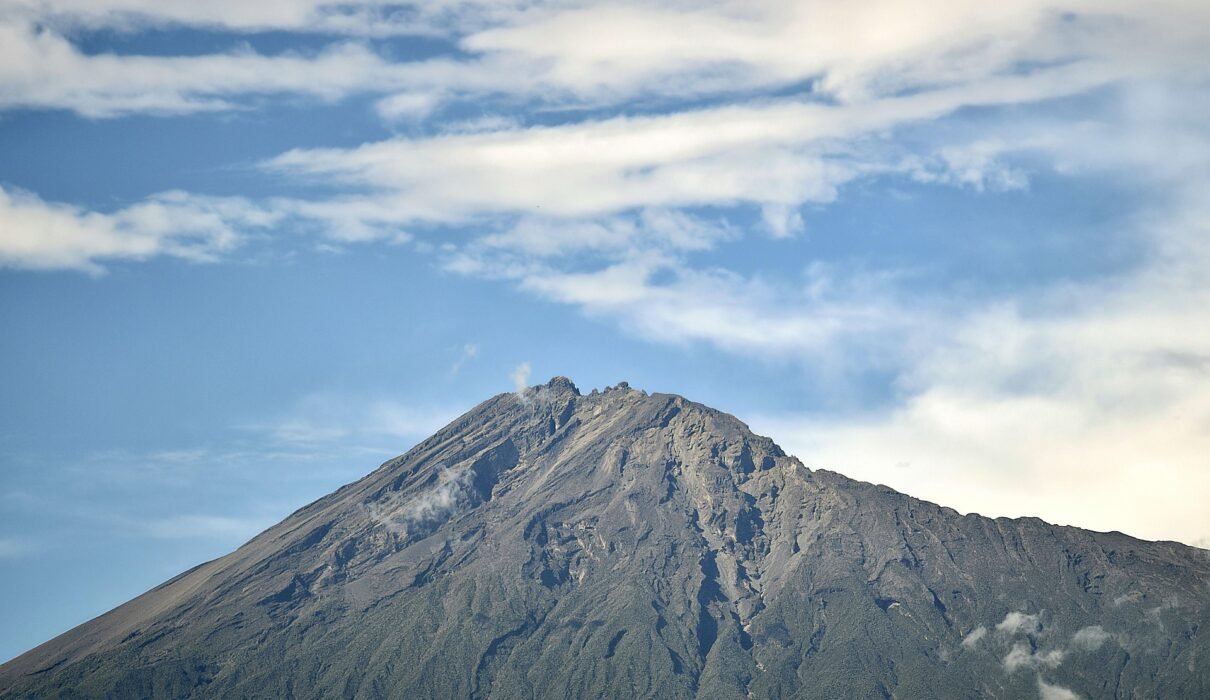
Mount Meru Climb Report reveals one of Tanzania’s most underestimated high-altitude adventures, offering raw beauty, dramatic wildlife encounters, and a steady acclimatization profile that smart trekkers deeply appreciate. Rising within Arusha National Park, Mount Meru stands as a striking volcanic cone often overshadowed by its famous neighbor, yet those who attempt it quickly realize the climb delivers a rich mix of challenge, scenery, and personal triumph. This detailed narrative captures terrain conditions, altitude experience, safety standards, conservation awareness, and practical planning guidance for anyone considering this remarkable ascent.
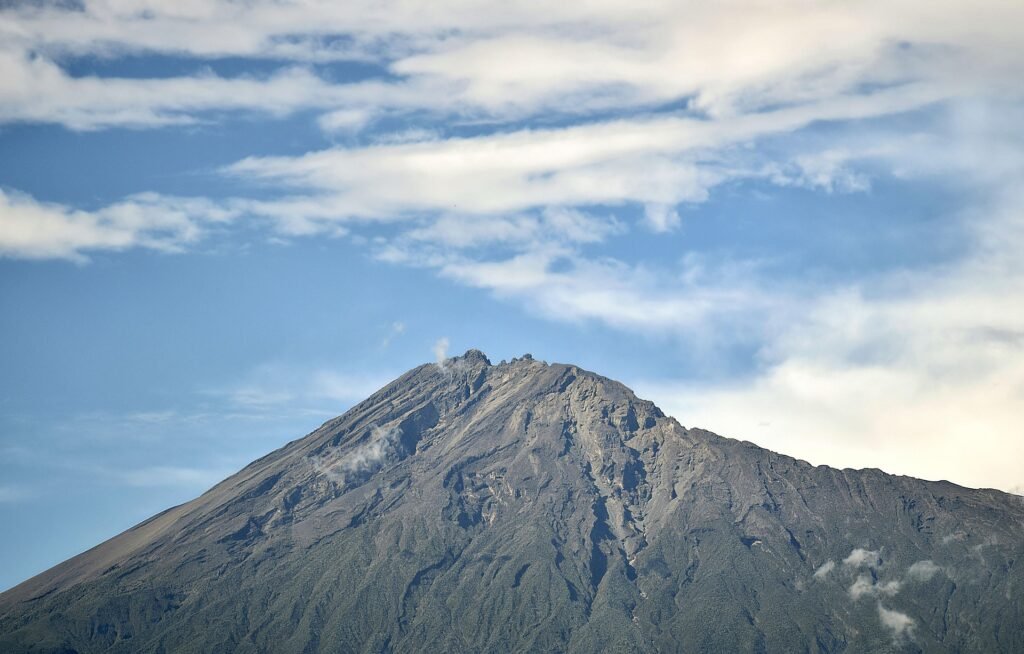
Why This Mount Meru Climb Report Matters
This Mount Meru Climb Report provides a realistic account of the trail, combining firsthand trekking observations with insights supported by institutions such as National Geographic, Encyclopaedia Britannica, and volcanic research from the Smithsonian Global Volcanism Program. Unlike brief travel summaries, this guide explores altitude gain, ecosystem transitions, ranger presence, and geological history with clarity. Mount Meru’s volcanic formation is supported by data from USGS and satellite imagery from NASA, reinforcing the mountain’s scientific importance. Climbers who read this report gain not only inspiration but also confidence grounded in reliable information.
Route Overview in this Mount Meru Climb Report
According to the Mount Meru Climb Report, the ascent typically begins at Momella Gate inside Arusha National Park, a protected area managed under regulations aligned with the Tanzania National Parks Authority and conservation frameworks supported by IUCN. The first section winds through open grassland where giraffes, buffalo, and antelope roam freely. Scientific conservation data from the African Wildlife Foundation and African Conservation Foundation highlight the ecological importance of these habitats. Trekkers steadily climb into montane forest, where fig trees tower overhead and colobus monkeys leap between branches.
The second stage reaches Saddle Hut, offering dramatic views of Mount Kilimanjaro across the horizon. Geological analysis published on Nature and Science.org explains the volcanic alignment between these East African giants. The summit push follows a narrow crater rim, demanding focus and controlled pacing. Weather monitoring systems referenced by NOAA indicate early morning conditions often provide the clearest visibility and safest wind levels.
Wildlife Observations from the Mount Meru Climb Report
The Mount Meru Climb Report documents an extraordinary wildlife corridor rarely experienced on high-altitude treks. Rangers escort climbers through lower zones due to the presence of large mammals, ensuring both safety and environmental protection. Biodiversity research from UNEP and agricultural ecosystem studies by FAO show how protected landscapes like this maintain ecological balance. Unlike many mountain climbs that begin in barren terrain, Mount Meru’s forest belt feels alive, vibrant, and deeply connected to broader African conservation efforts recognized by UNESCO.
Altitude and Physical Challenge Explained in the Mount Meru Climb Report
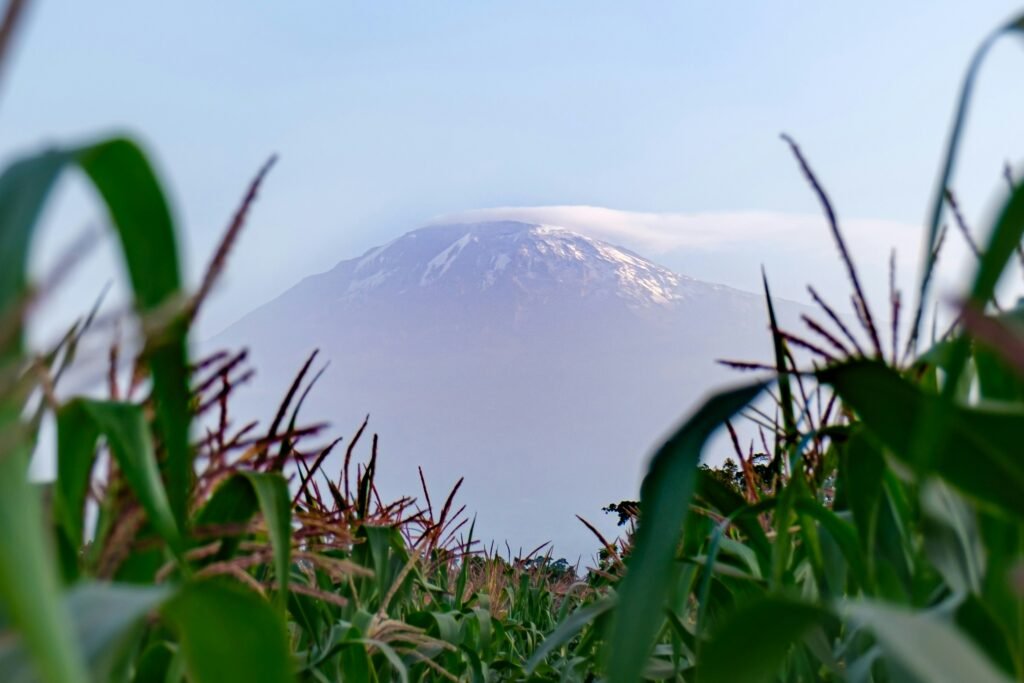
The Mount Meru Climb Report explains that while the peak is lower than Kilimanjaro, altitude gain remains significant and should not be underestimated. Health organizations such as World Health Organization and CDC emphasize gradual ascent and hydration to reduce altitude-related discomfort. Trekkers move slowly, allowing the body to adapt naturally, and guides monitor oxygen response carefully. Academic altitude studies from University of Oxford and University of Cambridge support the importance of steady pacing, rest, and responsible trekking practices.
Summit night requires mental strength as well as physical endurance. Climbers follow a narrow ridge under ranger supervision, navigating volcanic ash and rock formations shaped by ancient eruptions described by World Bank environmental reports and global sustainability frameworks. The effort, however, rewards adventurers with a sunrise that illuminates both the Meru crater and distant plains in breathtaking color.
Safety Insights from the Mount Meru Climb Report
The Mount Meru Climb Report highlights the mandatory armed ranger escort during early stages, a feature unique compared to many global trekking destinations. Emergency preparedness aligns with humanitarian standards from the International Federation of Red Cross. Guides carry communication devices, and group movement remains controlled throughout. For updated logistical details and regional coordination, climbers often check resources like Google for mapping orientation and connect with mountain specialists such as Kilimanjaro Climb Specialist for broader high-altitude comparisons.
As outlined in the Mount Meru Climb Report, preparation significantly reduces risk. Proper layering, hydration systems, and tested hiking boots are not optional luxuries but essential tools. Responsible trekking companies prioritize safety briefings, medical checks, and ethical porter treatment, ensuring every expedition respects both human and environmental standards.
Conservation and Environmental Responsibility
Findings in the Mount Meru Climb Report show that strict park regulations protect fragile ecosystems from overuse. Waste management policies reflect international sustainability principles, and climbers are encouraged to leave no trace. Scientific climate monitoring referenced by global research bodies continues to observe environmental shifts affecting African mountain ecosystems. Responsible tourism partnerships help protect biodiversity while supporting local employment and education.
Logistics, Permits, and Planning Guidance
Based on the Mount Meru Climb Report, permits are issued through official park channels, and climbers must be accompanied by certified guides. Accommodation includes mountain huts rather than tents, offering structured rest stops. Travelers planning the climb can explore safari combinations through Eddy Tours & Safaris, or review extended trekking options at Mount Meru Climb packages. Those combining Meru with Kilimanjaro preparation may consult Kilimanjaro climbing programs for acclimatization strategy.
Transportation from Arusha town is straightforward, and climbers often add wildlife experiences within Tanzania safari itineraries. Personalized support and booking coordination are available through direct consultation services, ensuring documentation, park fees, and equipment arrangements are professionally handled.
Gear and Equipment Recommendations
The Mount Meru Climb Report stresses durable waterproof boots, layered thermal clothing, trekking poles, and reliable headlamps for summit night. Weather can shift rapidly, and temperatures drop significantly before dawn. High-quality backpacks and rain protection improve comfort, while personal medical kits provide reassurance. Preparation builds confidence, and confidence transforms the climb into a memorable personal milestone rather than a stressful test.
Overall Experience and Final Reflection
Overall, the Mount Meru Climb Report stands as a powerful testimony to the mountain’s beauty, complexity, and underrated status among African trekking destinations. The combination of wildlife, volcanic geology, crater rim exposure, and panoramic summit views creates a layered adventure that feels authentic and deeply rewarding. After reading this Mount Meru Climb Report, many trekkers recognize that Mount Meru is not simply a warm-up climb but a destination worthy of independent recognition. Those seeking a balanced challenge with strong safety oversight and remarkable scenery will find Mount Meru delivers far more than expected.