
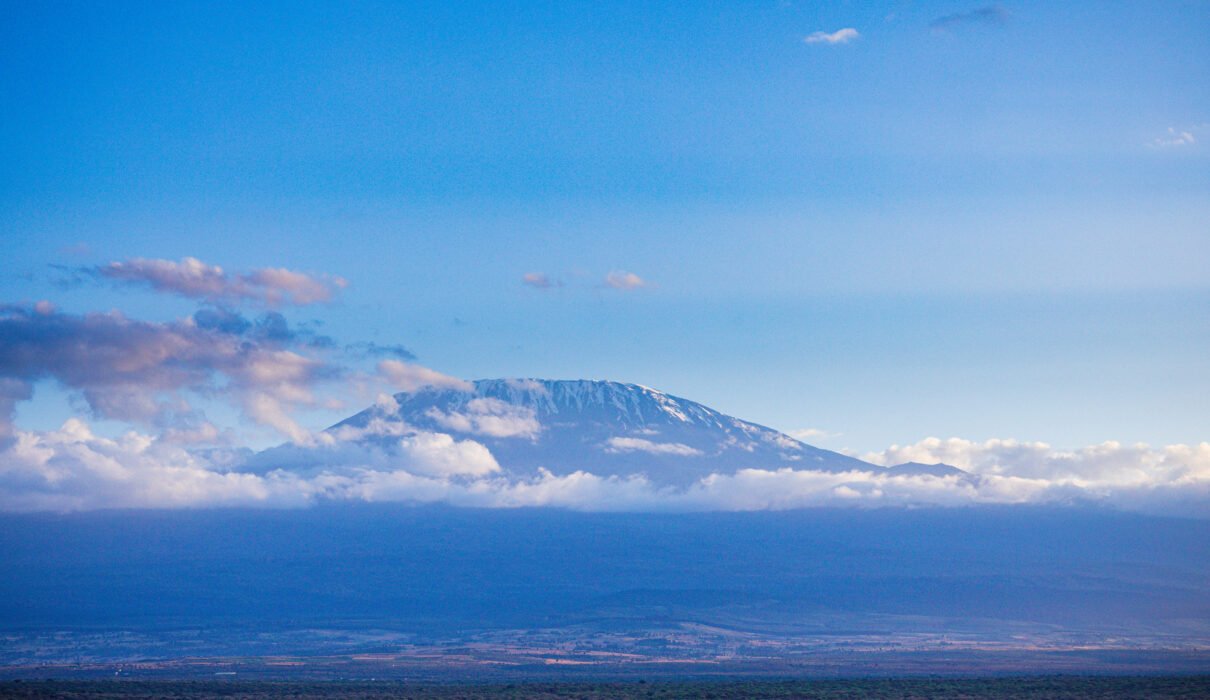
The Seven Summits Explained is more than just a climbing topic; it is a story of courage, endurance, and global exploration. When people hear about the highest mountain on Earth, they often think only of Everest, but there is a far greater challenge that spans every continent. This elite mountaineering goal involves standing on the tallest peak of each continent, pushing the human spirit to its limits while exploring diverse cultures, climates, and ecosystems across the globe.
From the icy landscapes of Antarctica to the volcanic slopes of Africa, this journey connects geography, science, and adventure in one remarkable quest. According to research shared by National Geographic and educational resources like Encyclopaedia Britannica, these peaks represent both natural wonders and significant scientific landmarks. Understanding them requires looking beyond height alone and exploring their cultural, environmental, and physical impact.
The Seven Summits Explained and Why They Matter
When discussing The Seven Summits Explained, we refer to the highest mountains on each of the seven continents. These peaks include Mount Everest in Asia, Aconcagua in South America, Denali in North America, Mount Kilimanjaro in Africa, Mount Elbrus in Europe, Vinson Massif in Antarctica, and either Puncak Jaya or Mount Kosciuszko for Australia and Oceania depending on the definition used. Geological data from the U.S. Geological Survey confirms their elevations and tectonic origins, while climate studies from NOAA explain the extreme weather systems surrounding them.
These mountains are not just tall; they represent distinct geological histories shaped by plate tectonics, volcanic activity, and glaciation. Information published by NASA shows how satellite imaging helps scientists track glacial melt and climate patterns on Everest and Kilimanjaro. Conservation organizations such as IUCN and UNEP emphasize the importance of protecting these fragile ecosystems as climbing popularity increases.
Mount Everest – Asia’s Giant
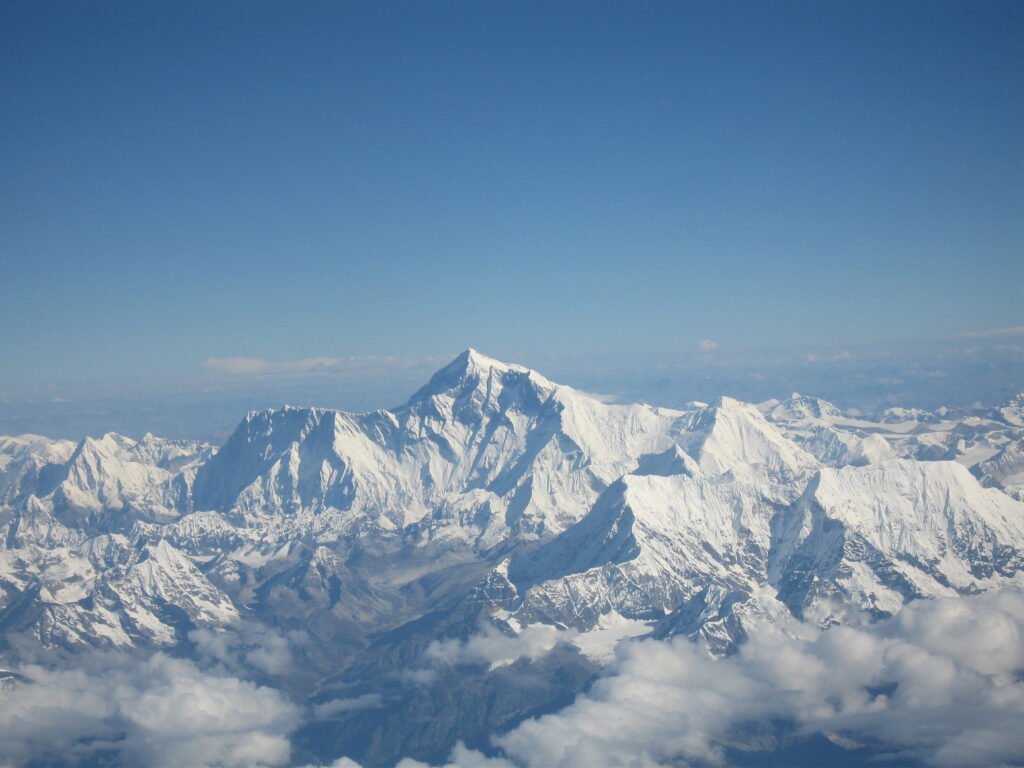
Mount Everest stands as the highest peak on Earth and is widely studied by institutions like National Geographic Environment. Its extreme altitude affects oxygen levels, human physiology, and weather systems, topics also explored by WHO when discussing altitude sickness. Everest is part of the Himalayan range formed by the collision of the Indian and Eurasian plates, a process documented by USGS Earthquake Hazards Program.
Aconcagua – South America’s Stone Sentinel
Aconcagua, located in the Andes, is the tallest mountain outside Asia. Studies from ScienceDirect show how Andean geology reveals volcanic and tectonic activity across millions of years. Its dry conditions contrast sharply with Everest’s icy slopes, offering climbers a different yet equally demanding experience.
Denali – North America’s Arctic Challenge
Denali rises dramatically from Alaska’s wilderness and is protected within a national park managed by the National Park Service. Weather research published by NOAA Climate shows how its subarctic conditions create unpredictable storms that test even experienced climbers.
Mount Kilimanjaro – Africa’s Icon
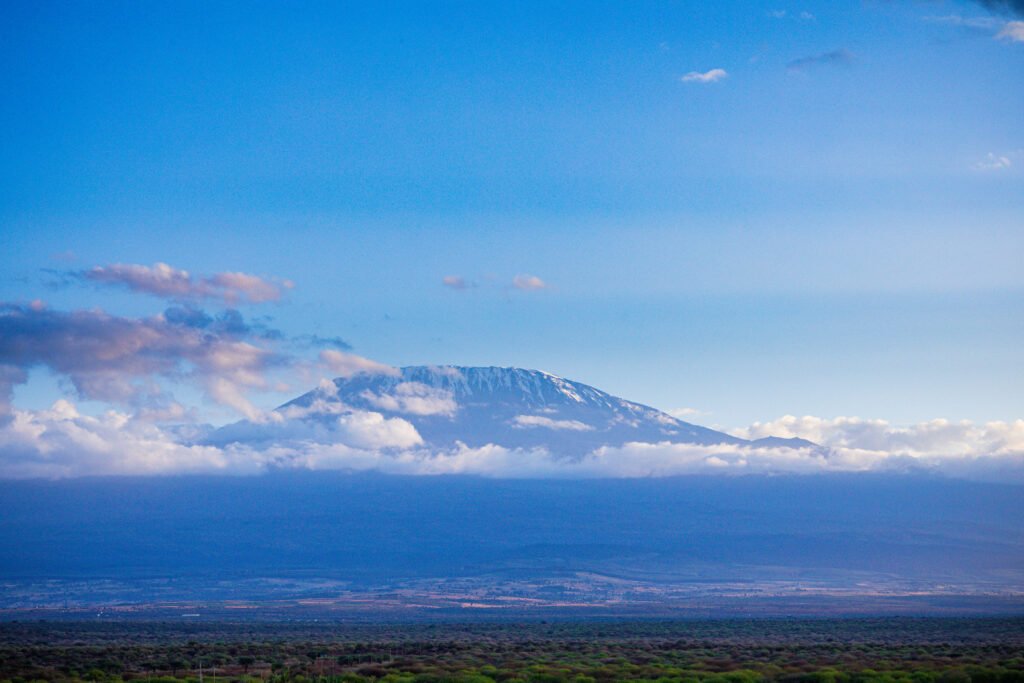
Kilimanjaro is a freestanding volcanic mountain studied by environmental experts at UNESCO due to its ecological zones and biodiversity. The melting glaciers have been analyzed in climate reports by World Bank environmental programs. Many climbers preparing for African expeditions explore resources from Kilimanjaro Climb Specialist for altitude guidance.
Mount Elbrus – Europe’s Volcanic Crown
Mount Elbrus, part of the Caucasus range, is a dormant volcano with deep cultural roots in European history. Geological records available through Nature journals highlight its volcanic structure and glacial systems.
Vinson Massif – Antarctica’s Frozen Summit
Vinson Massif is the least visited but one of the most extreme of the seven. Scientific missions coordinated through National Science Foundation Antarctic programs study ice sheets and climate change in this remote region.
Puncak Jaya or Mount Kosciuszko – Oceania Debate
The final summit depends on geographic interpretation. Puncak Jaya in Indonesia sits within a tectonically active region studied by Britannica Plate Tectonics, while Mount Kosciuszko in Australia offers a less technical climb yet still represents continental high elevation.
Climbing Preparation and Responsible Travel
Understanding The Seven Summits Explained also means recognizing the physical and ethical responsibility involved. High-altitude training programs often reference medical research from CDC regarding altitude sickness and hydration strategies. Climbers must respect environmental guidelines established by groups like WWF to protect fragile ecosystems.
For those seeking African adventures, reputable safari and mountain operators such as Eddy Tours & Safaris provide logistical support that prioritizes safety and sustainability. Their regional expertise complements conservation advice from organizations like FAO, which promotes environmental stewardship across landscapes connected to these peaks.
The Cultural and Environmental Impact
Many communities live in the shadow of these mountains, relying on tourism while preserving traditional heritage. Research from United Nations cultural initiatives highlights how responsible climbing can support local economies without damaging natural resources. Articles from Smithsonian Magazine further explore how indigenous stories and spiritual beliefs are tied closely to these summits.
Climate change remains a pressing concern. Data accessible via NASA Climate shows glacial retreat on several of these peaks, reinforcing the need for sustainable expedition practices. Even simple awareness campaigns shared on platforms like Google Scholar encourage evidence-based understanding of environmental challenges.
Planning Your Own Seven Summits Journey
For adventure seekers inspired by The Seven Summits Explained, careful planning is essential. Physical conditioning, financial preparation, and route research require dedication and patience. Many climbers begin with Kilimanjaro, often arranged through experienced local companies such as Eddy Tours & Safaris Kilimanjaro, before attempting more technical peaks.
Expedition planning also includes understanding visa requirements, insurance policies, and rescue protocols. Reliable tour planners like Eddy Tours & Safaris Tanzania Safaris help combine wildlife experiences with mountain climbs, creating balanced itineraries. Educational insights from CIA World Factbook can also provide geographic and political background for each destination.
Why The Seven Summits Explained Continues to Inspire
The reason The Seven Summits Explained captures global attention is simple: it symbolizes ultimate achievement. It is not just about reaching a high point on a map but about overcoming fear, fatigue, and uncertainty. Climbers often describe the experience as life-changing, combining personal growth with a deep respect for nature.
Organizations like Eddy Tours & Safaris About Us emphasize that preparation and guidance turn dreams into safe realities. Whether someone aims to summit all seven or simply learn about them, this challenge represents the beauty of exploration and the strength of human determination.
In conclusion, The Seven Summits Explained provides insight into geography, climate science, cultural heritage, and human endurance. Each mountain tells its own story shaped by tectonic forces, environmental shifts, and courageous explorers who dare to climb higher. For many, understanding these peaks is the first step toward standing on top of the world.