
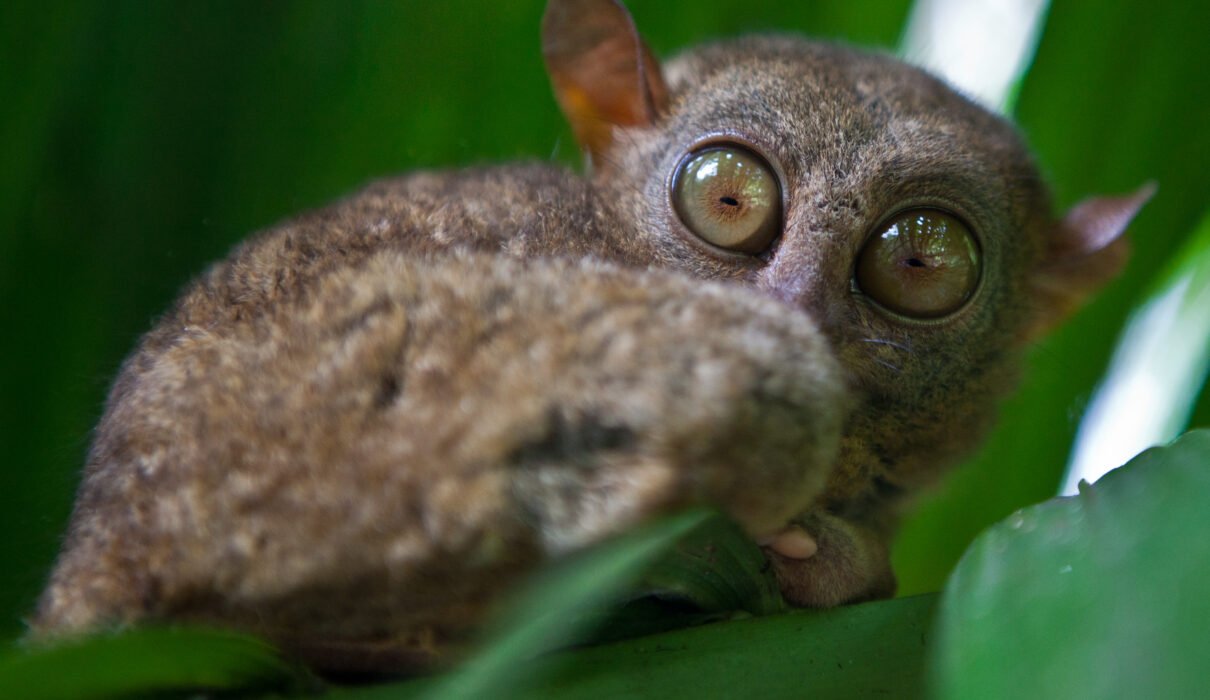
Rare Nocturnal Animals of Tanzania are among the most mysterious and fascinating wildlife species found in East Africa. While most visitors explore the savannah under the bright African sun, Tanzania transforms into a completely different world after sunset. The night reveals shy predators, secretive primates, and unusual mammals that rarely appear during daylight hours. Understanding these creatures adds depth to any safari experience and highlights Tanzania’s rich biodiversity.
Tanzania is globally recognized for iconic wildlife across destinations like the Serengeti and Ngorongoro, yet its nocturnal ecosystem remains less explored. Scientific institutions such as IUCN, World Wildlife Fund, and Conservation International emphasize that many night-active species face habitat pressure and require stronger conservation attention. Through responsible tourism and guided night safaris, travelers can observe these rare animals while supporting wildlife protection initiatives.
Understanding Rare Nocturnal Animals of Tanzania and Their Unique Adaptations
Rare Nocturnal Animals of Tanzania have evolved impressive biological adaptations that allow them to thrive in darkness. Many species possess enlarged eyes for enhanced night vision, acute hearing to detect movement, and heightened senses of smell to track prey or avoid predators. Some rely on stealth and camouflage, while others depend on agility and speed to survive in competitive ecosystems.
Research shared by organizations like National Geographic and Smithsonian Institution shows that nocturnal behavior reduces competition for food and lowers exposure to daytime predators. This survival strategy has allowed certain rare mammals and primates in Tanzania to occupy specialized ecological niches within national parks and protected reserves.
9 Rare Nocturnal Animals of Tanzania You Should Know
1. Aardvark
The aardvark is a shy insect-eating mammal often spotted in protected areas such as those featured by Eddy Tours & Safaris. With powerful claws and a long sticky tongue, it feeds primarily on ants and termites. According to research from Natural History Museum, aardvarks play a crucial ecological role by aerating soil and controlling insect populations.
2. African Civet
This cat-like mammal is known for its distinctive markings and musky scent. It is primarily active at night and feeds on fruits, small vertebrates, and insects. Conservation assessments from Zoological Society of London highlight the importance of maintaining woodland habitats for civet survival.
3. Bush Baby (Galago)
Bush babies are small primates with large reflective eyes and remarkable jumping abilities. They are commonly found in woodland areas and acacia forests. Studies by Primate Specialist Group explain how their vocal communication helps them navigate and maintain territory in darkness.
4. Pangolin
Pangolins are among the most trafficked mammals globally, according to TRAFFIC Wildlife Trade Monitoring Network. These scale-covered animals feed on ants and termites and are rarely seen due to their solitary nature.
5. African Wildcat
The African wildcat is believed to be the ancestor of domestic cats. It hunts rodents and birds at night across open plains and bushland ecosystems documented by Panthera.
6. Honey Badger
Fearless and intelligent, the honey badger is known for its resilience. Reports from African Wildlife Foundation describe its strong survival instincts and ability to defend itself against larger predators.
7. Bat-Eared Fox
This fox uses its oversized ears to detect underground insects. Scientific studies from Encyclopaedia Britannica explain how its hearing allows precise detection of termites beneath the soil.
8. Serval
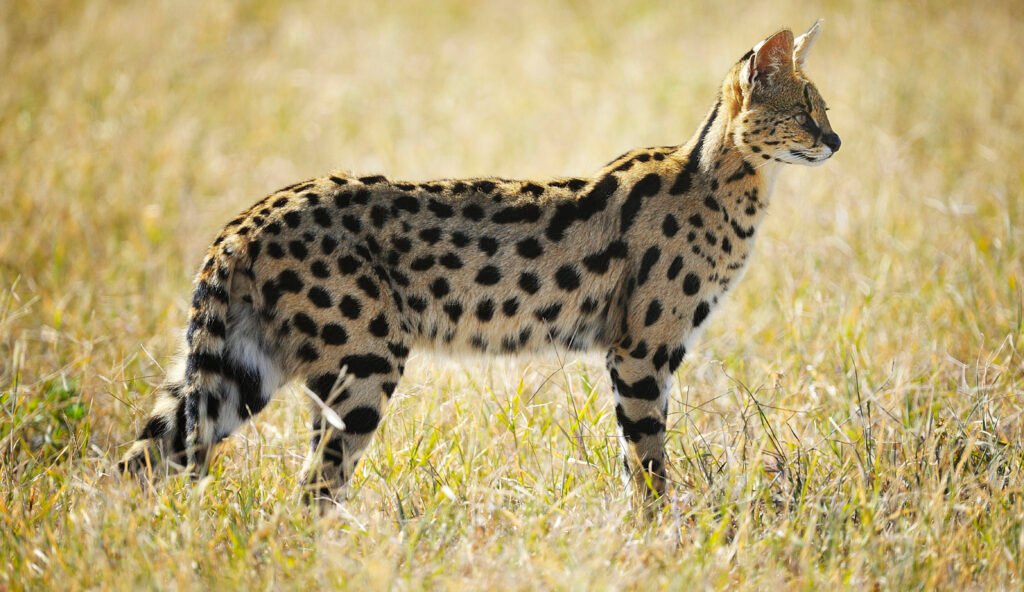
The serval is a slender wild cat with long legs that hunts rodents in tall grass. Habitat preservation efforts led by Wildlife Conservation Society support serval populations across East Africa.
9. Porcupine
African porcupines are large rodents equipped with sharp quills for defense. Ecological reports from Food and Agriculture Organization note their importance in seed dispersal and vegetation balance.
Where to Experience Rare Nocturnal Animals of Tanzania Safely
Night game drives are permitted in selected areas such as private concessions and specific reserves. Visitors can arrange ethical guided safaris through Eddy Tours & Safaris, ensuring responsible wildlife viewing practices that minimize disturbance. Additional travel planning support can also be found via Kilimanjaro Climb Specialist for those combining mountain trekking with safari adventures.
Before traveling, visitors are encouraged to review conservation policies from Tanzania National Parks Authority and global guidelines provided by UN Environment Programme. Responsible tourism helps protect fragile nocturnal ecosystems.
Conservation Efforts Protecting Rare Nocturnal Animals of Tanzania
Several international and regional conservation bodies collaborate to safeguard these species. Organizations such as CITES, BirdLife International, RSPB, and Global Wildlife Conservation provide scientific frameworks and funding to reduce poaching and habitat destruction. Academic partnerships with institutions like Harvard University, University of Cambridge, and University of Oxford contribute ongoing research on species monitoring and ecological sustainability.
Travelers who book safaris through trusted operators such as Eddy Tours & Safaris indirectly support conservation funding that benefits protected landscapes and community wildlife programs.
Why Discovering Rare Nocturnal Animals of Tanzania Enhances Your Safari
Exploring Tanzania at night offers a rare opportunity to witness behaviors unseen during daytime drives. The thrill of spotting glowing eyes in the dark, hearing distant nocturnal calls, and observing predators in action creates unforgettable safari memories. Unlike daytime sightings that often feature large herds, night safaris feel intimate and exclusive, allowing deeper appreciation of biodiversity.
For travelers seeking a complete wildlife journey, combining daytime exploration with a night safari arranged through Eddy Tours & Safaris delivers a well-rounded adventure rooted in sustainability and expert guidance.
Frequently Asked Questions
Are night safaris allowed in all Tanzanian parks?
No, night drives are limited to specific reserves and private concessions to protect wildlife behavior.
Is it safe to observe nocturnal wildlife?
Yes, when conducted with licensed guides who follow park regulations and ethical wildlife practices.
What equipment is recommended?
Binoculars with good light sensitivity and neutral-colored clothing are advisable for better viewing.
Do nocturnal animals face extinction risks?
Some species are vulnerable due to habitat loss and illegal trade, which conservation groups actively address.
Can children join night safaris?
Policies vary by operator, so checking age requirements in advance is recommended.
How can tourists contribute to conservation?
Choosing responsible tour operators and supporting wildlife organizations makes a positive impact.
Conclusion
Rare Nocturnal Animals of Tanzania reveal a hidden side of African wildlife that many travelers overlook. From stealthy predators to fascinating insect hunters, these species showcase nature’s incredible adaptability. By exploring responsibly and partnering with reputable safari providers, visitors not only experience unforgettable encounters but also contribute to preserving Tanzania’s extraordinary nocturnal heritage for generations to come.