
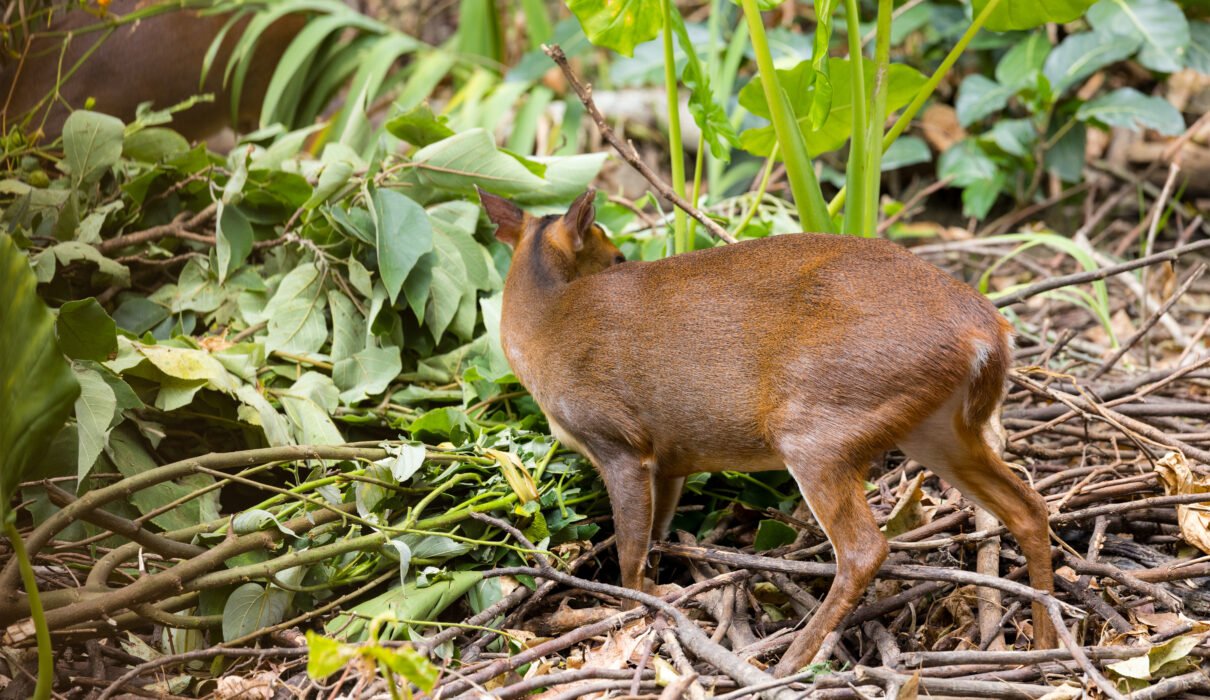
Tanzania’s Endemic Species You Must Know are among the rarest and most fascinating forms of life on Earth, found nowhere else but within this breathtaking East African nation. From isolated mountain forests to the vast plains of the Serengeti, Tanzania shelters unique wildlife shaped by geography, climate, and evolution. Understanding these species is not just about curiosity; it is about appreciating biodiversity, conservation, and the delicate balance that keeps ecosystems alive. In this guide, we explore the animals and plants that make Tanzania extraordinary and explain why protecting them matters to the world.
Why Tanzania’s Endemic Species You Must Know Matter Globally
The importance of Tanzania’s Endemic Species You Must Know goes far beyond national borders. According to research and data shared by organizations such as IUCN, WWF, and UNEP, endemic species are highly vulnerable because their survival depends on limited habitats. When forests shrink or climates shift, these species face immediate risk.
Scientific platforms like GBIF and conservation authorities including CITES emphasize that endemic wildlife often serves as indicators of ecosystem health. If they thrive, the environment is stable. If they decline, it signals ecological imbalance. Tanzania’s landscapes, from Mount Kilimanjaro to the Eastern Arc Mountains, provide isolated habitats where evolution has produced animals and plants found nowhere else.
Unique Mammals Among Tanzania’s Endemic Species You Must Know
The Udzungwa Red Colobus Monkey
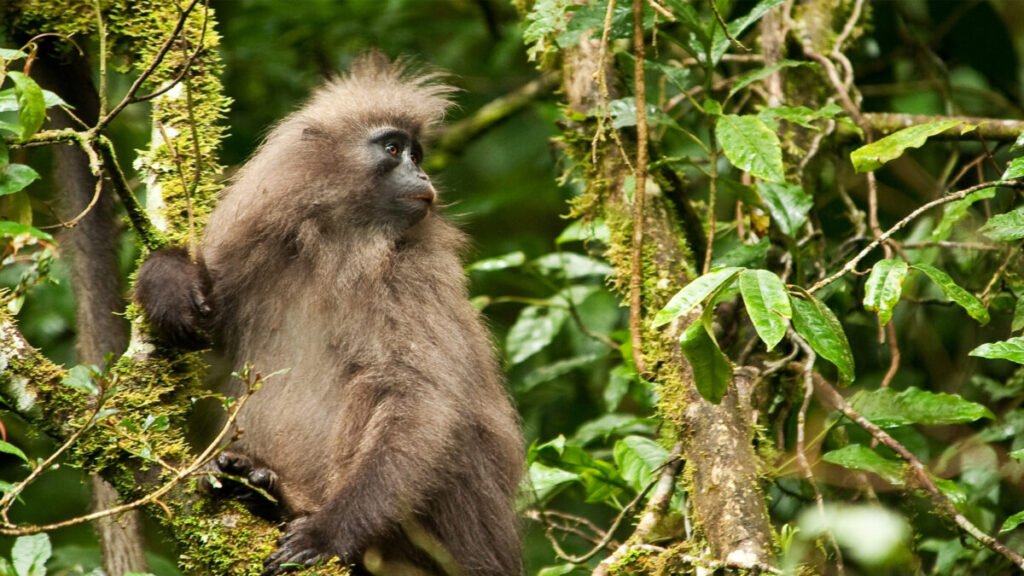
The Udzungwa red colobus is one of the most iconic examples of Tanzania’s Endemic Species You Must Know. Native to the Udzungwa Mountains, this primate lives high in forest canopies and depends on dense vegetation. Conservation insights from African Wildlife Foundation and field studies referenced by Wildlife Conservation Society highlight how habitat fragmentation threatens its survival.
The Sanje Mangabey
Discovered relatively recently, the Sanje mangabey thrives only in specific forest reserves. Academic research from institutions like University of Oxford and Stanford University has helped map its behavior and social structure. Protecting this rare monkey ensures the forest ecosystem remains balanced and productive.
Rare Birds That Define Tanzania’s Endemic Species You Must Know
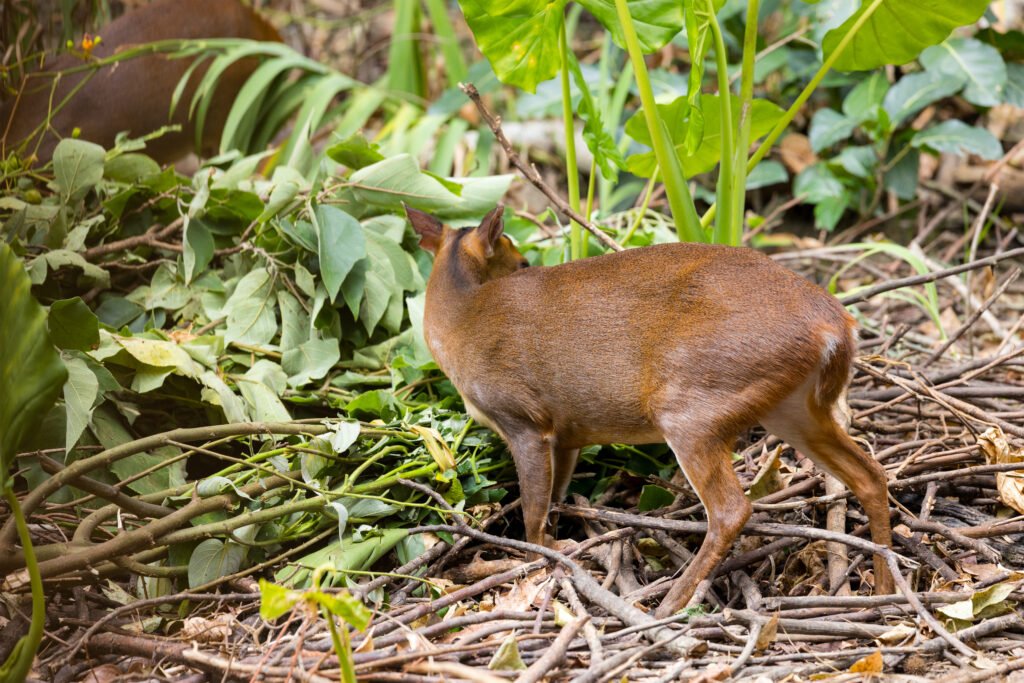
Birdlife in Tanzania is spectacular, but some species exist nowhere else. According to BirdLife International, endemic birds are especially sensitive to environmental change. The Uluguru bushshrike and the Pemba green pigeon are prime examples of Tanzania’s Endemic Species You Must Know that birdwatchers travel across continents to see.
Scientific documentation from the Natural History Museum and botanical research at Royal Botanic Gardens, Kew confirm that Tanzania’s isolated mountain ecosystems act like natural laboratories, allowing species to evolve independently for centuries.
Reptiles and Amphibians: Hidden Tanzania’s Endemic Species You Must Know
Beyond mammals and birds, Tanzania’s Endemic Species You Must Know include colorful chameleons, rare frogs, and unique reptiles. The Usambara two-horned chameleon, for instance, is found only in specific forest regions. Conservation coverage by Mongabay and environmental reporting by National Geographic have brought global attention to these lesser-known creatures.
These reptiles and amphibians are extremely sensitive to temperature and humidity shifts. Environmental programs supported by Convention on Migratory Species stress the need for habitat preservation and climate resilience strategies.
Endemic Plant Life in Tanzania
While animals often steal the spotlight, plant species are equally important among Tanzania’s Endemic Species You Must Know. The African violet, originally discovered in Tanzania, has become popular worldwide, yet its wild varieties remain rare. Agricultural and biodiversity data from FAO and ecosystem research from The Nature Conservancy show how endemic plants support food chains, soil health, and climate stability.
Forests in the Eastern Arc Mountains contain plant species that scientists continue to document through collaborations referenced in Britannica and conservation initiatives supported by Conservation International.
Conservation Efforts Protecting Tanzania’s Endemic Species You Must Know
Protecting Tanzania’s Endemic Species You Must Know requires coordinated action between local communities, conservation groups, and government agencies. Reports from World Bank highlight how sustainable tourism contributes to conservation funding, while rewilding strategies discussed by Re:wild encourage habitat restoration.
Community-based conservation, often supported by East African Wildlife Society, ensures that local people benefit directly from protecting biodiversity. Responsible safari operators such as Eddy Tours & Safaris integrate conservation awareness into travel experiences, helping visitors understand the value of endemic wildlife.
Experience Tanzania’s Endemic Species You Must Know Responsibly
Exploring Tanzania’s Endemic Species You Must Know is best done through ethical travel. Visitors planning Kilimanjaro adventures often consult experts like Kilimanjaro Climb Specialist to combine trekking with conservation awareness. Responsible tourism reduces environmental pressure and supports preservation projects.
Travelers can also learn more through educational resources found on Google, scientific publications in Smithsonian Magazine, and safari planning guides offered by Eddy Tours & Safaris. Carefully designed itineraries ensure minimal disturbance to wildlife habitats.
Where to See Tanzania’s Endemic Species You Must Know
The Udzungwa Mountains, Eastern Arc ranges, and isolated coastal forests are prime habitats for Tanzania’s Endemic Species You Must Know. Guided safaris arranged through Eddy Tours & Safaris allow travelers to witness rare primates, birds, and reptiles while contributing to local conservation economies.
Protected national parks and reserves play a critical role in safeguarding these species. Ethical safari planning resources available at Eddy Tours & Safaris help visitors choose routes that prioritize sustainability and environmental respect.
The Future of Tanzania’s Endemic Species You Must Know
The survival of Tanzania’s Endemic Species You Must Know depends on climate action, forest protection, and global cooperation. Climate research and sustainability frameworks continue to evolve, offering hope for biodiversity protection. Scientific collaboration, local stewardship, and responsible tourism together create a pathway toward long-term preservation.
By supporting conservation-focused travel providers like Eddy Tours & Safaris, travelers actively contribute to protecting habitats that shelter rare wildlife. The choices made today determine whether future generations will witness these remarkable species thriving in their natural environments.