6 Days Kilimanjaro Price Guide – What You Really Pay is the question almost every climber asks before booking Africa’s most iconic mountain adventure. The truth is simple: the final amount you spend depends on park fees, guide standards, safety measures, logistics, and the quality of the operator you choose. While many websites advertise a low starting rate, what you actually pay can vary widely once equipment, crew wages, conservation fees, and safety standards are included. This detailed guide explains every cost clearly so you can plan wisely and climb with confidence.
Understanding the Real 6 Days Kilimanjaro Price Guide – What You Really Pay
When reviewing the 6 Days Kilimanjaro Price Guide – What You Really Pay, it is important to separate marketing prices from realistic expedition costs. Mount Kilimanjaro is protected by national park regulations and international conservation standards supported by organizations such as UNEP, IUCN, and WWF. These conservation efforts help preserve the mountain ecosystem, glaciers, and wildlife. Park fees alone form a significant portion of the total climb cost, and they are mandatory for every operator.
According to research shared by National Geographic and scientific insights from NASA Climate, climate patterns on high mountains require experienced crews, proper rescue systems, and safety equipment. These safety standards are not optional. Reputable companies such as Eddy Tours & Safaris invest heavily in trained guides, oxygen systems, and ethical porter treatment to ensure every climber is protected.
Average Cost Range Explained
Most climbers spend between a mid-range and premium budget depending on service level. Budget operators may advertise very low rates, but reports from organizations like Transparency International emphasize the importance of ethical operations and fair wages. Choosing a responsible company means paying fair salaries to porters and guides, which directly impacts the overall cost.
Economic factors discussed by institutions such as World Bank and IMF also influence operational expenses including fuel, food supply, and imported gear. This explains why prices fluctuate slightly between operators.
Park Fees and Government Charges
A large portion of the 6 Days Kilimanjaro Price Guide – What You Really Pay comes from official park fees. These fees include conservation charges, camping fees, rescue fees, and value-added tax. The Tanzanian government uses these funds to support environmental protection efforts aligned with United Nations sustainability goals and biodiversity conservation research supported by UNESCO.
Because these charges are fixed, no operator can legally reduce them. If a package seems dramatically cheaper, it may exclude key items or compromise crew welfare. Always confirm that park fees are clearly included in writing.
Guide, Porter, and Crew Costs
Climbing Kilimanjaro is not a solo activity; it requires a licensed guide and a professional support team. Ethical trekking standards promoted by health institutions such as WHO and CDC emphasize safety, hygiene, and emergency preparedness at high altitude. A typical six-day climb includes a lead guide, assistant guides, cook, and several porters.
Companies like Eddy Tours & Safaris ensure fair porter treatment, proper meals, and adequate shelter. Paying slightly more guarantees that your team is treated ethically and that you receive professional support throughout the journey.
Accommodation and Food Quality
Another key factor in the 6 Days Kilimanjaro Price Guide – What You Really Pay is the level of accommodation before and after the climb, as well as the quality of meals on the mountain. High-altitude nutrition is vital, and research from NIH and Science.org shows that balanced meals improve performance and recovery.
Premium operators provide spacious tents, thick sleeping mats, and fresh meals prepared daily. Budget services may cut corners on food portions or tent quality. You can explore professional trekking standards through resources such as Kilimanjaro Climb Specialist to compare safety practices.
Equipment and Safety Measures
High-altitude trekking requires specialized gear and monitoring systems. Environmental data from NOAA and geological insights from USGS highlight how rapidly mountain weather can change. Reliable operators carry oxygen cylinders, pulse oximeters, and emergency evacuation plans.
The 6 Days Kilimanjaro Price Guide – What You Really Pay should always include safety equipment. Cutting costs in this area can risk your life. Always verify that your chosen company prioritizes health and mountain safety standards.
Transportation and Logistics
Transport from the airport to the hotel and from the hotel to the park gate is another component of the 6 Days Kilimanjaro Price Guide – What You Really Pay. Fuel costs, vehicle maintenance, and insurance coverage contribute to the final rate. Companies like Eddy Tours & Safaris provide organized transfers and responsive customer support to eliminate stress.
Planning tools such as Google Maps and travel research from Lonely Planet can help you understand travel distances and preparation needs before arrival.
Hidden Costs to Watch For
Some operators exclude items such as tips, rental gear, or extra hotel nights. Reading the full breakdown of the 6 Days Kilimanjaro Price Guide – What You Really Pay prevents unpleasant surprises. Academic publications from Nature and cultural research from Britannica show that informed travelers make better decisions and enjoy safer journeys.
Always request a clear inclusion list and confirm whether airport transfers, meals, rescue fees, and taxes are included.
Why Booking with a Professional Operator Matters
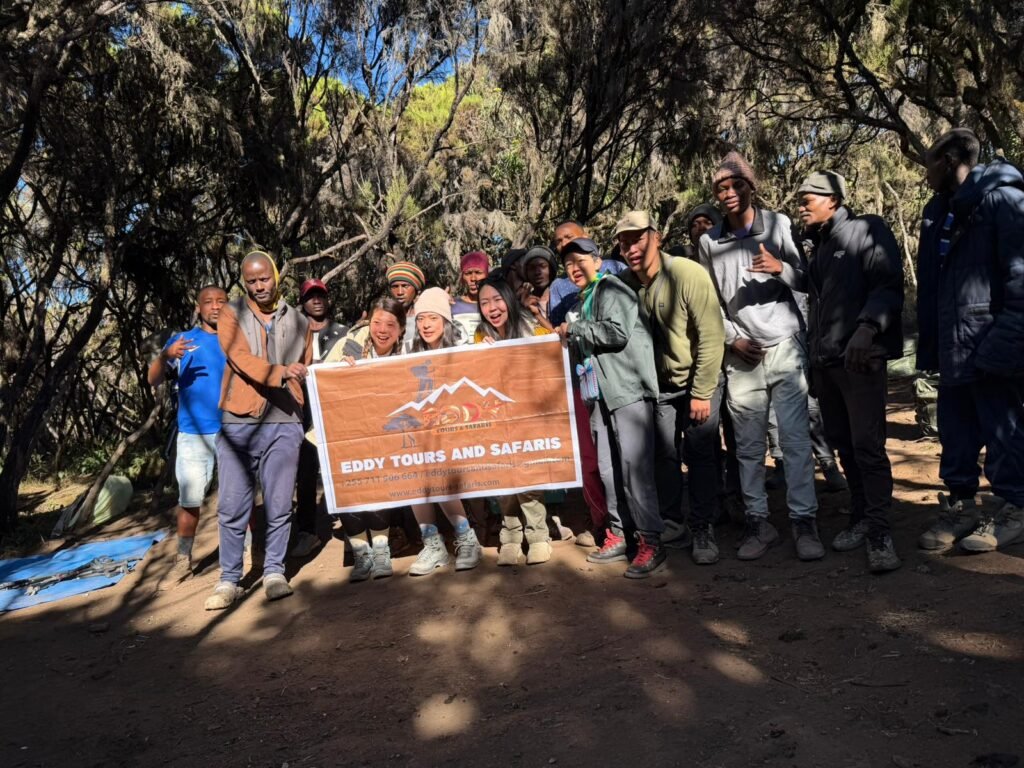
The 6 Days Kilimanjaro Price Guide – What You Really Pay reflects the quality of your experience. Reputable operators combine mountain expertise, conservation awareness, and customer care. When you book through Eddy Tours & Safaris, you receive transparent pricing, experienced mountain guides, and personalized support.
You may also combine your climb with wildlife adventures through Tanzania safari packages, making your trip more rewarding and efficient.
Frequently Asked Questions
Is the 6 Days Kilimanjaro Price Guide – What You Really Pay the same for all routes?
No. Some routes require extra logistics or higher camping fees, which can slightly affect total cost.
Why do cheaper packages seem risky?
Extremely low prices often reduce porter wages, food quality, or safety equipment, which can compromise your climb.
Are tips included in the total price?
Tips are usually separate and paid directly to the mountain crew at the end of the climb.
Does travel insurance affect the final cost?
Yes. Comprehensive travel insurance with high-altitude coverage is essential and should be budgeted separately.
Can I rent gear instead of buying?
Yes. Most professional operators offer rental gear, but confirm quality and hygiene standards before booking.
Is it worth paying more for a reputable company?
Absolutely. A reliable operator increases your summit success rate, safety, and overall comfort.
Final Thoughts on 6 Days Kilimanjaro Price Guide – What You Really Pay
The 6 Days Kilimanjaro Price Guide – What You Really Pay is more than a simple number. It reflects conservation responsibility, crew welfare, professional safety standards, and the quality of your overall adventure. By choosing a transparent and ethical operator like Eddy Tours & Safaris, you protect yourself and support sustainable tourism practices that preserve Mount Kilimanjaro for generations to come.
Climbing Africa’s highest peak is a life-changing achievement. When you understand what you are truly paying for, you gain peace of mind and confidence. Plan wisely, choose responsibly, and prepare for an unforgettable summit experience.