
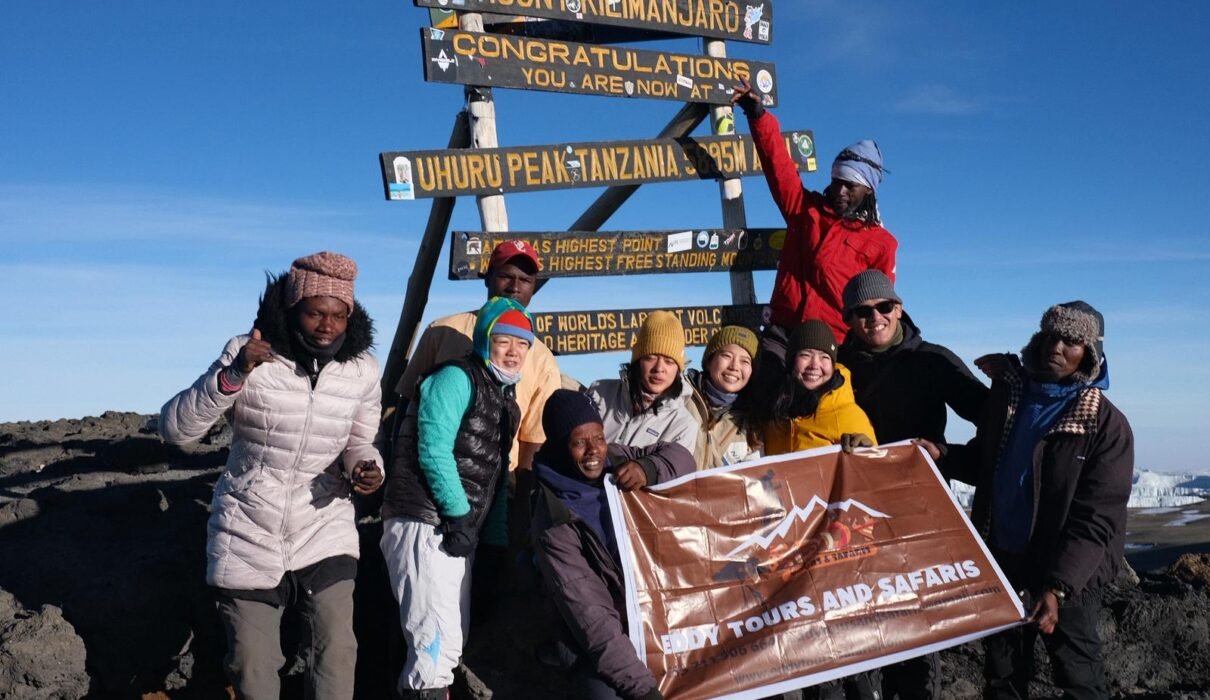
Kilimanjaro and Safari Combo Cost is often the first thing travelers think about when planning a once-in-a-lifetime African journey. Many people imagine that climbing Africa’s highest mountain and exploring its legendary wildlife parks must be extremely expensive, but the truth is more balanced. With smart planning, careful timing, and the right tour partner, you can experience both adventures without stretching your finances beyond comfort. This guide explains how to understand pricing, what affects your budget, and how to make wise choices that protect both your wallet and your experience.
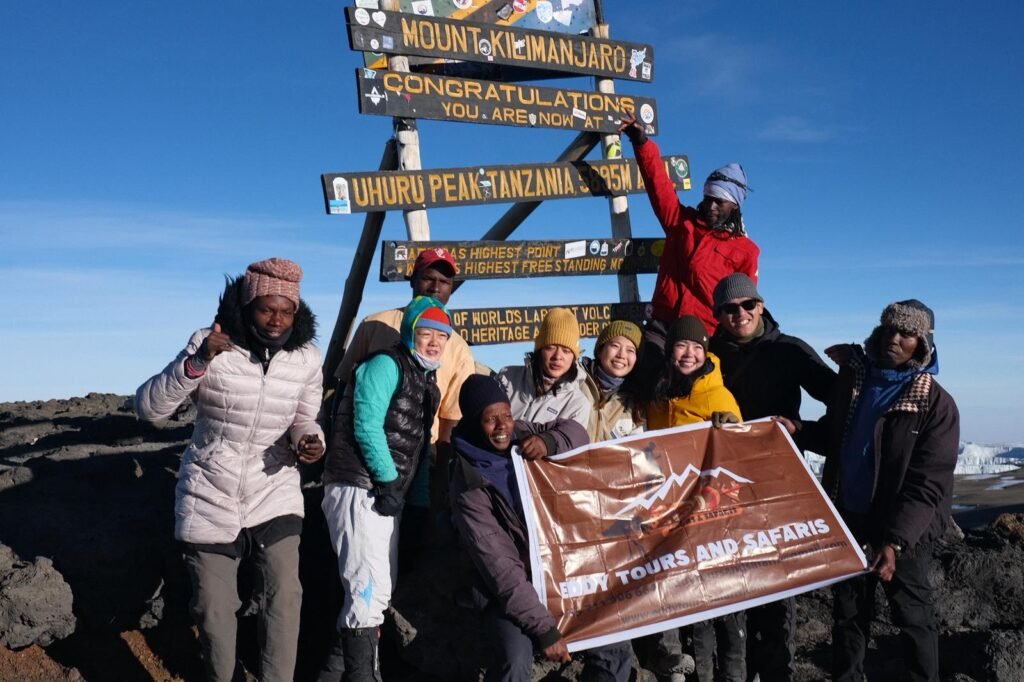
Understanding Kilimanjaro and Safari Combo Cost in Detail
The total Kilimanjaro and Safari Combo Cost depends on several core factors: park fees, guide services, accommodation standards, transport logistics, conservation contributions, and seasonal demand. According to research from World Bank and conservation data published by IUCN, protected areas require structured fees to sustain wildlife and ecosystems. Tanzania’s national parks follow this global conservation funding model, which means part of your payment directly supports preservation efforts. Scientific climate insights from NASA and NOAA also show how weather variability influences climbing seasons, which in turn impacts price fluctuations.
Another key component of Kilimanjaro and Safari Combo Cost is logistical efficiency. Combining the trek and safari into one organized itinerary often reduces transportation duplication, which lowers overall spending. Trusted local operators such as Eddy Tours & Safaris design integrated programs that minimize wasted transit time. This approach creates better value compared to booking each experience separately. By understanding these structural elements, you gain clarity about what you are paying for and why certain packages appear higher or lower in price.
7 Smart Ways to Reduce Kilimanjaro and Safari Combo Cost
1. Travel During Shoulder Seasons
Choosing less crowded months can significantly lower Kilimanjaro and Safari Combo Cost because lodges and tour operators adjust pricing based on demand. Environmental reports from UNEP and seasonal rainfall data from USGS show predictable weather windows that remain safe for travel yet attract fewer tourists. During these periods, you still enjoy wildlife viewing and successful summit attempts, but at a more reasonable rate.
2. Choose Group Departures
Sharing transport, guides, and park logistics reduces individual contribution. Group climbs are safe and professionally managed, following standards recommended by health authorities such as WHO. When you join a scheduled departure through professional safari planners, you divide costs across participants without sacrificing quality.
3. Select Mid-Range Lodges
Luxury lodges are beautiful, but mid-range accommodations still provide comfort, safety, and proximity to wildlife zones. Conservation partnerships supported by The Nature Conservancy show that many mid-tier properties actively support habitat protection. Balancing comfort with practicality helps manage Kilimanjaro and Safari Combo Cost while maintaining an authentic experience.
4. Combine Routes Strategically
Route choice affects permit fees and support crew size. Some routes require fewer camping days while maintaining high summit success rates. Academic outdoor research from Oxford University and environmental studies shared by Stanford University emphasize that gradual acclimatization is key to safety, not necessarily longer itineraries. Choosing the right balance keeps Kilimanjaro and Safari Combo Cost under control.
5. Book Direct with Local Experts
Booking through verified local operators such as Tanzania-based safari specialists avoids unnecessary international markups. Local companies reinvest in community employment and conservation initiatives supported by Conservation International. This direct booking model improves transparency and often reduces final expenses.
6. Limit Internal Flights
Overland transfers between Arusha and safari parks can reduce transport charges. Data from Reuters and economic analyses by United Nations highlight how fuel fluctuations influence aviation pricing. Ground transport remains reliable and scenic, helping stabilize Kilimanjaro and Safari Combo Cost.
7. Prepare Gear Smartly
Buying unnecessary equipment increases pre-trip expenses. Outdoor safety recommendations from National Park Service and climbing guidelines shared by Kilimanjaro Climb Specialist confirm that renting high-quality gear locally is practical and cost-effective. Smart preparation prevents overspending before departure.
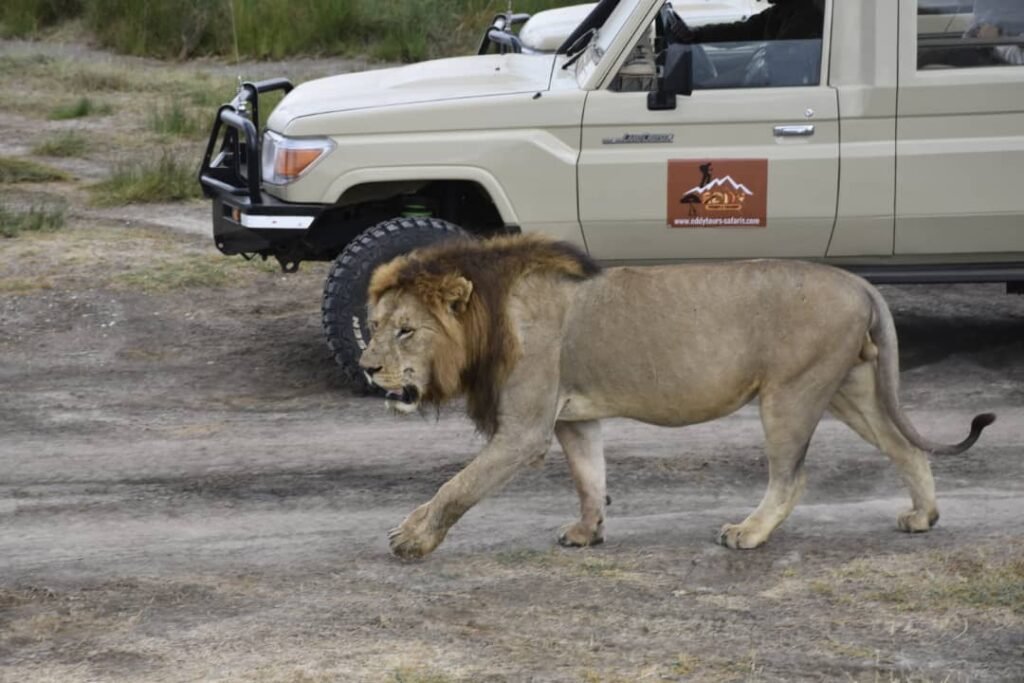
What Is Typically Included in Kilimanjaro and Safari Combo Cost?
A standard Kilimanjaro and Safari Combo Cost package usually covers park entry fees, mountain crew wages, rescue fees, camping equipment, safari vehicle transport, accommodation, and meals. Ethical wage frameworks supported by World Animal Protection and sustainable tourism research published by FAO show the importance of fair employment practices in conservation-based tourism. When you book through experienced tour coordinators, transparency in inclusions becomes clear, allowing you to understand exactly what you receive.
Most packages exclude international flights, visas, travel insurance, and personal equipment purchases. It is wise to verify these details early in planning. Reliable information platforms such as BBC and educational resources from Harvard University emphasize informed travel preparation as a key factor in successful international trips.
Wildlife Conservation and Its Impact on Kilimanjaro and Safari Combo Cost
Protected wildlife areas operate under international conservation agreements. Organizations such as World Wildlife Fund, IPCC, and National Geographic regularly publish reports on biodiversity preservation. These conservation structures directly influence park fees included in Kilimanjaro and Safari Combo Cost. While fees may appear high at first glance, they help maintain habitats for elephants, lions, and endangered species across the Serengeti ecosystem.
By booking responsible operators such as locally trusted safari companies, you ensure that your travel spending contributes positively to local communities and environmental stability. This responsible cycle adds deeper value to the overall investment.
Sample Budget Breakdown
To visualize Kilimanjaro and Safari Combo Cost, imagine dividing the total into mountain permits, safari park fees, accommodation, crew wages, meals, and logistics. Research databases like Britannica and general reference tools such as Google provide broad comparative insights on regional pricing trends. While exact figures vary, combining both adventures into one seamless itinerary often reduces the overall cost compared to separate bookings.
Frequently Asked Questions About Kilimanjaro and Safari Combo Cost
Is Kilimanjaro and Safari Combo Cost worth the investment?
Yes, because it merges two iconic experiences into one journey while supporting conservation and local employment.
Can I lower Kilimanjaro and Safari Combo Cost without reducing safety?
Absolutely. Group departures, mid-range lodges, and shoulder season travel help maintain safety while reducing price.
How long should I plan for the combo trip?
Most travelers choose a balanced itinerary that allows proper acclimatization and a relaxed wildlife experience.
Does Kilimanjaro and Safari Combo Cost include park fees?
Yes, reputable operators include mandatory conservation and rescue fees in their package pricing.
Are there hidden charges?
Transparent companies clearly list inclusions and exclusions, so reviewing your proposal carefully prevents surprises.
Is travel insurance necessary?
Comprehensive travel insurance is strongly recommended for medical and trip protection purposes.
Final Thoughts
Understanding Kilimanjaro and Safari Combo Cost empowers you to plan wisely and travel confidently. Instead of seeing it as a simple price tag, consider it an investment in conservation, culture, and personal achievement. With strategic planning, informed choices, and trusted local guidance, this combined adventure becomes surprisingly attainable. When managed thoughtfully, the journey delivers unmatched memories while remaining financially realistic.