
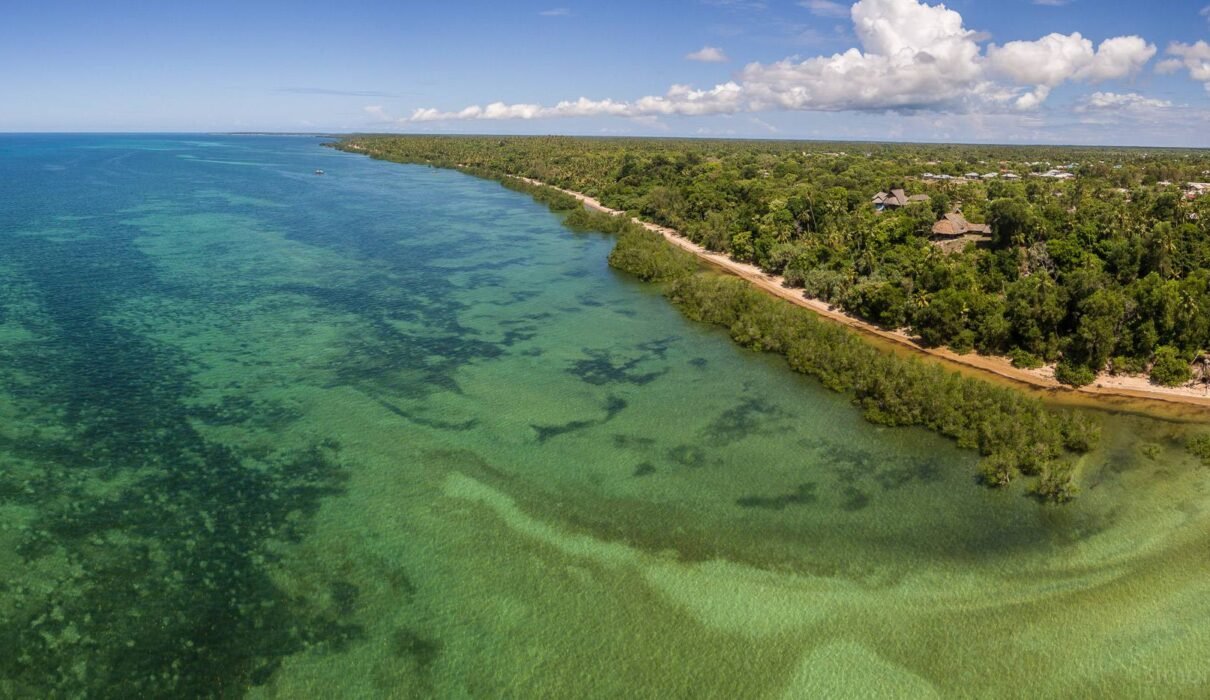
Birdwatching on Mafia Island and Tanzania’s Southern Coast is one of the most rewarding and underrated wildlife experiences in East Africa. Far from the crowded safari circuits, this pristine stretch of coastline offers a peaceful escape where mangroves, coral rag forests, tidal flats, and offshore islands create a paradise for resident and migratory birds. With fewer visitors and rich biodiversity, the region feels untouched and authentic, giving bird enthusiasts a rare chance to connect deeply with nature in its purest form.
The coastal ecosystems here are shaped by warm Indian Ocean currents, seasonal winds, and protected marine zones. According to global conservation authorities such as IUCN, BirdLife International, and WWF, coastal habitats like these are among the most important bird conservation zones in Africa. Their ecological richness supports rare species, migratory shorebirds, and endemic coastal birds that thrive in the region’s diverse landscapes.
Why Birdwatching on Mafia Island and Tanzania’s Southern Coast Is So Special
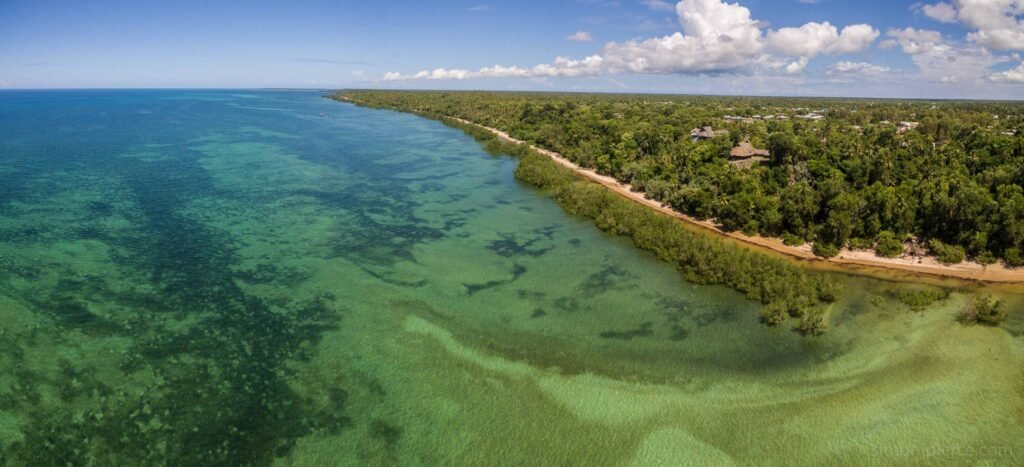
What makes Birdwatching on Mafia Island and Tanzania’s Southern Coast extraordinary is the remarkable blend of marine and terrestrial ecosystems. Mafia Island Marine Park protects coral reefs and mangrove forests, while inland forests shelter species that are rarely seen elsewhere in Tanzania. The tidal flats attract flocks of sandpipers, plovers, and curlews during migration seasons, creating spectacular viewing opportunities for both amateur and seasoned birders.
Scientific data from institutions like GBIF and Encyclopedia of Life confirm the presence of hundreds of bird species across Tanzania’s coastal belt. These habitats are recognized globally for their importance to migratory birds, as highlighted by the Ramsar Convention and Wetlands International. For visitors, this means every shoreline walk or forest trail can reveal a new and unexpected sighting.
Top Bird Species to Spot Along the Southern Coast
Birdwatchers exploring this region may encounter the majestic African fish eagle gliding above estuaries, vibrant bee-eaters perched along sandy banks, and elusive crab plovers feeding near the shoreline. Forest patches host colorful sunbirds and hornbills, while offshore sandbanks become resting sites for migratory species traveling vast distances across continents. Research shared by Audubon Society and RSPB explains how coastal East Africa plays a critical role in global bird migration routes.
Birdwatching on Mafia Island and Tanzania’s Southern Coast also offers opportunities to observe endemic subspecies adapted specifically to coral rag forests and mangrove ecosystems. Detailed ecological insights published by National Geographic and Smithsonian Magazine emphasize the uniqueness of these habitats and their fragile balance.
Best Habitats for Birdwatching on Mafia Island and Tanzania’s Southern Coast
The coastal stretch is a mosaic of ecosystems. Mangrove forests provide nesting sites for herons and kingfishers, while open mudflats serve as feeding grounds for migratory waders. Coral rag forests support insect-eating birds that rely on dense vegetation for shelter. According to UNEP and Conservation International, protecting such ecosystems ensures long-term biodiversity survival.
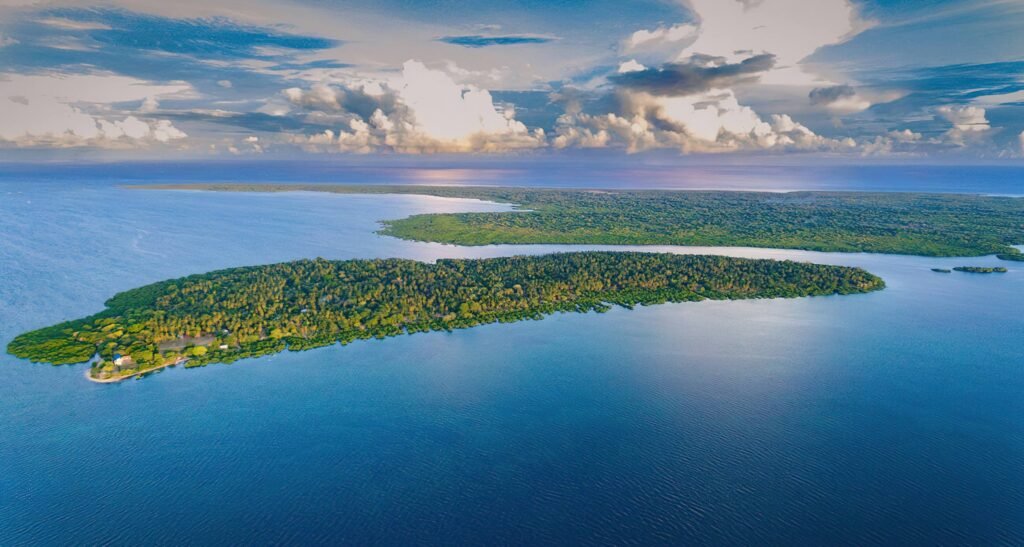
Offshore islands near Mafia create additional birdwatching hotspots. These small, sandy outcrops are ideal for observing seabirds without disturbance. Oceanographic research from NOAA and climate data from NASA help scientists understand how changing sea levels and weather patterns influence coastal bird populations in this region.
Community Conservation and Sustainable Travel
Local communities play a powerful role in preserving bird habitats. Sustainable initiatives supported by organizations like The Nature Conservancy and World Bank promote eco-friendly fishing practices and habitat protection. By choosing responsible tour operators such as Eddy Tours & Safaris, visitors directly support conservation efforts and community livelihoods.
When planning your safari extension, you can combine coastal birding with inland wildlife experiences arranged through Eddy Tours & Safaris wildlife programs. Their expertise ensures seamless logistics while maintaining respect for fragile environments.
Planning Your Birdwatching on Mafia Island and Tanzania’s Southern Coast Adventure
Preparation is key for a fulfilling experience. Lightweight binoculars, a field guide, and breathable clothing are essential. Reliable global data from Our World in Data and agricultural insights from FAO show how seasonal rainfall patterns influence food availability for birds, which in turn affects migration and breeding cycles.
Travelers often combine this coastal journey with a Kilimanjaro trek through trusted partners such as Kilimanjaro Climb Specialist, creating a diverse Tanzanian adventure that balances mountains and marine ecosystems. To ensure reliable navigation and research, platforms like Google can help verify species records and conservation updates before your trip.
For tailored coastal excursions, many travelers consult Eddy Tours & Safaris beach extensions, which integrate birdwatching routes with cultural experiences along the southern coastline. Their local guides understand migratory patterns and nesting sites, enhancing your chances of meaningful sightings.
Environmental Importance of Birdwatching on Mafia Island and Tanzania’s Southern Coast
Birdwatching on Mafia Island and Tanzania’s Southern Coast is not just about observation; it is about awareness and protection. International frameworks guided by UNESCO and environmental standards from EPA emphasize the importance of safeguarding wetlands and marine reserves. Coastal Tanzania stands as a living example of how tourism, when managed responsibly, can fund conservation rather than harm it.
Data portals such as World Bank Data and educational resources from Encyclopaedia Britannica highlight the link between biodiversity preservation and sustainable economic growth. Responsible travel here supports habitat monitoring, anti-poaching patrols, and environmental education programs for local youth.
Choosing experienced operators like Eddy Tours & Safaris coastal packages ensures your visit aligns with conservation goals while delivering an authentic and immersive experience.
Frequently Asked Questions About Birdwatching on Mafia Island and Tanzania’s Southern Coast
Is Birdwatching on Mafia Island and Tanzania’s Southern Coast suitable for beginners?
Yes, the region offers accessible trails, open shorelines, and knowledgeable local guides, making it ideal for beginners and experienced birders alike.
How diverse is birdlife in this region?
The coastal ecosystems support hundreds of resident and migratory species due to varied habitats such as mangroves, forests, and mudflats.
Can birdwatching be combined with marine activities?
Absolutely. Snorkeling, dhow sailing, and reef exploration complement birdwatching without disturbing wildlife when done responsibly.
Are conservation efforts visible to visitors?
Yes, visitors often see community-led mangrove restoration projects and protected nesting areas managed in partnership with conservation organizations.
What makes this destination different from northern safari parks?
Unlike busy savannah parks, the southern coast provides quiet, intimate encounters in coastal and marine environments.
Is Birdwatching on Mafia Island and Tanzania’s Southern Coast eco-friendly?
When travelers choose responsible operators and follow park guidelines, birdwatching remains a low-impact activity that supports conservation funding.
Conclusion: A Hidden Coastal Treasure for True Bird Enthusiasts
Birdwatching on Mafia Island and Tanzania’s Southern Coast stands out as a serene and biologically rich experience that rewards patience, curiosity, and respect for nature. From mangrove channels alive with kingfishers to tidal flats shimmering with migratory flocks, every moment offers discovery. With strong conservation partnerships, scientific recognition, and responsible travel options, this destination promises not only unforgettable sightings but also meaningful contributions to environmental protection.
For travelers seeking authenticity beyond the usual safari routes, this coastal haven invites you to slow down, observe carefully, and reconnect with the rhythms of nature in one of Africa’s most enchanting settings.