
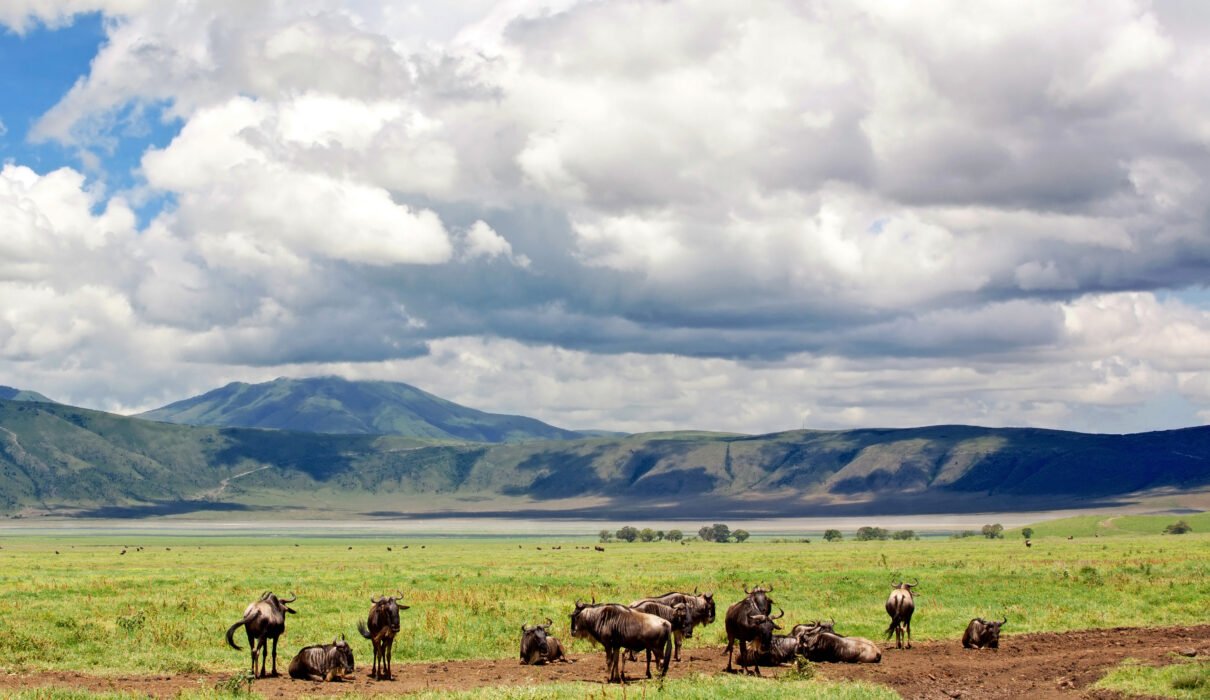
Hakuna Matata: Meaning and Cultural Significance is more than just a cheerful phrase people sing along to in movies. It is a living expression deeply rooted in East African culture, especially in Swahili-speaking communities across Tanzania and Kenya. While many travelers hear it during safari adventures or beach holidays, its true depth carries history, philosophy, and identity that go far beyond tourism slogans.
This article explores the real origin of the phrase, its linguistic foundation, its global spread, and why it continues to shape cultural conversations worldwide. Understanding it properly allows travelers and cultural enthusiasts to appreciate East Africa more respectfully and authentically.
Hakuna Matata: Meaning and Cultural Significance in Swahili Language
The phrase comes from the Swahili language, spoken widely in Tanzania, Kenya, Uganda, Rwanda, and parts of Central Africa. Swahili, or Kiswahili, is recognized by institutions such as UNESCO as one of Africa’s most influential languages due to its unifying role across ethnic groups.
In direct translation, “Hakuna” means “there is not” or “there are no,” and “Matata” means “problems” or “troubles.” Combined, it translates to “there are no problems.” However, language experts from institutions like Britannica explain that literal translations rarely capture emotional meaning. In real usage, the phrase expresses reassurance, optimism, and calm confidence.
Swahili itself developed through centuries of interaction between African coastal communities and traders from Arabia and Asia. According to research by University of Cambridge scholars, Swahili became a bridge language for trade and diplomacy. Within this context, everyday phrases like this one evolved naturally as expressions of hospitality and peace.
Cultural Roots in East African Society
To understand Hakuna Matata: Meaning and Cultural Significance properly, one must see it within daily East African life. It reflects a social mindset where patience, community support, and emotional resilience are valued. In villages and cities alike, the phrase is often spoken during stressful moments to calm tensions and restore harmony.
Anthropological studies from organizations such as National Geographic and academic publications hosted by JSTOR highlight how African societies traditionally emphasize collective well-being over individual anxiety. The phrase fits within that worldview, encouraging balance instead of panic.
In Tanzania, where many of our safari guests begin their journey with Eddy Tours & Safaris, you will hear locals use it naturally in conversations. It is not exaggerated or theatrical; it is simply part of everyday reassurance.
The Philosophy Behind the Phrase
Philosophically, the expression reflects emotional resilience. It does not deny challenges exist. Instead, it communicates confidence that difficulties can be managed. Research shared by Psychology Today supports the idea that positive affirmations can reduce stress and improve coping ability. In this way, the phrase aligns with psychological principles of calm thinking.
Many visitors who explore Tanzania’s wildlife parks through Eddy Tours & Safaris notice how guides use the phrase during unpredictable safari moments, whether waiting for wildlife sightings or adjusting travel plans. It becomes a reminder that nature operates on its own schedule.
Global Popularity and Media Influence
The phrase gained global recognition after being featured in popular entertainment, particularly through international film distribution. Media analysis published by BBC and commentary from The New York Times discuss how African expressions entered mainstream Western vocabulary through cinema.
While this exposure introduced the phrase to millions, it also simplified its cultural depth. Cultural researchers from Harvard University argue that global adaptation sometimes detaches phrases from their historical context. Therefore, understanding Hakuna Matata: Meaning and Cultural Significance requires moving beyond entertainment and recognizing its African identity.
Trademark Controversy and Cultural Debate
The phrase sparked international debate when commercial trademark claims were discussed publicly. Reports covered by Reuters and cultural advocacy groups like African Union platforms highlighted concerns about ownership of traditional language. Linguists from SOAS University of London emphasized that Swahili belongs to millions of speakers and represents shared heritage.
This debate reinforced why cultural respect matters. Travelers exploring Tanzania through Eddy Tours & Safaris are encouraged to learn local phrases responsibly and appreciate their roots rather than treating them as decorative slogans.
Connection to Travel and Tourism
Tourism marketing sometimes uses the phrase to create a relaxed image of East Africa. However, responsible travel organizations collaborate with conservation bodies such as World Wildlife Fund, IUCN, and African Wildlife Foundation to ensure cultural messaging is respectful and conservation-focused.
Safari experiences in Serengeti and Ngorongoro, often arranged through Eddy Tours & Safaris, provide authentic opportunities to hear the phrase naturally from guides, drivers, and community hosts. It reflects hospitality rather than marketing.
Travelers combining safari adventures with mountain trekking through partners like Kilimanjaro Climb Specialist also encounter the phrase during challenging hikes, where encouragement and calm mindset are essential.
Educational and Linguistic Recognition
Swahili language studies are supported by institutions such as University of Oxford, UCLA, and global databases like Google Scholar. These academic platforms recognize Swahili as a major African language with significant historical influence.
According to cultural archives from Library of Congress and linguistic documentation projects supported by SIL International, common phrases often carry layered meanings that evolve over generations. This makes understanding Hakuna Matata: Meaning and Cultural Significance an exploration of language evolution itself.
Modern Usage in Daily Life
Today, the phrase appears in music, fashion, social media, and everyday greetings. Yet in East Africa, it remains practical rather than decorative. Whether spoken in Dar es Salaam markets or coastal communities near Zanzibar, it communicates reassurance in real conversations.
Visitors planning responsible travel through Eddy Tours & Safaris often share how learning simple Swahili phrases enhances connection with local communities. Language builds trust, and trust builds meaningful travel experiences.
Why Cultural Understanding Matters
Understanding Hakuna Matata: Meaning and Cultural Significance promotes respectful global citizenship. Organizations like United Nations emphasize cultural preservation as part of sustainable development. Language is identity, and preserving its meaning protects heritage.
By learning the authentic context behind widely used phrases, travelers and readers move from passive consumption to active appreciation. That shift transforms tourism into cultural exchange.
Frequently Asked Questions
What does Hakuna Matata literally mean?
It literally translates from Swahili to “there are no problems,” but culturally it expresses reassurance and optimism.
Is the phrase used daily in Tanzania?
Yes, it is commonly used in everyday conversations across Swahili-speaking communities.
Is it only a tourism slogan?
No, it existed long before global media exposure and remains part of authentic language use.
Why is it culturally important?
It represents emotional resilience, hospitality, and a community-centered mindset within East African culture.
Can visitors respectfully use the phrase?
Yes, when used sincerely and with understanding of its roots, it is welcomed warmly.
Where can I experience authentic Swahili culture?
You can explore Tanzania’s cultural landscapes and wildlife responsibly through Eddy Tours & Safaris, which promotes community-based tourism.
Conclusion
Hakuna Matata: Meaning and Cultural Significance reveals far more than a cheerful saying. It is a window into Swahili language history, African philosophy, and community resilience. When understood respectfully, it teaches calm confidence and shared humanity. For travelers, scholars, and cultural explorers alike, embracing its true meaning deepens appreciation for East Africa’s rich heritage.