
Tanzanite: Tanzania’s Unique Blue Gemstone is one of the most extraordinary natural treasures ever discovered. Found only in a small area near Mount Kilimanjaro in northern Tanzania, this brilliant blue-violet stone has captured the attention of gem lovers, collectors, and investors around the world. Unlike other gemstones that are mined in multiple countries, tanzanite exists in just one place on earth, making it incredibly rare and highly valuable.
This remarkable gemstone is admired for its deep blue color, flashes of violet, and its ability to change shades under different lighting conditions. Its rarity, beauty, and limited supply have made it one of the most sought-after stones in the global jewelry market. Beyond its beauty, it also plays a significant role in Tanzania’s economy and cultural identity.
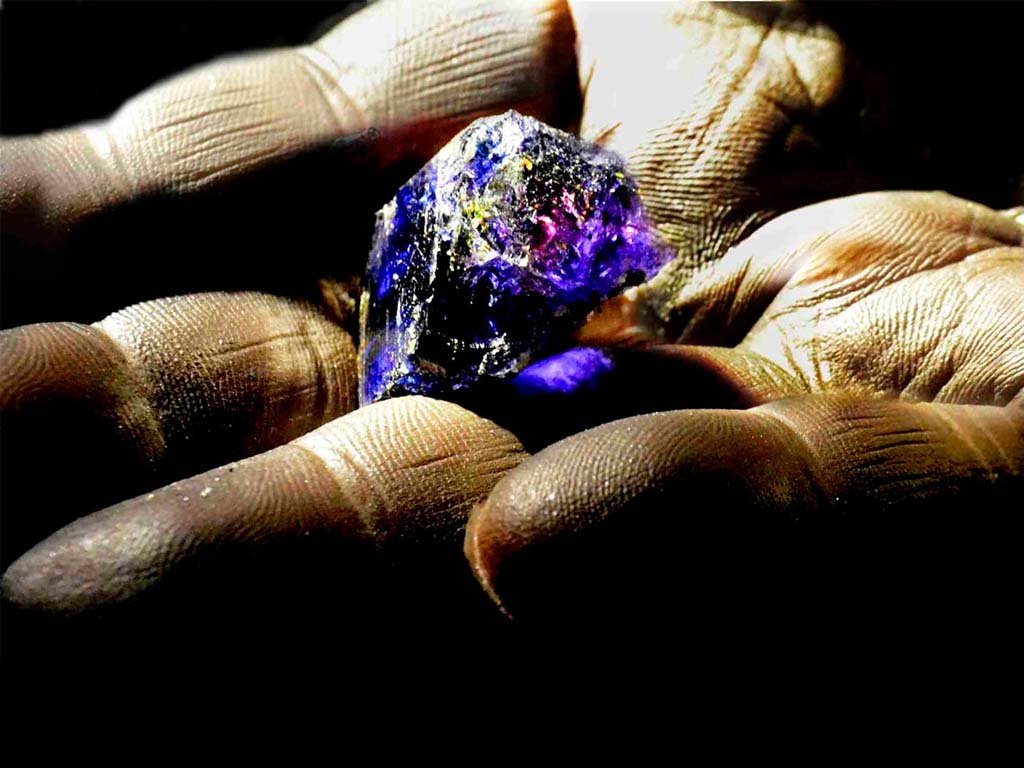
The Origin of Tanzanite: Tanzania’s Unique Blue Gemstone
Tanzanite was discovered in the Mererani Hills, near Mount Kilimanjaro, and it quickly gained international recognition. According to geological studies by the U.S. Geological Survey, the stone was formed millions of years ago under extreme heat and pressure during tectonic activity. The mineral is a rare variety of zoisite, known for its striking blue-violet hue.
The region where it is mined lies close to areas famous for wildlife conservation and safaris. Visitors exploring Tanzania often combine gemstone shopping with wildlife experiences through reputable operators such as Eddy Tours & Safaris, creating a journey that blends nature, culture, and precious stones.
Why Tanzanite: Tanzania’s Unique Blue Gemstone Is So Rare
The rarity of tanzanite comes from its single-source origin. Unlike diamonds or sapphires that are found in multiple continents, tanzanite is mined only in a very small area. Geological experts from institutions like the Gemological Institute of America confirm that this limited supply is what makes the gemstone exceptionally valuable.
Environmental monitoring groups such as the International Union for Conservation of Nature and conservation organizations like the World Wildlife Fund highlight the importance of responsible mining practices to protect nearby ecosystems. Sustainable extraction ensures that both the environment and local communities benefit from this rare resource.
The Unique Color and Optical Beauty
One of the most fascinating features of tanzanite is pleochroism, meaning it shows different colors when viewed from different angles. Research shared by the Natural History Museum explains that this optical effect occurs due to the crystal structure of the stone. In daylight, it often appears deep blue, while under indoor lighting it may display violet or purple tones.
This unique color range makes it distinct from other blue gemstones. Jewelry designers around the world appreciate its versatility and brilliance, giving it a strong presence in luxury collections.
Mining Process and Ethical Considerations
Mining Tanzanite: Tanzania’s Unique Blue Gemstone requires careful regulation. The Tanzanian government oversees mining operations to ensure safety and environmental responsibility. Reports from the World Bank emphasize how mineral governance contributes to economic development when managed transparently.
Ethical sourcing has become increasingly important in the gemstone industry. Organizations such as the United Nations Environment Programme promote responsible resource management to protect biodiversity. This approach aligns with conservation efforts supported by the African Wildlife Foundation in northern Tanzania.
Economic Impact in Tanzania
Tanzanite contributes significantly to Tanzania’s economy. It provides employment to thousands of miners, traders, and artisans. According to data published by the International Monetary Fund, mineral exports play an essential role in strengthening national revenue.
Tourism and gemstone trade often go hand in hand. Travelers who book safaris through Eddy Tours & Safaris frequently explore local markets where authentic stones are sold. This combination of adventure and commerce supports small businesses and local families.
How to Identify Genuine Tanzanite
Buying genuine tanzanite requires knowledge and certification. Experts at the Gemological Institute of America recommend verifying authenticity through certified gem reports. The stone’s clarity, color intensity, and cut determine its value.
International trade regulations, including guidance from the World Trade Organization, ensure fair global exchange. Buyers are encouraged to purchase from reputable dealers and licensed exporters to avoid counterfeit stones.

Investment Potential of Tanzanite: Tanzania’s Unique Blue Gemstone
Collectors view tanzanite as a long-term investment due to its limited supply. As mining areas become exhausted, experts anticipate increasing scarcity. Financial analysts referencing platforms like Bloomberg highlight how rare commodities often gain value over time.
However, investors should research market trends carefully. Educational institutions such as Harvard University and Stanford University frequently publish economic studies on resource-based markets, offering insight into supply and demand principles.
Cultural Significance in Tanzania
Beyond its economic value, Tanzanite: Tanzania’s Unique Blue Gemstone symbolizes national pride. Cultural heritage organizations such as UNESCO recognize the importance of preserving natural resources that shape a country’s identity.
Visitors exploring northern Tanzania often pair gemstone experiences with Kilimanjaro trekking through specialists like Kilimanjaro Climb Specialist or wildlife safaris booked via Eddy Tours & Safaris, creating a complete Tanzanian adventure.
FAQs About Tanzanite: Tanzania’s Unique Blue Gemstone
Is tanzanite rarer than diamonds?
Yes, tanzanite is rarer because it is found in only one small location in the world, while diamonds are mined in several countries.
Can tanzanite change color?
Tanzanite shows pleochroism, meaning it displays different shades of blue and violet depending on lighting and angle.
Is tanzanite a good investment?
Due to its limited supply, many experts consider it a promising long-term investment, though market research is essential.
How should tanzanite be cared for?
It should be cleaned gently with mild soap and water and stored separately to prevent scratches.
Where can visitors buy authentic tanzanite?
Licensed dealers in Tanzania and certified international jewelers provide authentic stones with documentation.
Does mining affect wildlife areas?
Responsible mining practices and conservation oversight help reduce environmental impact near protected regions.
Conclusion
Tanzanite: Tanzania’s Unique Blue Gemstone stands as one of the rarest and most captivating treasures on earth. Its breathtaking blue-violet color, geological uniqueness, and limited origin make it truly exceptional. Beyond beauty, it supports Tanzania’s economy and symbolizes national pride. Whether admired as jewelry, collected as an investment, or explored during a safari journey, this remarkable gemstone continues to fascinate the world.