Tanzania’s Endangered Tribes and Culture 2026,2027,2028 reflects a powerful and urgent story about identity, survival, and heritage in a rapidly changing world. Across Tanzania, many indigenous communities are facing deep challenges linked to modernization, environmental pressure, land change, and globalization. As we move toward 2026, 2027, and 2028, understanding these cultures is not just educational; it is essential for preservation. Cultural traditions that have lasted centuries are now at risk, yet they continue to inspire travelers, researchers, and conservation groups worldwide who value respectful engagement and sustainable tourism.
Tanzania’s Endangered Tribes and Culture 2026,2027,2028: Understanding Cultural Diversity
Tanzania is one of Africa’s most culturally diverse nations, with over 120 ethnic groups whose traditions, languages, and lifestyles differ greatly across regions. According to research published by UNESCO, cultural diversity is a key element of human sustainability and development. Tanzania’s communities range from pastoralists and hunter-gatherers to agricultural societies whose cultural practices remain deeply tied to land and environment. Institutions like the IUCN and WWF highlight how environmental protection and cultural preservation often go hand in hand, particularly where indigenous knowledge supports biodiversity conservation.
In modern Tanzania, urban expansion and climate shifts continue reshaping traditional life, a concern noted by scholars at National Geographic and Smithsonian Magazine. These changes do not simply affect landscapes; they transform livelihoods, language use, and social systems. Organizations such as Survival International and Cultural Survival emphasize the urgency of safeguarding intangible heritage as younger generations increasingly migrate to urban centers.
The Maasai: Guardians of Pastoral Heritage
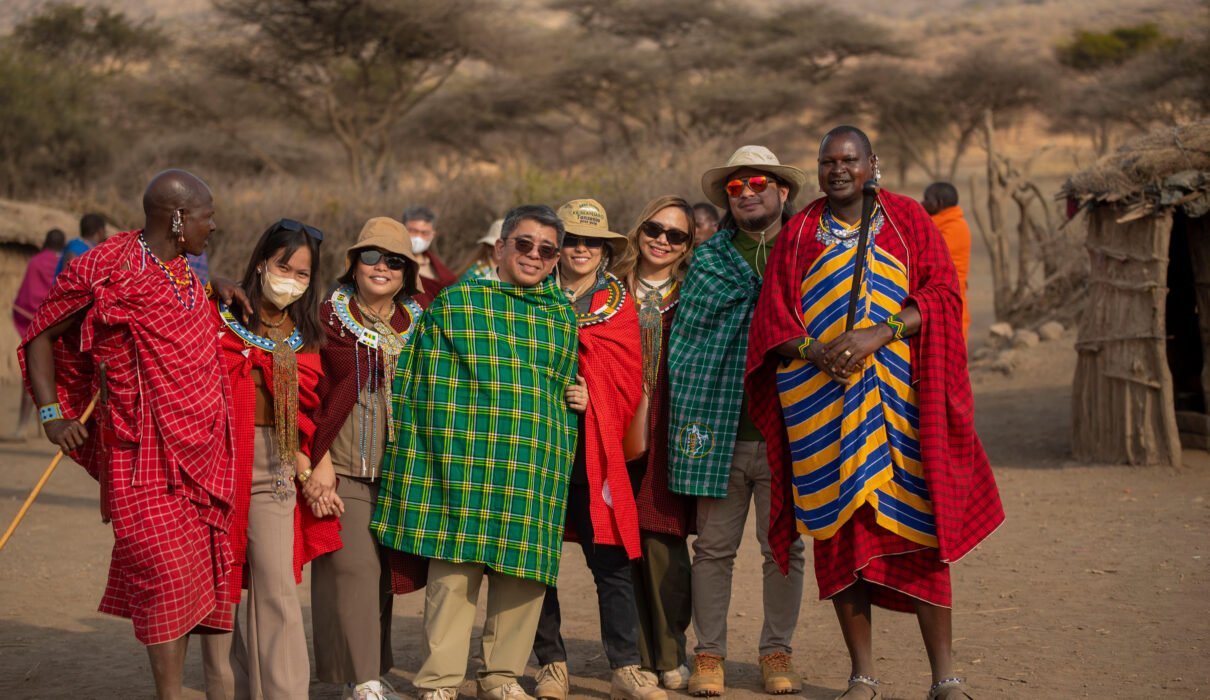
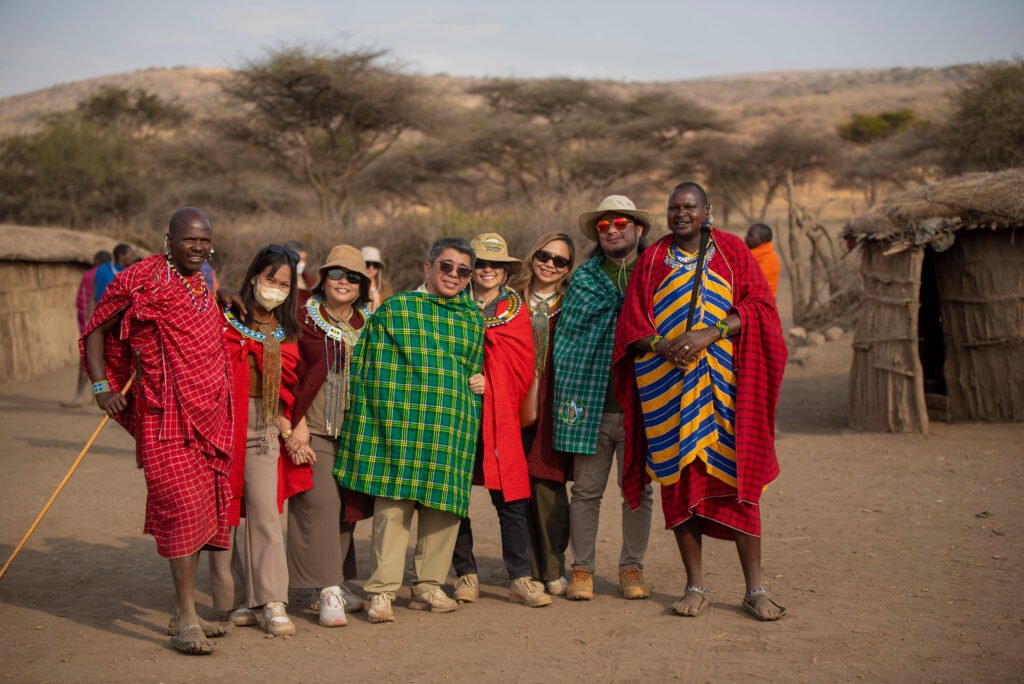
The Maasai are among Tanzania’s most recognized communities, known for their pastoral lifestyle and vibrant cultural identity. Research by JSTOR and Encyclopaedia Britannica shows how their traditions evolved through centuries of adaptation to semi-arid ecosystems. However, land pressure and policy reforms discussed by World Bank reports indicate challenges related to grazing access and cultural continuity.
Visitors seeking respectful engagement often explore Maasai areas through ethical operators like Eddy Tours & Safaris cultural tours, where interactions focus on learning rather than spectacle. These exchanges provide deeper understanding while supporting local livelihoods.
The Hadzabe: One of the Last Hunter-Gatherers
The Hadzabe of Lake Eyasi represent one of the last true hunter-gatherer societies in East Africa. Studies from University of Cambridge and Harvard University describe their language and lifestyle as rare cultural treasures. However, land encroachment, discussed in publications by ScienceDirect, threatens their way of life.
Responsible tourism programs arranged through Eddy Tours & Safaris experiences aim to balance education and conservation, ensuring community consent and benefit-sharing remain central.
The Datoga: Skilled Artisans and Farmers
The Datoga community is respected for ironworking, beadwork, and pastoral traditions. Anthropological insights published by Taylor & Francis and ResearchGate reveal their strong social organization and craftsmanship traditions. However, environmental stress noted by the FAO affects agricultural productivity, influencing migration and adaptation.
Threats Facing Indigenous Cultures in Tanzania
Across Tanzania, indigenous communities confront multiple pressures that affect both tangible and intangible heritage. Reports from the United Nations and Amnesty International emphasize the importance of protecting land rights while supporting development goals. Climate change documented by IPCC assessments has intensified drought cycles, impacting pastoralist systems.
Modernization also brings education and healthcare improvements, yet it challenges traditional knowledge systems. Academic work from University of Oxford and London School of Economics highlights the complex balance between development and cultural continuity.
Urbanization and Cultural Shift
Rapid urban growth discussed by UN-Habitat encourages migration among younger generations seeking employment opportunities. While migration supports economic growth, it often reduces intergenerational knowledge transfer, weakening traditions.
Environmental Changes and Land Pressure
Environmental research by Nature and PNAS confirms that ecosystem degradation affects traditional livelihoods directly. Conservation groups such as African Wildlife Foundation advocate collaborative solutions that respect both wildlife protection and human rights.
Preservation Efforts and Cultural Revival
Preserving Tanzania’s cultural heritage requires partnerships among communities, governments, and global organizations. UNESCO programs and academic initiatives from SOAS University of London emphasize documentation, language preservation, and sustainable development models. Local tourism operators like Eddy Tours & Safaris community visits help fund education projects and craft cooperatives.
Digital platforms, including resources on Google and research archives from Library of Congress, also support awareness campaigns that connect younger audiences with heritage.
Responsible Tourism and Cultural Respect
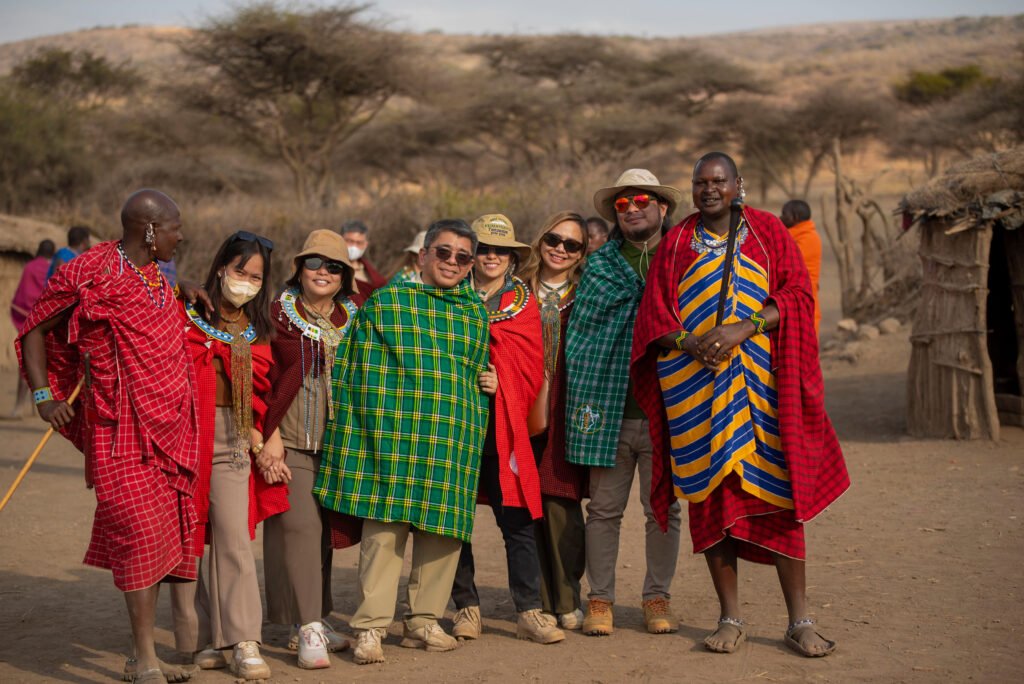
Ethical travel can strengthen cultural preservation when conducted responsibly. Organizations such as GlobalGiving and UNWTO recommend community-led experiences that prioritize dignity and participation. Travelers often explore these opportunities through curated journeys like Eddy Tours & Safaris itineraries or combine them with treks organized by Kilimanjaro Climb Specialist.
By 2026, 2027, and 2028, experts anticipate stronger collaboration between tourism stakeholders and indigenous leaders, creating frameworks that ensure economic benefits remain within communities while traditions stay protected.
Future Outlook for Tanzania’s Indigenous Cultures
The future of Tanzania’s endangered cultures depends on education, awareness, and policy frameworks that respect indigenous rights. Think tanks such as Brookings Institution and Chatham House stress inclusive governance models that involve local communities in planning processes. Partnerships with universities like University of Dar es Salaam also strengthen research-based solutions.
With thoughtful collaboration and ethical engagement, Tanzania’s rich cultural tapestry can thrive well into the future, inspiring travelers and scholars alike.
Frequently Asked Questions
What makes Tanzania’s indigenous cultures unique?
Tanzania’s cultures are shaped by geography, climate, and history, creating distinct traditions across regions. Their diversity reflects centuries of adaptation and resilience.
Why are some Tanzanian tribes endangered?
Land pressure, modernization, climate change, and migration are key factors influencing cultural survival today.
Can tourists visit indigenous communities respectfully?
Yes, but it is important to choose ethical operators and follow community guidelines to ensure respectful interaction.
How does tourism support cultural preservation?
Responsible tourism can generate income for education, healthcare, and craft industries while encouraging pride in cultural identity.
Are younger generations maintaining traditions?
Many young people balance modern education with cultural knowledge, though urban migration remains a challenge.
What role do NGOs play in protecting these cultures?
NGOs often support advocacy, education programs, land rights initiatives, and research collaborations.
Conclusion
Tanzania’s Endangered Tribes and Culture 2026,2027,2028 is not simply about history; it is about a living legacy shaped by people who continue to adapt while preserving identity. Through responsible tourism, education, and collaborative conservation efforts, the cultural heritage of Tanzania can remain vibrant for generations. Visitors who engage thoughtfully and respectfully help ensure these traditions continue to flourish well beyond 2028.