
Traditional Clothing of Tanzania: Kanga, Kitenge, Shuka reflects centuries of culture, identity, and artistic creativity across East Africa. From colorful coastal fabrics to bold Maasai wraps, these garments tell stories of heritage, social roles, and changing lifestyles in Tanzania. In 2026 and beyond, they remain relevant not only for ceremonies but also for everyday wear, tourism, and fashion innovation. Travelers exploring culture with Eddy Tours & Safaris often discover how clothing connects communities, environment, and tradition in meaningful ways.
Understanding Traditional Clothing of Tanzania: Kanga, Kitenge, Shuka also helps visitors respect cultural values and appreciate the country beyond landscapes and wildlife. Tanzania’s fabrics are influenced by trade routes, Swahili heritage, and regional craftsmanship that evolved alongside agriculture and pastoral life, as documented by organizations like UNESCO and Encyclopaedia Britannica. This guide explores their meaning, history, symbolism, and continued role in modern Tanzanian life.
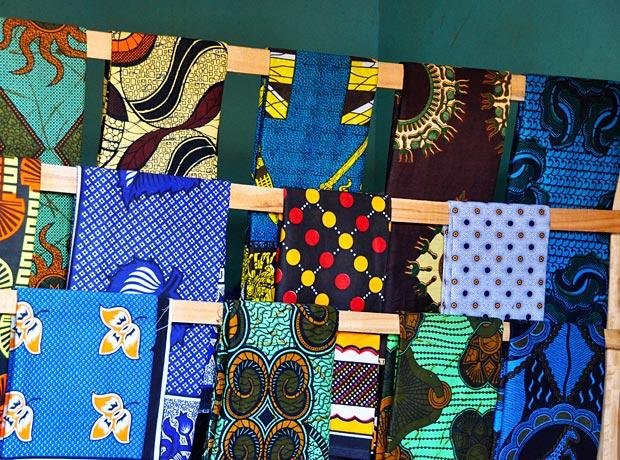
Traditional Clothing of Tanzania: Kanga, Kitenge, Shuka in Cultural Context
Across Tanzania, clothing serves practical, symbolic, and social purposes, and Traditional Clothing of Tanzania: Kanga, Kitenge, Shuka illustrates how textiles function as cultural language. In coastal regions, fabrics evolved alongside trade networks connecting East Africa with Asia and the Middle East, supported by historical research from The Metropolitan Museum of Art and Victoria and Albert Museum. Inland communities developed their own styles shaped by climate and pastoral traditions.
Today, these garments reflect Tanzania’s diversity, much like its ecosystems studied by World Wildlife Fund and IUCN. Visitors joining cultural trips through Tanzania cultural tours often observe how traditional attire blends with modern fashion, symbolizing pride in identity while adapting to urban life.
The History Behind Traditional Clothing of Tanzania: Kanga, Kitenge, Shuka
The story of Traditional Clothing of Tanzania: Kanga, Kitenge, Shuka dates back centuries, shaped by commerce, migration, and artistic exchange. Scholars at National Geographic Society and Library of Congress highlight how Indian Ocean trade influenced fabric patterns and dyes along the Swahili Coast.
Colonial-era textiles also shaped modern designs, as noted by Smithsonian Institution and British Library. Over time, Tanzanians adapted imported materials into unique garments suited to local customs and environments. Travelers exploring Tanzania through Tanzania safari packages often encounter living examples of these traditions in villages and towns.
Kanga: Symbolism, Meaning, and Everyday Use
Origins and Social Messages
The kanga stands out in Traditional Clothing of Tanzania: Kanga, Kitenge, Shuka for its poetic Swahili messages printed along borders. Researchers at SOAS University of London explain that kangas often communicate emotions, advice, or humor. Women use them in daily life, ceremonies, and childcare, making them one of the most versatile garments in East Africa.
Design and Cultural Expression
Patterns often reflect nature, including motifs inspired by ecosystems studied by Conservation International and African Wildlife Foundation. Visitors traveling with Zanzibar tours frequently see kangas in markets, weddings, and festivals, showing how tradition thrives in modern spaces.
Kitenge: Elegance and Contemporary Fashion
Fabric Characteristics and Uses
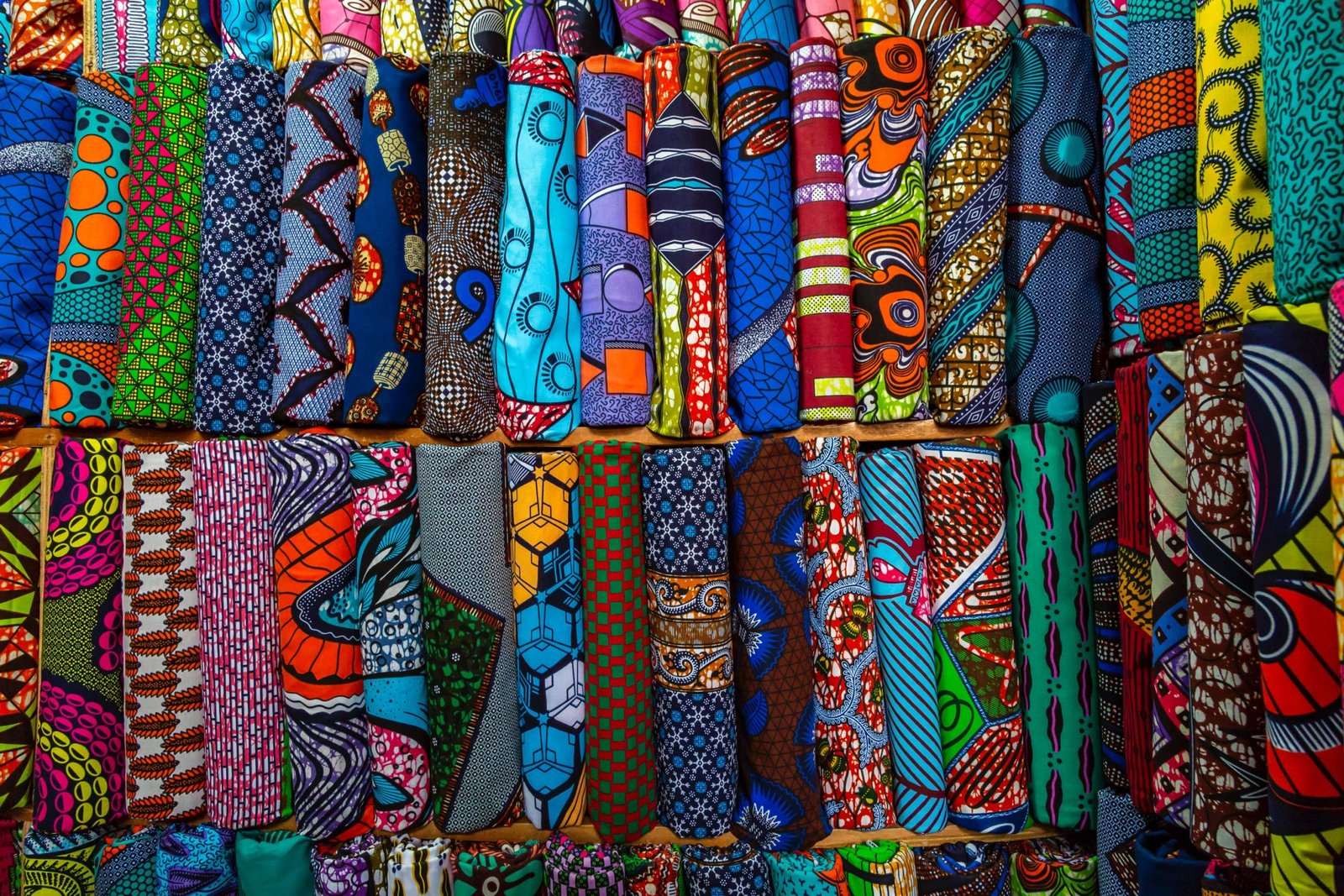
Kitenge remains central to Traditional Clothing of Tanzania: Kanga, Kitenge, Shuka due to its thicker cotton fabric and vibrant prints. According to textile studies by Fashion History Museum, kitenge is popular for tailored dresses, suits, and formal attire.
Modern Adaptation
Designers across Africa reinterpret kitenge, aligning with global sustainability conversations highlighted by UN Environment Programme and FAO. Cultural travelers booking experiences with Tanzania day trips often notice younger generations blending kitenge with Western fashion styles.
Shuka: Identity of the Maasai Community
Cultural Significance
The Maasai shuka represents strength and identity within Traditional Clothing of Tanzania: Kanga, Kitenge, Shuka. Anthropological insights from Natural History Museum London show how bright red patterns symbolize courage and protection.
Practical Use and Global Recognition
Shukas suit pastoral life across savannah landscapes documented by Serengeti Research Institute and Tanzania National Parks Authority. Travelers on Serengeti safari tours often encounter Maasai communities proudly wearing shukas.
Regional Differences in Traditional Clothing
Across Tanzania, climate and culture influence how Traditional Clothing of Tanzania: Kanga, Kitenge, Shuka is worn. Coastal communities prefer lighter fabrics suited to humid weather studied by NOAA, while inland regions adapt styles to cooler climates described by NASA. Cultural exchange continues as people migrate and urbanize.
Traditional Clothing in Ceremonies and Festivals
From weddings to naming ceremonies, Traditional Clothing of Tanzania: Kanga, Kitenge, Shuka plays a central role in celebrations. Cultural documentation from African Studies Center highlights how garments express status and unity. Visitors attending events during trips organized through Eddy Tours & Safaris often experience these traditions firsthand.
Influence on Modern Fashion and Tourism
Fashion schools and cultural researchers such as Parsons School of Design observe how Traditional Clothing of Tanzania: Kanga, Kitenge, Shuka inspires contemporary fashion worldwide. Sustainable travel initiatives promoted by Global Citizen encourage respectful engagement with local artisans.
Conservation, Craftsmanship, and Sustainability
Preserving textile heritage connects with broader sustainability efforts led by World Bank and United Nations. Supporting local artisans helps protect cultural traditions while contributing to economic development in Tanzania.
FAQs About Traditional Clothing of Tanzania: Kanga, Kitenge, Shuka
What is the difference between kanga and kitenge?
Kanga is lighter with Swahili sayings, while kitenge is thicker and often tailored into structured garments.
Why is the shuka important to Maasai culture?
The shuka symbolizes strength, protection, and identity for the Maasai people.
Can tourists wear traditional clothing?
Yes, when worn respectfully and appropriately during cultural experiences.
Where can I buy authentic Tanzanian clothing?
Local markets and artisan shops provide authentic options.
Is traditional clothing still worn daily?
Yes, especially in rural areas and during ceremonies.
How has modernization affected traditional clothing?
Modernization has blended traditional styles with contemporary fashion trends.
Conclusion
In conclusion, Traditional Clothing of Tanzania: Kanga, Kitenge, Shuka represents far more than fashion; it reflects history, identity, and resilience across generations. Whether worn for daily life or ceremonies, these garments remain central to Tanzanian culture in 2026, 2027, and 2028. Travelers who explore Tanzania with cultural awareness often find that clothing offers one of the most meaningful connections to its people and traditions.