
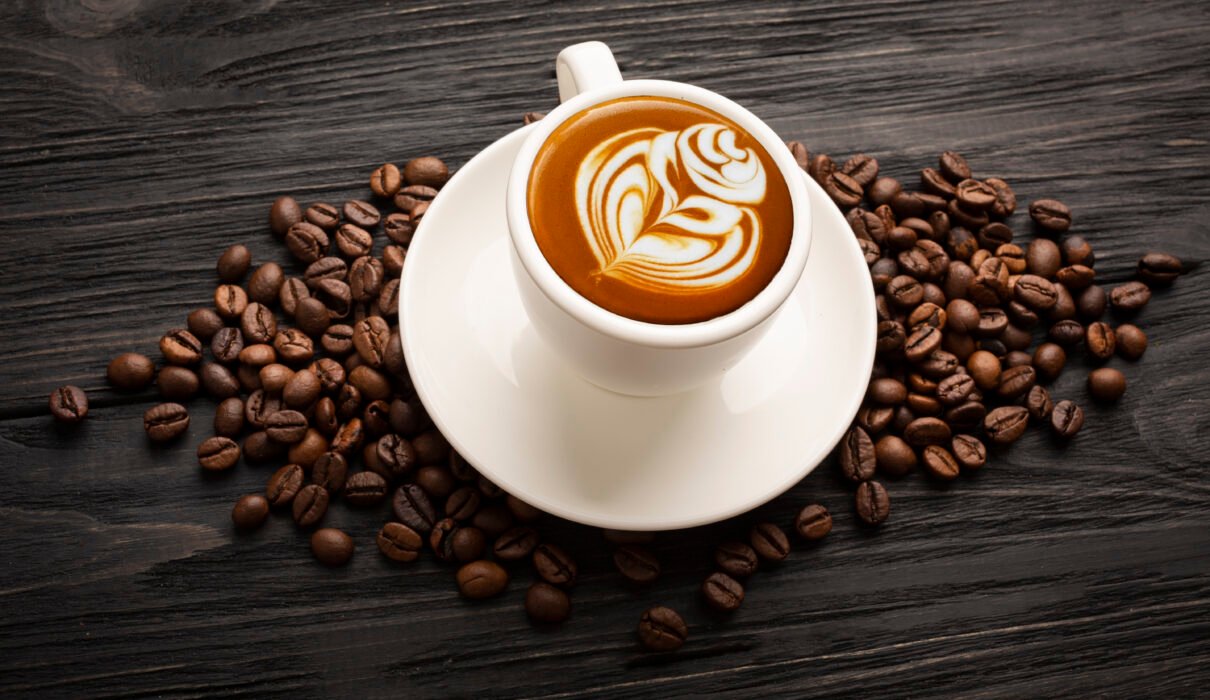
The World’s Best Coffee: Searching for the Finest Arabica is more than just a journey for caffeine lovers; it is a deep exploration of culture, climate, science, and taste. Coffee drinkers across the globe continue to debate what truly defines excellence in a cup, especially as global trends shift through 2026, 2027, and even toward 2028. While many factors shape quality, Arabica beans consistently stand out due to their refined flavor, delicate aroma, and complex profile that appeals to both casual drinkers and connoisseurs alike. Understanding where the finest beans grow and how they are cultivated helps coffee lovers appreciate each sip more fully.
From the volcanic soils of East Africa to the misty mountains of Latin America, coffee regions each contribute unique tasting notes and cultural traditions. Travelers who enjoy cultural discovery often combine coffee exploration with adventure experiences such as African wildlife safaris, Kilimanjaro trekking, Serengeti adventures, Ngorongoro tours, and Tanzania cultural trips. These journeys enrich the appreciation of coffee by connecting it with landscapes and communities.

The World’s Best Coffee: Searching for the Finest Arabica Origins
To understand The World’s Best Coffee: Searching for the Finest Arabica, it is essential to explore its origins. Arabica coffee traces its roots back to Ethiopia, where traditional ceremonies still celebrate coffee’s heritage today. Research by institutions like FAO and World Coffee Portal highlights how Ethiopia’s heirloom varieties remain among the most prized globally.
In Latin America, regions such as Colombia and Guatemala are studied extensively by organizations like Cenicafé and USDA Agricultural Research Service, demonstrating how altitude and rainfall influence flavor clarity. Similarly, conservation research by World Coffee Research explains how biodiversity preservation protects coffee ecosystems.
East Africa also contributes distinctive floral and citrus notes. Environmental insights from UNEP and Conservation International emphasize how climate stability affects coffee sustainability, making environmental awareness central to sourcing exceptional Arabica beans.
Climate and Soil Impact on Arabica Quality
Experts often agree that altitude between 1,200 and 2,000 meters produces the best beans. Studies from NASA and NOAA highlight how temperature fluctuations influence bean development. Soil richness also plays a role, with volcanic soils studied by USGS contributing to complex flavor compounds.
Regions supported by conservation groups such as Rainforest Alliance and Fairtrade International often produce higher-quality beans due to sustainable farming practices. These findings reinforce the idea that environmental stewardship is closely tied to taste.
Flavor Profiles That Define the Finest Arabica
The World’s Best Coffee: Searching for the Finest Arabica requires attention to sensory experience. Arabica beans are known for bright acidity, floral fragrance, and layered sweetness. Research from Specialty Coffee Association shows how cupping scores evaluate aroma, acidity, body, and aftertaste.
Central American beans often present chocolatey sweetness and nutty tones, while African coffees deliver berry-like acidity. Scientific evaluations by NCBI explain how chemical compounds such as chlorogenic acids shape these characteristics. Meanwhile, global trade analyses by UNCTAD reveal how consumer demand continues shifting toward specialty-grade Arabica.
Roasting Levels and Taste Balance
Roasting transforms raw beans into aromatic masterpieces. Light roasts highlight acidity and origin character, while darker roasts emphasize body and bitterness. According to food science findings from Institute of Food Science & Technology, roasting temperature significantly alters volatile compounds that shape aroma.
For many enthusiasts following The World’s Best Coffee: Searching for the Finest Arabica, medium roasts provide the ideal balance between brightness and sweetness, offering a versatile experience across brewing styles.
Brewing Techniques for the Perfect Cup
Brewing methods greatly influence how flavors emerge. Research by Encyclopaedia Britannica explains how extraction variables such as grind size and water temperature affect final taste. Pour-over brewing preserves clarity, while espresso concentrates sweetness and body.
Water quality is equally important. Studies by World Health Organization emphasize mineral balance in drinking water, which impacts extraction efficiency. Home brewers experimenting with filtration often notice improved flavor clarity when using balanced mineral water.
Grinding and Freshness Considerations
Grinding immediately before brewing preserves aroma and complexity. Food chemistry research from ScienceDirect highlights how oxidation rapidly reduces volatile compounds. Airtight storage also extends freshness, reinforcing why many professionals recommend buying whole beans.
Global Coffee Culture and Consumer Trends
The World’s Best Coffee: Searching for the Finest Arabica reflects evolving cultural habits. Urban coffee culture continues expanding worldwide, influenced by social trends tracked by Statista. Specialty cafés now emphasize traceability, ethical sourcing, and direct trade relationships.
Academic insights from Cambridge University Press suggest younger consumers prioritize sustainability and transparency. Meanwhile, economic data from World Bank illustrates how coffee exports support millions of farmers globally.
Sustainability and Ethical Sourcing
Organizations like Oxfam advocate fair pricing for farmers, ensuring long-term viability of Arabica production. Conservation work by WWF highlights the importance of protecting forest habitats where coffee thrives.
These efforts ensure that future generations will continue discovering The World’s Best Coffee: Searching for the Finest Arabica while supporting communities and ecosystems.
How to Identify Premium Arabica Beans
Experts recommend checking origin labels, roast dates, and grading certifications. Guidance from ISO and Codex Alimentarius outlines quality standards for coffee grading. Beans should appear uniform in size and color, without visible defects.
When tasting, pay attention to balance and aftertaste. According to sensory research from Frontiers in Nutrition, sweetness and complexity are key markers of premium Arabica quality.
Future Outlook for Arabica Coffee
Climate change poses challenges to Arabica production, as discussed in reports by IPCC. Rising temperatures may shift growing zones, affecting availability and flavor profiles. Yet innovations in agricultural science from CGIAR aim to protect yields through resilient varieties.
As global demand grows, The World’s Best Coffee: Searching for the Finest Arabica will continue evolving with technological advancements, sustainability practices, and changing consumer tastes.
Conclusion
The World’s Best Coffee: Searching for the Finest Arabica ultimately blends science, geography, and human craftsmanship into one remarkable experience. From Ethiopian highlands to Latin American valleys, every region contributes its unique story and flavor signature. As coffee culture advances through 2026, 2027, and beyond, the pursuit of exceptional Arabica remains a fascinating journey for drinkers worldwide.