
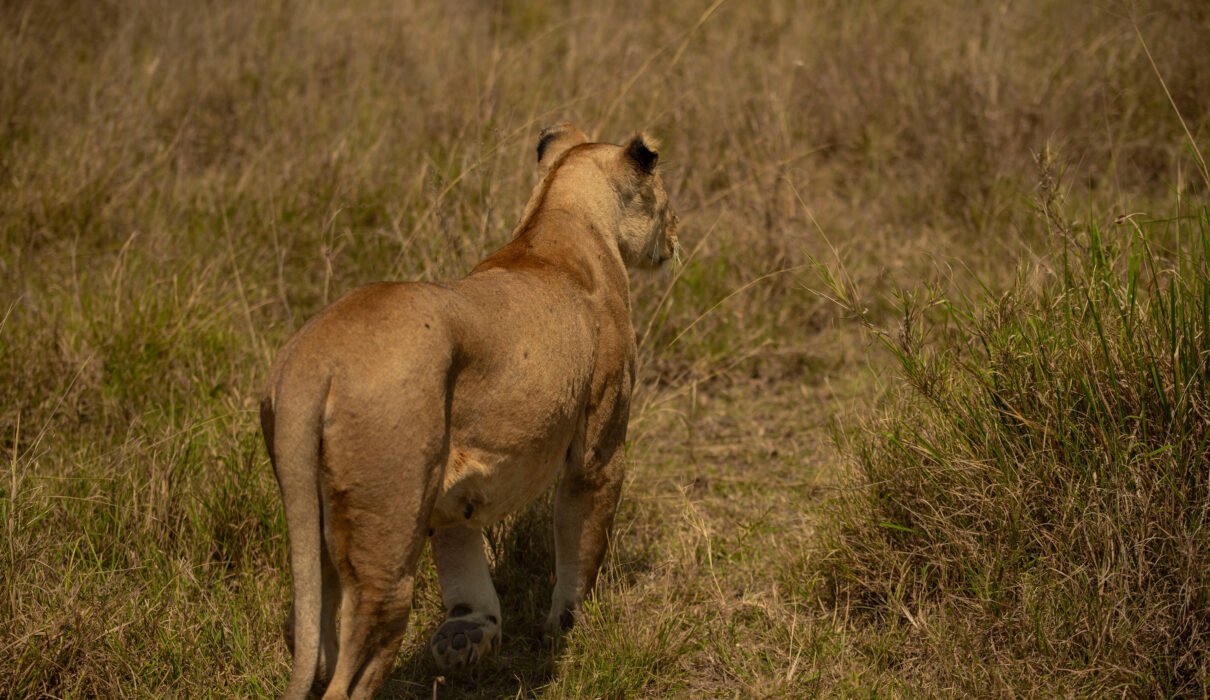
Northern Tanzania Safari Trends 2026/2027/2028: What Visitors Experience Most continues to shape how travelers explore Africa’s most iconic wilderness. Across Serengeti plains, Ngorongoro’s volcanic landscapes, and Tarangire’s baobab valleys, visitors today experience safaris that are more immersive, sustainable, and personalized than ever before. Travelers increasingly seek authentic wildlife moments, deeper cultural exchanges, and eco-conscious adventures that blend comfort with conservation awareness.
Over the next few years, safari expectations are evolving quickly. Visitors want flexible itineraries, expert-guided experiences, and thoughtfully curated journeys that feel meaningful rather than rushed. These changes reflect global travel trends, conservation priorities, and technological advancements that influence how people explore Tanzania’s northern circuit.
Tour operators such as Eddy Tours & Safaris are adapting to meet these changing expectations by offering tailored itineraries, eco-conscious accommodations, and knowledgeable guides who understand both wildlife behavior and traveler preferences. This article explores what travelers actually experience on safari today and how emerging trends shape unforgettable journeys through northern Tanzania.
Northern Tanzania Safari Trends 2026/2027/2028: What Visitors Experience Most on Arrival
Visitors arriving in Arusha or Kilimanjaro International Airport increasingly notice improved logistics, smoother transfers, and better infrastructure compared to previous years. Travel companies now focus on seamless arrivals that reduce stress and maximize time spent exploring wildlife areas.
Many travelers begin their journey with short acclimatization stays in Arusha, allowing them to rest before heading into the wilderness. According to insights shared by organizations like IUCN and UNEP, sustainable travel planning now plays a vital role in reducing environmental strain while enhancing guest satisfaction.
Today’s safari arrivals feel organized yet relaxed. From efficient visa procedures to welcoming lodges, visitors often describe the beginning of their journey as smooth and reassuring.
Personalized Transfers and First Impressions
Private transfers and small group arrangements dominate recent travel patterns. Instead of crowded buses, visitors now prefer personalized vehicles guided by experienced professionals. This approach aligns with responsible tourism principles promoted by UNWTO and conservation-driven initiatives supported by African Wildlife Foundation.
First impressions also include warm hospitality. Guides share local insights during drives, introducing visitors to Tanzanian culture, geography, and wildlife ecosystems.
Wildlife Encounters Driving Northern Tanzania Safari Trends 2026/2027/2028: What Visitors Experience Most
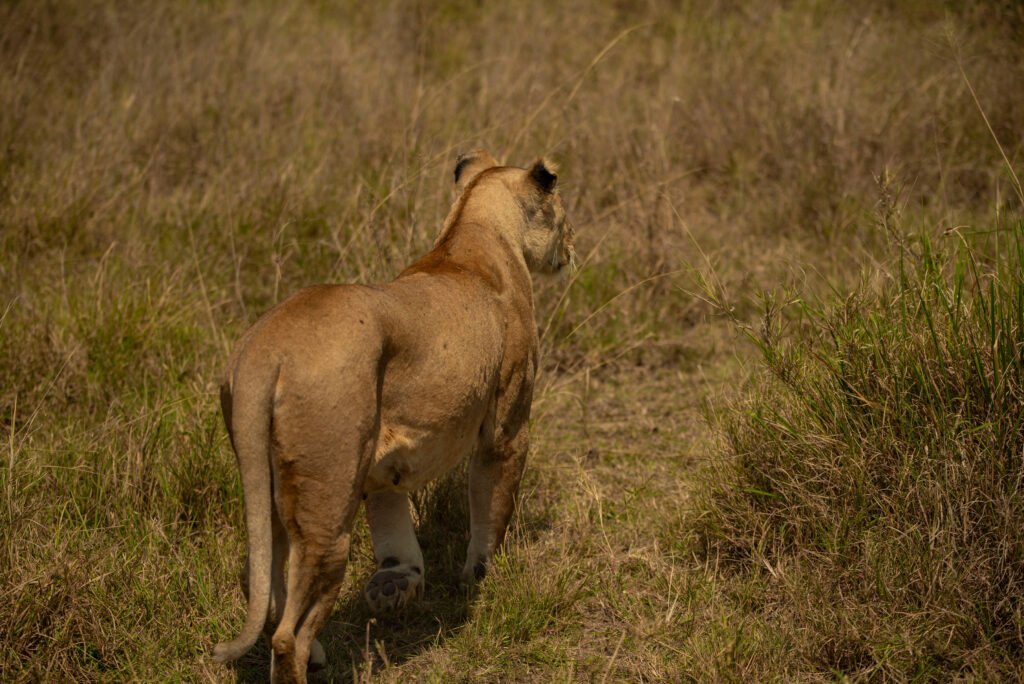
Wildlife remains the central attraction. However, visitor expectations now emphasize quality encounters over quantity. Instead of rushing between sightings, travelers increasingly value extended observation time with fewer disturbances.
Research shared by National Geographic Society and World Wildlife Fund highlights how slow tourism enhances both wildlife welfare and visitor satisfaction.
The Great Migration Experience
The Serengeti migration continues to attract global attention. Visitors consistently describe witnessing river crossings and predator interactions as life-changing moments. Conservation partners such as Serengeti Watch and Wildlife Conservation Society emphasize responsible viewing distances to protect animals during peak seasons.
Travelers also increasingly plan visits during quieter months to avoid crowds and experience migration movements at a relaxed pace.
Big Five Sightings and Rare Species
Guests frequently report sightings of lions, elephants, buffalo, leopards, and rhinos across Ngorongoro and Serengeti. Scientific monitoring programs led by Save the Rhino and Panthera help protect these species while educating visitors about conservation challenges.
Many travelers also seek lesser-known wildlife such as servals, bat-eared foxes, and diverse birdlife, reflecting growing interest in biodiversity.
Eco-Conscious Travel Shaping Visitor Experiences
Environmental responsibility strongly influences safari choices. Travelers increasingly select lodges with renewable energy systems, water conservation practices, and community partnerships. Reports from Global Forest Watch and Conservation International show rising awareness of sustainable tourism.
Many visitors now actively support conservation by choosing responsible operators like Eddy Tours & Safaris, who prioritize ethical wildlife viewing and local employment.
Eco-Lodges and Low-Impact Design
Modern safari lodges emphasize natural architecture, solar power, and locally sourced materials. Organizations such as Global Sustainable Tourism Council promote certification standards that guide eco-friendly development.
Guests often describe these lodges as peaceful sanctuaries blending comfort with wilderness immersion.
Cultural Encounters Transforming Safari Experiences
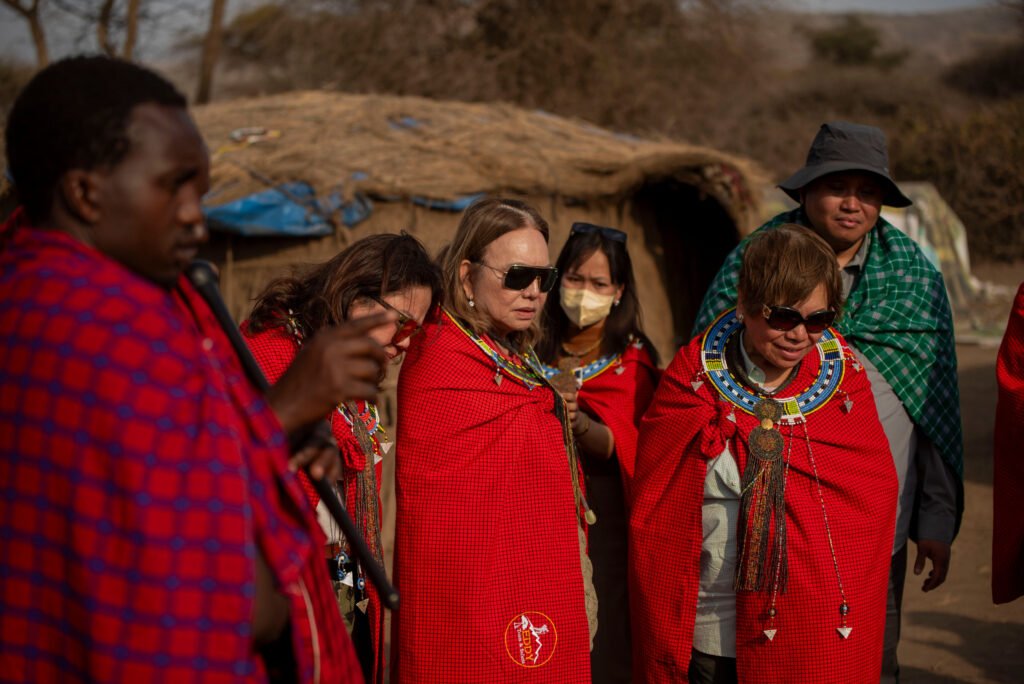
Cultural immersion has become essential to modern safaris. Visitors increasingly participate in village visits, traditional storytelling sessions, and craft demonstrations.
Programs supported by IFAD and UNESCO encourage respectful cultural exchanges that benefit local communities.
Authentic Maasai Experiences
Travelers frequently describe interactions with Maasai communities as meaningful highlights. Guided visits offer insights into traditions, livestock management, and environmental stewardship.
Operators like Eddy Tours & Safaris coordinate experiences that emphasize respect and authenticity rather than staged performances.
Technology Enhancing Northern Tanzania Safari Trends 2026/2027/2028: What Visitors Experience Most
Technology continues transforming safari planning and experiences. Digital booking platforms, GPS tracking, and wildlife databases improve efficiency and knowledge sharing.
Research institutions such as Smithsonian Institution and University of Cambridge support technological innovation in conservation science.
Smart Safari Vehicles and Photography Trends
Modern safari vehicles now include charging ports, stabilizing seats, and camera-friendly designs. Visitors often carry advanced photography equipment to capture wildlife moments responsibly.
Educational resources from BBC and NASA Earth Observatory inspire travelers to document ecosystems thoughtfully.
Seasonal Travel Patterns and Crowd Management
Seasonal planning strongly shapes visitor experiences. Travelers increasingly avoid peak crowds by visiting shoulder seasons, which offer quieter landscapes and unique wildlife activity.
Data from NOAA and UK Met Office helps predict weather patterns and migration timing.
Green Season Opportunities
The green season offers lush scenery, newborn animals, and fewer vehicles at sightings. Many visitors describe this period as peaceful and photogenic.
Operators like Eddy Tours & Safaris increasingly recommend green season travel for experienced safari-goers seeking quieter experiences.
Luxury Meets Authenticity
Modern safaris balance comfort with authenticity. Travelers want elegant accommodations without losing connection to nature.
Industry insights shared by World Economic Forum highlight growing demand for experiential luxury.
Private Mobile Camps
Private camps allow visitors to follow wildlife movements closely. These flexible setups provide privacy while minimizing environmental impact.
Guests often describe evenings around campfires as deeply memorable moments.
Adventure Extensions Beyond Safari
Travelers increasingly combine safaris with trekking, beach escapes, and cultural tours. For example, some combine wildlife experiences with climbs through Kilimanjaro Climb Specialist itineraries.
Others extend journeys to Zanzibar for coastal relaxation, supported by marine conservation efforts from Marine Conservation Society.
Health, Safety, and Comfort Trends
Post-pandemic travel priorities emphasize hygiene, medical preparedness, and flexible booking policies. Institutions like WHO and CDC influence safety protocols across safari operations.
Travelers consistently report feeling secure due to well-trained guides and organized logistics.
Food and Culinary Experiences on Safari
Culinary offerings now reflect global tastes alongside local flavors. Guests enjoy fresh produce sourced from regional farms and traditional dishes prepared creatively.
Research by FAO highlights sustainable food sourcing practices shaping safari menus.
Conservation Education and Awareness
Educational components increasingly enrich safaris. Guides share knowledge about ecosystems, wildlife behavior, and conservation challenges.
Institutions such as University of Oxford and Harvard University contribute research supporting wildlife protection strategies.
Photography and Storytelling Trends
Social media influences how travelers document safaris. Visitors now focus on storytelling rather than staged images.
Resources from Getty encourage ethical wildlife photography practices.
Future Outlook for Northern Tanzania Safaris
The coming years promise continued evolution. Climate adaptation strategies guided by IPCC will shape ecosystem management and travel planning.
Operators like Eddy Tours & Safaris remain committed to innovation while preserving authentic safari values.
Conclusion
Northern Tanzania Safari Trends 2026/2027/2028: What Visitors Experience Most reflects a shift toward meaningful, sustainable, and deeply personal journeys. Visitors increasingly prioritize ethical travel, immersive wildlife encounters, and cultural understanding. As conservation and tourism continue evolving together, northern Tanzania remains one of Africa’s most inspiring destinations.