
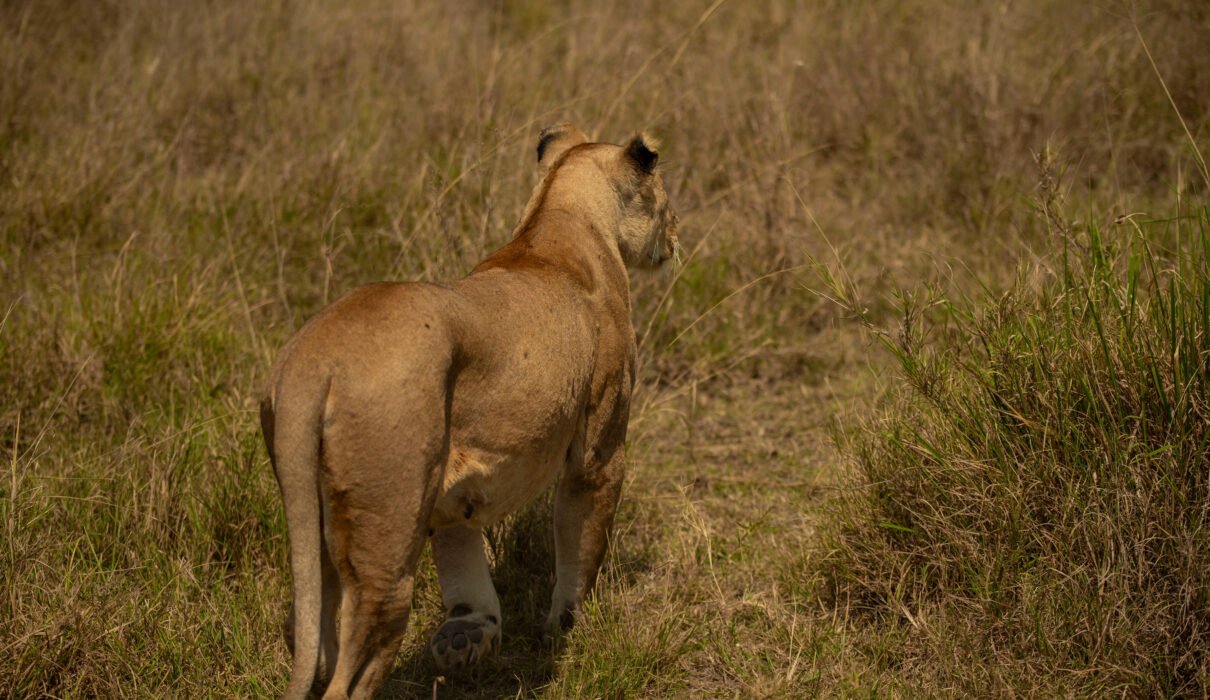
Serengeti Wildlife Viewing Trends 2026/2027/2028 are shaping the way travelers experience Africa’s most iconic safari destination, offering deeper insight into animal movements, climate shifts, and peak viewing periods. As conservation efforts evolve and climate patterns shift, understanding these trends is essential for planning a rewarding and responsible safari. This guide explores seasonal changes, wildlife behaviors, and practical strategies to help you maximize your experience in the Serengeti over the coming years.
The Serengeti ecosystem remains one of the most dynamic wildlife regions on Earth, supported by ongoing research from organizations such as World Wildlife Fund and National Geographic. With changing rainfall patterns and increasing conservation initiatives, safari experiences are becoming more strategic and informed than ever before.
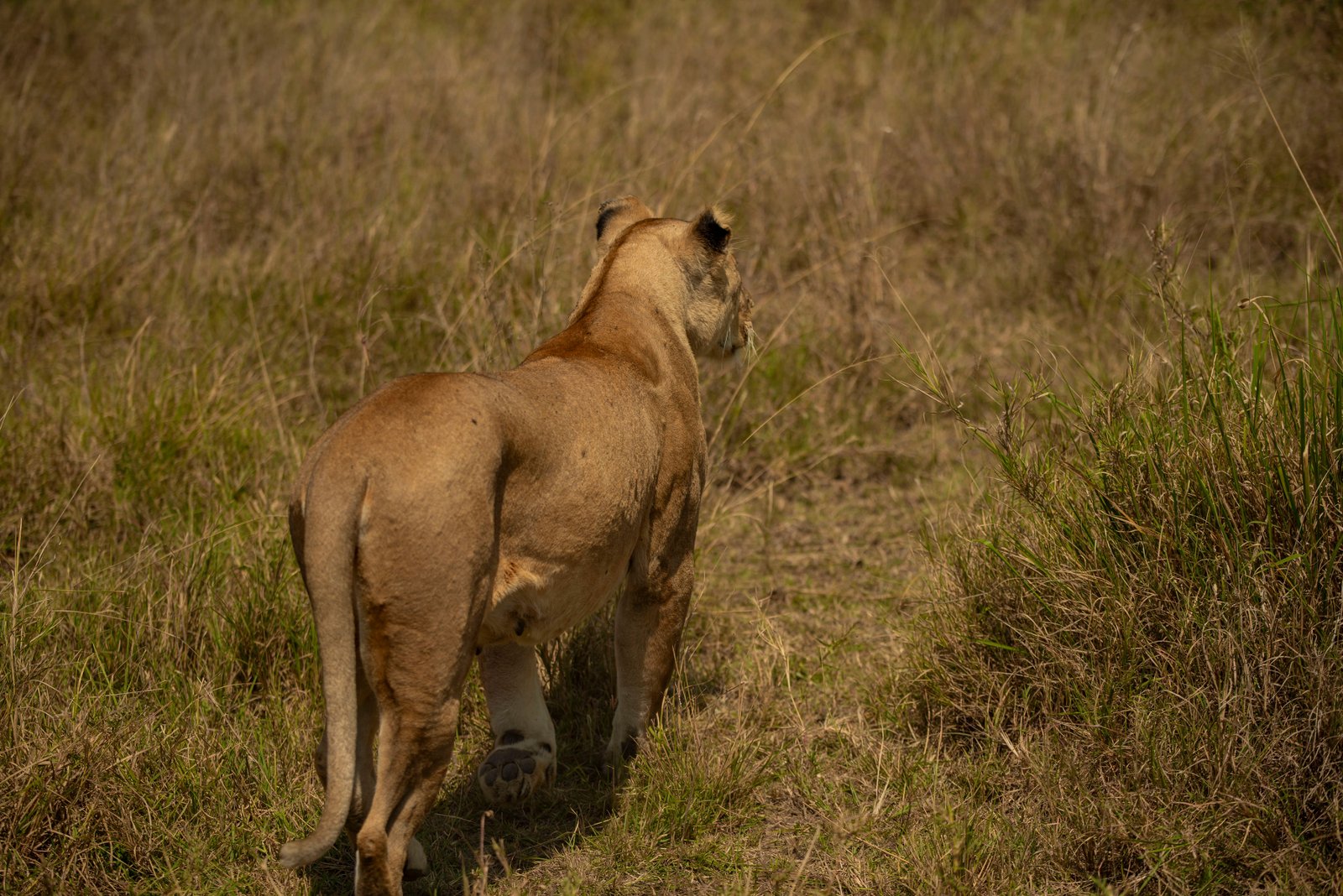
Understanding Serengeti Wildlife Viewing Trends 2026/2027/2028
The Serengeti’s wildlife viewing trends are influenced by rainfall, grass availability, and predator-prey interactions. Over the next three years, data from institutions like IUCN and Nature Journal suggest that migration timing may shift slightly earlier due to climate variability. This means travelers must be more flexible when planning their visits.
In recent years, wildlife monitoring programs supported by UN Environment Programme have highlighted subtle changes in herd movement. Wildebeest and zebra migrations are now more responsive to rainfall rather than fixed seasonal patterns. This shift creates both challenges and opportunities for visitors seeking prime wildlife encounters.
For the most accurate and up-to-date planning, it is recommended to consult expert safari operators such as Eddy Tours & Safaris, who closely monitor these evolving patterns to design tailored itineraries.
Key Factors Influencing Wildlife Viewing
Several key elements influence how wildlife behaves in the Serengeti. Rainfall remains the most critical factor, dictating where grazing animals move and where predators follow. Research from Encyclopedia Britannica confirms that grass nutrient cycles directly impact migration routes.
Additionally, conservation policies and anti-poaching measures implemented by organizations like African Wildlife Foundation are helping stabilize animal populations, making sightings more predictable in certain regions.
Seasonal Breakdown of Wildlife Viewing
January to March: Calving Season
This period marks one of the most exciting times in the Serengeti. Thousands of wildebeest calves are born in the southern plains, attracting predators such as lions and cheetahs. According to research shared by ScienceDirect, predator activity peaks during this time due to the abundance of vulnerable prey.
Travelers seeking dramatic wildlife action should consider booking early through trusted providers like Eddy Tours & Safaris, ensuring access to prime viewing locations.
April to May: Green Season
The rainy season transforms the Serengeti into a lush paradise. Although wildlife is more dispersed, this period offers fewer crowds and stunning landscapes. Insights from FAO highlight the importance of this season for ecosystem regeneration.
This is also an ideal time for photographers who prefer dramatic skies and vibrant scenery over dense wildlife concentrations.
June to July: Migration Begins
As the rains subside, herds begin their northward journey. This transitional phase is crucial for understanding Serengeti Wildlife Viewing Trends 2026/2027/2028, as timing can vary slightly each year. Data from NOAA indicates that shifting rainfall patterns may influence earlier movement in some years.
August to October: River Crossings
This is the most sought-after period for witnessing dramatic river crossings. Crocodiles lie in wait as thousands of animals attempt to cross the Mara River. Studies from The Nature Conservancy emphasize the ecological significance of this migration phase.
To secure the best viewing spots, booking through experienced safari planners is highly recommended.
November to December: Return Migration
The herds gradually return south as short rains begin. This period offers a quieter safari experience with excellent wildlife viewing opportunities. Reports from UNESCO highlight the Serengeti as a critical World Heritage Site during this phase.
Emerging Trends for 2026–2028
Looking ahead, Serengeti Wildlife Viewing Trends 2026/2027/2028 are expected to evolve due to climate change and conservation advancements. Research from NASA Climate suggests that rainfall variability will continue to influence migration timing.
Additionally, technological advancements such as GPS tracking and drone monitoring are improving wildlife management. Organizations like Conservation International are leading these innovations.
Increased Focus on Sustainable Tourism
Sustainable travel is becoming a priority for both operators and visitors. According to UN World Tourism Organization, eco-conscious travel is growing rapidly, and the Serengeti is at the forefront of this movement.
Choosing responsible operators such as Eddy Tours & Safaris ensures that your visit supports conservation efforts while delivering exceptional experiences.
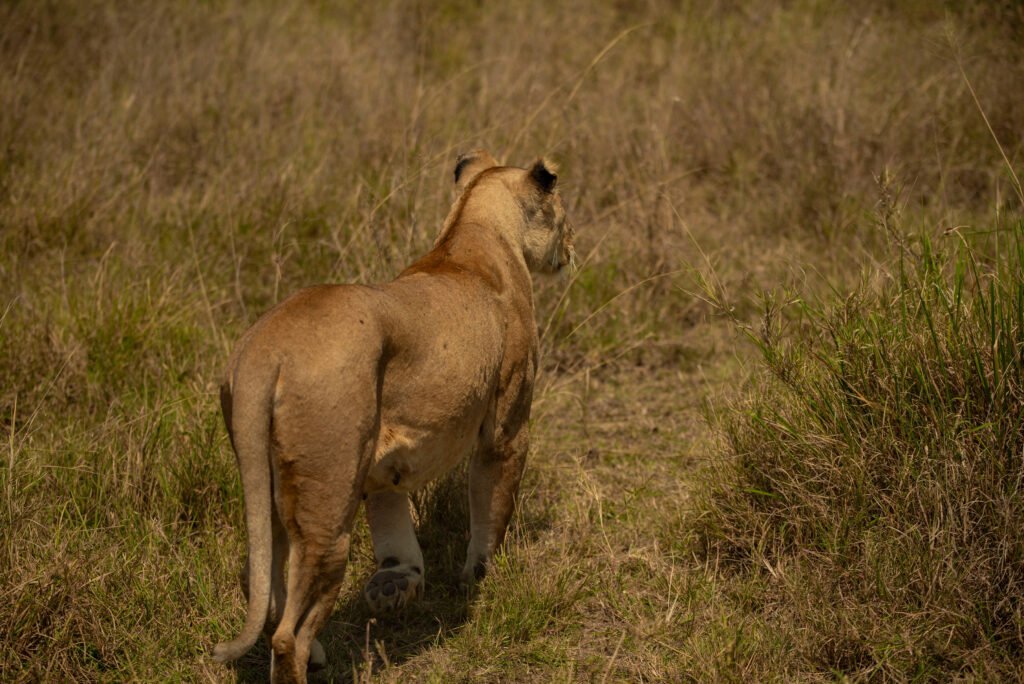
Best Strategies for Planning Your Safari
Planning a safari requires understanding both seasonal patterns and personal preferences. Whether you prioritize predator action or scenic landscapes, aligning your travel dates with Serengeti Wildlife Viewing Trends 2026/2027/2028 is essential.
Travelers should also consider combining their safari with other adventures, such as mountain trekking with Kilimanjaro Climb Specialist, for a complete Tanzanian experience.
Booking Tips
Advance booking is crucial, especially during peak migration months. Platforms like Google can help you compare options, but working directly with local experts often provides better value and insight.
Consulting scientific updates from sources like PNAS can also help you stay informed about changing wildlife patterns.
Conservation and Its Impact on Viewing Trends
Conservation efforts play a vital role in maintaining the Serengeti’s biodiversity. Initiatives supported by Wildlife Conservation Society and Panthera are helping protect key species such as lions and cheetahs.
These efforts ensure that future generations can continue to enjoy the Serengeti’s unique wildlife experiences.
FAQs
What is the best time to visit the Serengeti?
The best time depends on your interests. For migration and river crossings, visit between July and October. For calving season, January to March is ideal.
Are wildlife patterns changing?
Yes, Serengeti Wildlife Viewing Trends 2026/2027/2028 show slight shifts due to climate variability and conservation efforts.
Is the Serengeti safe for tourists?
Yes, with proper guidance from experienced safari operators, the Serengeti is a safe and well-managed destination.
How far in advance should I book?
It is recommended to book at least 6–12 months in advance, especially for peak seasons.
Can I visit year-round?
Yes, each season offers unique experiences, from lush landscapes to dramatic wildlife encounters.
What should I pack for a safari?
Pack neutral clothing, binoculars, sunscreen, and a good camera to capture unforgettable moments.
Conclusion
Serengeti Wildlife Viewing Trends 2026/2027/2028 provide valuable insights for travelers seeking unforgettable safari experiences. By understanding seasonal patterns, conservation efforts, and emerging trends, you can plan a journey that aligns with both your expectations and the natural rhythms of the Serengeti.
With expert guidance from Eddy Tours & Safaris and reliable information from global research organizations, your safari can become a truly transformative adventure.