

Climbing Mount Kilimanjaro is a remarkable experience for travellers who want to explore Tanzania beyond its famous wildlife parks. Standing at 5,895 metres above sea level, Mount Kilimanjaro is Africa’s highest mountain and one of the world’s most recognised trekking destinations. The 6-Day Marangu Route Kilimanjaro Climb for 2027, 2028 and 2029 offers a well-established way to reach the mountain’s summit while staying in permanent mountain huts instead of camping in tents. The route passes through tropical rainforest, open moorland, alpine desert and the cold volcanic landscape surrounding Kibo before reaching Uhuru Peak.
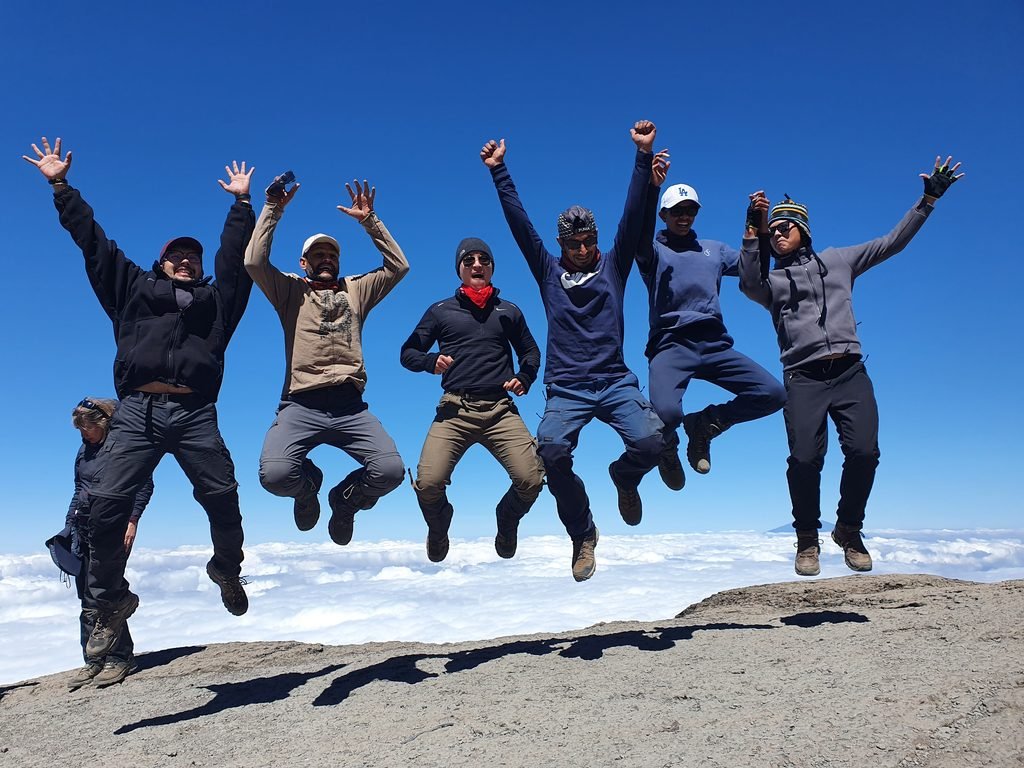
The Marangu Route, commonly called the Coca-Cola Route, is particularly popular among climbers who prefer established walking trails and basic indoor accommodation. Unlike the Machame Route, where climbers spend their nights in tents, Marangu provides shared mountain huts at Mandara, Horombo and Kibo. These facilities offer protection from the weather, sleeping platforms and communal areas, although they are simple mountain shelters rather than luxury accommodation. The six-day itinerary also includes an additional acclimatisation day at Horombo Hut, giving climbers more time to adjust to the altitude before continuing towards the summit.
At Eddy Tours & Safaris, we organise guided Kilimanjaro climbs for individuals, couples, families and small groups travelling to Tanzania. Our mountain programmes are arranged with experienced local guides, porters and cooks who support climbers throughout the expedition. Whether you are planning to climb Kilimanjaro in 2027, 2028 or 2029, this six-day Marangu package provides a clear itinerary, practical preparation advice and the opportunity to experience the mountain at a steady, carefully managed pace.
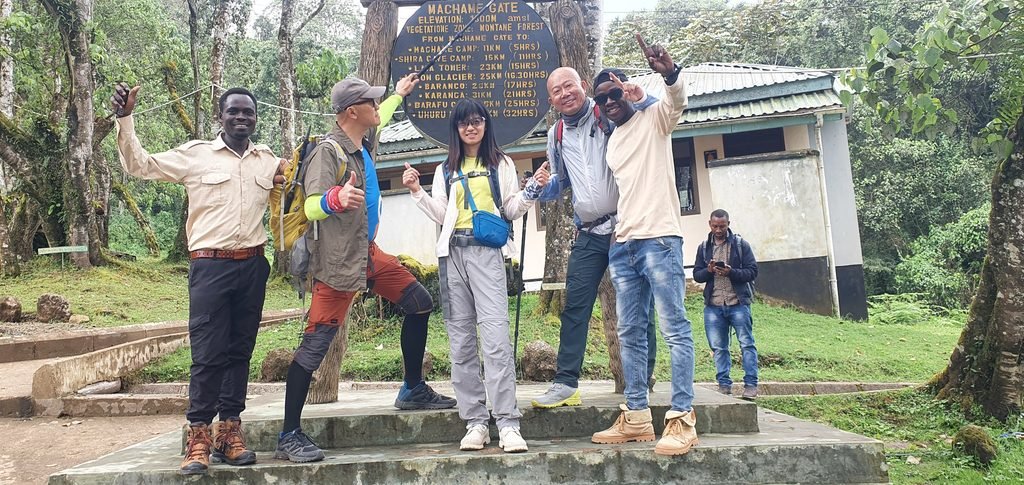
6-Day Marangu Route Kilimanjaro Climbing Package Overview
| Package information | Details |
|---|---|
| Package name | 6-Day Marangu Route Kilimanjaro Climb |
| Destination | Mount Kilimanjaro, Tanzania |
| Travel years | 2027, 2028 and 2029 |
| Duration | 6 days and 5 nights |
| Starting point | Marangu Gate |
| Finishing point | Marangu Gate |
| Maximum elevation | Uhuru Peak – 5,895 metres |
| Accommodation | Shared mountain huts |
| Main overnight stops | Mandara, Horombo and Kibo |
| Difficulty | Challenging high-altitude trekking |
| Acclimatisation | Extra day at Horombo Hut |
| Summit route | Kibo Hut – Gilman’s Point – Uhuru Peak |
| Departure arrangements | Private climbs and available group departures |
| Package price | Quotation available on request |
The itinerary covers six days on the mountain, including the summit attempt and return to Marangu Gate. Travellers arriving through Kilimanjaro International Airport can arrange accommodation in Moshi or Arusha before beginning their climb. Airport transfers, additional hotel nights and other travel services can also be organised when preparing a personalised quotation.

Why Choose the 6-Day Marangu Route for Kilimanjaro?
One of the main reasons travellers choose Marangu is the availability of permanent mountain huts. Sleeping indoors can be more convenient than pitching tents, particularly during rainy or windy conditions. Climbers generally share sleeping rooms and communal facilities, while the mountain support team prepares meals and manages daily arrangements. However, it is important to understand that hut accommodation does not make Kilimanjaro an easy mountain. The summit still requires considerable physical effort, especially when walking at high altitude in freezing temperatures.
The six-day itinerary is generally preferable to the shorter five-day programme because it includes an additional day at Horombo Hut. Instead of continuing directly towards Kibo, climbers spend time walking to a higher elevation before returning to Horombo for another night. This approach allows the body more time to adjust to the reduced oxygen available at altitude. Although an extra day cannot guarantee successful acclimatisation, it provides a more sensible schedule for many travellers who have limited previous experience above 3,000 metres.
Another advantage of Marangu is its clearly established trail. The ascent and descent follow the same main route, making navigation relatively straightforward for experienced mountain guides. Along the way, climbers encounter changing vegetation, views of Mawenzi Peak and the broad volcanic slopes of Kibo. Those comparing different Kilimanjaro routes can also explore the climbing information available from Kilimanjaro Climbing Specialist, which provides additional descriptions of mountain routes and trekking arrangements in Tanzania.
Complete 6-Day Marangu Route Kilimanjaro Climbing Itinerary
Day 1: Moshi – Marangu Gate – Mandara Hut
Elevation: Approximately 1,860 m to 2,720 m
Distance: Approximately 8–9 km
Walking time: 4–5 hours
Habitat: Tropical rainforest
Accommodation: Mandara Hut
Meals: Lunch and dinner
Your Kilimanjaro climb begins with a morning departure from your hotel in Moshi or another agreed collection point. After meeting your mountain guide and support team, you travel towards Marangu Gate on the southeastern slopes of Mount Kilimanjaro. The drive passes through villages, farms and green countryside where local communities cultivate bananas, coffee and other crops. Upon arrival, the guide completes the necessary registration procedures with Kilimanjaro National Park while the porters organise equipment, food and supplies for the expedition. Once registration is completed and everyone is ready, the first section of the climb begins.
The trail enters a dense rainforest where tall trees, ferns, mosses and thick vegetation create a cool walking environment. Depending on the weather and movement in the forest, climbers may see birds and monkeys, including black-and-white colobus monkeys. The path climbs gradually, although muddy sections can become slippery after rainfall. Your guide will encourage a comfortable walking pace, allowing the group to settle into the rhythm of mountain trekking. After approximately four to five hours, you arrive at Mandara Hut, where the team prepares dinner and helps everyone settle into their accommodation. If time and conditions allow, a short visit towards Maundi Crater may be arranged before returning to the hut for the night.
Day 2: Mandara Hut – Horombo Hut
Elevation: Approximately 2,720 m to 3,720 m
Distance: Approximately 11–12 km
Walking time: 5–7 hours
Habitat: Heath and moorland
Accommodation: Horombo Hut
Meals: Breakfast, lunch and dinner
After breakfast at Mandara Hut, the second day begins with a steady ascent through the remaining sections of rainforest. As the trail climbs higher, the trees gradually become smaller and the landscape opens into heath and moorland. This change in vegetation is one of the most noticeable features of the Marangu Route, with giant heather, grasses and distinctive mountain plants replacing the thick forest of the previous day. On clear mornings, climbers can enjoy views towards Mawenzi Peak and the higher slopes of Kibo, providing the first proper impression of the mountain’s enormous size.
The walk to Horombo Hut involves a substantial increase in altitude, making it important to maintain a slow and consistent pace. Your guide will monitor the group’s condition and encourage regular drinking and suitable rest stops. Some climbers may begin to notice mild effects of altitude, including headaches, reduced appetite or unusual tiredness, which should always be reported to the guide. By afternoon, you reach Horombo Hut, one of the main accommodation points on the Marangu Route. After settling into the hut, there is time to rest, enjoy a warm meal and prepare for the following day’s acclimatisation walk.
Day 3: Horombo Hut – Zebra Rocks – Horombo Hut (Acclimatisation Day)
Starting elevation: Approximately 3,720 m
Optional walking elevation: Approximately 4,000 m or higher, depending on the route
Distance: Approximately 5–8 km return
Walking time: 3–5 hours
Habitat: Moorland and upper alpine vegetation
Accommodation: Horombo Hut
Meals: Breakfast, lunch and dinner
The third day is an important part of the six-day Marangu itinerary because it provides additional time for acclimatisation before moving towards Kibo Hut. Instead of changing accommodation, climbers remain at Horombo and undertake a guided walk towards Zebra Rocks or another suitable location on the slopes leading towards Mawenzi. Zebra Rocks are known for their distinctive dark and light mineral markings, which give the rock formations a striped appearance. The walk also provides opportunities to appreciate the open mountain scenery and observe how the landscape changes as vegetation becomes increasingly sparse.
The main purpose of this excursion is to spend some time at a higher elevation before returning to sleep at Horombo Hut. This approach can support acclimatisation, although individual responses to altitude vary considerably. Your guide will assess how everyone is feeling and may shorten or adjust the walk when necessary. After returning to Horombo, the afternoon is spent resting, eating properly and preparing equipment for the next stage. Having another night at the same sleeping elevation is one of the most valuable differences between the five-day and six-day Marangu climbing schedules.
Day 4: Horombo Hut – Kibo Hut
Elevation: Approximately 3,720 m to 4,700 m
Distance: Approximately 9–10 km
Walking time: 5–7 hours
Habitat: Alpine desert
Accommodation: Kibo Hut
Meals: Breakfast, lunch and dinner
Following an early breakfast, the climb continues from Horombo Hut towards Kibo Hut. The trail gradually leaves the moorland behind and enters a much drier, more exposed environment. As the group approaches the broad saddle between Mawenzi and Kibo, vegetation becomes scarce and the landscape is dominated by volcanic rocks, gravel and open mountain terrain. The scenery is strikingly different from the rainforest experienced during the first day, with wide views across the saddle and the summit slopes rising ahead. Temperatures may remain cool even under strong sunshine, while wind and changing weather can make walking conditions more demanding.
The increasing altitude requires patience, and the guide will maintain a controlled pace to help climbers conserve energy. After several hours, the group arrives at Kibo Hut, the final overnight stop before the summit attempt. The afternoon is generally reserved for rest, an early meal and preparation for the night climb. Your guide will explain the expected summit conditions, suitable clothing layers, headlamp requirements and the importance of reporting any symptoms of altitude illness. Because the summit attempt usually begins around midnight, climbers are encouraged to sleep or rest as much as possible before departure.
Day 5: Kibo Hut – Gilman’s Point – Uhuru Peak – Horombo Hut
Starting elevation: Approximately 4,700 m
Summit elevation: 5,895 m
Finishing elevation: Approximately 3,720 m
Total walking distance: Approximately 20–22 km
Walking time: Approximately 12–16 hours
Habitat: Arctic summit zone and alpine desert
Accommodation: Horombo Hut
Meals: Breakfast, lunch and dinner
Summit day is the most physically demanding part of the entire Marangu Route climb. The group usually begins walking shortly after midnight, equipped with headlamps, warm clothing, gloves and suitable mountain boots. The trail climbs gradually through loose volcanic material before becoming steeper towards Gilman’s Point on the crater rim. Progress is normally slow because of the altitude, darkness and cold temperatures. Your guide will carefully monitor the group’s pace and physical condition, making decisions based on safety rather than a fixed timetable. Reaching Gilman’s Point at approximately 5,685 metres is a major achievement, but the final section towards Uhuru Peak still requires considerable effort.
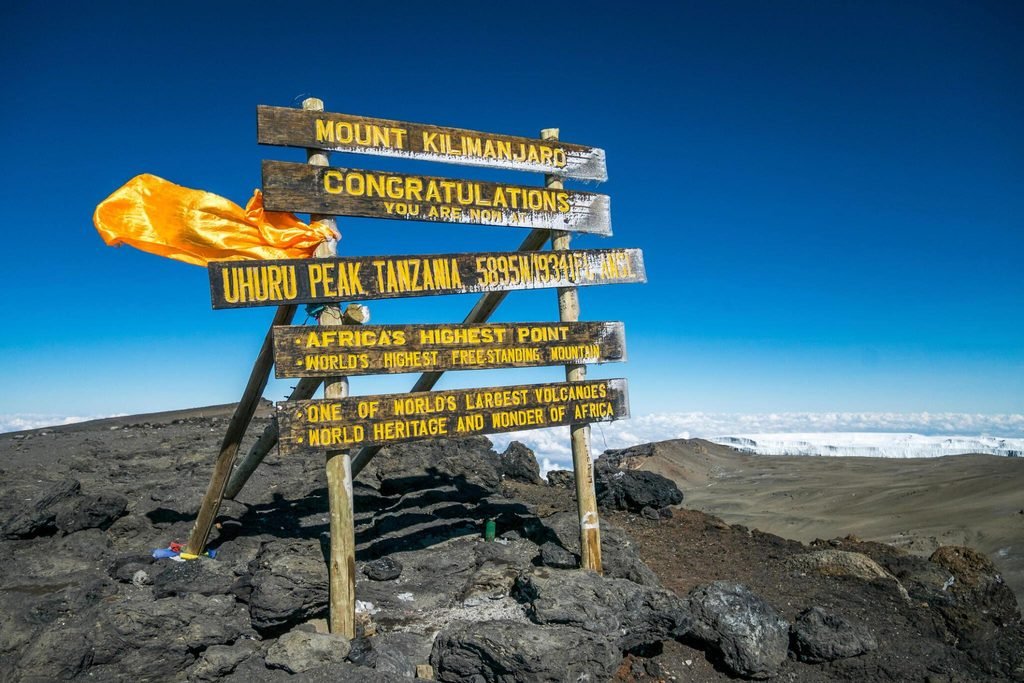
From Gilman’s Point, the route continues along the crater rim towards Uhuru Peak, passing through a remarkable high-altitude landscape with views of the mountain’s remaining ice formations and volcanic features. Climbers who are fit to continue may reach Uhuru Peak at 5,895 metres, the highest point on the African continent. After a short stop for photographs and rest, the descent begins towards Kibo Hut, where the group collects equipment and takes a break before continuing down to Horombo Hut. The long descent can be tiring, particularly after a night of limited sleep, so a steady pace remains important. On arrival at Horombo, the team prepares a meal and climbers can finally enjoy a well-earned rest after the longest day of the expedition.
Day 6: Horombo Hut – Mandara Hut – Marangu Gate – Moshi
Elevation: Approximately 3,720 m to 1,860 m
Distance: Approximately 19–20 km
Walking time: 5–7 hours
Habitat: Moorland and tropical rainforest
Accommodation: End of mountain expedition
Meals: Breakfast and lunch
The final day begins with breakfast at Horombo Hut before descending towards Mandara and Marangu Gate. As the trail loses elevation, the open moorland gradually gives way to heath vegetation and eventually the familiar rainforest encountered at the beginning of the climb. Walking downhill is generally easier on breathing than climbing at altitude, although the long distance can place considerable strain on tired legs and knees. Trekking poles are useful, particularly when passing through wet or uneven sections of the trail. The descent also provides another opportunity to appreciate Kilimanjaro’s changing landscapes and the surrounding countryside.
After reaching Marangu Gate, the guide completes the necessary park exit procedures and eligible climbers receive their summit certificates according to the highest recognised point reached. The mountain team then prepares for departure, and transport is arranged back to Moshi or the agreed destination. Travellers may choose to spend an additional night resting before returning home or continuing with a Tanzania wildlife safari. Many climbers combine their Kilimanjaro experience with visits to Serengeti National Park, Ngorongoro Crater or Tarangire National Park, allowing them to enjoy a different side of Tanzania after their mountain expedition.
6-Day Marangu Route Kilimanjaro Package Inclusions
The following services are included in the standard mountain climbing arrangements offered by Eddy Tours & Safaris. Final inclusions will be confirmed in your individual booking quotation.
- Professional, experienced mountain guides throughout the expedition.
- Mountain porters and a cook to support the climbing team.
- Kilimanjaro National Park entry and applicable conservation fees.
- Five nights of shared mountain hut accommodation.
- Applicable mountain hut accommodation fees.
- Park rescue fees.
- Meals during the mountain expedition as specified in the itinerary.
- Safe drinking water supplied during the climb.
- Transport from the agreed Moshi collection point to Marangu Gate and return.
- Mountain crew wages and applicable crew park fees.
- Emergency oxygen and standard mountain safety equipment managed by the guide.
- Basic health and altitude monitoring during the expedition.
- Applicable government taxes included in the confirmed quotation.
- Kilimanjaro climbing certificate for eligible climbers.
6-Day Marangu Route Kilimanjaro Package Exclusions
The following expenses are not included in the standard mountain package unless specifically added to your quotation.
- International and domestic flights.
- Tanzania visa fees.
- Travel insurance covering high-altitude trekking and emergency evacuation.
- Personal trekking equipment, including boots, sleeping bags, jackets and gloves.
- Tips and gratuities for mountain guides, porters and cooks.
- Alcoholic drinks, soft drinks and other personal beverages.
- Personal expenses, including laundry, telephone calls and souvenirs.
- Hotel accommodation before and after the climb unless arranged separately.
- Airport transfers unless specifically included in the booking.
- Additional meals and activities outside the stated itinerary.
- Optional equipment rental and personal purchases.
- Additional accommodation or transport resulting from changes to personal travel plans.
Mountain Hut Accommodation on the Marangu Route
Accommodation is one of the main features that distinguishes Marangu from other Kilimanjaro climbing routes. The route uses permanent huts rather than the tented camps commonly associated with Machame, Lemosho and Rongai. Mandara Hut provides the first night’s accommodation in the forest zone, while Horombo Hut serves as an important resting and acclimatisation location. Kibo Hut, situated at approximately 4,700 metres, is the final sleeping point before the summit attempt. These facilities provide shared sleeping arrangements and basic communal infrastructure, but visitors should not expect the comfort or privacy of a conventional hotel.
Climbers are normally required to bring a suitable sleeping bag because temperatures can become extremely cold, particularly at Kibo Hut. Toilets and washing facilities vary between locations, and hot showers should not be expected. Electricity and mobile network coverage can also be limited or unreliable. The advantage of hut accommodation is having a fixed shelter each night, while the main challenge remains the mountain environment itself. Travellers who prefer a longer acclimatisation programme or different scenery can discuss alternative routes through Eddy Tours & Safaris.
How Difficult Is the 6-Day Marangu Route?
Although Marangu is often described as one of Kilimanjaro’s more accessible routes, it remains a challenging high-altitude trek. The walking trail does not require technical rock-climbing skills under normal conditions, but reaching Uhuru Peak involves prolonged physical effort, cold weather, reduced oxygen availability and a demanding summit night. Climbers must be prepared to walk for several consecutive days, including a particularly long summit and descent stage. Good general fitness is useful, but physical strength alone does not prevent altitude sickness.
The six-day itinerary offers more acclimatisation time than the five-day alternative, although some longer Kilimanjaro routes provide a more gradual altitude profile. Anyone experiencing persistent or worsening symptoms of altitude illness should inform their guide immediately. Serious symptoms require prompt descent and appropriate medical attention. Before travelling, climbers should discuss their suitability for high-altitude trekking with a qualified healthcare professional, especially when they have existing medical concerns. Choosing a responsible mountain team and following safety instructions is more important than attempting to reach the summit at any cost.
Best Time to Climb the Marangu Route in 2027, 2028 and 2029
Mount Kilimanjaro can be climbed throughout the year, although weather conditions vary considerably between seasons. January to early March is often a popular period because conditions can be relatively dry, while June through October generally attracts many climbers looking for clearer weather and more established trekking conditions. These periods are not guaranteed to be dry, and temperatures at higher elevations can remain extremely cold regardless of the month. Travellers should also consider that popular climbing seasons can result in busier mountain huts and trails.
The longer rainy periods commonly occur around March to May, with shorter rains often affecting parts of November and December. Rainfall patterns can vary from year to year, so it is sensible to consider current seasonal forecasts when choosing departure dates. For climbs planned in 2027, 2028 or 2029, Eddy Tours & Safaris can help travellers compare suitable travel periods, available departures and arrangements before confirming their expedition.
What to Pack for a 6-Day Marangu Route Kilimanjaro Climb
Packing suitable equipment is essential for a comfortable and properly prepared Kilimanjaro expedition. Conditions change significantly between the warm lower forest and the freezing summit environment, so climbers need clothing that can be adjusted throughout the day. A waterproof outer layer, insulated jacket, thermal base layers, trekking trousers, gloves and warm headwear are particularly important. Well-fitted hiking boots should be worn before travelling to Tanzania to reduce the likelihood of blisters during the climb.
Other useful equipment includes a warm sleeping bag, trekking poles, headlamp with spare batteries, sunglasses, sunscreen, personal toiletries and a small daypack. Climbers should also bring appropriate water containers, personal medication and any additional items recommended by their mountain guide. Equipment rental may be available in Moshi or Arusha, but travellers should confirm sizes, quality and availability before relying on rental arrangements. A detailed packing list can be provided before departure to help ensure nothing important is forgotten.
Combining Your Kilimanjaro Climb with a Tanzania Safari
Many travellers visiting Tanzania choose to combine Mount Kilimanjaro with a wildlife safari. After completing the six-day Marangu Route, it is possible to spend several days exploring northern Tanzania’s national parks, where visitors can see elephants, giraffes, zebras, lions and many other animals in their natural habitats. A Tanzania safari can be arranged around the traveller’s available time, preferred accommodation and budget, with options ranging from short wildlife trips to longer private journeys.
Popular destinations include Tarangire National Park, known for its elephant populations and baobab landscapes, Ngorongoro Crater with its concentrated wildlife viewing opportunities, and Serengeti National Park, which is famous for its extensive plains and seasonal wildlife movements. Travellers interested in additional mountain information can also consult Kilimanjaro Climbing Specialist while comparing trekking routes and preparation requirements. Allowing time to recover after the climb is advisable before beginning a busy safari schedule.
Frequently Asked Questions About the 6-Day Marangu Route
Is the 6-day Marangu Route suitable for beginners?
The route can be suitable for first-time high-altitude trekkers who have prepared physically, understand the altitude risks and are comfortable walking for several consecutive days. However, it should not be treated as an easy mountain walk. The six-day schedule provides an additional acclimatisation day, but reaching the summit still depends on individual health, altitude adaptation, weather conditions and the guide’s safety assessment.
Are there beds in the Marangu Route mountain huts?
The huts generally provide shared sleeping facilities with bunk beds or sleeping platforms and mattresses. Climbers should bring a suitable sleeping bag and expect basic accommodation rather than private hotel-style rooms. Facilities differ between huts, and accommodation arrangements depend on park allocation and the number of climbers using the route.
Is the 6-day Marangu Route better than the 5-day itinerary?
For many climbers, the six-day itinerary is preferable because it includes an additional day at Horombo Hut for acclimatisation. The extra time may improve the opportunity to adapt before continuing to Kibo, although it does not guarantee summit success or prevent altitude sickness. Travellers who want a slower ascent may also consider longer routes.
How much does the 6-day Marangu Route cost in 2027, 2028 or 2029?
The final package price depends on the number of climbers, departure dates, park fees, accommodation arrangements, transport requirements and additional services requested. Rather than relying on an outdated estimate, travellers should request a current quotation that clearly identifies the services included and excluded. Future-year prices remain subject to confirmation.
Can I climb Kilimanjaro and visit Serengeti on the same trip?
Yes. A Kilimanjaro climb can be combined with a wildlife safari to Serengeti, Ngorongoro, Tarangire or Lake Manyara. The total travel duration depends on the number of safari days and the amount of rest time planned after the climb. Eddy Tours & Safaris can arrange a combined mountain and safari itinerary based on individual travel preferences.
Book Your 6-Day Marangu Route Kilimanjaro Climb for 2027, 2028 or 2029
The six-day Marangu Route offers a practical option for travellers who want to climb Mount Kilimanjaro while staying in permanent mountain huts. Its established trails, changing landscapes and additional acclimatisation day make it a popular choice for those who prefer a structured climbing programme. From the rainforest around Marangu Gate to the open slopes of Horombo, the volcanic saddle and the demanding summit ascent, each stage offers a different experience of Tanzania’s highest mountain.
At Eddy Tours & Safaris, we help travellers arrange guided Kilimanjaro climbs with local mountain teams, clear itineraries and suitable travel arrangements. Our team can assist with departure planning, equipment advice, accommodation options and combined safari packages for 2027, 2028 and 2029.
Contact Eddy Tours & Safaris
Website: www.eddytours-safaris.com
Email: sales@eddytours-safaris.com
WhatsApp: +255 711 906 664
Request Your 6-Day Marangu Route Kilimanjaro Climbing Quote
Tell us your preferred travel dates, the number of climbers and any additional services you would like included. We will help you plan a suitable Kilimanjaro climbing programme and provide the information needed before confirming your booking.