
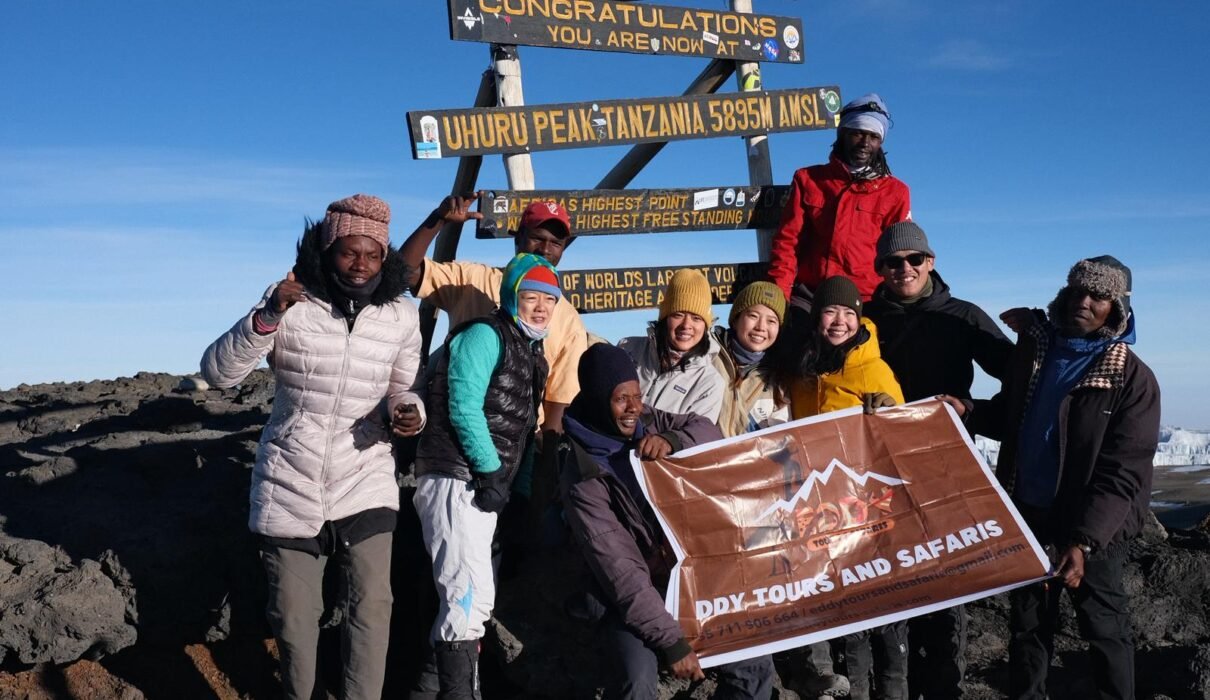
How Much Does It Cost to Climb Kilimanjaro? 2026/2027/2028: Direct Challenge for Experienced Climbers
How Much Does It Cost to Climb Kilimanjaro? 2026/2027/2028: Direct Challenge for Experienced Climbers is one of the most important questions for serious adventurers planning Africa’s highest peak. The answer is not as simple as a fixed price, because the total cost depends on route, duration, level of service, park fees, and personal preparation. If you are an experienced climber looking for a direct and efficient ascent, understanding the full breakdown of costs will help you plan smartly, avoid hidden expenses, and choose the right operator for a safe and successful summit.
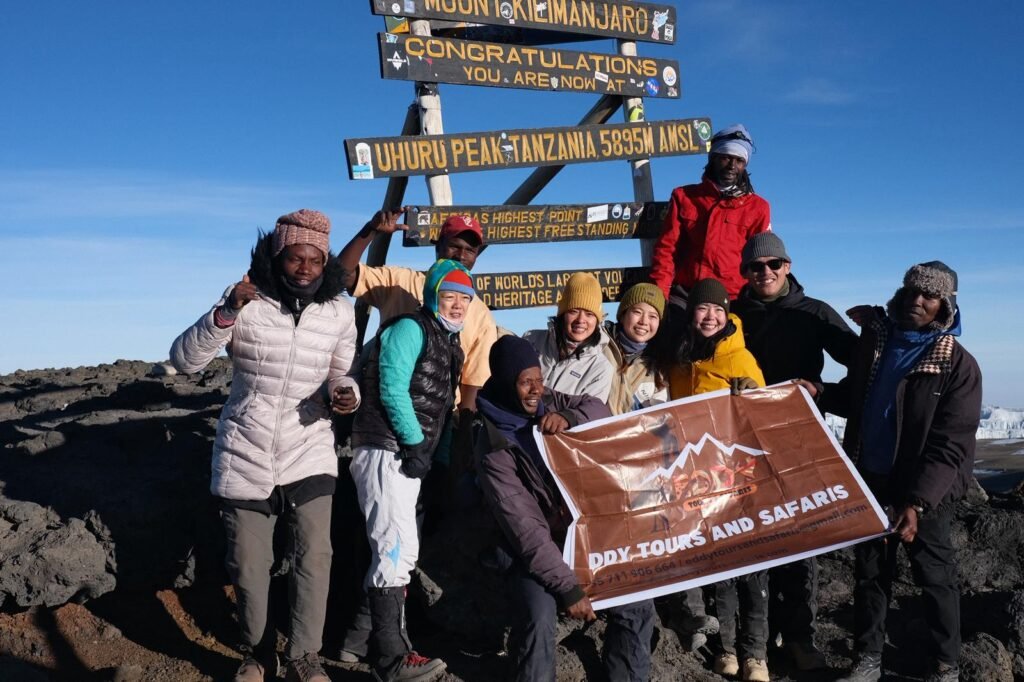
Understanding How Much Does It Cost to Climb Kilimanjaro? 2026/2027/2028: Direct Challenge for Experienced Climbers
When evaluating How Much Does It Cost to Climb Kilimanjaro? 2026/2027/2028: Direct Challenge for Experienced Climbers, it is essential to recognize that Kilimanjaro is not a technical climb, but it requires a structured expedition supported by a licensed operator. Costs typically range between $2,000 and $6,500 depending on the package and route efficiency, with premium expeditions exceeding this range due to luxury logistics and private guiding services.
A significant portion of the price comes from mandatory park fees set by the Tanzania National Parks Authority, which include conservation fees, camping or hut fees, rescue fees, and taxes. These charges are non-negotiable and form the backbone of every Kilimanjaro climb budget. Conservation fees support biodiversity protection efforts similar to those advocated by organizations like the World Wildlife Fund and IUCN.
For experienced climbers, direct routes such as Umbwe or Machame (shorter itineraries) may reduce the number of days, slightly lowering costs. However, faster ascents can increase risk of altitude sickness, which is extensively studied by institutions like CDC and WHO. Therefore, balancing cost and acclimatization remains critical.
Detailed Cost Breakdown for Kilimanjaro Expeditions
Park Fees and Government Charges
Park fees alone can range from $800 to $1,200 depending on the route and duration. These fees are essential for maintaining Kilimanjaro’s fragile ecosystem, supported by global conservation frameworks such as UNEP and National Geographic Society. Every climber must pay these fees through a registered operator, which ensures compliance with Tanzanian regulations.
Guide, Porter, and Crew Costs
Professional guides and porters are vital to every climb. Ethical operators follow fair wage guidelines supported by groups like Kilimanjaro Porters Assistance Project. These costs typically range between $500 and $1,500 depending on team size and expedition length. Choosing a responsible operator ensures safety, proper logistics, and ethical treatment of crew members.
Accommodation and Food
Accommodation varies between camping and hut systems. Meals are freshly prepared on the mountain, and high-quality operators invest in nutrition planning, often aligned with research from Harvard T.H. Chan School of Public Health. Expect to pay between $300 and $800 for this component depending on comfort level.
Route Selection and Its Impact on Cost
Direct Routes for Experienced Climbers
Experienced climbers often choose direct routes such as Umbwe or shorter Machame itineraries. These routes reduce days on the mountain, which lowers costs slightly but increases physical demands. Research from Alpine Club highlights that shorter climbs require superior fitness and altitude awareness.
Longer Routes for Better Acclimatization
Routes like Lemosho or Northern Circuit are more expensive due to extended duration but offer higher success rates. Scientific insights from NASA on oxygen adaptation show why gradual ascent improves summit success.
Hidden Costs You Must Consider
Understanding How Much Does It Cost to Climb Kilimanjaro? 2026/2027/2028: Direct Challenge for Experienced Climbers also requires factoring in hidden costs. Flights to Tanzania can range from $600 to $1,500 depending on origin. Travel insurance, recommended by U.S. State Department, is essential and can cost $100–$300.
Gear is another major expense. High-quality equipment such as boots, jackets, and sleeping bags can cost $500 to $1,000 if purchased. Climbers often rely on gear standards recommended by REI Expert Advice and Outdoor Research.
Why Choose a Professional Operator
Booking through a trusted company like Eddy Tours & Safaris ensures a smooth and safe experience. Professional operators handle permits, logistics, and safety protocols, reducing risks significantly. You can explore tailored climbing options at Kilimanjaro climbing packages and compare routes designed for experienced climbers.
Reliable companies also align with global safety practices supported by Red Cross and mountain safety research from UIAA.
Comparing Budget vs Luxury Kilimanjaro Climbs
Budget climbs typically cost between $2,000 and $3,000 but may compromise on comfort and crew welfare. Mid-range options ($3,500–$5,000) provide balanced value, while luxury climbs ($5,500+) offer premium services including private guides and enhanced meals.
For experienced climbers seeking efficiency and safety, mid-range to premium options are often the best choice. You can review curated itineraries at Kilimanjaro routes guide and find the best fit for your goals.
Environmental Responsibility and Conservation Costs
Climbing Kilimanjaro contributes to conservation efforts that protect wildlife and ecosystems. Organizations like African Wildlife Foundation and Conservation International emphasize sustainable tourism practices that align with Kilimanjaro’s management policies.
Climate change research from NASA Climate shows that Kilimanjaro’s glaciers are shrinking, making responsible tourism more important than ever.
Is Kilimanjaro Worth the Cost?
When evaluating How Much Does It Cost to Climb Kilimanjaro? 2026/2027/2028: Direct Challenge for Experienced Climbers, the value extends beyond money. The experience includes breathtaking landscapes, personal achievement, and a deep connection with nature. Studies from Psychology Today highlight how adventure travel improves mental resilience and well-being.
FAQs
1. What is the average cost to climb Kilimanjaro?
The average cost ranges between $2,500 and $5,000 depending on route and services.
2. Why are Kilimanjaro park fees so high?
Fees support conservation, infrastructure, and safety operations managed by Tanzanian authorities.
3. Can experienced climbers reduce costs?
Yes, by choosing shorter routes, but this increases physical and altitude risks.
4. Is tipping included in the cost?
No, tipping is separate and typically ranges from $200 to $300 per climber.
5. What is the best route for experienced climbers?
Umbwe and Machame routes are popular for direct and challenging ascents.
6. How do I choose a reliable operator?
Look for licensed companies with strong safety records and ethical porter treatment.
Conclusion
Ultimately, How Much Does It Cost to Climb Kilimanjaro? 2026/2027/2028: Direct Challenge for Experienced Climbers depends on your priorities, route choice, and level of comfort. While costs may seem high, they reflect the complexity of organizing a safe and sustainable expedition. By choosing a reputable operator like Eddy Tours & Safaris, planning carefully, and understanding every cost component, you can turn this challenge into one of the most rewarding experiences of your life.