
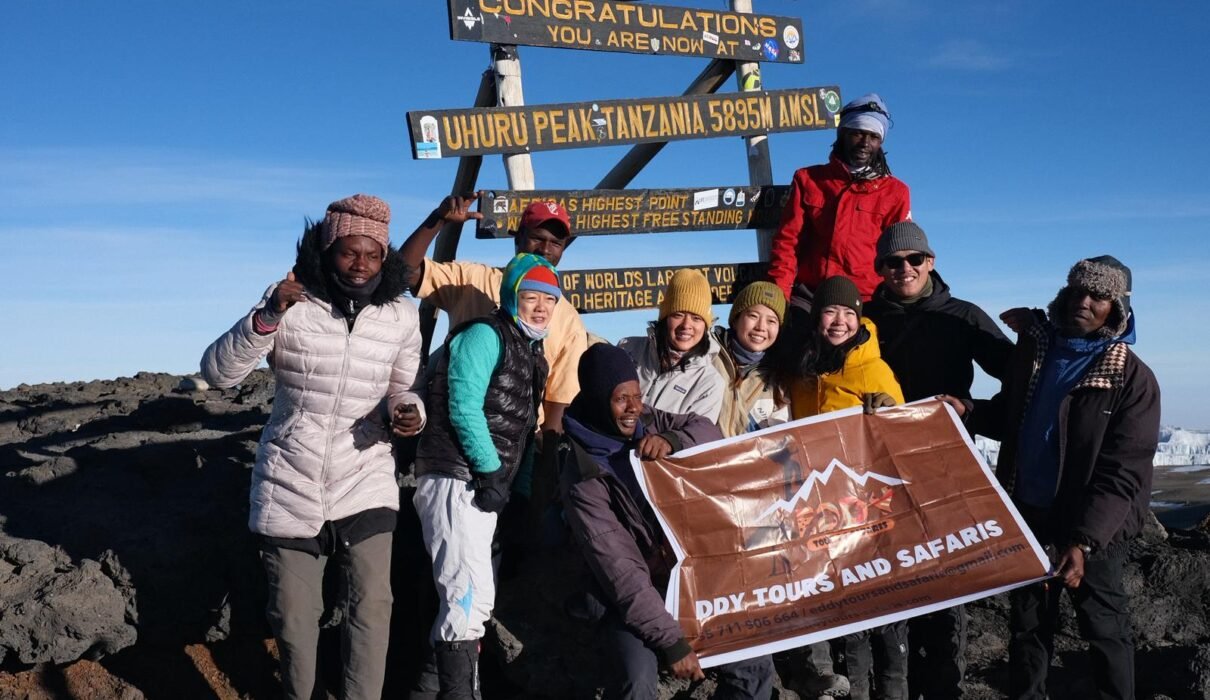
How Long Does It Take to Climb Mount Kilimanjaro? 7 Powerful Truths Every Climber Must Know
How Long Does It Take to Climb Mount Kilimanjaro? This is the first and most important question every adventurer asks before planning their dream trek to Africa’s highest peak. The answer is not as simple as giving a fixed number of days. Instead, it depends on several factors including the route you choose, your physical fitness, and how well your body adapts to altitude. Understanding this timeline is essential if you want to reach the summit safely and enjoy every moment of the journey.
Mount Kilimanjaro stands proudly in Tanzania as one of the most iconic mountains in the world. It attracts thousands of climbers every year, from beginners to experienced hikers. If you’re planning your own adventure, it’s important to prepare properly and choose a reliable tour provider like Eddy Tours & Safaris to guide you through this once-in-a-lifetime experience.
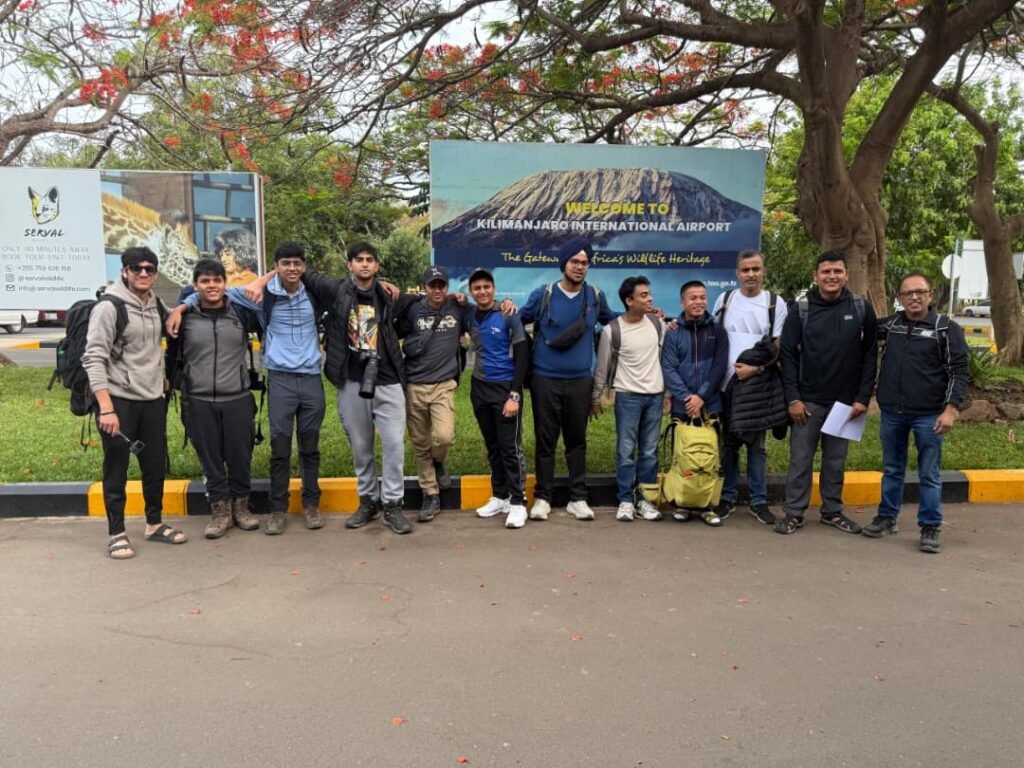
Understanding How Long Does It Take to Climb Mount Kilimanjaro
When people ask how long it takes to climb Mount Kilimanjaro, the general answer ranges between five to nine days. However, this range exists because of one critical factor: acclimatization. The higher you climb, the thinner the air becomes, and your body needs time to adjust. Rushing the climb may seem tempting, but it significantly reduces your chances of reaching the summit successfully.
According to research from National Geographic, altitude sickness is one of the main reasons climbers fail to reach Uhuru Peak. That’s why longer routes tend to have higher success rates. Studies shared by World Health Organization also emphasize gradual ascent for high-altitude environments.
Choosing a well-paced itinerary not only increases your chances of success but also enhances your overall experience. Many climbers who book with Eddy Tours Kilimanjaro Packages often report higher satisfaction due to proper acclimatization schedules and expert guidance.
Popular Routes and Their Duration
Each route on Kilimanjaro offers a unique experience, and the time required varies accordingly. The Marangu Route, often called the “Coca-Cola Route,” typically takes five to six days. It is considered one of the easier routes due to its gradual slope and hut accommodations. However, its shorter duration means less time for acclimatization, which can reduce summit success rates.
The Machame Route, also known as the “Whiskey Route,” usually takes six to seven days. It is more scenic and allows better acclimatization, making it one of the most popular choices among climbers. According to National Park Service research on trekking patterns, longer routes consistently show higher completion rates.
The Lemosho and Northern Circuit routes are longer options, taking seven to nine days. These routes offer stunning landscapes, fewer crowds, and excellent acclimatization opportunities. If your goal is to maximize your chances of reaching the summit, these routes are highly recommended.
Why Duration Matters More Than Speed
It’s easy to assume that a faster climb is better, especially if you’re short on time. However, climbing Kilimanjaro is not a race. Your body needs time to adjust to the altitude, and pushing too quickly can lead to serious health risks. Reports from Centers for Disease Control and Prevention highlight that altitude sickness can affect anyone, regardless of fitness level.
Taking more days on the mountain allows your body to adapt gradually. This process, known as acclimatization, is crucial for preventing headaches, nausea, and fatigue. Research from National Institutes of Health confirms that gradual ascent significantly reduces altitude-related complications.
Many experienced climbers recommend adding at least one extra day to your itinerary. When you plan your trek with trusted Kilimanjaro experts, you’ll often find flexible packages designed to improve safety and success rates.
Fitness Level and Its Impact on Climbing Time
Your physical condition plays a major role in how long it takes to climb Mount Kilimanjaro. While the mountain does not require technical climbing skills, it does demand endurance and mental strength. Training beforehand can make a huge difference in your experience.
Experts from Mayo Clinic suggest focusing on cardiovascular fitness, strength training, and long-distance hiking preparation. Additionally, guidance from Encyclopaedia Britannica highlights the importance of pacing and hydration during high-altitude treks.
Even if you are not an athlete, you can still climb Kilimanjaro successfully with proper preparation and a well-planned itinerary. Many climbers choose guided trekking tours to ensure they receive the support needed throughout the journey.
Best Duration for Maximum Summit Success
If your goal is to reach the summit, the ideal duration is seven to eight days. This timeframe provides enough time for acclimatization while maintaining a comfortable pace. According to studies published by ScienceDirect, climbers who take longer routes have significantly higher success rates.
The extra days also allow you to enjoy the diverse landscapes of Kilimanjaro, from lush rainforests to alpine deserts. Organizations like UNESCO recognize Kilimanjaro as a World Heritage Site due to its unique ecosystems and biodiversity.
Choosing a longer route also means more time to connect with fellow climbers and guides. Many travelers describe the journey as life-changing, not just because of the summit but because of the entire experience.
Weather Conditions and Their Influence
Weather plays a significant role in determining how long it takes to climb Mount Kilimanjaro. The mountain has distinct climate zones, and conditions can change rapidly. Data from National Oceanic and Atmospheric Administration shows that weather variability increases with altitude.
The best times to climb are during the dry seasons, from January to March and June to October. During these months, the trails are more stable, and visibility is better. However, even during favorable seasons, climbers must be prepared for cold temperatures and sudden weather changes.
Professional guides from Kilimanjaro Climb Specialist emphasize the importance of proper gear and preparation to handle unpredictable conditions.
Safety Considerations During the Climb
Safety should always be your top priority when climbing Kilimanjaro. The duration of your climb directly affects your safety, especially when it comes to altitude sickness. Organizations like Red Cross stress the importance of listening to your body and descending if symptoms worsen.
Guides play a crucial role in ensuring your safety. They monitor your health, pace the climb, and provide support when needed. Choosing a reputable operator like professional safari and trekking company ensures you are in safe hands throughout your journey.
Additionally, research from Nature Journal highlights the importance of hydration and nutrition in high-altitude environments. Drinking enough water and eating properly can significantly improve your performance and well-being.
Environmental Responsibility While Climbing
Climbing Kilimanjaro is not just about reaching the summit; it’s also about preserving the environment. Conservation organizations like World Wildlife Fund and IUCN emphasize the importance of sustainable tourism practices.
Climbers are encouraged to follow the “leave no trace” principle, ensuring that the mountain remains pristine for future generations. Research from United Nations Environment Programme highlights the impact of tourism on fragile ecosystems.
By choosing eco-conscious operators and respecting local guidelines, you contribute to the preservation of this natural wonder.
FAQs About How Long Does It Take to Climb Mount Kilimanjaro
1. What is the shortest time to climb Kilimanjaro?
The shortest routes take about five days, but they are not recommended due to low acclimatization time.
2. What is the best duration for beginners?
Seven to eight days is ideal for beginners, offering better acclimatization and higher success rates.
3. Can I climb Kilimanjaro without training?
While possible, proper training significantly improves your chances of success and overall experience.
4. Does age affect climbing duration?
Age does not directly determine duration, but fitness and acclimatization ability play a role.
5. How difficult is the climb?
Kilimanjaro is considered a moderate trek, but altitude makes it challenging.
6. Is a guide necessary?
Yes, guides are mandatory and essential for safety and navigation.
Conclusion
So, how long does it take to climb Mount Kilimanjaro? The answer depends on your route, fitness level, and acclimatization strategy. While the climb typically takes five to nine days, choosing a longer itinerary greatly increases your chances of reaching the summit safely and enjoying the journey.
With the right preparation, guidance, and mindset, Kilimanjaro becomes more than just a climb—it becomes a life-changing adventure. If you’re ready to take the next step, consider planning your journey with experienced professionals who understand the mountain inside and out.