
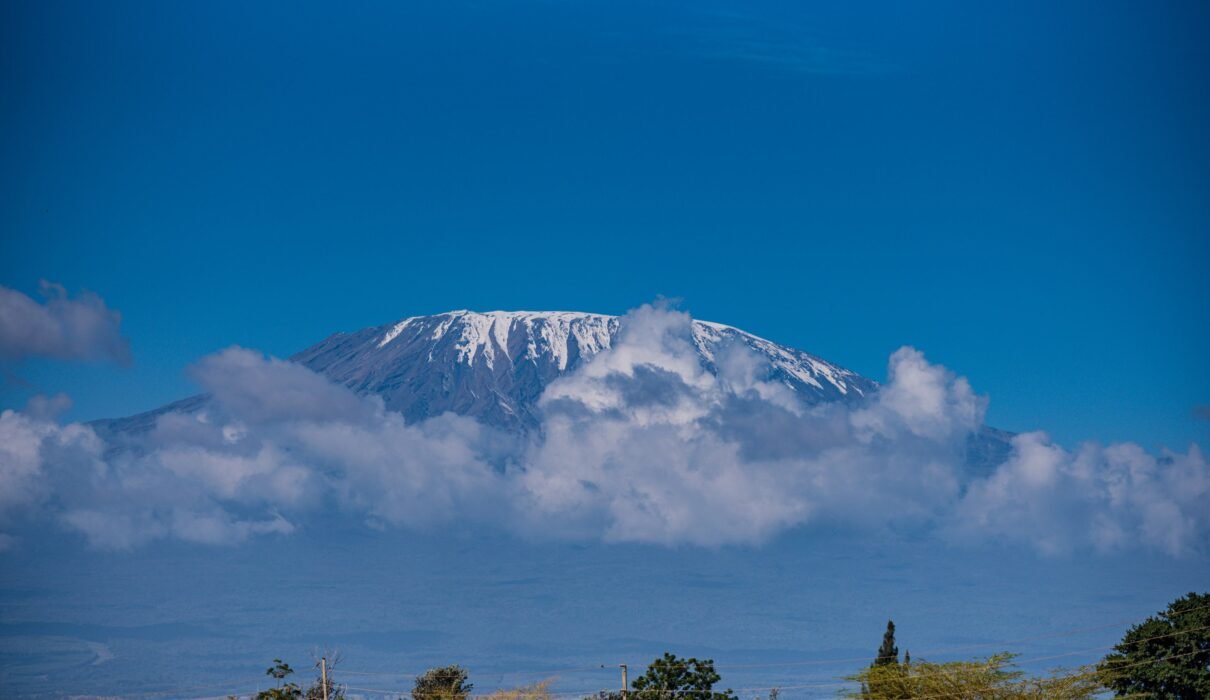
Kilimanjaro National Park Fees (Updated Guide 2026/2027/2028 ) are one of the most important factors to understand before planning your trek to Africa’s highest peak. Whether you are a first-time climber or a seasoned adventurer, knowing the exact cost structure helps you prepare better, avoid surprises, and make informed decisions. In this complete guide, we break down every fee, explain what you are paying for, and show how these costs support conservation and local communities.
Climbing Mount Kilimanjaro is not just a hike—it’s a once-in-a-lifetime journey through diverse ecosystems, from lush rainforest to alpine desert. These park fees are set by the Tanzania National Parks Authority (TANAPA) and are mandatory for all climbers. Understanding them clearly will help you budget properly and choose the right trekking package.
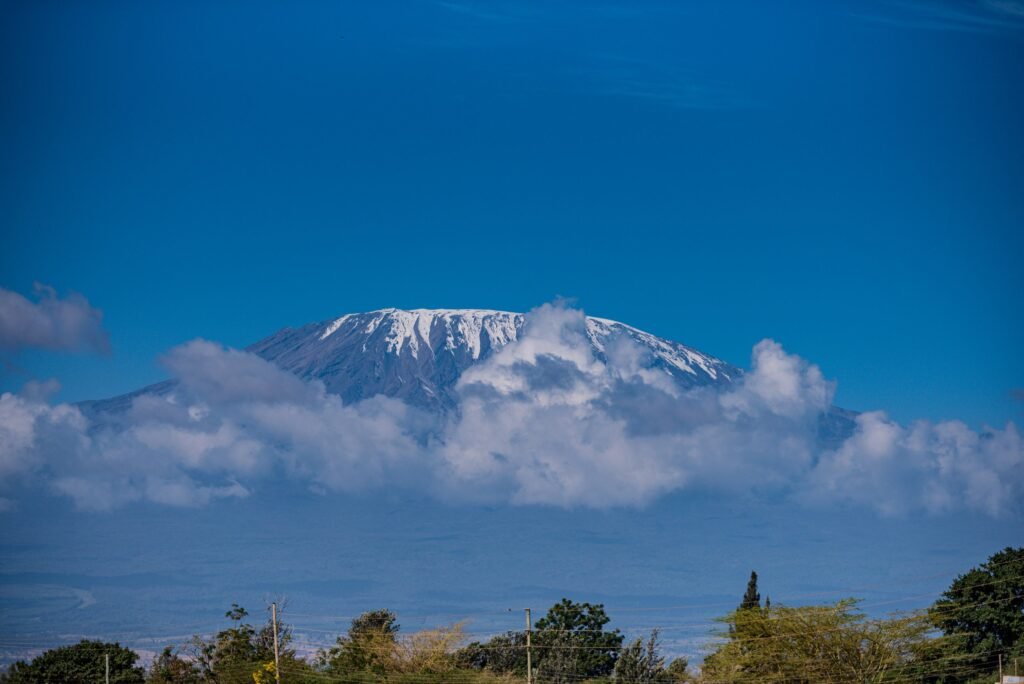
Kilimanjaro National Park Fees (Updated Guide 2026/2027/2028 ) Explained Clearly
The Kilimanjaro National Park Fees (Updated Guide 2026/2027/2028 ) consist of several components that together make up the total cost of climbing the mountain. These fees are standardized and non-negotiable, meaning every climber pays the same rates regardless of the tour operator chosen. However, how these fees are packaged into your tour price can vary.
The main components include park entry fees, camping or hut fees, rescue fees, and guide/crew fees. Each of these plays a role in ensuring your safety, preserving the environment, and maintaining the park’s infrastructure. For example, park entry fees contribute directly to conservation programs supported by organizations like IUCN and UNEP, which focus on biodiversity protection and sustainable tourism.
Additionally, rescue fees are mandatory and help fund emergency evacuation services coordinated with institutions such as Red Cross and safety guidelines from WHO. This ensures that climbers have access to immediate assistance if altitude sickness or injury occurs.
Breakdown of Park Fees Per Day
Each climber is required to pay a daily conservation fee, which is approximately $70 per day for non-residents. This fee grants access to the park and helps maintain trails, ranger stations, and environmental monitoring systems supported by National Geographic Society.
For multi-day climbs, these fees accumulate quickly. A typical 7-day trek means paying around $490 just for park entry. These funds also contribute to climate research conducted by institutions like NASA Climate and NOAA, which monitor glacier retreat on Kilimanjaro.
Camping vs Hut Fees
If you choose routes like Machame or Lemosho, you will pay camping fees of about $50 per night. These fees support campsite maintenance and waste management initiatives aligned with WWF guidelines.
On routes like Marangu, hut fees are slightly higher, around $60 per night, since they provide basic shelter. These huts are maintained under environmental policies influenced by Conservation International.
Rescue Fees and Safety Costs
Every climber must pay a rescue fee of approximately $20 per trip. This ensures access to emergency services, including evacuation via stretcher or helicopter if necessary. These systems are aligned with global safety standards recommended by OSHA.
Total Estimated Cost of Kilimanjaro National Park Fees
When combined, the Kilimanjaro National Park Fees (Updated Guide 2026/2027/2028 ) can range between $800 and $1,200 depending on the number of days and route chosen. This does not include tour operator costs, which cover guides, porters, food, and logistics.
For a detailed trekking package breakdown, you can explore Kilimanjaro climbing packages that include all park fees and services in one transparent price.
Understanding these costs is essential because cheaper tours often cut corners on crew wages or safety equipment. Ethical operators follow guidelines from organizations like Fair Trade Tourism and ensure fair treatment of porters.
Additional Mandatory Costs
Besides park fees, climbers must also pay crew wages, tips, and equipment rental if needed. These costs are not regulated by TANAPA but are crucial for a successful climb. Many operators follow recommendations from Kilimanjaro Porters Assistance Project to ensure fair wages.
Why Kilimanjaro Park Fees Are Worth It
While the fees may seem high, they play a vital role in preserving one of the world’s most iconic natural landmarks. Kilimanjaro is a UNESCO World Heritage Site, and conservation efforts are supported by global organizations like UNESCO.
These fees help protect wildlife, maintain trails, and fund research on climate change. Studies from Nature Journal and ScienceDirect highlight the importance of sustainable tourism in preserving fragile ecosystems like Kilimanjaro.
Moreover, park fees contribute to local community development, supporting education and healthcare initiatives in nearby villages.
Environmental Impact and Conservation
The funds collected are used to combat deforestation, manage waste, and protect endangered species. Organizations like Rainforest Alliance and Global Forest Watch monitor these efforts.
How to Save Money on Kilimanjaro Fees
Although park fees are fixed, you can reduce overall costs by choosing shorter routes or traveling in groups. Group climbs allow you to share guide and porter costs, making the trip more affordable.
You can also find budget-friendly options through affordable Kilimanjaro tours that still maintain safety and ethical standards.
Best Time to Climb for Value
Climbing during shoulder seasons can reduce overall costs, as tour operators may offer discounts. However, park fees remain the same year-round.
Booking Through a Reliable Operator
Choosing the right tour company is crucial. A reputable operator will clearly explain how Kilimanjaro National Park Fees (Updated Guide 2026/2027/2028 ) are included in your package and ensure transparency.
For trusted options, visit Mount Kilimanjaro trekking experts who provide detailed itineraries and pricing.
You can also compare with Kilimanjaro climb specialist for additional insights.
FAQs About Kilimanjaro National Park Fees (Updated Guide 2026/2027/2028 )
1. Are Kilimanjaro park fees included in tour packages?
Yes, most reputable operators include all park fees in their package price.
2. Can I pay park fees directly?
No, fees are paid through licensed tour operators only.
3. Do fees change every year?
They are reviewed periodically by TANAPA and may increase slightly.
4. Are there discounts for children?
Yes, children under 16 often receive reduced rates.
5. Why are the fees so high?
They support conservation, safety, and local communities.
6. What happens if I cancel my climb?
Refund policies depend on your tour operator, not TANAPA.
Conclusion
Kilimanjaro National Park Fees (Updated Guide 2026/2027/2028 ) are a crucial part of your climbing journey. While they may seem expensive, they ensure safety, sustainability, and the preservation of one of the world’s most iconic mountains. By understanding these fees, choosing a reliable operator, and planning wisely, you can make your Kilimanjaro adventure both memorable and responsible.
To start your journey, explore Kilimanjaro trekking packages and take the first step toward reaching the Roof of Africa.