
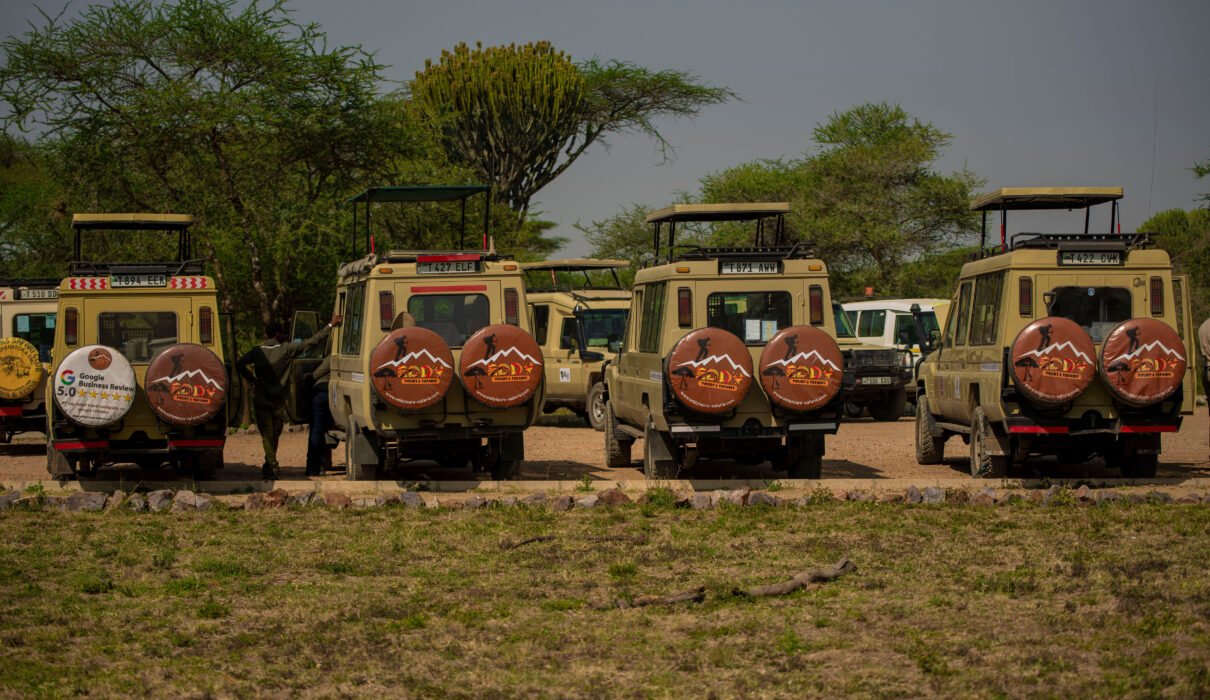
The Dark Side of Safari Tourism Most Travelers Ignore 2026/2027/2028 is something many people don’t think about when dreaming of Africa’s vast savannahs, iconic wildlife, and breathtaking sunsets. While safari tourism is often marketed as a magical and ethical experience, the reality is far more complex. Behind the beauty lies a mix of environmental challenges, ethical dilemmas, and hidden impacts that travelers rarely see. Understanding these issues is not about discouraging travel, but about helping you make smarter, more responsible choices that truly benefit wildlife and local communities.
Safari tourism has grown rapidly over the past decade, bringing economic opportunities but also unintended consequences. As more travelers flock to national parks and reserves, pressure on ecosystems increases, and not all operators follow ethical practices. If you are planning your next African adventure, it’s essential to look beyond glossy brochures and understand what really happens behind the scenes.
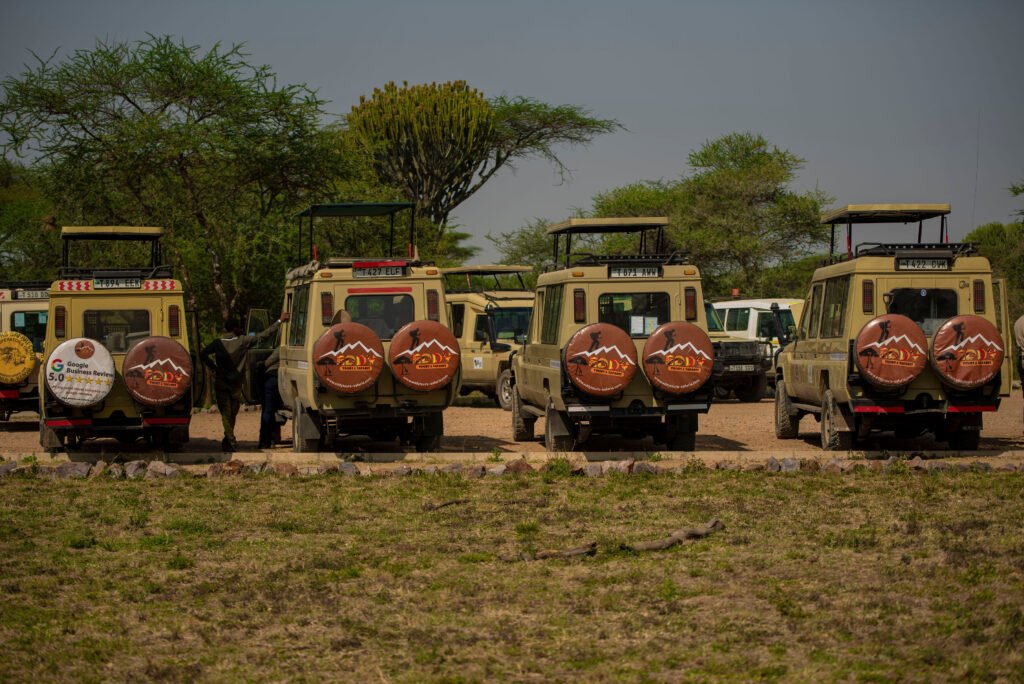
The Dark Side of Safari Tourism Most Travelers Ignore 2026/2027/2028: Environmental Impact
One of the most overlooked aspects of safari tourism is its environmental footprint. While safaris are often promoted as eco-friendly, the reality is that increased human presence can disrupt delicate ecosystems. Roads carved into protected areas, vehicle congestion around wildlife sightings, and pollution from lodges all contribute to environmental degradation over time. Even well-meaning tourists can unintentionally harm nature simply by being there.
Studies from organizations like World Wildlife Fund and International Union for Conservation of Nature show that unmanaged tourism can lead to habitat loss and behavioral changes in animals. For example, animals may become stressed or alter their natural movements due to constant human interaction. This is especially true in popular parks where dozens of vehicles surround a single animal sighting.
Responsible travel companies, such as those featured on Eddy Tours & Safaris, are working to minimize these impacts by limiting vehicle numbers and following strict wildlife viewing guidelines. However, not all operators maintain these standards, which is why choosing the right provider is critical.
Wildlife Disturbance and Behavioral Changes
Wild animals are not used to constant human presence, and safari tourism can significantly affect their natural behavior. Vehicles getting too close, loud noises, and flash photography can cause stress, especially for predators and endangered species. Research from National Geographic highlights how repeated disturbances can lead to long-term behavioral shifts, including reduced hunting success and increased vulnerability.
In some cases, animals become habituated to humans, which might seem harmless but can actually increase risks. Animals that lose their natural fear of humans are more likely to encounter poachers or come into conflict with local communities.
Ethical Concerns in Safari Tourism
Another critical issue within The Dark Side of Safari Tourism Most Travelers Ignore 2026/2027/2028 is the ethical treatment of animals. Not all wildlife experiences are created equal, and some attractions operate under questionable practices that prioritize profit over animal welfare. These include captive breeding programs, staged wildlife encounters, and unethical interactions that may seem harmless but are deeply problematic.
Organizations such as Born Free Foundation and International Fund for Animal Welfare have repeatedly warned against activities like lion cub petting and walking with predators. These experiences often involve animals that are bred in captivity and cannot be released into the wild.
When booking your safari, it is essential to verify whether the operator follows ethical wildlife practices. Trusted providers like Eddy Tours focus on observing animals in their natural habitat rather than promoting direct interaction.
The Truth About Wildlife Sanctuaries
Many facilities marketed as “sanctuaries” are not genuine rescue centers. Some operate as commercial ventures where animals are kept for entertainment purposes. According to research from WildlifeDirect, these establishments often exploit animals while misleading tourists with conservation claims.
True sanctuaries prioritize rehabilitation and do not allow direct interaction. Travelers should always research thoroughly before visiting such places and rely on verified conservation organizations.
Impact on Local Communities
Safari tourism can bring economic benefits, but it does not always benefit local communities equally. In some cases, profits are concentrated among large companies, while local people receive minimal financial gain. This imbalance can lead to resentment and even conflict between communities and conservation authorities.
Reports from United Nations Environment Programme emphasize the importance of community-based tourism, where local people are actively involved and fairly compensated. Supporting ethical operators ensures that your travel contributes positively to the region.
For travelers looking to make a difference, booking with local companies such as Eddy Tours Safaris helps ensure that revenue stays within the community and supports sustainable development.
Human-Wildlife Conflict
As tourism expands, wildlife areas often overlap with human settlements. This can lead to increased human-wildlife conflict, where animals damage crops or threaten livestock. According to Food and Agriculture Organization, such conflicts can result in retaliatory killings of animals, undermining conservation efforts.
Responsible tourism must consider these challenges and support initiatives that balance conservation with community needs.
Overtourism in Popular Safari Destinations
Some of Africa’s most famous parks are experiencing overtourism, particularly during peak seasons. This results in crowded wildlife sightings, reduced visitor experience, and increased stress on ecosystems. Reports from Conservation International highlight how excessive tourism can degrade natural habitats.
Choosing less crowded destinations or traveling during off-peak seasons can help reduce this impact. For example, exploring alternative routes offered by Eddy Tours & Safaris provides a more intimate and sustainable experience.
Carbon Footprint of Safari Travel
Safari tourism often involves long-haul flights, off-road vehicles, and luxury lodges, all of which contribute to carbon emissions. According to Intergovernmental Panel on Climate Change, tourism is a significant contributor to global emissions.
Travelers can reduce their footprint by choosing eco-certified lodges, supporting conservation projects, and offsetting carbon emissions through organizations like Gold Standard and Carbon Trust.
Conservation vs Commercialization
While safari tourism generates funding for conservation, it can also lead to commercialization that undermines its purpose. Some parks prioritize visitor numbers over ecological health, leading to long-term damage. Research from The Nature Conservancy suggests that sustainable tourism must balance profit with preservation.
Choosing operators committed to conservation ensures that your trip supports wildlife protection rather than exploitation.
How to Travel Responsibly on Safari
Understanding The Dark Side of Safari Tourism Most Travelers Ignore 2026/2027/2028 empowers you to make better choices. Responsible travel involves selecting ethical operators, respecting wildlife, and supporting local communities. Simple actions, such as maintaining distance from animals and avoiding exploitative activities, can make a significant difference.
Planning your trip with reputable providers like Eddy Tours and Safaris ensures a more ethical and enriching experience.
Tips for Ethical Safari Travel
Choose eco-certified lodges, avoid wildlife interaction activities, support local businesses, and educate yourself about conservation issues. Reliable information can be found through organizations like African Wildlife Foundation, Panthera, Zoological Society of London, and Smithsonian Institution.
FAQs About The Dark Side of Safari Tourism Most Travelers Ignore 2026/2027/2028
Is safari tourism harmful to wildlife?
It can be if not managed properly. Responsible tourism minimizes negative impacts and supports conservation.
How can I choose an ethical safari operator?
Look for companies with strong conservation policies, community involvement, and transparent practices.
Are wildlife interactions safe?
Most direct interactions are unethical and should be avoided to protect animals.
Does safari tourism help conservation?
Yes, when done responsibly, it provides funding for conservation efforts.
What is overtourism in safaris?
It refers to excessive visitor numbers that negatively impact wildlife and ecosystems.
Can I reduce my safari carbon footprint?
Yes, by choosing eco-friendly operators and offsetting emissions.
Conclusion
The Dark Side of Safari Tourism Most Travelers Ignore 2026/2027/2028 is not meant to discourage travel but to encourage awareness. Safari experiences can still be magical, meaningful, and ethical when approached responsibly. By choosing the right operators, respecting wildlife, and supporting conservation, you become part of the solution rather than the problem. Thoughtful travel ensures that future generations can continue to experience Africa’s incredible wildlife in its natural beauty.
For a responsible and unforgettable safari experience, explore options with Eddy Tours & Safaris and make your journey truly impactful.