
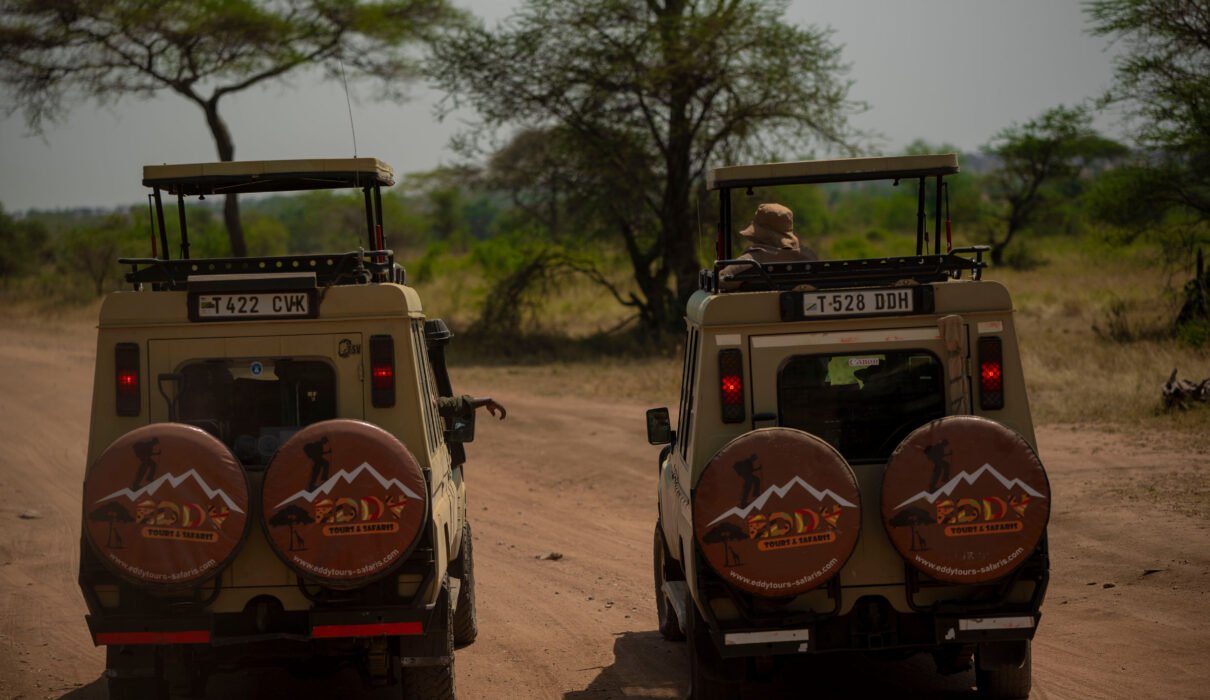
How Tourists Overpay $2000+ on Safari (And Avoid It) 2026/2027/2028
How tourists overpay $2000+ on safari is something most travelers never realize until it is too late. Many visitors come to Tanzania expecting fair pricing, but hidden costs, poor booking decisions, and lack of local knowledge can easily inflate the final safari bill by thousands of dollars without adding real value to the experience.
If you are planning a safari for 2026, 2027, or 2028, understanding these pricing traps early can save you a significant amount of money while still enjoying a high-quality experience. In this guide, we break down exactly where the extra costs come from and how to avoid them smartly.
Before diving deeper, you can explore trusted safari packages here: Tanzania Safari Packages, Serengeti Tours, Ngorongoro Safari, Luxury Safari Options, and Budget Safari Deals.
1. How Tourists Overpay $2000+ on Safari Through Middlemen
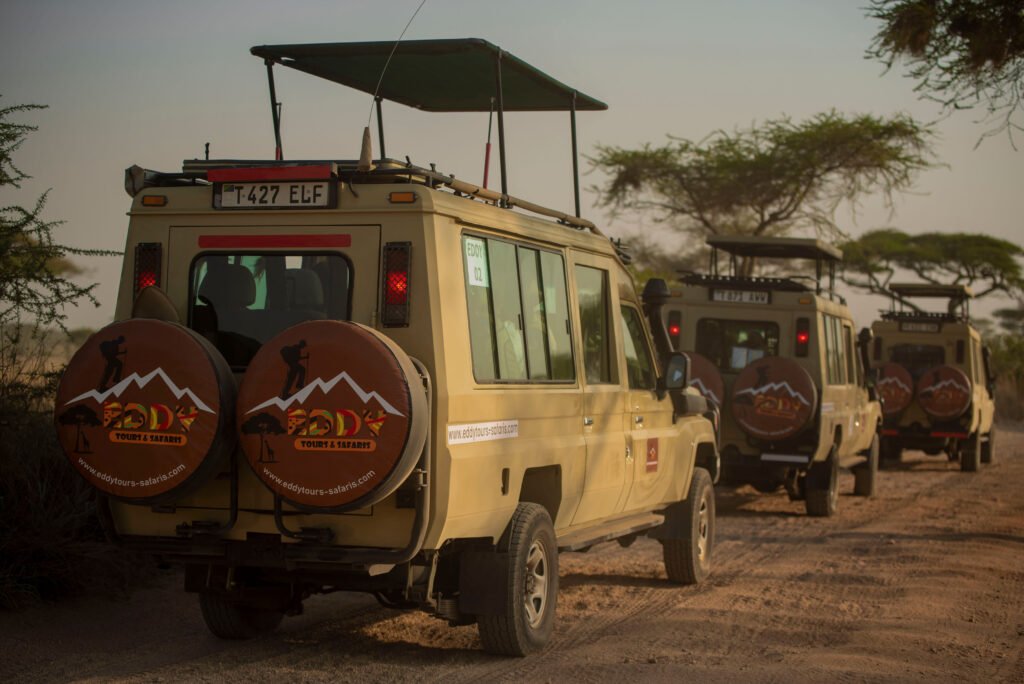
One of the biggest reasons travelers overpay is booking through multiple agents instead of directly with a local operator. International travel agencies often outsource the safari to local companies while adding their own commission, which can increase the total cost by 20% to 50% without improving the actual safari quality.
Many of these agencies market themselves as premium providers, but the actual safari experience is often handled by the same local teams you could have contacted directly. This is why understanding the booking chain is critical before confirming any trip.
For accurate destination insights, refer to resources like WWF, IUCN, National Geographic, and UNEP.
2. Hidden Park Fees and Government Charges
Another major factor behind how tourists overpay $2000+ on safari is misunderstanding park fees. Tanzania’s national parks, such as Serengeti and Ngorongoro, have fixed entry fees that are regulated by the government, yet some operators bundle them unclearly or inflate them.
Reliable information about conservation and park systems can be found at TANAPA, Ngorongoro Authority, Conservation International, and Wildlife Conservation Society.
Always ask for a detailed breakdown showing accommodation, transport, and park fees separately. This alone can save hundreds of dollars.
3. Overpriced Lodges Without Real Value
Luxury lodges are often marketed as the only way to experience safari, but the truth is many mid-range lodges offer nearly the same experience at a fraction of the cost. The difference in wildlife viewing is usually zero, yet prices can differ by $300–$800 per night.
Instead of focusing only on brand names, look at location, access to wildlife areas, and reviews. Research sources such as The Nature Conservancy, Fauna & Flora International, African Wildlife Foundation, and BirdLife International can help you understand ecosystems rather than marketing claims.
4. Poor Itinerary Planning
How tourists overpay $2000+ on safari also comes from inefficient itineraries. Some plans include unnecessary transfers, extra nights, or long driving routes that increase fuel and accommodation costs without improving the experience.
A well-designed itinerary should minimize travel time and maximize wildlife viewing. This is where working with experienced local planners makes a huge difference.
You can also compare trekking combinations with Kilimanjaro Climb Specialist to see how structured planning reduces unnecessary expenses.
5. Seasonal Pricing Mistakes
Traveling at the wrong time can significantly increase costs. Peak season prices can be double compared to shoulder seasons, yet wildlife viewing remains excellent in many off-peak months.
Understanding migration patterns and climate trends using sources like NOAA, NASA Climate, IPCC, and Met Office can help you choose the right timing.
6. Paying for Unnecessary “Luxury Add-ons”
Many safari packages include extras like champagne dinners, premium vehicle upgrades, or unnecessary domestic flights that inflate the price without improving the core experience.
Focus on what matters most: wildlife, guide quality, and location. Everything else is secondary.
For research-backed travel insights, refer to UNWTO, World Economic Forum, OECD, and World Bank.
7. Not Comparing Multiple Quotes
The simplest mistake is booking the first offer you receive. Prices can vary widely between operators for the same itinerary. Comparing at least three quotes can reveal differences of $1000 or more.
When comparing, check inclusions, group size, vehicle type, and accommodation level. Do not focus only on the total price.
Use global research platforms like Google Scholar, Google, World Bank Data, Statista, and Our World in Data to understand travel trends and pricing behavior.
How to Avoid Overpaying on Safari (Simple Strategy)
To avoid all these common mistakes, keep your approach simple and practical. Book directly with a trusted local operator, request a detailed cost breakdown, compare multiple quotes, and focus on value rather than marketing labels.
Most importantly, choose experience over luxury branding. A well-planned mid-range safari can deliver the same wildlife encounters as an expensive luxury trip while saving you thousands of dollars.
Final Thoughts
Understanding how tourists overpay $2000+ on safari gives you a strong advantage when planning your trip. With the right knowledge, you can avoid unnecessary costs, make smarter decisions, and enjoy a high-quality safari without overspending.
Safari is one of the most rewarding travel experiences in the world, and it does not have to be overpriced. The difference comes down to knowledge, planning, and choosing the right people to work with.
Ready to plan your safari the smart way? Choose experts who focus on value, transparency, and real experiences — not inflated prices.