
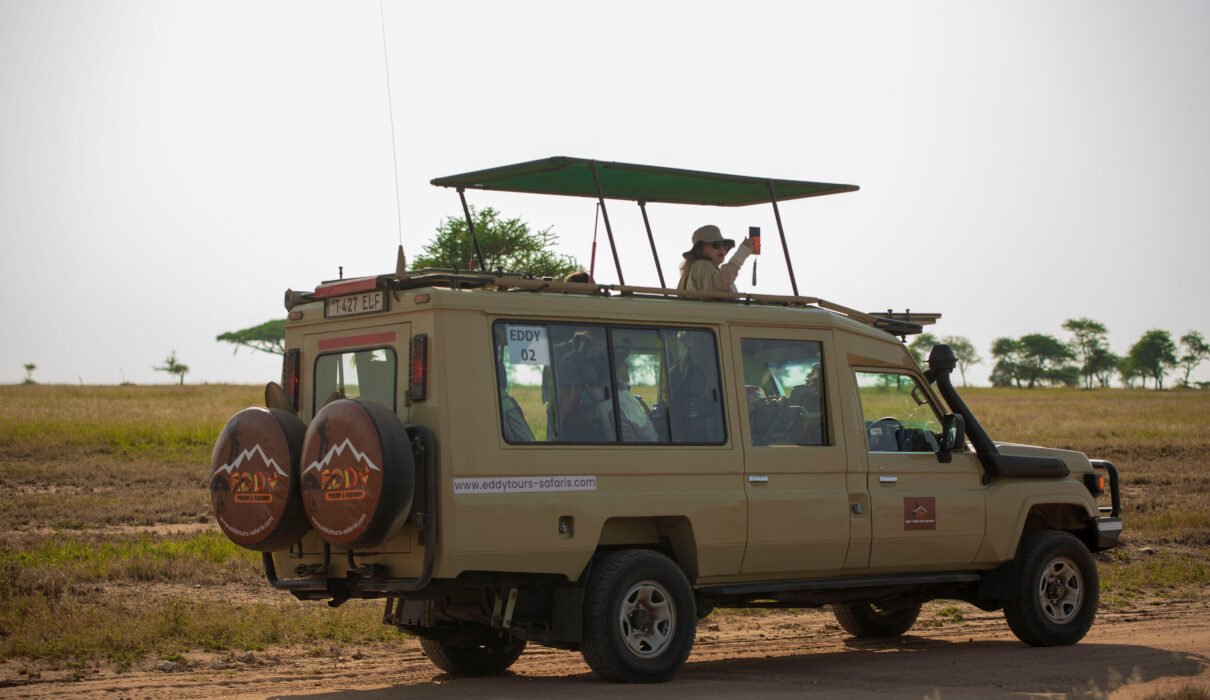
First-Time Safari Shock: 9 Powerful Surprises Most Travelers Face 2026/2027/2028
First-Time Safari Shock is something nearly every traveler experiences when they arrive in Africa for the first time. No matter how many documentaries you’ve watched or blogs you’ve read, nothing fully prepares you for the raw, immersive, and often unexpected realities of a real safari adventure. From the silence of the wilderness to the unpredictable movements of wildlife, your expectations will be challenged in the most fascinating ways.
Planning your journey with a trusted provider like Eddy Tours & Safaris helps you navigate these surprises with confidence, but understanding them ahead of time will make your experience even more rewarding. This guide dives deep into the most common shocks travelers face and how to embrace them.
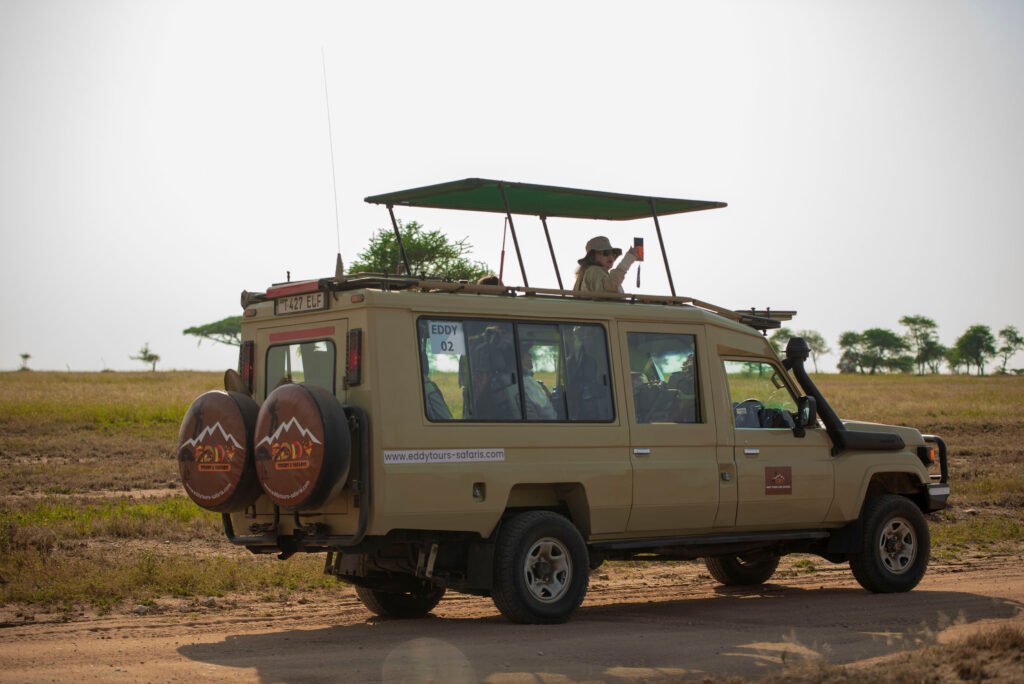
Understanding First-Time Safari Shock Before You Travel
The concept of First-Time Safari Shock goes beyond simple culture shock. It’s a combination of sensory overload, emotional awe, and unexpected realities that come from stepping into a completely different environment. Unlike city travel, safaris operate on nature’s terms, not human schedules.
Many travelers expect constant action, like what they see on National Geographic, but the truth is more nuanced. Wildlife viewing requires patience, and sometimes the most magical moments come after long periods of quiet observation.
Organizations like World Wildlife Fund and IUCN emphasize the importance of preserving these ecosystems, which means tourism is carefully managed to protect wildlife rather than entertain visitors.
The Reality vs Expectation Gap
Many first-time safari-goers expect guaranteed sightings of the “Big Five.” However, animals are wild and move freely. Even in famous parks, sightings are never guaranteed. This unpredictability is what makes safaris authentic and exciting.
Scientific research from Smithsonian Institution shows that wildlife behavior is influenced by weather, migration, and human presence, making every safari unique.
Wildlife Encounters Are Not Always Immediate
One of the biggest elements of First-Time Safari Shock is the realization that animals don’t appear on demand. You might drive for hours before seeing something spectacular, and then suddenly witness a breathtaking moment.
This unpredictability is part of the ecosystem studied by Nature Research and Encyclopaedia Britannica, which highlight how animal movement patterns are complex and seasonal.
Booking with experts such as Eddy Tours & Safaris increases your chances of sightings because experienced guides understand animal behavior.
Patience Is the Key to Reward
Safari success often comes to those who wait. A quiet moment can suddenly turn into a lion hunt or elephant crossing. This unpredictability creates unforgettable memories.
The Silence of the African Wilderness
Another surprising aspect of First-Time Safari Shock is the deep silence. Unlike cities filled with constant noise, the African bush is calm, broken only by natural sounds like birds or distant animal calls.
Studies from National Park Service show that natural soundscapes improve mental well-being, making safaris not just exciting but also healing experiences.
Early Mornings and Strict Schedules
Safaris operate on wildlife time, not human comfort. Game drives often begin before sunrise when animals are most active. This can be a shock for travelers used to relaxed vacations.
According to Sleep Foundation, adjusting your sleep schedule before travel can help reduce fatigue and enhance your safari experience.
Why Early Drives Matter
Predators like lions and leopards are most active during cooler hours. Missing early drives means missing some of the most exciting wildlife behavior.
Weather Conditions Can Be Extreme
First-Time Safari Shock also includes dealing with unexpected weather. African climates can shift quickly from hot afternoons to chilly mornings.
Data from NOAA and UK Met Office highlight how savannah climates vary significantly throughout the day.
Luxury and Wilderness Coexist Differently
Many travelers expect luxury similar to city hotels. While safari lodges can be high-end, they are still located in remote areas. This means limited Wi-Fi, occasional power interruptions, and close proximity to wildlife.
Eco-tourism principles promoted by UN Environment Programme encourage sustainable practices that prioritize nature over convenience.
For a balanced experience, explore curated packages from Eddy Tours & Safaris.
Close Encounters Feel More Intense Than Expected
Seeing a lion on TV is very different from seeing one just meters away. First-Time Safari Shock often includes a mix of excitement and fear during close encounters.
Behavioral studies from ScienceDirect explain that human adrenaline spikes in proximity to wild animals, making the experience unforgettable.
Photography Is More Challenging Than It Looks
Capturing wildlife requires skill, patience, and the right equipment. Animals move quickly, and lighting conditions change constantly.
Guides often recommend learning basics from resources like Digital Camera World before your trip.
Food and Dining Are Unique Experiences
Safari meals are often served in open settings, sometimes with wildlife nearby. This creates a memorable dining atmosphere but can surprise first-time visitors.
Health guidelines from World Health Organization ensure that safari lodges maintain high food safety standards.
Connectivity Is Limited
Disconnecting from technology is part of the safari experience. Many lodges have limited internet access, allowing travelers to fully immerse themselves in nature.
Research from American Psychological Association shows that digital detox improves mental clarity and reduces stress.
Conservation Efforts Shape Your Experience
Modern safaris are deeply connected to conservation. Many parks and lodges contribute to wildlife protection and community development.
Organizations like African Parks, Wildlife Conservation Society, and Conservation International play key roles in preserving ecosystems.
Combining Safari with Other Adventures
Many travelers combine safaris with other African experiences like mountain climbing. For example, planning a trek with Kilimanjaro Climb Specialist adds another dimension to your trip.
Planning Reduces First-Time Safari Shock
Preparation is the best way to reduce surprises. Choosing experienced operators like Eddy Tours & Safaris ensures smooth logistics and expert guidance.
Travel planning tools such as Google and research platforms like Google Scholar can help you gather reliable information.
FAQs About First-Time Safari Shock
Is First-Time Safari Shock normal?
Yes, nearly all travelers experience it. It’s part of adjusting to a new environment.
Can I guarantee seeing the Big Five?
No, wildlife sightings are never guaranteed, but guides maximize your chances.
Is safari safe for beginners?
Yes, when following guide instructions and safety rules.
What should I pack?
Neutral clothing, sunscreen, binoculars, and a camera are essential.
Are safaris suitable for families?
Many lodges offer family-friendly experiences with safety measures.
How long should my safari be?
Typically 5–7 days provides a well-rounded experience.
Conclusion: Embrace the Unexpected
First-Time Safari Shock is not something to fear—it’s something to embrace. The surprises, challenges, and moments of awe are what make safaris unforgettable. By preparing properly and choosing experienced operators like Eddy Tours & Safaris, you turn uncertainty into excitement.
In the end, a safari is not just a trip; it’s a transformation. The wild teaches patience, respect, and appreciation for nature in ways no other experience can.