
Omicron Variant and Its Impact on Tanzania Travel 2026/2027/2028
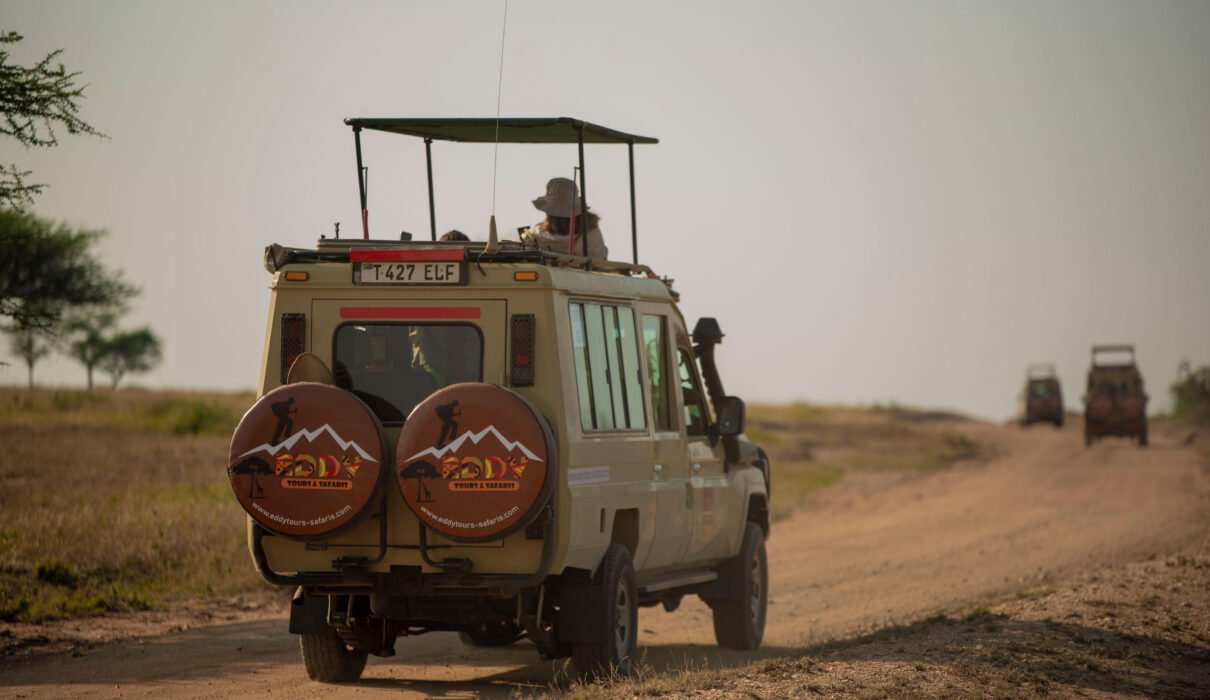
Omicron Variant and Its Impact on Tanzania Travel 2026/2027/2028 has become one of the most important topics for travelers planning safaris, beach holidays, and mountain adventures across East Africa. As global travel continues to evolve, understanding how health developments influence entry requirements, tourism experiences, and safety measures in Tanzania is essential for making informed travel decisions. This article explores the realities, expectations, and opportunities surrounding travel to Tanzania in the coming years.
Understanding the Omicron Variant in a Global Context
The Omicron variant reshaped how countries approach public health, especially in travel-dependent economies. Although its severity has fluctuated over time, global responses have created a long-term framework for how nations manage outbreaks. Tanzania, like many countries, has adapted by strengthening screening systems, improving healthcare readiness, and aligning with international health recommendations.
For travelers, this means a more structured but manageable travel experience. Requirements such as vaccination proof, health declarations, and occasional testing may still apply depending on global conditions. Staying updated through sources like WHO and CDC ensures accurate planning.
Omicron Variant and Its Impact on Tanzania Travel 2026/2027/2028 Entry Requirements
Tanzania has consistently aimed to balance safety with accessibility. Entry requirements are expected to remain traveler-friendly while incorporating global health protocols. Visitors may encounter simplified digital health forms, optional vaccination recommendations, and minimal restrictions compared to stricter destinations.
Travelers booking through trusted operators like Eddy Tours & Safaris often receive updated guidance on documentation, ensuring a smooth arrival experience. Airlines and airports also continue to modernize procedures to reduce delays and improve efficiency.
Visa and Documentation Updates
The visa process remains largely unchanged, with e-visas available online. However, health declarations may be integrated into the same system for convenience. Travelers can verify requirements through platforms like IATA and ICAO.
Travel Experience Changes Across Tanzania
The safari experience in Tanzania remains breathtaking, but subtle changes enhance safety and comfort. Lodges, camps, and tour operators have adopted higher hygiene standards, spacious accommodations, and personalized services. These adjustments not only address health concerns but also elevate the overall travel experience.
From Serengeti game drives to Zanzibar beach retreats, travelers can expect a blend of adventure and reassurance. Conservation organizations such as WWF and IUCN continue to support sustainable tourism practices that align with these changes.
Safari Safety and Comfort
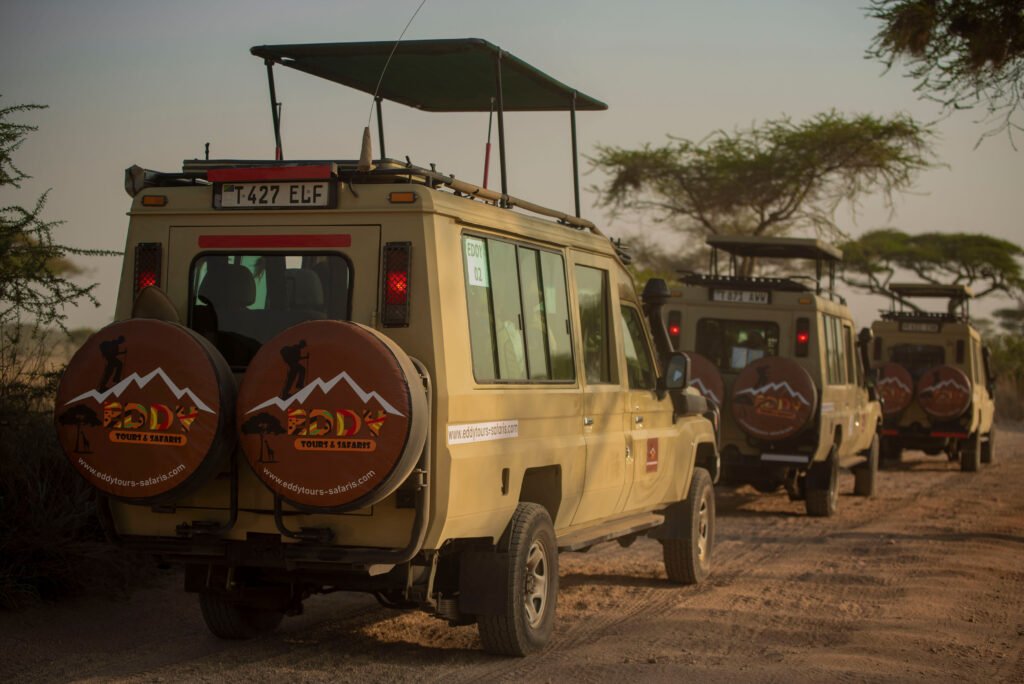
Private safaris have become more popular, offering flexibility and reduced contact with large groups. Booking with experts like Eddy Tours & Safaris ensures tailored itineraries that prioritize both safety and unforgettable wildlife encounters.
Impact on Kilimanjaro Climbing and Adventure Travel
Climbing Mount Kilimanjaro remains a highlight for many travelers. Operators have introduced improved health monitoring, smaller climbing groups, and enhanced support systems. These changes ensure that trekkers can safely enjoy one of Africa’s most iconic adventures.
Reliable climbing information can be found at Kilimanjaro Climb Specialist, while environmental insights are supported by National Geographic and NASA.
Economic and Tourism Recovery in Tanzania
The tourism sector in Tanzania has shown resilience and adaptability. With continued global recovery, the country is expected to experience steady growth in visitor numbers. Investments in infrastructure, marketing, and sustainability are driving this positive trend.
Organizations like UNWTO and World Bank highlight Tanzania as a strong recovery example in Africa. Local businesses, including Eddy Tours & Safaris, play a key role in delivering high-quality experiences.
Health and Safety Measures for Travelers
Travelers can expect a continued emphasis on cleanliness, medical readiness, and emergency response systems. Hotels and lodges maintain strict sanitation protocols, while guides are trained in basic health safety measures. Access to medical facilities has also improved in major tourist regions.
For up-to-date health advice, travelers should consult Healthline, NIH, and Mayo Clinic.
Wildlife Conservation and Sustainable Tourism
The pandemic period reinforced the importance of sustainable tourism. Tanzania continues to prioritize conservation, ensuring that tourism benefits both wildlife and local communities. Visitors contribute directly to preservation efforts through park fees and eco-friendly travel choices.
Key conservation partners include African Parks, African Wildlife Foundation, and Conservation International.
Traveler Confidence and Booking Trends
Traveler confidence is steadily increasing as information becomes clearer and systems more predictable. Flexible booking policies, travel insurance options, and transparent communication have made planning easier than ever.
Booking with experienced operators like Eddy Tours & Safaris provides peace of mind, as they offer real-time updates and personalized support throughout the journey.
Technology and Digital Travel Solutions
Technology plays a growing role in simplifying travel. Digital health passes, mobile booking platforms, and contactless payments enhance convenience. Travelers can use tools from Google, Apple, and Microsoft to manage their trips efficiently.
Future Outlook for Tanzania Travel
The future of travel to Tanzania looks promising. With a strong focus on sustainability, safety, and quality experiences, the country remains a top destination for safari enthusiasts and adventure seekers. Continued collaboration between government, private sector, and international organizations ensures a stable and welcoming environment.
FAQs
Is Tanzania safe to visit after the Omicron variant?
Yes, Tanzania remains a safe destination with enhanced health measures and well-managed tourism operations.
Do I need vaccination to travel to Tanzania?
Requirements may vary, so it is best to check official sources before traveling.
Are safaris still operating normally?
Yes, safaris are fully operational with improved safety and comfort standards.
Can I climb Kilimanjaro safely?
Absolutely, with experienced guides and updated safety protocols in place.
Is travel insurance necessary?
Travel insurance is highly recommended for added security and flexibility.
When is the best time to visit Tanzania?
The dry seasons from June to October and December to February are ideal for travel.
Conclusion
Omicron Variant and Its Impact on Tanzania Travel 2026/2027/2028 highlights how the travel industry has evolved into a safer, more resilient, and more personalized experience. Tanzania continues to welcome travelers with open arms, offering unforgettable adventures while maintaining high standards of safety and sustainability. By staying informed and choosing reliable travel partners, visitors can confidently explore the beauty of Tanzania and create lasting memories.