
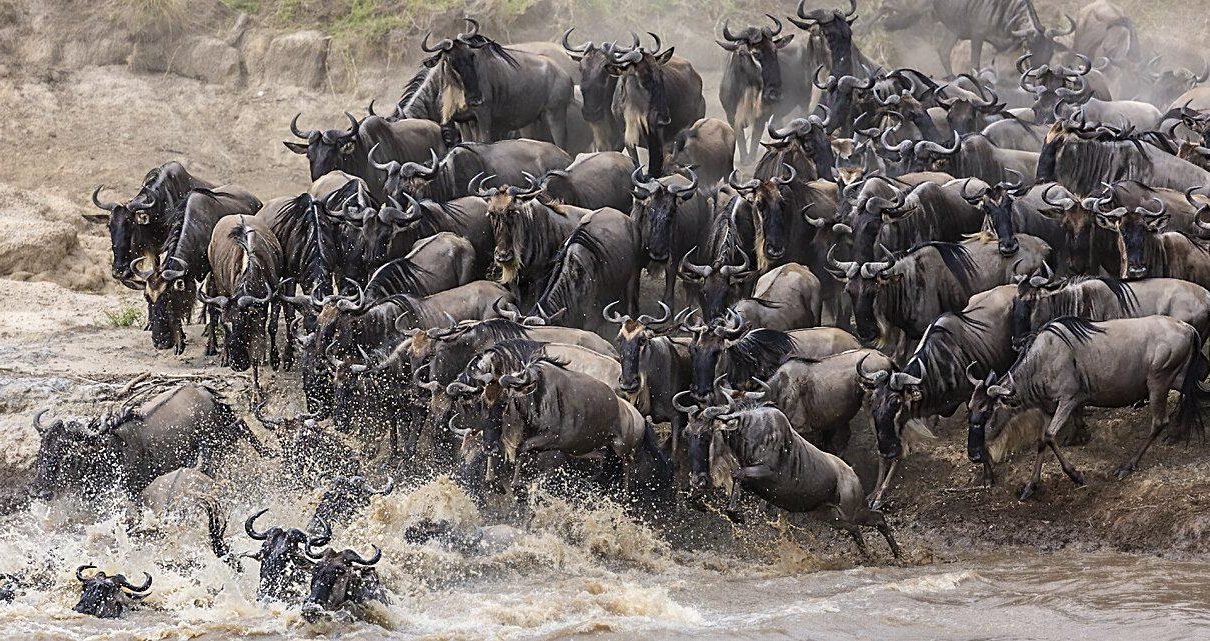
A 6 Days Migration Safari in Tanzania offers travellers an excellent opportunity to explore the Serengeti National Park and experience one of Africa’s most remarkable wildlife movements. Every year, enormous herds of wildebeest, accompanied by zebras and other grazing animals, travel through the Serengeti ecosystem in search of fresh grass and water. This natural movement, commonly known as the Great Wildebeest Migration, attracts visitors from around the world who want to observe large wildlife herds, predator activity, and the beautiful landscapes of northern Tanzania.
Planning a 6-day Tanzania migration safari for 2027, 2028, or 2029 allows visitors to spend several days exploring the Serengeti while also visiting the Ngorongoro Crater. Depending on the time of year, the safari can focus on the southern Serengeti and Ndutu plains during the calving season, the western Serengeti during the northward movement, or the northern Serengeti during the period when Mara River crossings may occur. Choosing the correct region is particularly important because the migration follows seasonal rainfall and grazing conditions rather than a fixed calendar.
The Serengeti is not only famous for migrating wildebeest. It also supports lions, leopards, cheetahs, elephants, giraffes, buffaloes, hyenas, and numerous antelope species. Travellers can enjoy wildlife game drives, photography, and opportunities to observe animals in their natural habitats throughout the safari.
Eddy Tours & Safaris is a local tour company based in Arusha, Tanzania, organising professionally guided wildlife safaris, Kilimanjaro climbing expeditions, and private holidays. This guide explains the complete six-day migration safari itinerary, estimated prices, seasonal migration locations, accommodation options, and important travel information for visitors planning their Tanzania safari in 2027, 2028, or 2029.
6 Days Tanzania Great Migration Safari Overview
A six-day Great Migration safari normally begins and ends in Arusha, the main gateway to Tanzania’s northern safari circuit. The itinerary focuses on Serengeti National Park and the Ngorongoro Conservation Area, with the possibility of including additional destinations depending on travel dates and available time. The main objective is to spend sufficient time in the Serengeti while allowing opportunities to observe the seasonal movements of wildebeest and zebras.
Private migration safaris provide flexibility when selecting accommodation and planning game drives. Travellers can choose budget, mid-range, or luxury options, although availability varies considerably between different Serengeti regions. During the northern migration season, accommodation near Kogatende and the Mara River is particularly popular, while Ndutu and the southern Serengeti attract visitors during the calving season.
| Safari Information | Details |
|---|---|
| Safari name | 6 Days Tanzania Great Migration Safari |
| Duration | 6 Days / 5 Nights |
| Starting point | Arusha, Tanzania |
| Ending point | Arusha, Tanzania |
| Main destinations | Serengeti National Park and Ngorongoro Crater |
| Seasonal migration areas | Ndutu, Central Serengeti, Western Corridor or Northern Serengeti |
| Main activities | Wildlife game drives and photography |
| Safari type | Private wildlife safari |
| Transportation | 4×4 safari vehicle |
| Accommodation | Budget, mid-range or luxury |
| Travel years | 2027, 2028 and 2029 |
| Suitable for | Couples, families, photographers and wildlife enthusiasts |
| Departure dates | Flexible private departures, subject to availability |
Why Choose a 6-Day Great Migration Safari in Tanzania?
Six days provide a practical amount of time for travellers who want to explore the Serengeti without committing to an extended safari holiday. Unlike shorter itineraries, a six-day safari allows visitors to spend several days in wildlife areas while also including the Ngorongoro Crater. This provides a balance between migration viewing, general wildlife observation, and experiencing different landscapes.
One of the main advantages of a six-day safari is the opportunity to select the most suitable migration region for the travel season. Travellers visiting between January and March may focus on the southern Serengeti and Ndutu plains, while visitors travelling between July and October may prefer the northern Serengeti. The exact itinerary should be adjusted according to current wildlife movements and accommodation availability.
A private safari also allows travellers to organise their game drives according to their interests. Wildlife photographers may prefer spending additional time observing predator behaviour, while families may choose a more relaxed daily schedule. Although the migration cannot be controlled or predicted precisely, spending several days in suitable wildlife areas provides more opportunities to observe natural animal movements.
Detailed 6 Days Tanzania Great Migration Safari Itinerary
The following itinerary is designed for travellers visiting during the northern migration season, generally between July and October. It combines Central Serengeti, Northern Serengeti, and the Ngorongoro Crater, with five nights of accommodation along the route.
For travellers visiting during the calving season or western migration period, the Serengeti accommodation locations and game-drive areas should be adjusted. The southern, western, and northern migration routes are explained later in this guide.
Day 1: Arusha to Central Serengeti National Park
Your six-day Tanzania migration safari begins with an early morning departure from Arusha. Your professional safari guide will meet you at your hotel, explain the itinerary, and assist with loading your luggage into the safari vehicle. After the briefing, you will begin the journey towards Serengeti National Park, travelling through the beautiful highlands of northern Tanzania.
The route passes through the Ngorongoro Conservation Area, where the landscape gradually changes from cultivated highlands to open grasslands. Depending on road conditions and the selected route, the journey from Arusha to Central Serengeti can take approximately seven to nine hours or longer, including stops and entrance procedures. Although the drive is substantial, the changing scenery provides an interesting introduction to the northern safari circuit.
Upon entering Serengeti National Park, you will begin your first game drive while travelling towards the central region. The Serengeti is internationally recognised for its extensive plains and remarkable wildlife populations. Lions, giraffes, zebras, wildebeest, buffaloes, elephants, and numerous antelope species inhabit different sections of the park.
The Central Serengeti, particularly the Seronera area, is well known for its resident wildlife and predator populations. Your guide will explore suitable wildlife areas before continuing towards your accommodation. After arriving at the lodge or tented camp, you will enjoy dinner and prepare for the following day’s safari activities.
Destination: Central Serengeti National Park
Main activity: Scenic transfer and wildlife game drive
Accommodation: Lodge or tented camp in Central Serengeti
Meals: Lunch and dinner
Day 2: Central Serengeti to Northern Serengeti – Following the Migration
After breakfast, you will depart towards Northern Serengeti, travelling through extensive grasslands and wildlife habitats. The journey provides opportunities to observe resident wildlife while moving towards the areas commonly associated with the Great Migration during the dry season. Depending on your accommodation location and road conditions, the transfer may take several hours.
The northern Serengeti is particularly important during the period when wildebeest herds move towards the Mara River. Large groups of wildebeest and zebras may be encountered across the plains, sometimes gathering near river systems and grazing areas. The precise location of the herds changes according to rainfall, available grass, and natural animal movements.
During the game drive, your guide will look for wildlife while travelling towards the Kogatende or Lamai region. Lions, leopards, cheetahs, hyenas, elephants, and other animals may be observed along the route. The landscape gradually changes as you move north, providing different opportunities for photography.
After the day’s game drive, you will continue towards your selected lodge or tented camp in Northern Serengeti. You will have dinner and spend the night near the areas where migration activity may occur during this season.
Destination: Northern Serengeti
Main activity: Migration-focused game drive
Accommodation: Lodge or tented camp in Northern Serengeti
Meals: Breakfast, lunch and dinner
Day 3: Full-Day Great Migration Safari in Northern Serengeti
The third day is dedicated to exploring Northern Serengeti, with particular attention to areas where wildebeest herds may be gathering. After an early breakfast, you will depart with your guide for a full-day wildlife game drive. The schedule can be adjusted according to current wildlife activity and the location of the migrating herds.
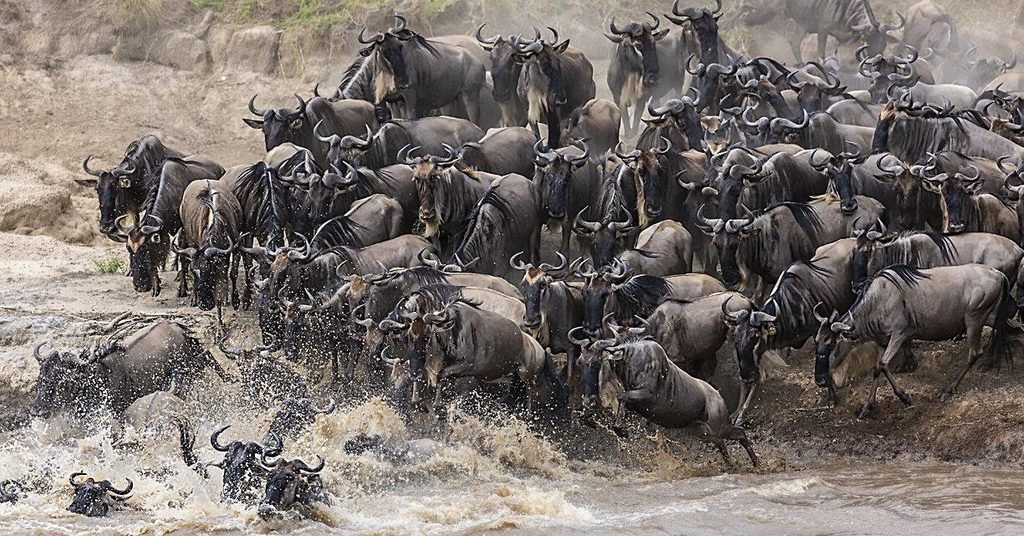
During the northern migration season, large numbers of wildebeest and zebras may gather around the Mara River. These animals sometimes cross the river in search of grazing areas, creating dramatic wildlife scenes. However, river crossings are unpredictable, and herds may remain near the river for several hours or days before moving.
Your guide will explore permitted viewing areas while maintaining appropriate distances from wildlife. Crocodiles inhabit sections of the Mara River, while lions, leopards, cheetahs, and hyenas may be encountered in surrounding habitats. The combination of migrating herbivores and resident predators makes Northern Serengeti an important wildlife destination.
You will enjoy a packed lunch during the day and continue exploring suitable areas before returning to your accommodation. The evening provides an opportunity to relax and discuss the day’s wildlife encounters.
Destination: Northern Serengeti
Main activity: Full-day migration safari
Accommodation: Lodge or tented camp in Northern Serengeti
Meals: Breakfast, lunch and dinner
Day 4: Northern Serengeti to Central Serengeti – Wildlife and Predator Safari
After breakfast, you will begin the journey back towards Central Serengeti, enjoying wildlife viewing along the route. The drive passes through open plains, woodland areas, and other habitats supporting a variety of animals. Depending on seasonal conditions, you may encounter migrating wildebeest herds or resident wildlife during the transfer.
The Serengeti is particularly well known for its large predator populations. Lions are frequently observed in suitable habitats, while leopards may be found resting in trees or moving through woodland areas. Cheetahs are often associated with open grasslands, where they hunt smaller antelope and other prey.
Your guide will explore suitable wildlife areas while continuing towards the central region. The journey provides opportunities to observe giraffes, elephants, buffaloes, zebras, and numerous bird species. Wildlife sightings depend on natural movements, but the variety of habitats makes this section of the Serengeti particularly interesting.
After the game drive, you will arrive at your accommodation in Central Serengeti for dinner and an overnight stay.
Destination: Central Serengeti
Main activity: Wildlife game drive and transfer
Accommodation: Lodge or tented camp in Central Serengeti
Meals: Breakfast, lunch and dinner
Day 5: Central Serengeti to Ngorongoro Conservation Area
The fifth day begins with breakfast followed by a morning game drive in Central Serengeti. This provides another opportunity to observe wildlife before leaving the park. Depending on animal movements, you may encounter lions, giraffes, elephants, zebras, wildebeest, and other species.
After the morning game drive, you will begin the journey towards the Ngorongoro Conservation Area. The route passes through the eastern Serengeti landscapes before reaching the Ngorongoro highlands. The scenery changes considerably as you travel from open plains towards higher elevations.
The Ngorongoro Conservation Area is recognised for its unique volcanic landscapes and important wildlife habitats. The area includes the famous Ngorongoro Crater, which supports numerous large mammals throughout the year. Your guide will continue towards your selected accommodation near the crater rim or in the Karatu area.
Upon arrival, you will check in, enjoy dinner, and prepare for the following day’s crater game drive.
Destination: Ngorongoro Conservation Area or Karatu
Main activity: Morning game drive and scenic transfer
Accommodation: Lodge near Ngorongoro or Karatu
Meals: Breakfast, lunch and dinner
Day 6: Ngorongoro Crater Game Drive and Return to Arusha
The final day begins with an early breakfast before departing towards the Ngorongoro Crater. After completing the necessary entrance procedures, your guide will descend into the crater for a wildlife game drive. The crater is one of Tanzania’s most remarkable wildlife destinations because of its distinctive volcanic landscape and concentration of large mammals.
During the game drive, you may encounter lions, buffaloes, zebras, wildebeest, hippos, elephants, and numerous antelope species. The crater is also home to endangered black rhinoceroses, although sightings cannot be guaranteed. Your guide will explore suitable areas while following conservation regulations and maintaining safe distances from animals.
The crater contains grasslands, wetlands, and forested habitats that support different wildlife species. Birdwatchers may observe flamingos, crowned cranes, ostriches, and various birds of prey, depending on seasonal conditions. The combination of wildlife and beautiful scenery makes Ngorongoro an excellent final destination for the safari.
After enjoying a picnic lunch, you will ascend the crater rim and begin the return journey to Arusha. Arrival is generally expected in the late afternoon or evening, depending on road conditions and departure time.
Destination: Ngorongoro Crater
Main activity: Crater game drive
Ending location: Arusha
Meals: Breakfast and lunch
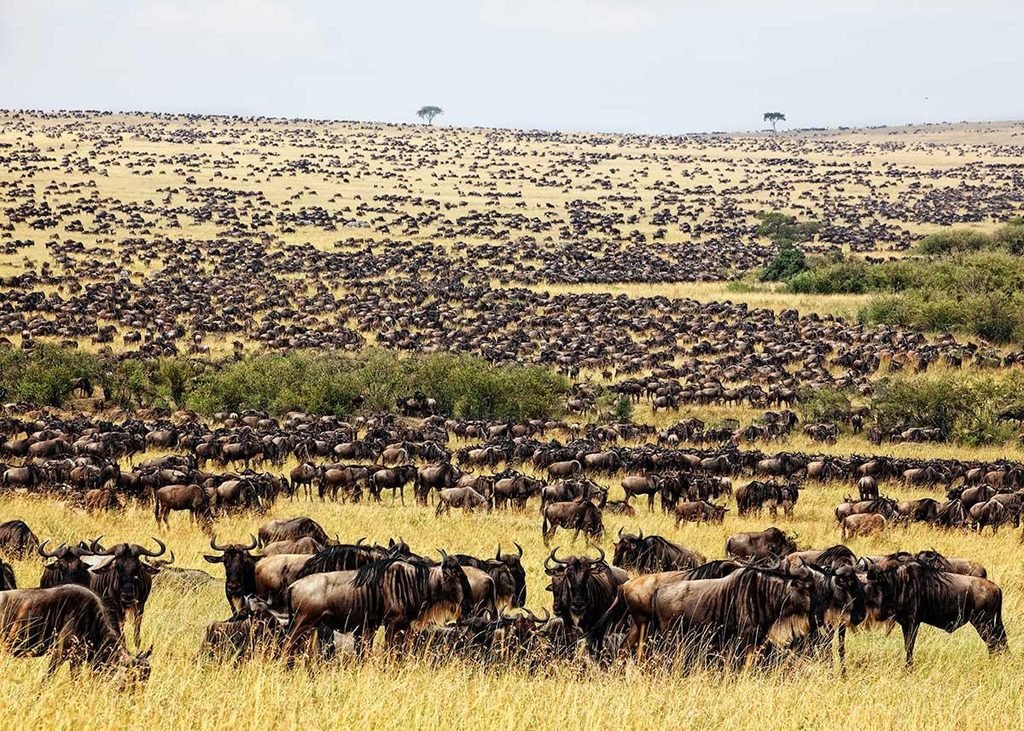
Tanzania Great Migration Safari Routes by Season
The Great Migration follows a broad annual movement through the Serengeti ecosystem, but the exact timing varies according to rainfall and grazing conditions. This means a six-day migration safari should not follow the same route throughout the year. Travellers planning their holiday in 2027, 2028, or 2029 should select an itinerary based on the season they intend to visit.
January to March: Southern Serengeti and Ndutu Calving Safari
Between January and March, large wildebeest herds are often found across the southern Serengeti and Ndutu plains. This period is particularly important because many wildebeest give birth on the short-grass plains, where fresh vegetation provides suitable grazing. The calving season generally reaches its busiest period around January and February, although timing varies according to rainfall.
Travellers visiting during this period should focus their safari on the southern Serengeti and Ndutu region rather than travelling towards the northern Mara River. The area supports lions, cheetahs, hyenas, and other predators, providing opportunities to observe interactions between predators and grazing animals. Wildlife photography can be particularly rewarding because of the open landscapes and large herds.
A six-day calving safari can include several nights around Ndutu, additional game drives in Central Serengeti, and a visit to the Ngorongoro Crater. The exact route should be selected according to accommodation availability and current wildlife movements.
April to June: Central and Western Serengeti Migration Safari
During April, May, and June, migrating wildebeest generally begin moving through the central and western sections of the Serengeti ecosystem. Seasonal rainfall influences the timing, and herds may spread across different grazing areas rather than travelling together in one large group. The Western Corridor becomes particularly important as animals move towards the Grumeti River.
Travellers visiting during this period may encounter large herds of wildebeest and zebras moving across open plains. River crossings can occur in the western Serengeti, although their timing and location are unpredictable. The area also supports resident wildlife, including lions, elephants, buffaloes, giraffes, and numerous antelope species.
A six-day safari during this season can focus on Central Serengeti and the Western Corridor, with accommodation selected according to the expected migration movement. Road conditions should be considered carefully during the rainy months because some routes may become difficult to access.
July to October: Northern Serengeti and Mara River Migration Safari
Between July and October, migrating wildebeest herds are often found in the northern Serengeti and the wider Mara ecosystem. This period is particularly popular among travellers hoping to observe Mara River crossings. The northern Serengeti includes areas such as Kogatende and Lamai, where large herds may gather during the dry season.
Mara River crossings are among the most dramatic wildlife events associated with the Great Migration. However, these crossings cannot be scheduled or guaranteed because wildebeest respond to natural conditions. Herds may gather near the river before crossing, move to another location, or remain on one side for several days.
For travellers visiting during this season, spending at least two nights in Northern Serengeti is recommended. Additional time provides more opportunities to explore suitable migration areas and observe wildlife without relying on a single game drive.
November to December: Returning Migration Through the Serengeti
During November and December, seasonal rains often encourage wildebeest herds to move back towards the central and southern Serengeti. The exact route depends on rainfall and grazing conditions, and herds may be spread across different parts of the ecosystem. This period can provide beautiful green landscapes and excellent wildlife photography opportunities.
Travellers visiting during these months should consider Central Serengeti and the southern plains, depending on current wildlife reports. Predator sightings may still be possible because the Serengeti supports resident populations throughout the year. A flexible itinerary is particularly important during this period because the location of migrating herds can change quickly.
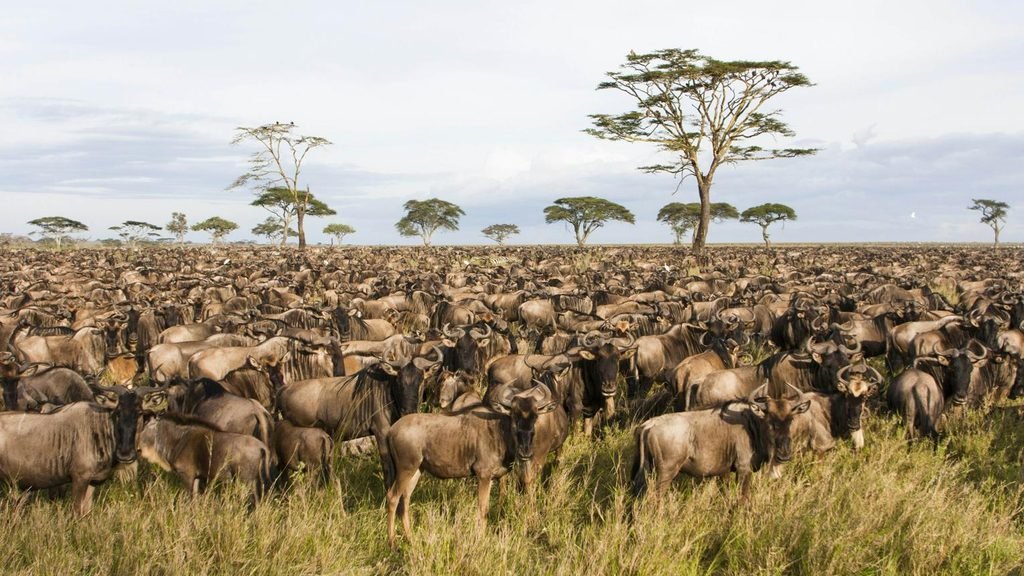
Great Migration Calendar for 2027, 2028 and 2029
The following calendar provides a general guide to the seasonal movement of wildebeest through the Serengeti ecosystem. It should be used for planning rather than as a guarantee of wildlife locations.
| Month | Expected Migration Area | Main Wildlife Experience |
|---|---|---|
| January | Southern Serengeti and Ndutu | Calving season and predator activity |
| February | Ndutu and southern plains | Peak calving period |
| March | Southern Serengeti | Grazing herds and seasonal movement |
| April | Southern and Central Serengeti | Northward movement |
| May | Central and Western Serengeti | Migrating herds |
| June | Western Corridor and Grumeti | Large herds and possible river crossings |
| July | Western and Northern Serengeti | Northward migration |
| August | Northern Serengeti and Mara River | Possible river crossings |
| September | Northern Serengeti | Migration and possible river crossings |
| October | Northern Serengeti | Late northern migration |
| November | Eastern and Central Serengeti | Return movement |
| December | Southern Serengeti and Ndutu | Herds returning to southern plains |
The calendar is based on typical seasonal patterns, not confirmed future herd locations. Rainfall can shift the migration by several weeks, and different groups may occupy separate regions at the same time.
6 Days Tanzania Migration Safari Prices for 2027, 2028 and 2029
The cost of a six-day Tanzania migration safari depends on several factors, including the number of travellers, accommodation category, migration region, travel season, and whether the safari includes domestic flights. Private safaris generally have higher per-person costs for smaller groups because vehicle and guiding expenses are shared among fewer participants. Accommodation in Northern Serengeti can also be more expensive during the popular Mara River migration season.
National park fees, Ngorongoro conservation charges, transport, meals, and professional guiding services contribute to the overall safari cost. Travellers should compare quotations carefully because packages with similar durations may include different accommodation standards and services.
Estimated 6-Day Tanzania Migration Safari Prices
| Safari Category | Estimated Price Per Person |
|---|---|
| Budget camping safari | USD 1,200–1,700 |
| Mid-range lodge safari | USD 1,700–2,600 |
| Luxury lodge safari | USD 2,700–4,500+ |
| Private safari for two travellers | USD 2,000–3,500 |
| Premium fly-in migration safari | USD 3,500–6,000+ |
These figures are broad planning estimates rather than confirmed Eddy Tours & Safaris quotations for 2027, 2028, or 2029. Actual prices depend on accommodation availability, seasonal rates, group size, park fees, and transport arrangements. Remote northern Serengeti itineraries may cost more than comparable safaris in the central or southern regions.
For accurate pricing, travellers can contact Eddy Tours & Safaris with their preferred dates, number of participants, and accommodation requirements.
What Determines the Cost of a 6-Day Migration Safari?
Several expenses contribute to the overall cost of a Tanzania migration safari. Understanding these factors helps travellers compare different packages and choose an itinerary that matches their budget. The main expenses include accommodation, national park fees, transport, professional guiding services, meals, and additional travel arrangements.
Accommodation Category
Accommodation is one of the main factors affecting safari prices. Budget camping safaris use designated campsites with basic facilities, while mid-range packages include comfortable lodges or tented camps. Luxury safaris generally use premium properties offering spacious accommodation, attractive locations, and additional guest services.
During the northern migration season, accommodation near the Mara River can become particularly popular. Travellers planning safaris between July and October should consider booking early because availability may become limited.
National Park and Conservation Fees
Serengeti National Park and the Ngorongoro Conservation Area require visitors to pay applicable entrance and conservation fees. The Ngorongoro Crater also involves additional charges associated with vehicle access to the crater floor. These expenses can represent a substantial part of the overall safari cost.
Travellers should confirm that all applicable fees are included in the package quotation. Official national park information is available from the Tanzania National Parks Authority.
Number of Travellers
The number of participants influences the per-person cost of a private safari. Couples and solo travellers generally pay more per person because vehicle and guiding expenses are shared among fewer participants. Families and groups of friends can often reduce individual costs by travelling together.
Travel Season
The travel season can influence accommodation prices and availability. July through October is particularly popular for northern Serengeti migration safaris, while January and February attract visitors interested in the calving season. Some accommodation providers offer different rates during quieter months, although discounts vary between properties.
Best Time for a 6-Day Wildebeest Migration Safari
The best time for a six-day migration safari depends on the wildlife experience travellers want to observe. The Great Migration takes place throughout the year, but the herds occupy different parts of the Serengeti ecosystem as seasonal conditions change. Visitors should therefore select their travel dates according to the migration stage they are most interested in.
Travellers hoping to observe wildebeest calving should consider January and February, when the southern Serengeti and Ndutu plains are particularly important. Those interested in large migrating herds and possible Grumeti River crossings may prefer May through July, depending on rainfall and current wildlife movements.
Visitors hoping to witness Mara River crossings should generally consider July through October, particularly August and September. However, river crossings remain unpredictable, and no safari operator can guarantee a crossing on a specific date. The most effective approach is to spend several days in the appropriate migration region and allow time for natural wildlife activity.
Wildlife You Can See During a 6-Day Tanzania Migration Safari
Although the Great Migration is the main attraction, the Serengeti supports numerous wildlife species throughout the year. Visitors may encounter lions, leopards, cheetahs, elephants, giraffes, buffaloes, hyenas, zebras, wildebeest, and several antelope species. The variety of habitats provides opportunities to observe different animals during game drives.
Lions are among the most frequently sought-after predators in the Serengeti. They inhabit grasslands and woodland areas, where they hunt wildebeest, zebras, and other prey. Leopards are generally more difficult to observe because they are often solitary and may spend time resting in trees or dense vegetation.
Cheetahs are commonly associated with open grasslands, where they use their speed to hunt smaller antelope and other animals. Spotted hyenas are also important predators and scavengers within the ecosystem. During the migration season, the movement of large herbivore herds can create opportunities to observe predator behaviour.
The Ngorongoro Crater provides additional wildlife viewing opportunities during the final day of the safari. Lions, buffaloes, hippos, zebras, wildebeest, and elephants inhabit the crater, while endangered black rhinoceroses may occasionally be observed. Sightings of particular animals cannot be guaranteed because wildlife moves naturally throughout the area.
Mara River Crossings During the Great Migration
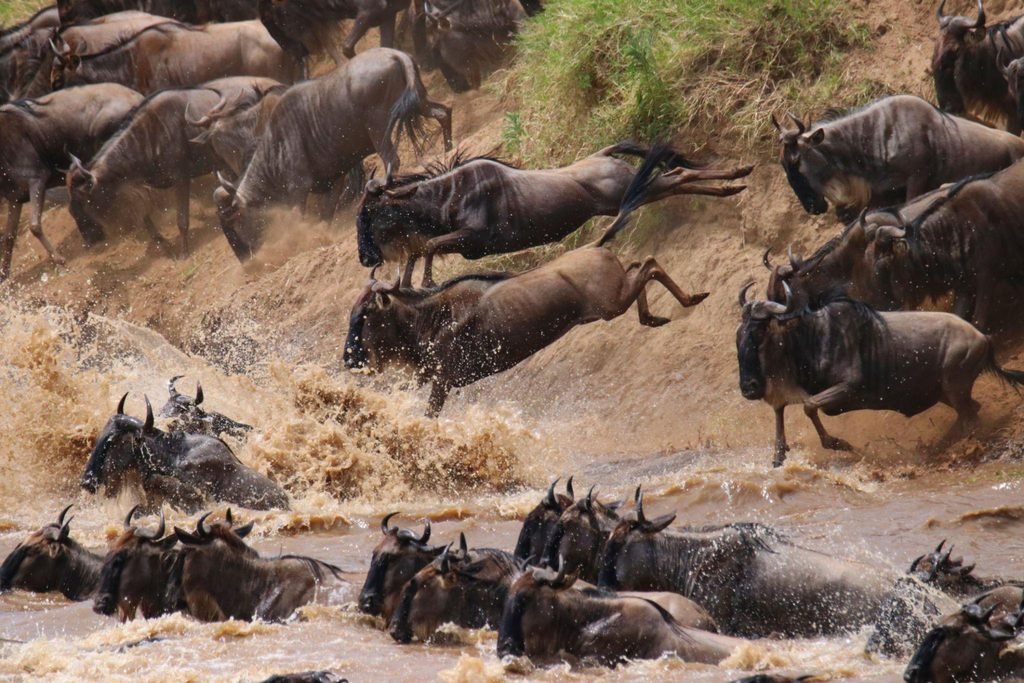
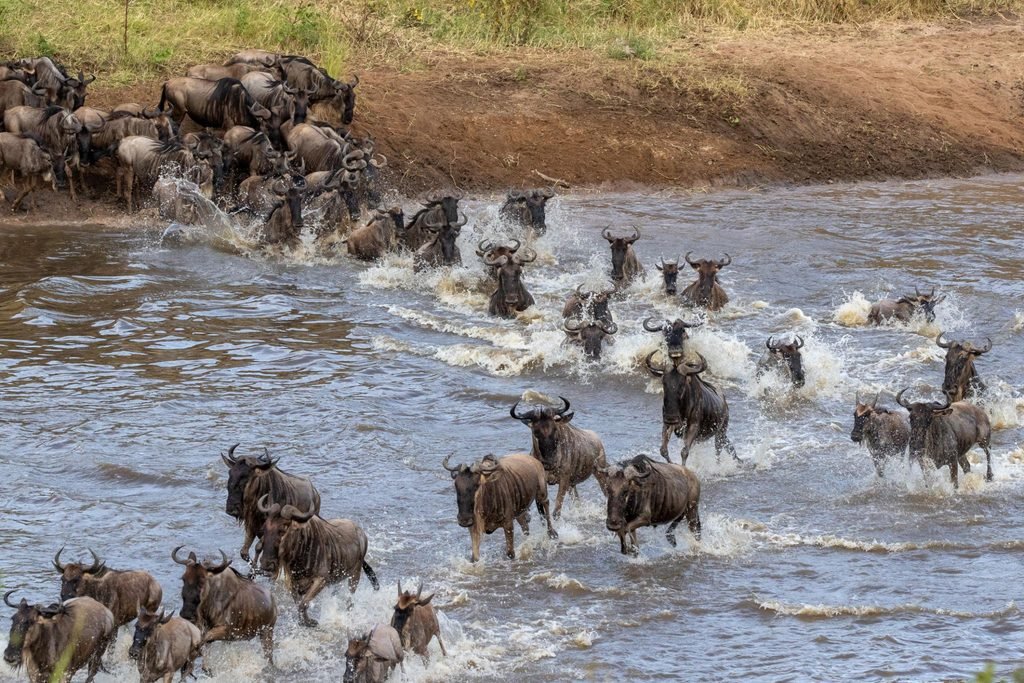
Mara River crossings are among the most famous wildlife events associated with the Great Migration. During the northern migration season, wildebeest herds may gather near the river before attempting to cross. The crossings can involve large numbers of animals moving through water while crocodiles occupy sections of the river.
However, river crossings are unpredictable and depend on natural conditions. Herds may remain near the river for several hours or days, move to another crossing point, or turn away without crossing. Visitors should therefore avoid choosing a safari based on promises of guaranteed crossings.
Spending multiple nights in Northern Serengeti provides more opportunities to explore suitable areas and observe wildlife activity. Professional guides understand the local terrain and can identify locations where herds are gathering, although they cannot control when or where animals will cross.
Wildebeest Calving Season in Southern Serengeti and Ndutu
The wildebeest calving season is another remarkable stage of the Great Migration. During the early months of the year, large herds gather on the short-grass plains of the southern Serengeti and Ndutu region. These areas provide nutritious grazing conditions that support pregnant females and newborn calves.
Calving activity generally reaches its busiest period around January and February, although timing depends on rainfall and environmental conditions. The presence of large numbers of young wildebeest also attracts predators such as lions, cheetahs, and hyenas. This creates opportunities to observe different aspects of wildlife behaviour.
Travellers interested in the calving season should choose accommodation near Ndutu or the southern Serengeti rather than travelling to Northern Serengeti. A six-day itinerary can provide several days of wildlife viewing in the southern plains before visiting the Ngorongoro Crater.
Private vs Group Joining 6-Day Migration Safaris
Private and group joining safaris provide different travel experiences. Private tours offer exclusive use of the safari vehicle and greater flexibility when organising game drives and accommodation. Group joining safaris are generally more affordable because participants share transport and guiding expenses.
A private migration safari is particularly suitable for wildlife photographers, couples, families, and travellers who want to spend more time observing particular animals. The guide can adjust the daily schedule according to the group’s interests while respecting park regulations and the confirmed itinerary.
Group joining safaris normally follow fixed schedules and may involve accommodation selected by the tour operator. These tours are suitable for solo travellers and visitors who enjoy travelling with others. However, travellers should confirm departure dates, group size, and migration region before booking.
Budget, Mid-Range and Luxury Migration Safari Accommodation
Accommodation is an important consideration when planning a six-day migration safari. Travellers can choose from budget camping facilities, comfortable mid-range lodges, and luxury tented camps depending on their preferred level of comfort. The location of the accommodation is particularly important because the migration moves through different parts of the Serengeti during the year.
Budget camping safaris normally use designated campsites with basic facilities. This option is suitable for travellers who enjoy outdoor experiences and want to reduce accommodation expenses. Camping arrangements vary between operators, so visitors should confirm whether tents, sleeping equipment, meals, and campsite facilities are included.
Mid-range lodges and tented camps generally provide comfortable beds, private bathrooms, and restaurant facilities. These properties are popular among couples, families, and travellers who want comfortable accommodation without paying premium luxury rates. Some seasonal camps operate in areas associated with the migration.
Luxury accommodation may include spacious tented suites, attractive locations, and additional guest services. Certain properties offer private terraces, premium dining, and other facilities. Travellers should remember that accommodation standards do not determine wildlife sightings, which depend on natural animal movements.
What Is Included in a 6-Day Tanzania Migration Safari Package?
A standard six-day migration safari package normally includes the essential arrangements required for a professionally guided wildlife tour. These services allow travellers to explore the Serengeti and Ngorongoro while receiving assistance with transport, accommodation, and daily activities. However, exact inclusions vary between operators and should always be confirmed in the written quotation.
Typical inclusions are:
- Private four-wheel-drive safari vehicle.
- Professional English-speaking safari guide.
- Serengeti National Park entrance fees.
- Ngorongoro Conservation Area fees.
- Ngorongoro Crater vehicle fees when included.
- Five nights of accommodation.
- Meals according to the itinerary.
- Drinking water during game drives.
- Scheduled wildlife game drives.
- Transfers between safari destinations.
- Applicable government taxes.
What Is Not Included in the Safari Package?
Certain expenses are normally excluded from standard safari packages because they depend on personal travel arrangements. These may include international flights, Tanzania visa fees, travel insurance, alcoholic beverages, personal shopping, and optional activities. Tips for safari guides are also generally excluded unless otherwise stated.
Domestic flights, airport transfers, and accommodation in Arusha before or after the safari may not be included in every package. Travellers should review the quotation carefully to understand the total cost and avoid unexpected expenses.
What to Pack for a 6-Day Great Migration Safari
Packing for a six-day Tanzania safari requires preparation for changing weather conditions and outdoor activities. Early morning game drives can be cool, particularly in the Serengeti and Ngorongoro highlands, while afternoon temperatures may become considerably warmer. Lightweight clothing, a warm jacket, and comfortable footwear are recommended.
Neutral-coloured clothing is practical for game drives because it is comfortable and suitable for outdoor environments. Travellers should also carry sunscreen, sunglasses, a hat, insect repellent, and personal medication. Binoculars and a camera are particularly useful during migration safaris because animals may be located at considerable distances from the safari vehicle.
Visitors should keep important travel documents accessible throughout the journey. These include passports, travel insurance information, and any required travel permits. Travellers should also check the latest Tanzania entry requirements before departure.
Combining a 6-Day Migration Safari with Kilimanjaro Climbing
Many international visitors combine a Great Migration safari with a Mount Kilimanjaro climbing expedition. After spending several days trekking on Africa’s highest mountain, a wildlife safari provides an opportunity to explore Tanzania’s national parks while travelling at a more relaxed pace. This combination is particularly popular among travellers who want to experience both mountain trekking and wildlife viewing.
Kilimanjaro climbing itineraries generally range from five to nine days, depending on the selected route and acclimatisation schedule. Popular routes include Machame, Lemosho, Marangu, Rongai, and the Northern Circuit. Travellers can arrange a migration safari before or after completing their climb.
Eddy Tours & Safaris organises Kilimanjaro climbing expeditions and wildlife safaris, allowing travellers to combine both experiences within one holiday.
Combining a 6-Day Tanzania Migration Safari with Zanzibar
A six-day migration safari can also be combined with a Zanzibar beach holiday. After exploring the Serengeti and Ngorongoro, travellers can fly to Zanzibar for several days of relaxation along the Indian Ocean. The island offers beautiful beaches, historic Stone Town, cultural attractions, and opportunities for marine activities.
This combination is particularly suitable for couples, honeymooners, and families who want to experience different aspects of Tanzania. Travellers can begin with wildlife viewing in the Serengeti before continuing to Zanzibar for a beach holiday. The number of days spent on the island can be adjusted according to the overall travel schedule.
How to Book a 6-Day Tanzania Migration Safari for 2027, 2028 or 2029
Booking a six-day Tanzania migration safari begins with selecting preferred travel dates and identifying the migration stage you want to experience. Travellers interested in the calving season should consider the southern Serengeti and Ndutu region, while those hoping to observe Mara River crossings should focus on Northern Serengeti. Choosing the correct region is particularly important because the migration follows natural seasonal movements.
Before confirming a booking, travellers should request a detailed itinerary showing the migration areas, accommodation arrangements, included meals, park fees, transport services, and payment conditions. The quotation should clearly explain any expenses not included in the package. This allows visitors to compare different safari offers accurately.
Early booking is recommended during popular migration periods, particularly January–February and July–October. Accommodation availability may become limited in certain Serengeti regions during these months. Travellers planning safaris in 2027, 2028, or 2029 should also confirm current park fees and entry requirements before departure.
Why Book Your 6-Day Migration Safari with Eddy Tours & Safaris?
Eddy Tours & Safaris is a local tour company in Arusha, Tanzania, organising professionally guided wildlife safaris, Kilimanjaro climbing expeditions, and private holidays. The company assists travellers in planning itineraries according to their preferred travel dates, accommodation requirements, and wildlife interests. Its location in northern Tanzania provides convenient access to the Serengeti and other major safari destinations.
Booking with a local safari operator allows travellers to communicate directly with the team responsible for organising their holiday. Important arrangements such as accommodation, transport, migration regions, and additional activities can be discussed before arrival. This helps visitors understand their travel plans and prepare for their safari experience.
For travellers planning a 6 Days Migration Safari in Tanzania for 2027, 2028, or 2029, Eddy Tours & Safaris can assist with private safari arrangements and personalised quotations. Whether you prefer a budget camping safari, a comfortable mid-range lodge, or a luxury migration experience, the itinerary can be developed according to your requirements.
Frequently Asked Questions About 6-Day Tanzania Migration Safaris
Is six days enough for a Great Migration safari?
Six days can provide a rewarding Great Migration safari when the itinerary focuses on the appropriate Serengeti region for the travel season. The duration allows several days of wildlife viewing while also including the Ngorongoro Crater. Travellers interested in specific events, such as Mara River crossings, may benefit from spending additional nights in Northern Serengeti.
How much does a 6-day Tanzania migration safari cost?
The cost depends on accommodation category, group size, migration region, and travel season. Budget camping safaris are generally less expensive than mid-range and luxury lodge packages. Travellers should request a detailed quotation that includes park fees, accommodation, transport, meals, and guiding services.
What is the best month for the Great Migration in Tanzania?
The best month depends on the migration stage travellers want to experience. January and February are popular for the wildebeest calving season in the southern Serengeti, while July through October is commonly associated with northern migration activity and possible Mara River crossings. Wildlife movements vary according to rainfall and grazing conditions.
Can I see Mara River crossings during a six-day safari?
Mara River crossings may be observed during a six-day safari when the itinerary includes Northern Serengeti during the appropriate season. However, crossings are unpredictable and cannot be guaranteed. Spending several nights near the river provides more opportunities to observe wildlife activity.
Where is the Great Migration in January and February?
During January and February, large wildebeest herds are often found in the southern Serengeti and Ndutu plains. This period is associated with the calving season, when many wildebeest give birth on the short-grass plains. The area also attracts predators such as lions, cheetahs, and hyenas.
Where is the Great Migration in August and September?
During August and September, migrating wildebeest herds are often found in the northern Serengeti and the wider Mara ecosystem. These months are particularly popular among travellers hoping to observe Mara River crossings. However, the precise location of the herds depends on natural conditions.
Can I visit Ngorongoro Crater during a migration safari?
Yes, many six-day migration safaris include a visit to the Ngorongoro Crater. The crater provides opportunities to observe lions, buffaloes, zebras, wildebeest, hippos, and other wildlife. It is commonly included near the beginning or end of a Serengeti safari.
What animals can I see during a Tanzania migration safari?
Travellers may encounter wildebeest, zebras, lions, leopards, cheetahs, elephants, giraffes, buffaloes, hyenas, and numerous antelope species. The animals observed depend on the destinations visited and seasonal conditions. Wildlife sightings cannot be guaranteed because animals move naturally throughout their habitats.
Are migration safaris suitable for families?
Migration safaris can be suitable for families, particularly when the itinerary includes comfortable accommodation and manageable travelling distances. Private safaris provide greater flexibility for rest breaks and daily activities. Families travelling with young children should discuss age restrictions and suitable arrangements with their tour operator.
Can I book a private 6-day Tanzania migration safari?
Yes, private six-day migration safaris can be arranged for individuals, couples, families, and groups. Private tours provide exclusive use of the safari vehicle and greater flexibility when planning game drives and selecting accommodation. The price depends on the number of travellers and services included.
Can I combine a migration safari with Zanzibar?
Yes, a six-day migration safari can be combined with a Zanzibar beach holiday. Travellers can explore the Serengeti and Ngorongoro before flying to Zanzibar for relaxation and coastal activities. The duration can be adjusted according to available travel days.
Do I need a visa for a Tanzania migration safari?
Visa requirements depend on nationality and passport type. Many international visitors require a visa, although exemptions apply to certain countries. Travellers should check the latest requirements through the Tanzania Immigration Department before departure.
Can I book a migration safari for 2027, 2028 or 2029?
Yes, travellers can begin planning migration safaris for 2027, 2028, and 2029, subject to accommodation availability and confirmed travel arrangements. Private tours generally provide greater flexibility when selecting departure dates. Prices should be confirmed before booking because park fees and accommodation rates may change.
Book Your 6 Days Tanzania Great Migration Safari for 2027, 2028 or 2029
A 6 Days Migration Safari in Tanzania provides an excellent opportunity to explore the Serengeti ecosystem and experience the seasonal movements of wildebeest and zebras. From the southern calving plains of Ndutu to the western migration routes and northern Mara River region, each stage of the migration offers different wildlife experiences. With suitable accommodation, professional guiding, and a carefully planned itinerary, travellers can enjoy several days exploring Tanzania’s most famous wildlife destination.
If you are planning a Great Migration safari in 2027, 2028, or 2029, contact Eddy Tours & Safaris to discuss your preferred travel dates, migration interests, accommodation requirements, and budget. The team can assist with arranging a private safari and preparing a personalised quotation.
Contact Eddy Tours & Safaris
Company: Eddy Tours & Safaris
Location: Arusha, Tanzania
Website: Eddy Tours & Safaris
Safari Booking: Contact Our Safari Team
Email: sales@eddytours-safaris.com
WhatsApp: +255 711 906 664
Booking Enquiries: eddytoursandsafaris@gmail.com