
Where to Go in Tanzania | Best Tanzania Safari Destinations 2026/2027/2028
Where to Go in Tanzania | Best Tanzania Safari Destinations 2026/2027/2028 is one of the most common questions travelers ask when planning a safari in East Africa. Tanzania is home to some of the most breathtaking landscapes on Earth, where vast plains meet ancient volcanic craters and wildlife moves freely across protected ecosystems. From the endless savannahs of Serengeti to the lush crater floor of Ngorongoro, every destination offers a unique adventure for nature lovers, photographers, and first-time safari travelers. Planning ahead for the 2026, 2027, or 2028 safari seasons ensures the best experiences, better availability of lodges, and carefully designed wildlife routes that maximize game viewing opportunities.
Tanzania remains one of the world’s most respected conservation leaders, protecting millions of hectares of wildlife habitat. Organizations such as World Wildlife Fund, IUCN, and Wildlife Conservation Society frequently highlight the country as one of Africa’s most important biodiversity regions. With more than twenty national parks and numerous conservation areas, travelers have countless options when deciding where to explore. Below are the best safari destinations that consistently provide unforgettable wildlife encounters.
1. Serengeti National Park – Africa’s Most Legendary Safari Destination
Serengeti National Park is often the first answer when travelers research Where to Go in Tanzania. Known worldwide for the Great Migration, this park hosts millions of wildebeest, zebras, and gazelles moving across the plains in search of fresh grazing land. The spectacle attracts predators such as lions, cheetahs, and hyenas, creating one of the most dramatic wildlife events on the planet.
Each year scientists and conservation experts monitor the migration through organizations like National Geographic, Panthera, and African Parks, helping protect critical wildlife corridors. Visitors can experience morning and evening game drives while witnessing the immense scale of African wilderness.
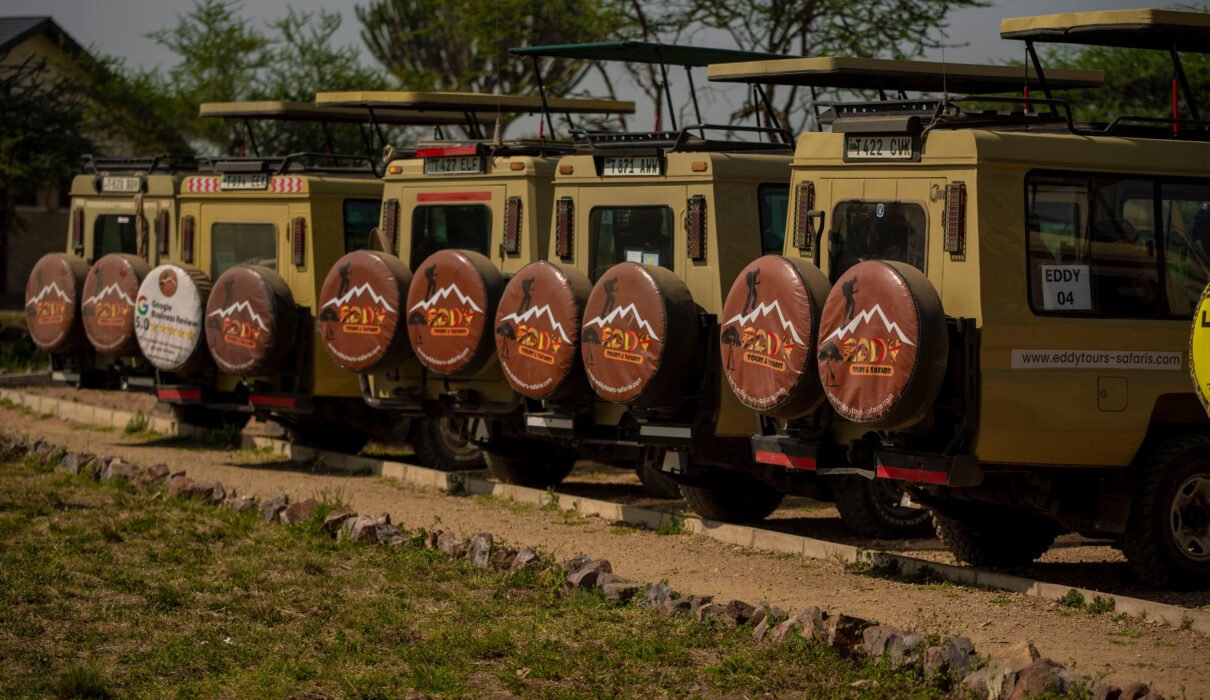
Many travelers combine Serengeti safaris with custom itineraries offered by Eddy Tours & Safaris, which specialize in carefully designed wildlife journeys across northern Tanzania.
2. Ngorongoro Crater – A Natural Wildlife Sanctuary
Another top destination when discussing Where to Go in Tanzania is the Ngorongoro Crater. This massive volcanic caldera hosts one of the highest densities of wildlife in Africa. The crater floor supports lions, elephants, rhinos, buffalo, and thousands of grazing animals living in a self-contained ecosystem.
Research institutions including Zoological Society of London, Conservation International, and African Wildlife Foundation conduct ecological monitoring in this unique habitat. Because of its compact size, visitors can see an incredible variety of animals within a single day.
Many safari itineraries start with a crater tour before continuing to other parks through experienced operators like Eddy Tours & Safaris, who help travelers explore the region responsibly.
3. Tarangire National Park – The Land of Giants
Tarangire is famous for its enormous elephant herds and ancient baobab trees that dot the landscape. During the dry season, animals gather around the Tarangire River, creating remarkable game viewing opportunities. Bird lovers are also drawn here because the park hosts over 500 bird species.
Wildlife monitoring programs by BirdLife International, Fauna & Flora International, and Save the Elephants help protect the ecosystem and its iconic species.
Travelers planning northern circuit safaris frequently include Tarangire through curated safari packages such as those offered by Eddy Tours & Safaris.
4. Lake Manyara National Park – Scenic Beauty and Tree-Climbing Lions
Lake Manyara offers a completely different landscape compared to other parks. The park stretches between the Great Rift Valley escarpment and a shallow alkaline lake that attracts flamingos and other water birds. The forested sections provide habitat for monkeys, elephants, and the famous tree-climbing lions.
Environmental studies conducted by Royal Society for the Protection of Birds, UN Environment Programme, and The Nature Conservancy highlight the ecological importance of the region.
5. Ruaha National Park – Tanzania’s Hidden Safari Gem
Ruaha National Park remains one of the most underrated wildlife destinations in East Africa. With fewer tourists compared to northern parks, the area offers a more remote and authentic safari experience. Massive elephant populations roam the landscape along with large prides of lions.
Conservation groups such as University of Oxford Wildlife Conservation Research Unit, Lion Recovery Fund, and Born Free Foundation support protection programs in this ecosystem.
6. Selous Game Reserve (Nyerere National Park)
Nyerere National Park, formerly part of the Selous Game Reserve, is one of Africa’s largest protected areas. Boat safaris along the Rufiji River allow visitors to observe hippos, crocodiles, and diverse birdlife from a completely different perspective.
Environmental monitoring initiatives by Global Wildlife Conservation, International Fund for Animal Welfare, and WildCRU help maintain this extraordinary landscape.
7. Arusha National Park – Perfect for Short Safaris
Located near the city of Arusha, this park is ideal for travelers who want a quick wildlife experience before or after a longer safari. Visitors can enjoy walking safaris, canoeing on Momella Lakes, and stunning views of Mount Meru.
Many travelers combine Arusha excursions with Kilimanjaro climbs arranged through Kilimanjaro Climb Specialist, offering a complete Tanzania adventure.
8. Katavi National Park – Untouched Wilderness
Katavi remains one of the least visited national parks in Africa, yet it offers some of the most dramatic wildlife scenes. During the dry season, hundreds of hippos crowd shrinking pools while crocodiles patrol nearby waters.
Research support from University of Cambridge Conservation Research, Earthwatch Institute, and Conservation Leadership Programme helps preserve the park’s fragile ecosystems.
9. Mahale Mountains – Chimpanzee Trekking Paradise
Mahale Mountains National Park is located along the shores of Lake Tanganyika and is famous for chimpanzee trekking experiences. Visitors hike through lush forests guided by researchers who study primate behavior.
Organizations such as Jane Goodall Institute, Wisconsin National Primate Research Center, and IUCN Primate Specialist Group conduct ongoing studies here.
10. Zanzibar – The Perfect Safari Finale
After exploring wildlife parks, many travelers relax on the white beaches of Zanzibar. The island combines Swahili culture, spice farms, historic Stone Town, and turquoise Indian Ocean waters.
Marine conservation initiatives by Sea Turtle Conservancy, Ocean Conservancy, and IUCN Marine Program help protect coastal ecosystems.
Where to Go in Tanzania | Best Tanzania Safari Destinations 2026/2027/2028 : Planning Your Safari in Tanzania
Choosing Where to Go in Tanzania depends on travel season, wildlife interests, and safari style. Northern parks such as Serengeti, Ngorongoro, and Tarangire are perfect for first-time visitors, while southern and western parks offer more remote experiences.
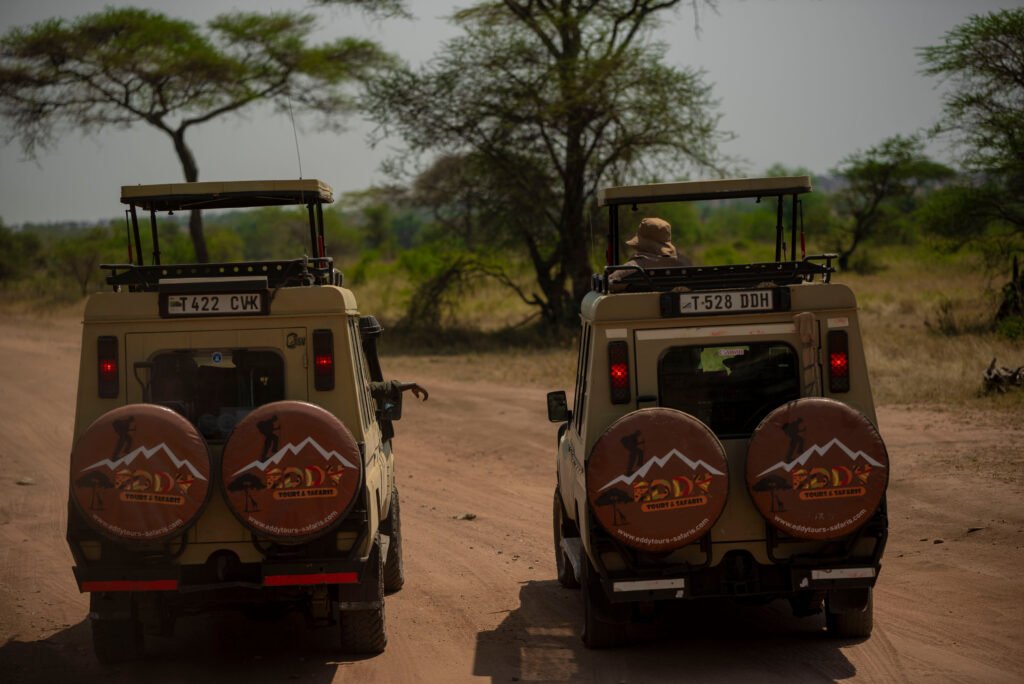
Professional safari companies such as Eddy Tours & Safaris help travelers design personalized itineraries that combine multiple destinations while maximizing wildlife viewing opportunities. You can also explore wildlife maps, conservation reports, and planning resources through Google to understand migration patterns and seasonal travel recommendations.
Tanzania continues to lead global conservation efforts while offering one of the most authentic safari experiences anywhere on Earth. Whether you dream of witnessing the Great Migration, trekking with chimpanzees, or relaxing on tropical beaches, this remarkable country delivers unforgettable journeys for travelers in 2026, 2027, and 2028.
Where to Go in Tanzania is one of the most common questions travelers ask when planning a safari in East Africa. Tanzania is home to some of the most breathtaking landscapes on Earth, where vast plains meet ancient volcanic craters and wildlife moves freely across protected ecosystems. From the endless savannahs of Serengeti to the lush crater floor of Ngorongoro, every destination offers a unique adventure for nature lovers, photographers, and first-time safari travelers. Planning ahead for the 2026, 2027, or 2028 safari seasons ensures the best experiences, better availability of lodges, and carefully designed wildlife routes that maximize game viewing opportunities.
Tanzania remains one of the world’s most respected conservation leaders, protecting millions of hectares of wildlife habitat. Organizations such as World Wildlife Fund, IUCN, and Wildlife Conservation Society frequently highlight the country as one of Africa’s most important biodiversity regions. With more than twenty national parks and numerous conservation areas, travelers have countless options when deciding where to explore. Below are the best safari destinations that consistently provide unforgettable wildlife encounters.
1. Serengeti National Park – Africa’s Most Legendary Safari Destination
Serengeti National Park is often the first answer when travelers research Where to Go in Tanzania. Known worldwide for the Great Migration, this park hosts millions of wildebeest, zebras, and gazelles moving across the plains in search of fresh grazing land. The spectacle attracts predators such as lions, cheetahs, and hyenas, creating one of the most dramatic wildlife events on the planet.
Each year scientists and conservation experts monitor the migration through organizations like National Geographic, Panthera, and African Parks, helping protect critical wildlife corridors. Visitors can experience morning and evening game drives while witnessing the immense scale of African wilderness.
Many travelers combine Serengeti safaris with custom itineraries offered by Eddy Tours & Safaris, which specialize in carefully designed wildlife journeys across northern Tanzania.
2. Ngorongoro Crater – A Natural Wildlife Sanctuary
Another top destination when discussing Where to Go in Tanzania is the Ngorongoro Crater. This massive volcanic caldera hosts one of the highest densities of wildlife in Africa. The crater floor supports lions, elephants, rhinos, buffalo, and thousands of grazing animals living in a self-contained ecosystem.
Research institutions including Zoological Society of London, Conservation International, and African Wildlife Foundation conduct ecological monitoring in this unique habitat. Because of its compact size, visitors can see an incredible variety of animals within a single day.
Many safari itineraries start with a crater tour before continuing to other parks through experienced operators like Eddy Tours & Safaris, who help travelers explore the region responsibly.
3. Tarangire National Park – The Land of Giants
Tarangire is famous for its enormous elephant herds and ancient baobab trees that dot the landscape. During the dry season, animals gather around the Tarangire River, creating remarkable game viewing opportunities. Bird lovers are also drawn here because the park hosts over 500 bird species.
Wildlife monitoring programs by BirdLife International, Fauna & Flora International, and Save the Elephants help protect the ecosystem and its iconic species.
Travelers planning northern circuit safaris frequently include Tarangire through curated safari packages such as those offered by Eddy Tours & Safaris.
4. Lake Manyara National Park – Scenic Beauty and Tree-Climbing Lions
Lake Manyara offers a completely different landscape compared to other parks. The park stretches between the Great Rift Valley escarpment and a shallow alkaline lake that attracts flamingos and other water birds. The forested sections provide habitat for monkeys, elephants, and the famous tree-climbing lions.
Environmental studies conducted by Royal Society for the Protection of Birds, UN Environment Programme, and The Nature Conservancy highlight the ecological importance of the region.
5. Ruaha National Park – Tanzania’s Hidden Safari Gem
Ruaha National Park remains one of the most underrated wildlife destinations in East Africa. With fewer tourists compared to northern parks, the area offers a more remote and authentic safari experience. Massive elephant populations roam the landscape along with large prides of lions.
Conservation groups such as University of Oxford Wildlife Conservation Research Unit, Lion Recovery Fund, and Born Free Foundation support protection programs in this ecosystem.
6. Selous Game Reserve (Nyerere National Park)
Nyerere National Park, formerly part of the Selous Game Reserve, is one of Africa’s largest protected areas. Boat safaris along the Rufiji River allow visitors to observe hippos, crocodiles, and diverse birdlife from a completely different perspective.
Environmental monitoring initiatives by Global Wildlife Conservation, International Fund for Animal Welfare, and WildCRU help maintain this extraordinary landscape.
7. Arusha National Park – Perfect for Short Safaris
Located near the city of Arusha, this park is ideal for travelers who want a quick wildlife experience before or after a longer safari. Visitors can enjoy walking safaris, canoeing on Momella Lakes, and stunning views of Mount Meru.
Many travelers combine Arusha excursions with Kilimanjaro climbs arranged through Kilimanjaro Climb Specialist, offering a complete Tanzania adventure.
8. Katavi National Park – Untouched Wilderness
Katavi remains one of the least visited national parks in Africa, yet it offers some of the most dramatic wildlife scenes. During the dry season, hundreds of hippos crowd shrinking pools while crocodiles patrol nearby waters.
Research support from University of Cambridge Conservation Research, Earthwatch Institute, and Conservation Leadership Programme helps preserve the park’s fragile ecosystems.
9. Mahale Mountains – Chimpanzee Trekking Paradise
Mahale Mountains National Park is located along the shores of Lake Tanganyika and is famous for chimpanzee trekking experiences. Visitors hike through lush forests guided by researchers who study primate behavior.
Organizations such as Jane Goodall Institute, Wisconsin National Primate Research Center, and IUCN Primate Specialist Group conduct ongoing studies here.
10. Zanzibar – The Perfect Safari Finale
After exploring wildlife parks, many travelers relax on the white beaches of Zanzibar. The island combines Swahili culture, spice farms, historic Stone Town, and turquoise Indian Ocean waters.
Marine conservation initiatives by Sea Turtle Conservancy, Ocean Conservancy, and IUCN Marine Program help protect coastal ecosystems.
Where to Go in Tanzania | Best Tanzania Safari Destinations 2026/2027/2028 : Planning Your Safari in Tanzania
Choosing Where to Go in Tanzania depends on travel season, wildlife interests, and safari style. Northern parks such as Serengeti, Ngorongoro, and Tarangire are perfect for first-time visitors, while southern and western parks offer more remote experiences.
Professional safari companies such as Eddy Tours & Safaris help travelers design personalized itineraries that combine multiple destinations while maximizing wildlife viewing opportunities. You can also explore wildlife maps, conservation reports, and planning resources through Google to understand migration patterns and seasonal travel recommendations.
Tanzania continues to lead global conservation efforts while offering one of the most authentic safari experiences anywhere on Earth. Whether you dream of witnessing the Great Migration, trekking with chimpanzees, or relaxing on tropical beaches, this remarkable country delivers unforgettable journeys for travelers in 2026, 2027, and 2028.