
Tanzania Travel Guide: 12 Powerful Tips, Parks, Best Time & Reviews 2026–2028 : helps travelers understand exactly where to go, when to visit, and how to plan an unforgettable wildlife safari. This guide explains the country’s famous national parks, migration seasons, travel tips, and honest reviews so visitors can experience East Africa’s wildlife safely and confidently. Tanzania remains one of the most respected safari destinations on Earth, known for vast protected landscapes like Tanzania safari destinations, diverse ecosystems, and legendary wildlife spectacles.
The country is globally famous for extraordinary conservation areas such as Serengeti National Park, the breathtaking Ngorongoro Conservation Area, and Africa’s tallest mountain, Mount Kilimanjaro. These landscapes attract travelers, scientists, and wildlife photographers from around the world. Understanding how Tanzania works as a destination allows visitors to plan better trips, avoid common mistakes, and enjoy authentic African wilderness experiences.
Tanzania Travel Guide : Why Tanzania Is One of Africa’s Best Safari Destinations
Tanzania protects more land for wildlife than almost any other country in Africa. National parks, conservation areas, and game reserves cover massive areas where animals roam freely across plains, forests, and mountains. According to African Wildlife Foundation, Tanzania holds some of the largest intact ecosystems remaining on the continent. These ecosystems allow natural wildlife migrations to continue largely unchanged for centuries.
The most famous example is the Great Migration in Serengeti National Park, where millions of wildebeest, zebras, and gazelles move across grasslands searching for fresh grazing. Conservation organizations such as Panthera and Wildlife Conservation Society have documented the Serengeti ecosystem as one of the last large-scale wildlife migration systems still functioning naturally.
Because of this biodiversity, Tanzania is also heavily studied by global research institutions including National Geographic Society, Smithsonian Institution, and the World Wildlife Fund. Their work continues to highlight the importance of protecting landscapes where lions, elephants, and rhinos still thrive.
Tanzania Travel Guide: Most Famous National Parks to Visit
Serengeti National Park
No Tanzania trip is complete without visiting Serengeti National Park. This park is globally recognized for hosting the Great Migration and supporting one of the largest populations of predators in Africa. According to International Union for Conservation of Nature, the Serengeti ecosystem supports thousands of lions, cheetahs, and leopards due to the abundance of prey animals.
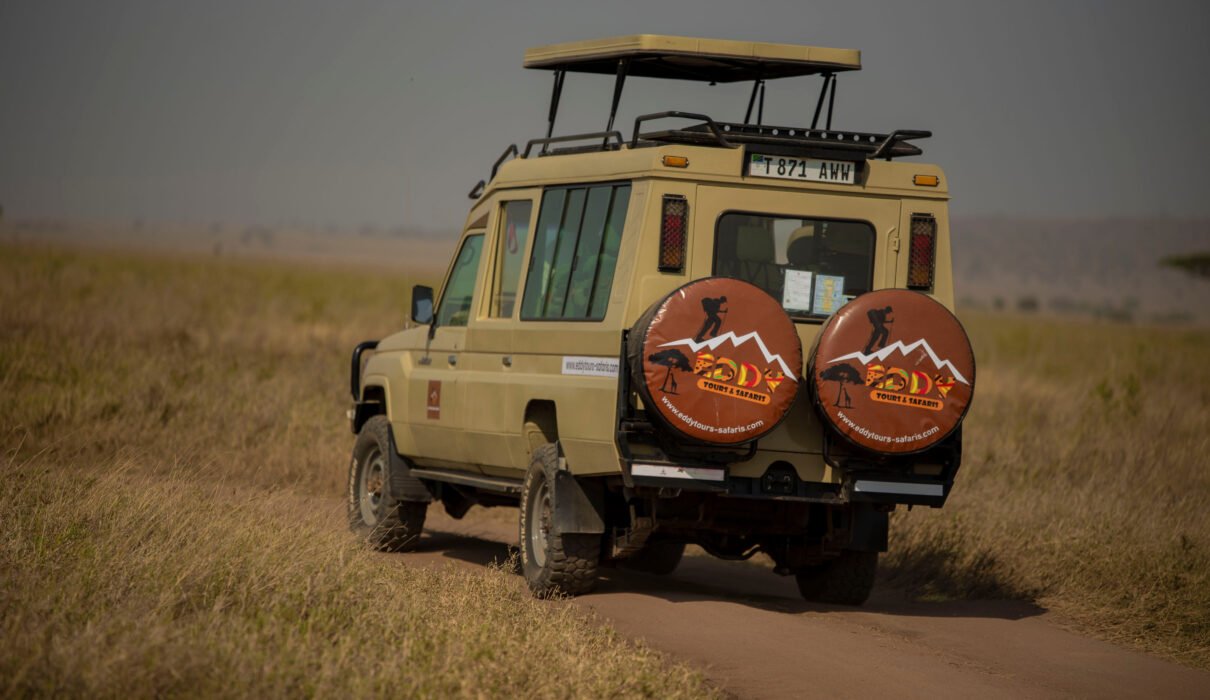
Travelers usually explore Serengeti on game drives arranged through safari operators like Serengeti safari tours. These drives allow visitors to watch wildlife behavior closely while guides explain ecosystems and conservation efforts.
Ngorongoro Conservation Area
The Ngorongoro Crater is often described as the world’s largest intact volcanic caldera. Inside the crater, thousands of animals live in a natural enclosure surrounded by steep crater walls. Conservation experts working with UNESCO classify Ngorongoro as a World Heritage Site due to its ecological importance and cultural heritage.
Visitors can often see lions, buffalo, elephants, and rare black rhinos within a single game drive. Because wildlife remains inside the crater year-round, many travelers consider Ngorongoro one of the easiest places in Africa to see the “Big Five”.
Tarangire National Park
Tarangire National Park is famous for giant baobab trees and huge elephant herds. Research supported by BirdLife International also highlights Tarangire as an important bird conservation area hosting hundreds of species.
During the dry season many animals migrate toward the Tarangire River, creating spectacular wildlife gatherings rarely seen elsewhere.
Lake Manyara National Park
Lake Manyara National Park offers unique scenery combining forests, cliffs, and lakeside habitats. The park is also known for tree-climbing lions and large flocks of flamingos. Wetland conservation groups like Ramsar Convention on Wetlands emphasize the ecological importance of lakes such as Manyara for migratory birds.
Tanzania Travel Guide: Best Time to Visit Tanzania
The best time to travel depends on what visitors want to experience. Tanzania has two main seasons affecting wildlife viewing and travel conditions. Understanding seasonal patterns helps travelers maximize their safari experience.
Dry Season (June – October)
The dry season is widely considered the best time for wildlife viewing. Animals gather around water sources, vegetation becomes shorter, and visibility improves during game drives. Conservation monitoring from NASA Earth Observatory confirms seasonal vegetation changes that make wildlife easier to spot during this period.
Green Season (November – May)
The green season brings rainfall, lush landscapes, and fewer tourists. Many photographers prefer this time because the scenery becomes vibrant and wildlife births occur. Ecologists working with Food and Agriculture Organization note that seasonal rains support grass growth that feeds migratory herbivores.
Tanzania Travel Guide: Climbing Mount Kilimanjaro
A complete Tanzania experience often includes climbing Mount Kilimanjaro, Africa’s highest mountain. Each year thousands of trekkers attempt to reach the summit, known as Uhuru Peak. Proper preparation, acclimatization, and experienced guides are essential for success.
Trekkers frequently plan their climb through professional operators such as Kilimanjaro climb experts who provide logistical support, mountain guides, and safety protocols. These climbs pass through multiple ecological zones including rainforest, alpine desert, and glacial summit areas.
Scientific research from United Nations Environment Programme also tracks glacier retreat on Kilimanjaro, highlighting climate change impacts on the mountain’s ice fields.
Tanzania Travel Guide: Wildlife Conservation Efforts
Tanzania’s wildlife protection relies on cooperation between national authorities and international conservation organizations. Groups such as Jane Goodall Institute and Convention on International Trade in Endangered Species support wildlife protection programs across East Africa.
Environmental research organizations including World Resources Institute and Global Forest Watch also track land use and forest protection across the country. Their work helps ensure wildlife habitats remain intact for future generations.
Biodiversity monitoring initiatives from IPBES and the Convention on Biological Diversity further highlight Tanzania as a key region for global biodiversity conservation.
Tanzania Travel Guide: Honest Safari Reviews From Travelers
Travelers consistently describe Tanzania safaris as life-changing experiences. Many reviews highlight close wildlife encounters, expert guides, and breathtaking landscapes. Visitors often mention that seeing lions hunting in the Serengeti or elephants walking across Tarangire plains creates unforgettable memories.
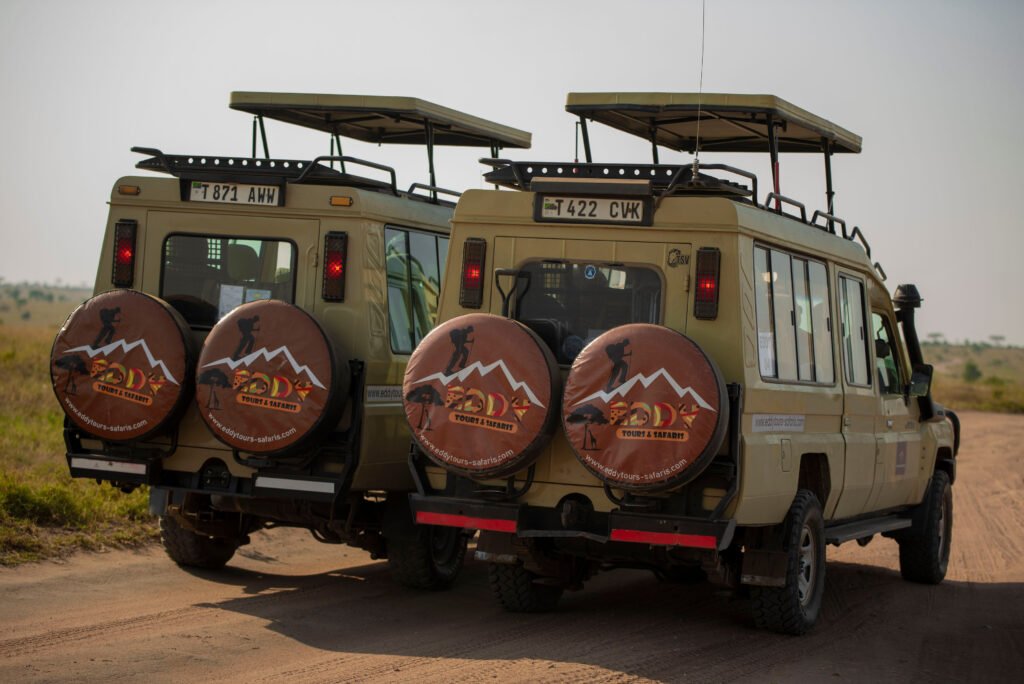
Another common review theme involves the professionalism of safari guides. Experienced guides not only track wildlife but also explain animal behavior, conservation challenges, and ecosystem dynamics. Booking trusted safari providers like private Tanzania safari tours ensures travelers receive safe transportation, knowledgeable guides, and well-organized itineraries.
Travelers also frequently combine safaris with cultural experiences such as Maasai village visits or coastal relaxation in Zanzibar.
Tanzania Travel Guide: Practical Travel Tips
1. Choose Experienced Safari Operators
Safari quality depends heavily on the guide and operator. Professional companies like custom Tanzania safari packages organize itineraries that maximize wildlife sightings while respecting park regulations.
2. Plan Travel Seasons Carefully
Visitors interested in the Great Migration should research seasonal movement patterns. Migration timing changes each year depending on rainfall and grass growth.
3. Pack the Right Gear
Essential items include binoculars, neutral-colored clothing, sun protection, and a camera with telephoto lens.
4. Respect Wildlife and Park Rules
Safari vehicles must remain on designated tracks to avoid disturbing wildlife or damaging fragile ecosystems.
5. Combine Safari With Other Experiences
Many travelers combine wildlife safaris with cultural visits, mountain trekking, or coastal relaxation. Operators like Tanzania wildlife safaris often design combined itineraries including Kilimanjaro climbs and Zanzibar beach stays.
Tanzania Travel Guide: Why Travelers Continue Choosing Tanzania
Tanzania remains one of the few places on Earth where wildlife ecosystems still function on a large natural scale. Massive protected areas allow animals to migrate, hunt, and reproduce with minimal human disturbance. This ecological integrity attracts tourists, researchers, and filmmakers from around the world.
Organizations such as UNEP World Conservation Monitoring Centre and IUCN Red List continue documenting Tanzania’s biodiversity importance. Their research confirms that protecting landscapes like Serengeti benefits not only wildlife but also global ecological stability.
For travelers planning safaris between 2026 and 2028, Tanzania offers unmatched wildlife encounters, dramatic landscapes, and authentic African adventure. With proper planning and trusted guides, visitors can safely explore national parks, observe iconic animals, and experience one of the world’s greatest natural destinations.
If you are planning a trip, explore professionally designed itineraries through Tanzania safari packages to experience wildlife, landscapes, and cultures that make Tanzania one of Africa’s most respected travel destinations.