
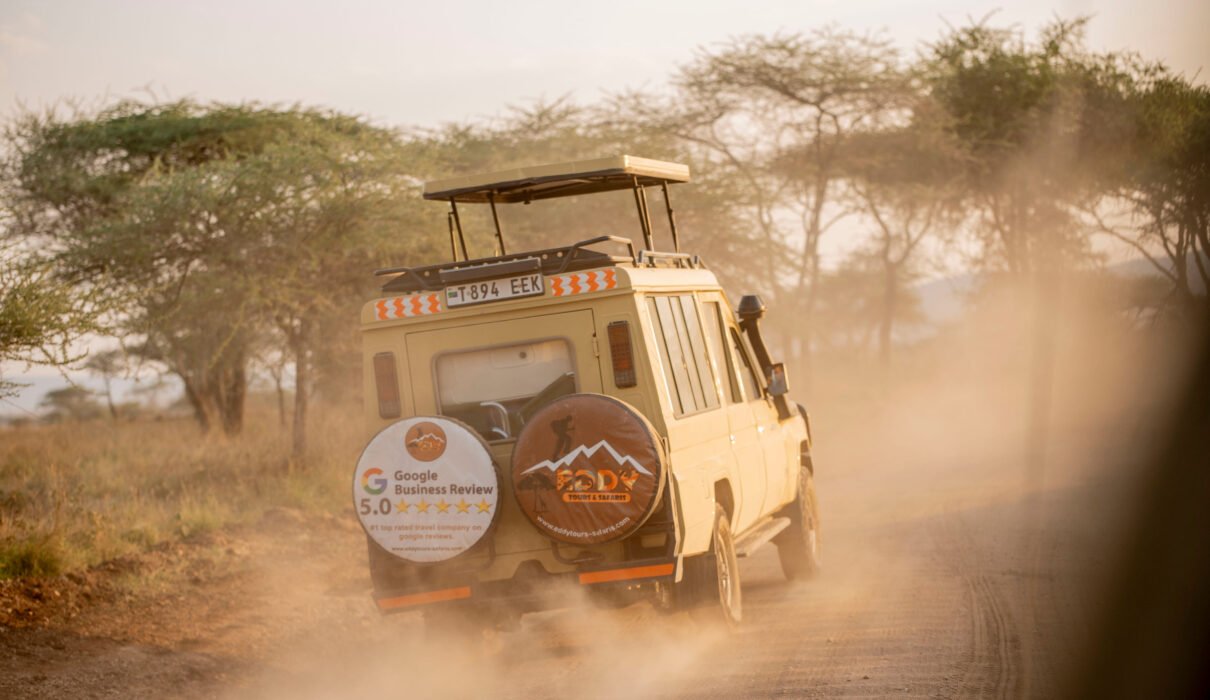
4-day Tanzania safari extension is one of the smartest ways travelers enhance their African journey when visiting East Africa in 2026, 2027, or 2028. Many visitors arrive for Mount Kilimanjaro trekking, business travel, or beach holidays in Zanzibar, yet they quickly realize they are only a short distance away from some of the most famous wildlife areas on Earth. This short safari allows travelers to explore Tanzania’s legendary parks without needing a long holiday. Within only four days, visitors can experience elephants roaming under ancient baobabs, lions resting on the savannah, and vast landscapes that have inspired wildlife documentaries around the world.
This carefully designed safari extension focuses on three remarkable ecosystems: Tarangire National Park, the Serengeti ecosystem, and the breathtaking Ngorongoro Crater. These areas are internationally recognized for wildlife conservation and biodiversity protection by organizations such as World Wildlife Fund, International Union for Conservation of Nature, and Conservation International. The route is ideal for travelers who want maximum wildlife viewing within a short timeframe while still enjoying comfortable lodges, professional guides, and well-organized transportation.
Our team at Eddy Tours & Safaris designed this experience specifically for travelers who want an efficient safari without missing the highlights. Every day introduces a different habitat, from Tarangire’s elephant corridors to the volcanic landscapes of the Ngorongoro highlands. The itinerary also supports conservation awareness, highlighting the efforts of organizations like African Wildlife Foundation, Wildlife Conservation Society, and National Geographic Society, which continue to study and protect East Africa’s wildlife.
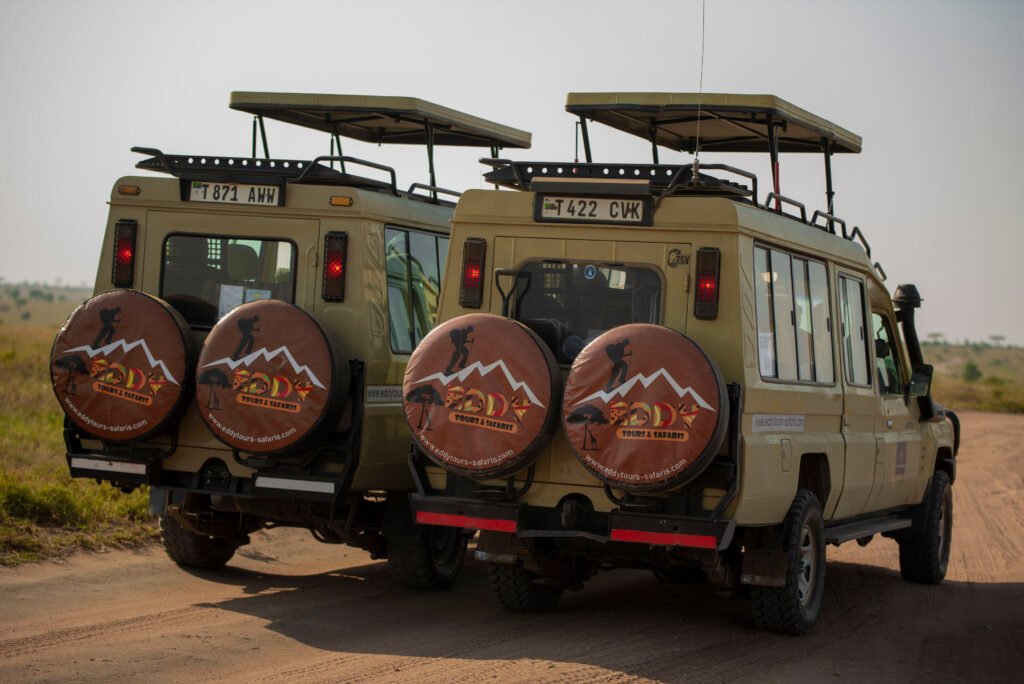
4-Day Tanzania Safari Extension Overview
The 4-day Tanzania safari extension combines short travel distances with exceptional wildlife opportunities. Beginning in Arusha, often called the safari capital of Tanzania, the journey quickly enters protected ecosystems where wildlife populations remain among the highest in Africa. Scientific monitoring by institutions such as Smithsonian Institution, Encyclopaedia Britannica, and United Nations Environment Programme confirms that northern Tanzania continues to be one of the most biologically diverse regions on the continent.
Tarangire National Park is famous for its large elephant herds and ancient baobab trees. The park’s ecosystem has been widely studied by organizations including Save the Elephants and ElephantVoices, which focus on elephant migration and social behavior. Visitors frequently encounter giraffes, zebras, wildebeest, and predators such as lions and leopards. The park’s river system attracts wildlife throughout the year, making it one of Tanzania’s most reliable locations for game viewing.
The journey continues through the famous Serengeti ecosystem, a landscape widely studied by research groups including Serengeti Research Institute and conservation initiatives supported by The Nature Conservancy. The Serengeti is globally known for its massive herbivore migrations and its role in ecological research. Wildlife documentaries produced with support from organizations such as BBC Earth have brought global attention to the Serengeti’s remarkable biodiversity.
The safari ends with a visit to the Ngorongoro Crater, a UNESCO-recognized geological wonder and one of Africa’s most unique wildlife habitats. Studies conducted by UNESCO World Heritage Centre, National Park Foundation, and Food and Agriculture Organization emphasize the crater’s importance as a natural wildlife sanctuary where predators and herbivores coexist in a relatively small area.
4-Day Tanzania Safari Extension Itinerary
Day 1 of 4-Day Tanzania Safari Extension – Arrival in Arusha
Your safari begins with arrival at Kilimanjaro International Airport, followed by a transfer to Arusha for relaxation and a safari briefing. Arusha sits at the base of Mount Meru and serves as the gateway to Tanzania’s northern safari circuit. Many travelers combine this experience with climbing itineraries arranged through Kilimanjaro Climb Specialist, making it easy to connect mountain adventures with wildlife safaris.
During the evening briefing, guides explain wildlife behavior, park regulations, and conservation efforts supported by institutions like World Bank Environmental Programs, UNESCO, and NASA Earth Observatory, which monitor ecological changes across East Africa using satellite technology.
Day 2 of 4-Day Tanzania Safari Extension – Tarangire National Park Game Drive
After breakfast, the journey continues to Tarangire National Park. The landscape here is defined by wide savannah plains, seasonal swamps, and towering baobab trees. Wildlife research projects supported by Panthera and Cheetah Conservation Fund have documented predator populations in this region, making it an exciting destination for observing lions and other carnivores.
Game drives typically reveal elephants, giraffes, buffaloes, zebras, and numerous antelope species. Birdlife is also abundant, with over 500 species recorded by global research initiatives like BirdLife International. In the late afternoon, travelers transfer to a lodge near the park for dinner and overnight stay.
Day 3 of 4-Day Tanzania Safari Extension – Serengeti National Park Exploration
The safari continues toward the Serengeti plains, passing through the Ngorongoro Conservation Area. The Serengeti ecosystem is one of the most scientifically studied wildlife regions in the world, with ecological monitoring supported by Proceedings of the National Academy of Sciences, Nature Research, and ScienceDaily.
During the game drive, visitors may observe large herds of wildebeest, zebras, and gazelles moving across the plains while predators such as lions and cheetahs patrol the grasslands. This dramatic ecosystem has been studied for decades as a model of predator-prey balance and migration patterns.
Day 4 of 4-Day Tanzania Safari Extension – Ngorongoro Crater and Return to Arusha
The final day features a descent into the Ngorongoro Crater, a massive volcanic caldera formed millions of years ago. Because wildlife rarely migrates out of the crater, visitors have a high chance of seeing the “Big Five”: lion, elephant, buffalo, leopard, and rhinoceros. Conservation programs led by organizations such as International Rhino Foundation and Save the Rhino help protect the remaining rhino populations in this region.
After the crater tour and picnic lunch, the safari concludes with a scenic drive back to Arusha where travelers can continue their journey or connect with additional safaris offered by Eddy Tours & Safaris.
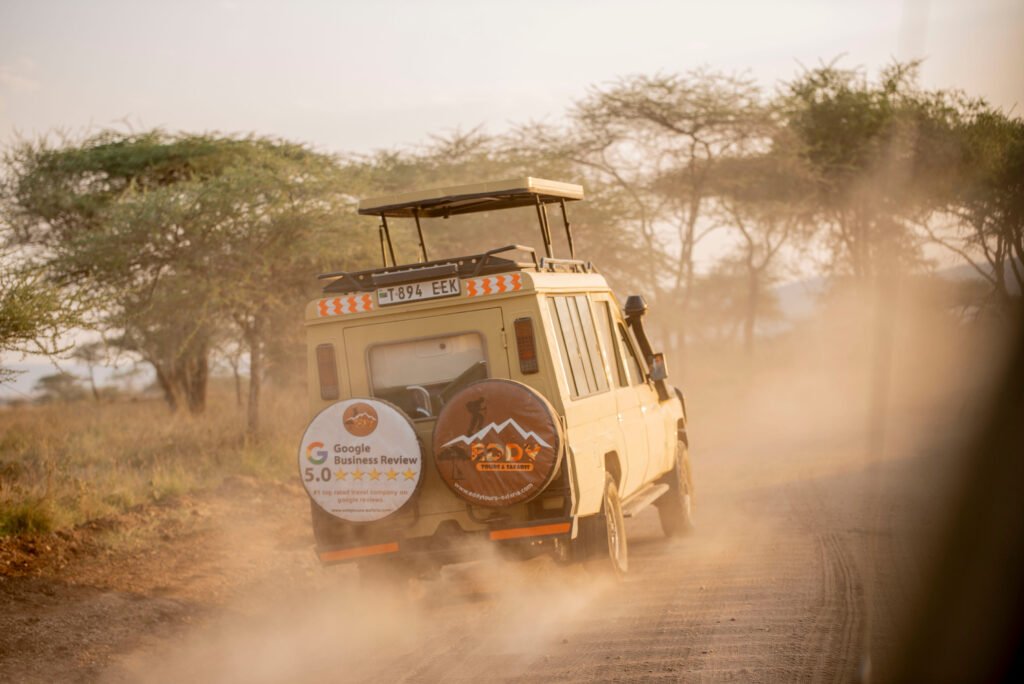
4-Day Tanzania Safari Extension : Inclusions
- Private safari vehicle with professional guide
- All national park entry fees
- Accommodation in safari lodges or camps
- All meals during the safari
- Airport transfers
- Game drives in Tarangire, Serengeti, and Ngorongoro
- Drinking water during game drives
4-Day Tanzania Safari Extension : Exclusions
- International flights
- Travel insurance
- Visa fees
- Personal expenses
- Tips for guides and staff
Why Choose This 4-Day Tanzania Safari Extension
Choosing the right safari extension can make the difference between a simple holiday and a meaningful wildlife experience. Our safari programs emphasize responsible tourism principles promoted by conservation groups such as Global Wildlife Conservation, Earthwatch Institute, and International Fund for Animal Welfare. These organizations highlight the importance of tourism in supporting wildlife protection and local communities.
Travelers also benefit from experienced local guides who understand animal behavior, migration routes, and conservation issues affecting the region. This knowledge transforms each game drive into an educational experience rather than simply a sightseeing tour.
Many guests who complete this safari later extend their trip with additional wildlife experiences arranged through Eddy Tours & Safaris, including longer Serengeti explorations or cultural visits with Maasai communities. Others combine the safari with trekking adventures organized by Kilimanjaro Climb Specialist, creating a balanced itinerary that includes both mountain landscapes and wildlife ecosystems.
Ultimately, the 4-day Tanzania safari extension offers a rare opportunity to experience some of Africa’s most famous wildlife habitats in a short time while contributing to conservation awareness. For travelers visiting East Africa in 2026, 2027, or 2028, this extension provides an efficient, exciting, and educational introduction to Tanzania’s remarkable natural heritage.
For more safari planning ideas and expert travel guidance, visitors can explore additional itineraries through Eddy Tours & Safaris, where professional safari planners help design customized wildlife journeys across Tanzania.