
Perfect 3 Day Tanzania Safari Itinerary & Costs 2026/2027/2028
Perfect 3 Day Tanzania Safari Itinerary & Costs is one of the most searched safari plans for travelers who want to experience Tanzania’s wildlife in a short time without missing the most important highlights. Many visitors arrive in northern Tanzania with limited days available, but they still want to see elephants, lions, giraffes, and the dramatic landscapes that have made the country famous around the world. A well-organized three-day safari makes this possible when the route is designed carefully.
Northern Tanzania offers some of the richest wildlife ecosystems in Africa. Scientific organizations such as World Wildlife Fund, International Union for Conservation of Nature, and African Wildlife Foundation have long highlighted the importance of these landscapes for biodiversity conservation. Their research shows that protected areas like Serengeti and Ngorongoro contain one of the largest concentrations of wildlife on the continent.
This guide explains the best travel route, expected safari costs, and how to organize a rewarding three-day experience without rushing through the parks. The itinerary focuses on the classic northern safari circuit which connects Tarangire National Park, the Ngorongoro Crater, and sometimes Lake Manyara. These areas offer incredible wildlife viewing while still being reachable within a short travel period from Arusha.
If you are already planning a safari in Tanzania, you can also explore other wildlife programs on Tanzania safari packages where longer wildlife journeys across the country are available. Many travelers combine a short safari with a mountain trek organized by Kilimanjaro Climb Specialist, creating a balanced adventure that includes both wildlife and mountain landscapes.
Perfect 3 Day Tanzania Safari Itinerary & Costs – Safari Overview
The Perfect 3 Day Tanzania Safari Itinerary & Costs normally focuses on the northern circuit because it allows travelers to reach multiple parks within a short distance. Arusha acts as the main gateway to these destinations. From here, well-maintained roads lead toward Tarangire, Ngorongoro, and Lake Manyara, making it possible to visit more than one ecosystem in only a few days.
Tarangire National Park is famous for its large elephant population and ancient baobab trees that dominate the landscape. Wildlife researchers from ElephantVoices and Save the Elephants have studied elephant behavior in East Africa for many years, helping scientists understand migration patterns and habitat needs.
The Ngorongoro Crater offers a completely different experience. This enormous volcanic caldera creates a natural wildlife sanctuary where animals live within the crater walls year-round. Conservation groups such as International Rhino Foundation and Conservation International recognize the crater as one of the most unique wildlife ecosystems in the world.
Short safaris are carefully designed so travelers spend more time inside the parks and less time driving long distances. You can learn more about similar wildlife journeys through East Africa wildlife safaris, where travelers often begin planning their Tanzania adventure.
Perfect 3 Day Tanzania Safari Itinerary & Costs – Detailed Itinerary
Day 1 – Arusha to Tarangire National Park
Your safari begins in Arusha early in the morning after breakfast. The drive toward Tarangire National Park takes about two hours and passes through traditional Maasai landscapes, small villages, and open savannah plains. As you enter the park, the scenery changes quickly. Large baobab trees rise above the dry plains, creating one of the most recognizable landscapes in northern Tanzania.
Tarangire is famous for its elephant herds, which sometimes gather in groups of more than one hundred individuals. Studies conducted by organizations such as Wildlife Conservation Society and Fauna & Flora International show that this region plays an important role in elephant migration corridors across northern Tanzania.
During the game drive you may also see lions resting in the shade, giraffes feeding on acacia trees, and large groups of zebras moving across the plains. Birdlife is also impressive, with over 500 species recorded in the park according to data published by BirdLife International.
In the afternoon the safari continues along the Tarangire River, a vital water source that attracts many animals during the dry season. After the game drive you travel to your lodge for dinner and overnight stay near the park.
Day 2 – Ngorongoro Crater Safari
The second day focuses on the spectacular Ngorongoro Crater, often described by wildlife experts as one of the best safari destinations in Africa. The crater formed millions of years ago when a massive volcano collapsed, creating a natural basin that now supports thousands of animals.
After descending the crater walls, the landscape opens into grasslands, wetlands, and small forests. This diversity allows many species to live within the crater year-round. Conservation research from The Nature Conservancy and Panthera highlights the crater as an important habitat for predators such as lions and hyenas.
Wildlife sightings often include buffalo, wildebeest, zebras, and large elephant bulls. With some luck you may also see the rare black rhinoceros, one of the most endangered animals in Africa according to studies by Save the Rhino International.
Lunch is usually enjoyed at a scenic picnic site near the hippo pool before continuing the afternoon game drive. In the late afternoon you return to your lodge on the crater rim where cool mountain air and stunning views create a peaceful overnight stay.
Day 3 – Lake Manyara or Cultural Visit and Return to Arusha
The final day of the Perfect 3 Day Tanzania Safari Itinerary & Costs offers flexibility depending on travel preferences. Some travelers choose to visit Lake Manyara National Park, while others enjoy a cultural experience in nearby communities before returning to Arusha.
Lake Manyara is famous for its forest habitats and alkaline lake that attracts thousands of flamingos during certain seasons. Scientific monitoring programs supported by Ramsar Convention on Wetlands and United Nations Environment Programme highlight the ecological importance of these wetlands.
Game drives in the park often reveal monkeys in the forest canopy, elephants walking through groundwater forests, and large flocks of birds along the lake shore. After lunch the journey returns to Arusha where the safari concludes in the late afternoon.
Many travelers extend their trip with longer wildlife journeys available through private Tanzania safaris, especially if they wish to explore the Serengeti or witness the Great Migration.
Perfect 3 Day Tanzania Safari Itinerary & Costs – Estimated Safari Costs
The cost of a three-day safari depends on accommodation level, park fees, transport type, and group size. Tanzania national park fees contribute directly to conservation efforts supported by organizations like UNESCO, World Bank environmental programs, and Global Environment Facility.
- Budget Safari: $650 – $900 per person
- Mid-range Safari: $900 – $1,400 per person
- Luxury Safari: $1,500 – $2,500 per person
These costs usually include transportation in a safari vehicle, park entrance fees, accommodation, meals, and the services of a professional guide. Travelers interested in longer wildlife experiences can also explore extended Tanzania safari itineraries.
What Is Included in the Safari
- Professional English-speaking safari guide
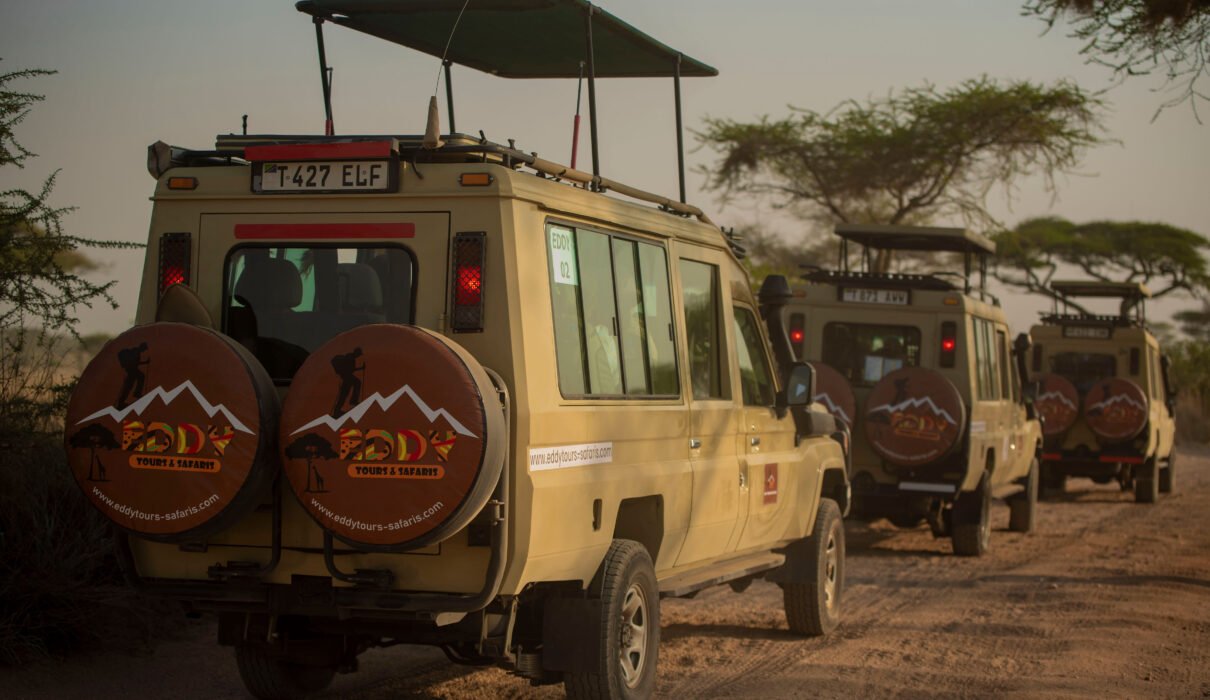
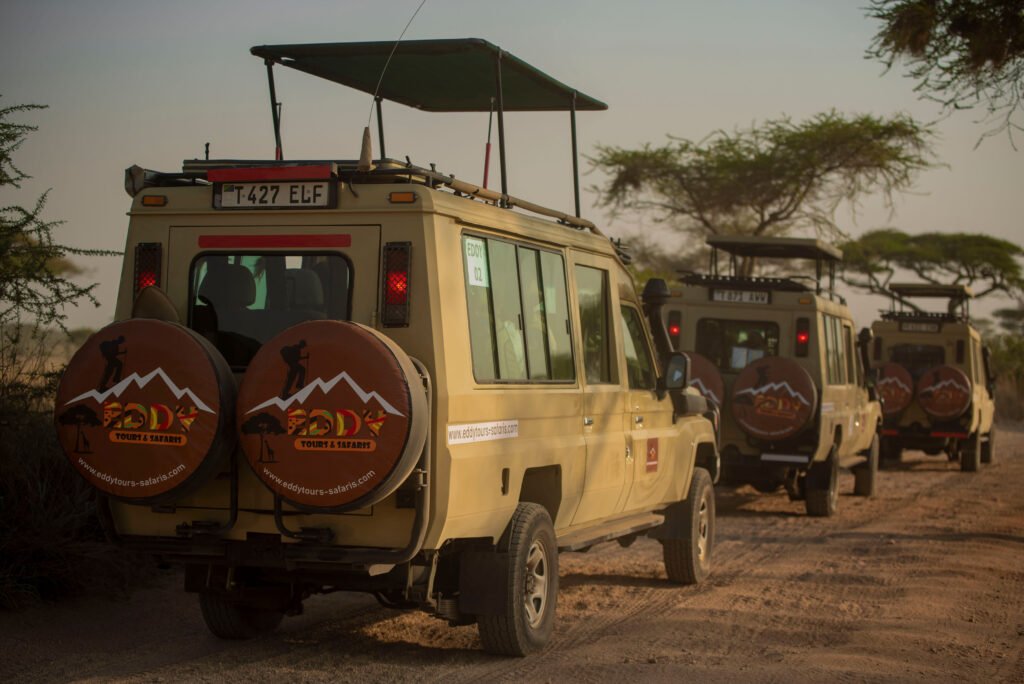
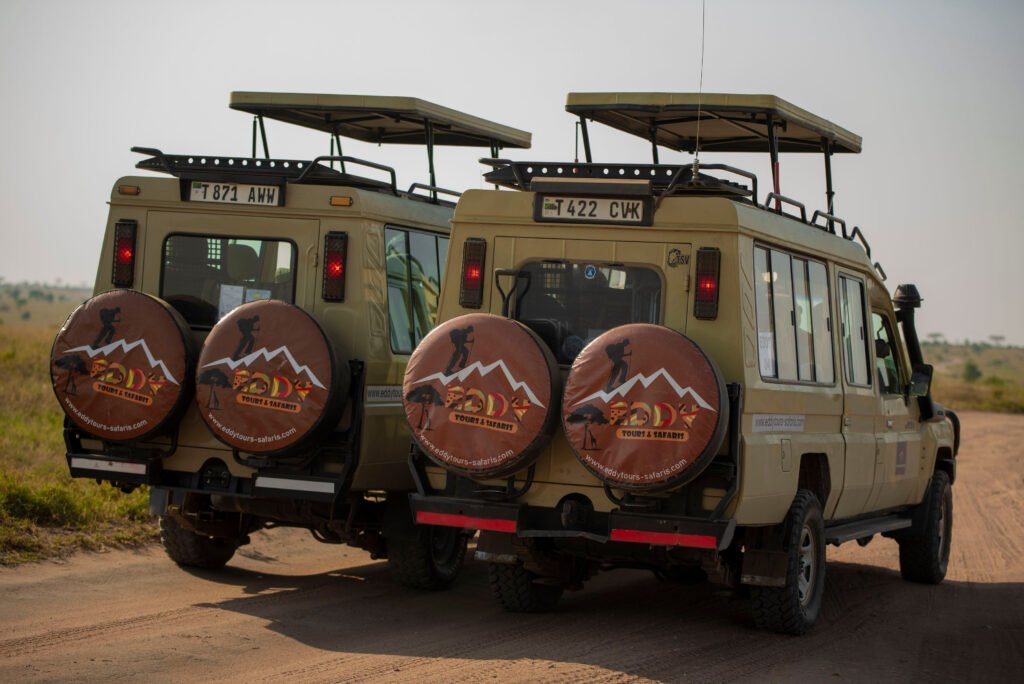
- Safari vehicle with pop-up roof for wildlife viewing
- All national park entrance fees
- Accommodation during the safari
- Meals according to itinerary
- Game drives inside national parks
What Is Not Included
- International flights
- Travel insurance
- Personal expenses
- Tips for safari guide and lodge staff
- Optional cultural activities
Why Choose This Safari Plan
The Perfect 3 Day Tanzania Safari Itinerary & Costs is ideal for travelers who want a short but rewarding wildlife experience. Within only three days you can visit multiple ecosystems and encounter a wide variety of animals while staying close to Arusha.
This itinerary also works well for travelers combining different adventures in Tanzania. Many visitors climb Kilimanjaro with Kilimanjaro Climb Specialist before relaxing on a wildlife safari.
Responsible tourism is extremely important in Tanzania, and many conservation initiatives led by organizations such as World Resources Institute, Earthwatch Institute, and Convention on Biological Diversity help protect wildlife habitats for future generations.
If you are planning your first safari or simply have limited time, this itinerary offers one of the most efficient ways to experience Tanzania’s extraordinary wildlife landscapes while supporting conservation across East Africa.
To explore more safari journeys and customize your wildlife adventure, visit Eddy Tours Safaris where expert guides help travelers design unforgettable trips across Tanzania’s national parks.