
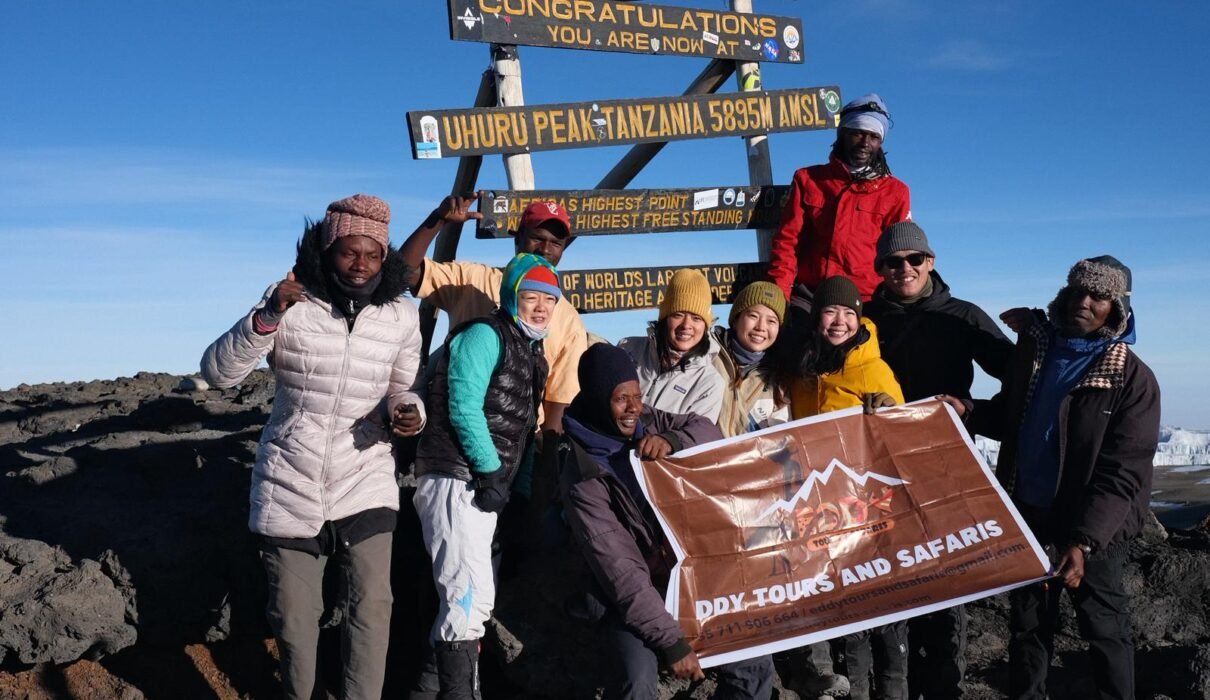
Climbing Kilimanjaro for the Second Time is a completely different experience compared to your first summit attempt, and many returning climbers quickly realize that what once felt like a challenge now becomes a more meaningful journey filled with strategy, confidence, and deeper appreciation of the mountain. Unlike first-time trekkers who are discovering everything from scratch, returning climbers approach the mountain with knowledge, awareness of altitude effects, and a stronger mental game, making the second climb not just about reaching the summit again, but about experiencing Kilimanjaro in a smarter, more rewarding way.
For many travelers, Climbing Kilimanjaro for the Second Time in 2026, 2027, or 2028 is about correcting past mistakes, choosing better routes, or simply reliving one of Africa’s most iconic adventures with more comfort and purpose. Whether your first climb was rushed, affected by altitude sickness, or simply left you wanting more, this second attempt gives you the opportunity to do everything right, from preparation to summit success. If you are planning your return, exploring professional planning resources like custom Kilimanjaro trips can help you design a much better experience than your first climb.
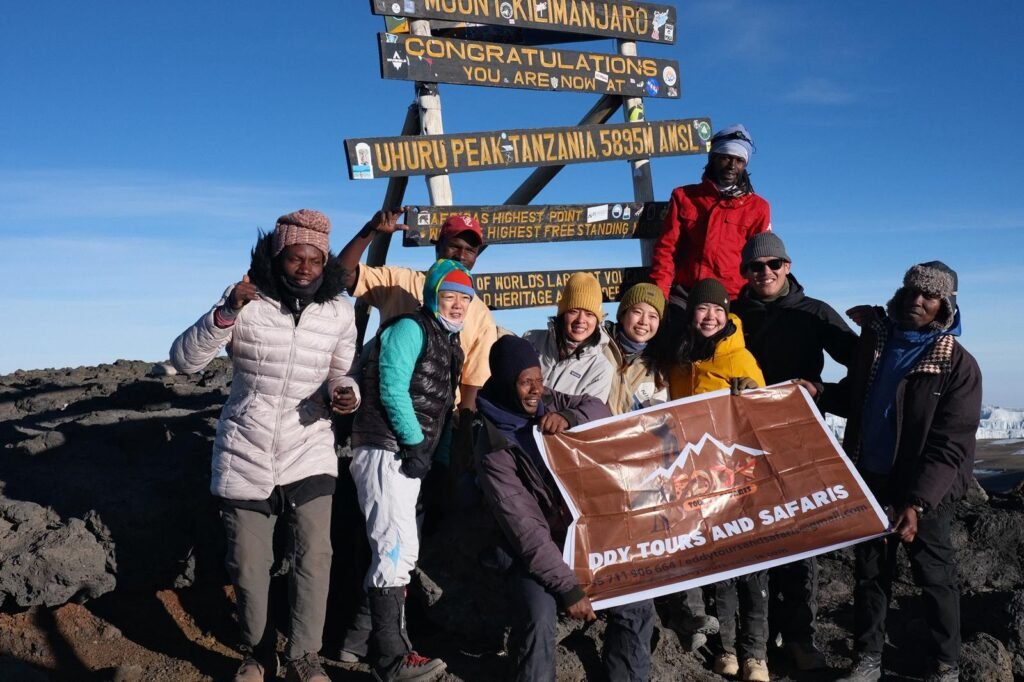
Package Overview – Climbing Kilimanjaro for the Second Time
Climbing Kilimanjaro for the Second Time offers a unique chance to explore the mountain with a new mindset, where every step feels more intentional and less uncertain. Instead of worrying about unknown factors, you already understand how your body reacts to altitude, how pacing works, and what gear truly matters, allowing you to focus more on enjoying the landscapes and less on basic survival. This second journey often feels more personal, especially for those who want to challenge themselves with a different route or extend their itinerary for better acclimatization.
Many climbers returning for a second ascent choose longer routes such as Lemosho or Northern Circuit, which provide higher success rates and more scenic diversity. According to global research from National Geographic, proper acclimatization is one of the most important factors in high-altitude trekking success, and experienced climbers are more likely to succeed because they understand this principle better. If you are planning to combine your climb with a safari, you can explore options on Tanzania safari extensions to create a complete travel experience.
Detailed Itinerary (Climbing Kilimanjaro for the Second Time)
Day 1 – Arrival and Preparation
On arrival in Tanzania, you will be transferred to your hotel where your guide will brief you on your climb. Since you are Climbing Kilimanjaro for the Second Time, this session becomes more interactive, allowing you to refine your strategy and ask advanced questions about pacing, altitude, and summit timing. Many climbers take this opportunity to upgrade their gear based on previous experience, ensuring comfort throughout the trek.
Day 2 – Trek Begins Through Rainforest
The journey begins through lush rainforest, where the air is humid and the trail is alive with wildlife sounds. Returning climbers often notice details they missed before, such as unique plant species or bird calls documented by organizations like BirdLife International. The pace is slow and steady, allowing your body to adjust naturally.
Day 3 – Moorland Zone Exploration
As you ascend into the moorland zone, the landscape opens up into vast rolling hills with giant lobelias and senecios. Climbing Kilimanjaro for the Second Time allows you to appreciate these transitions more deeply, understanding how each ecological zone contributes to the mountain’s biodiversity, as highlighted by UNEP.
Day 4 – Acclimatization Day
This day is critical for altitude adjustment, and experienced climbers take it seriously. Following the “climb high, sleep low” principle improves your chances of success significantly, a method supported by research from World Health Organization. You will hike to a higher elevation before returning to camp.
Day 5 – Alpine Desert Trek
The environment becomes harsher as you enter the alpine desert, where temperatures drop and vegetation becomes scarce. Climbing Kilimanjaro for the Second Time helps you mentally prepare for this phase, as you already know the importance of hydration and slow movement. Many climbers rely on guidance from experts found on Kilimanjaro Climb Specialist for advanced preparation tips.
Day 6 – Summit Attempt
The summit push begins at midnight, and this is where experience truly makes a difference. You understand the rhythm, breathing techniques, and mental focus required to reach Uhuru Peak. Research from IUCN highlights how high-altitude environments demand both physical and psychological endurance, something returning climbers handle better.
Day 7 – Descent and Celebration
After reaching the summit, the descent begins, bringing relief and celebration. Climbing Kilimanjaro for the Second Time often feels more emotional because you fully understand the journey and effort behind it. Many climbers choose to celebrate by planning a safari through wildlife safari tours.
Inclusions (Climbing Kilimanjaro for the Second Time)
- Professional mountain guides and support team
- All park fees and permits
- Accommodation during the climb
- Meals and drinking water
- Safety equipment and emergency support
Exclusions (Climbing Kilimanjaro for the Second Time)
- International flights
- Travel insurance
- Personal gear and equipment
- Tips for guides and porters
Pricing Range of the Package (Climbing Kilimanjaro for the Second Time)
- Budget: $1,800 – $2,200 per person
- Mid-range: $2,300 – $3,000 per person
- Luxury: $3,200 – $5,000+ per person
FAQ’S OF THE PACKAGE (Climbing Kilimanjaro for the Second Time)
- Is the second climb easier? Yes, due to experience and better preparation.
- Should I choose a different route? It is highly recommended for a new experience.
- Is altitude still a risk? Yes, but easier to manage with experience.
Why Choose This Package (Climbing Kilimanjaro for the Second Time)
Climbing Kilimanjaro for the Second Time allows you to approach the mountain with confidence and strategy, making your chances of success much higher compared to your first attempt. You already understand the challenges, which means fewer surprises and better decision-making throughout the journey. Conservation groups like WWF emphasize the importance of responsible tourism, and choosing a well-organized climb supports sustainable travel practices. If you want to combine this experience with wildlife adventures, platforms like Tanzania travel planning provide excellent options.
Additionally, your second climb is not just about reaching the summit again, but about experiencing Kilimanjaro with a deeper connection. You notice more, appreciate more, and push yourself in a more controlled and confident way. Insights from Conservation International show that repeat travelers often develop stronger emotional connections to destinations, making their experiences more meaningful.
Book This Tour
If you are ready to experience Climbing Kilimanjaro for the Second Time in 2026, 2027, or 2028, this is the perfect opportunity to do it the right way. With improved planning, better route selection, and stronger mental preparation, your second climb can be smoother, safer, and far more rewarding. You can start planning today through expert travel services and secure your place on one of the world’s most iconic mountains.
For additional research and preparation, you can explore resources from The Nature Conservancy, FAO, Convention on Biological Diversity, IPBES, Global Wildlife Conservation, and Google to enhance your understanding before your next adventure.