
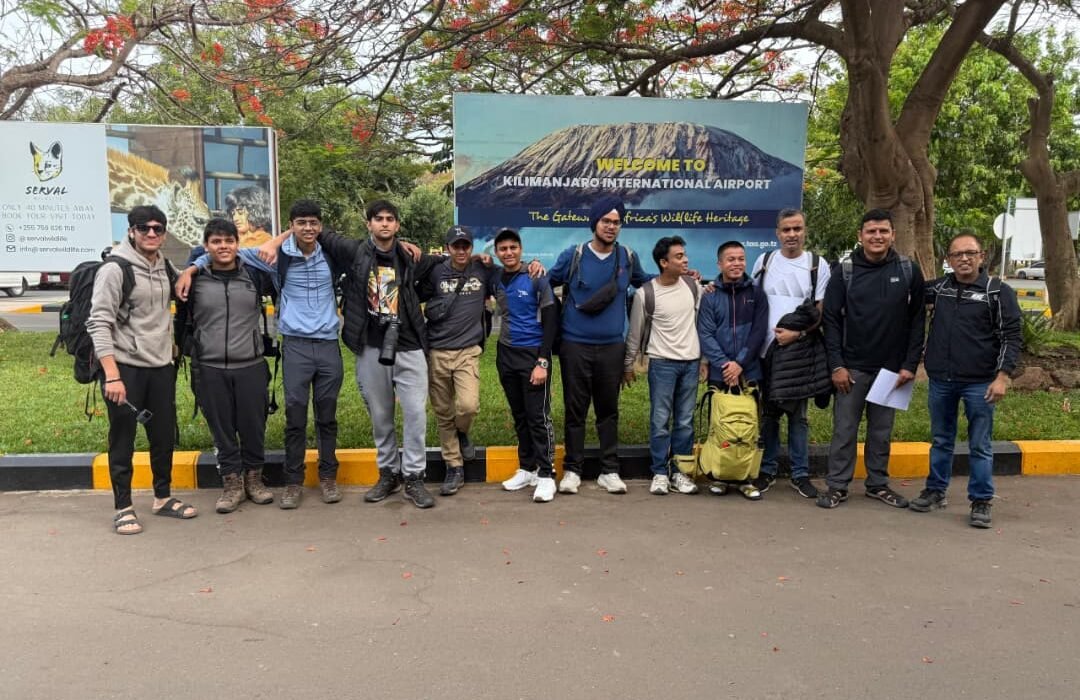
Kilimanjaro climbing training, first-time hiker tips can completely change how you see this mountain, especially if you have never hiked at high altitude before. Many people imagine Kilimanjaro as something only experienced climbers can achieve, yet every year beginners from all over the world reach the summit successfully. The truth is simple: this mountain rewards preparation, patience, and the right mindset more than raw strength. If you understand how to train, what to expect, and how to pace yourself, you can turn what feels impossible into something very real and achievable.
When you begin thinking about Kilimanjaro climbing training, first-time hiker tips, the first thing to understand is that this is not a technical climb. You will not need ropes or special climbing skills, but you will need endurance, consistency, and a willingness to move slowly. Many travelers who prepare properly through guidance from experienced Kilimanjaro planners often discover that the journey is more mental than physical. It is about staying calm, trusting the process, and moving step by step even when your body feels tired.
Another important point about Kilimanjaro climbing training, first-time hiker tips is that your preparation does not need to be complicated. You do not need an expensive gym program or extreme workouts. Simple routines like walking long distances, climbing stairs, or hiking on weekends can build the strength you need. Resources from National Geographic and BBC often highlight Kilimanjaro as one of the most achievable high-altitude adventures, especially for beginners who follow the right approach.
Kilimanjaro climbing training, first-time hiker tips: Understanding the Journey
The journey up Kilimanjaro is unique because it takes you through multiple climate zones in just a few days. When following Kilimanjaro climbing training, first-time hiker tips, you need to prepare for rainforest humidity, cold alpine winds, and freezing summit conditions. This variety is part of what makes the experience unforgettable, but it also means you must train your body to adapt to changing environments.
Unlike shorter hikes, Kilimanjaro is about consistency over several days. You will be walking for hours each day at a slow pace. That is why endurance matters more than speed. Many first-time climbers succeed because they focus on steady movement rather than pushing themselves too hard. Studies from NCBI show that pacing and gradual altitude gain are the most important factors for success.
Physical Training for Kilimanjaro climbing training, first-time hiker tips
When preparing using Kilimanjaro climbing training, first-time hiker tips, your goal should be to build endurance and leg strength gradually. Walking is one of the best exercises you can do. Start with short distances and increase slowly until you can comfortably walk for several hours. Adding hills or stairs will make your training more effective because it mimics the conditions you will face on the mountain.
Cardio exercises such as jogging, cycling, or swimming can also improve your stamina. However, you do not need to train like an athlete. What matters is consistency. Even 30 to 60 minutes of activity several times a week can make a big difference. Many beginners who follow this approach feel stronger and more confident by the time they arrive in Tanzania.
Strength training is another useful part of Kilimanjaro climbing training, first-time hiker tips. Focus on simple exercises like squats, lunges, and core workouts. These movements help your body handle long days of trekking. If you want structured preparation ideas, you can explore guidance from Kilimanjaro preparation resources to build a routine that fits your schedule.
Mental Preparation for First-Time Climbers
While physical training is important, mental preparation is often the deciding factor in Kilimanjaro climbing training, first-time hiker tips. There will be moments during the climb when you feel tired, cold, or unsure. These moments are normal, and how you respond to them matters more than your fitness level. Staying positive and focused can help you push through challenges.
Many climbers find it helpful to set small goals each day instead of thinking about the entire mountain. Reaching the next camp, completing the next hour of walking, or simply taking one more step can keep you motivated. Insights from Psychology Today suggest that breaking large goals into smaller steps improves success in challenging environments.
Best Gear Tips for Kilimanjaro climbing training, first-time hiker tips
Choosing the right gear is a key part of Kilimanjaro climbing training, first-time hiker tips. You do not need the most expensive equipment, but you do need reliable items that keep you comfortable in changing conditions. Good hiking boots are essential, and they should be broken in before your trip to avoid blisters.
Layered clothing is also important because temperatures vary greatly from day to night. You will need light clothing for lower altitudes and warm layers for the summit. Many travelers use guides from REI or Outside Online to understand what gear works best for high-altitude trekking.
Altitude and Safety Awareness
One of the most important aspects of Kilimanjaro climbing training, first-time hiker tips is understanding altitude. As you climb higher, oxygen levels decrease, which can affect your body. Symptoms like headaches or fatigue are common, but they can be managed with proper pacing and hydration.
Your guides will monitor your health and help you adjust if needed. Organizations like World Health Organization and CDC emphasize the importance of acclimatization when traveling to high altitudes. Drinking enough water and moving slowly are simple but powerful strategies that improve your chances of success.
Choosing the Right Route for Beginners
Route selection plays a big role in Kilimanjaro climbing training, first-time hiker tips. Longer routes such as Lemosho or Machame are often recommended because they give your body more time to adjust to altitude. These routes also offer beautiful scenery, making the journey more enjoyable.
Shorter routes may seem easier, but they often have lower success rates due to limited acclimatization time. That is why many first-time climbers prefer longer itineraries. You can compare route options through Kilimanjaro route guides to find the best fit for your experience level.
Common Mistakes to Avoid
Understanding common mistakes is an important part of Kilimanjaro climbing training, first-time hiker tips. One of the biggest mistakes is going too fast. Many climbers start strong but struggle later because they do not pace themselves. Remember, slow and steady is the key to success.
Another mistake is underestimating the importance of hydration and nutrition. Eating well and drinking enough water can make a significant difference in how your body performs. Advice from platforms like Healthline highlights how proper nutrition supports endurance activities.
Why Kilimanjaro climbing training, first-time hiker tips Matter
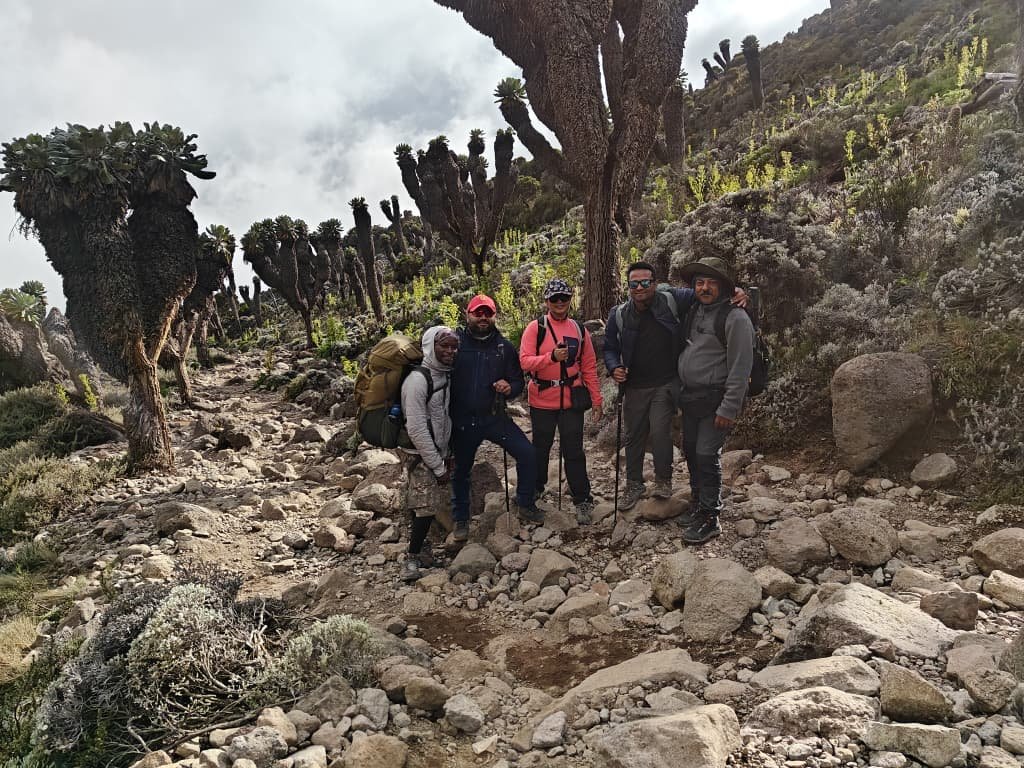
Following Kilimanjaro climbing training, first-time hiker tips is not just about reaching the summit, but about enjoying the entire experience. When you are well prepared, you can focus on the beauty around you instead of worrying about discomfort or fatigue. From the lush rainforest to the icy summit, every step becomes part of a meaningful journey.
This adventure is also a chance to connect with nature and yourself. Conservation groups like African Wildlife Foundation and WWF emphasize the importance of protecting such environments so future generations can experience them as well.
Final Thoughts on Kilimanjaro climbing training, first-time hiker tips
If you are considering this journey, remember that Kilimanjaro climbing training, first-time hiker tips are designed to make the experience accessible to everyone. You do not need to be perfect, you just need to be prepared and committed. With the right mindset and support, reaching the summit becomes a realistic goal.
You can begin planning today by exploring available Kilimanjaro trips and learning more from Kilimanjaro Climb Specialist or general research via Google. The journey is waiting, and every step you take brings you closer to something unforgettable.