
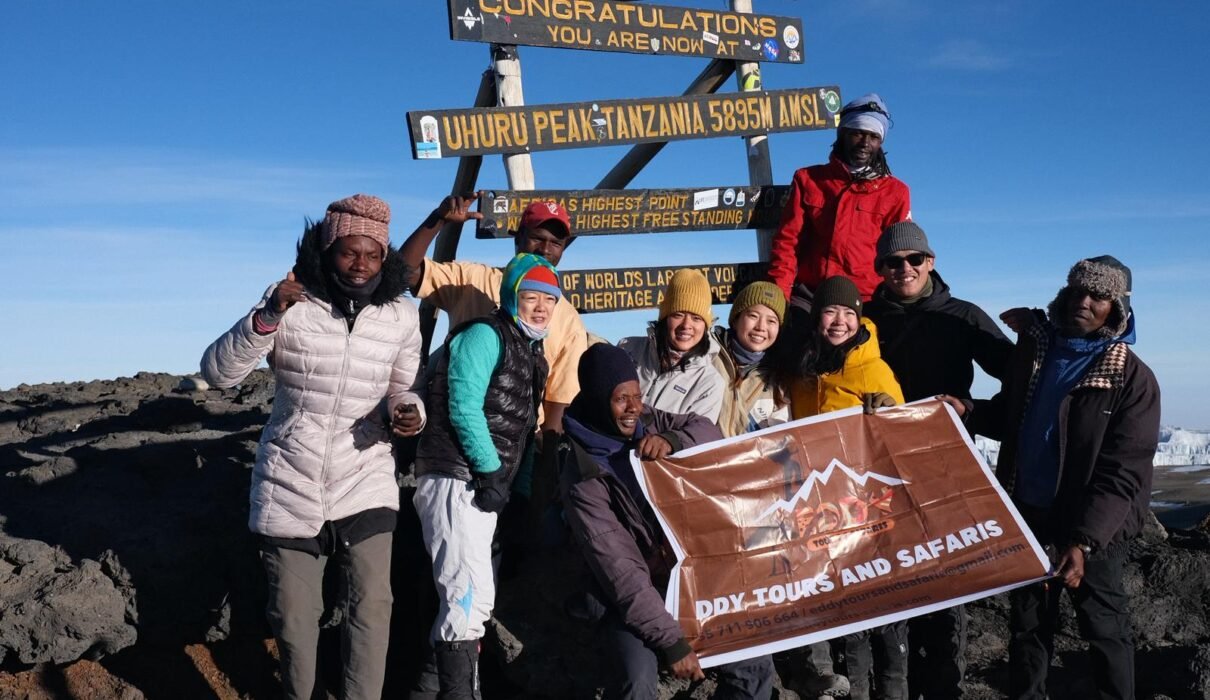
Climbing Mount Kilimanjaro – How to Trek is a question many travelers ask when they begin dreaming about standing on the highest point in Africa. The idea may feel intimidating at first, but the truth is that Kilimanjaro is one of the few mountains in the world where ordinary people, not just experienced climbers, can successfully reach the summit. It is a trekking mountain, not a technical climb, which means your journey depends more on preparation, pacing, and mindset than on advanced skills. With the right approach, this adventure becomes not only achievable but deeply rewarding in ways that go beyond the physical challenge.
When people explore Climbing Mount Kilimanjaro – How to Trek, they often imagine steep cliffs or dangerous routes, yet most of the journey involves steady walking on well-established trails. What makes it challenging is altitude, not terrain. That is why successful trekkers focus on moving slowly, staying hydrated, and giving their bodies enough time to adapt. Many travelers begin planning through trusted Tanzania travel platforms where they learn that choosing the right route and duration plays a major role in reaching the summit safely.
The beauty of this experience is not just about reaching Uhuru Peak but about everything you see and feel along the way. From dense rainforest filled with birds to open landscapes that look almost like another planet, the journey itself becomes unforgettable. Even sources like National Geographic describe Kilimanjaro as one of the most accessible high-altitude treks in the world, making it a realistic goal for determined beginners who are willing to take it step by step.
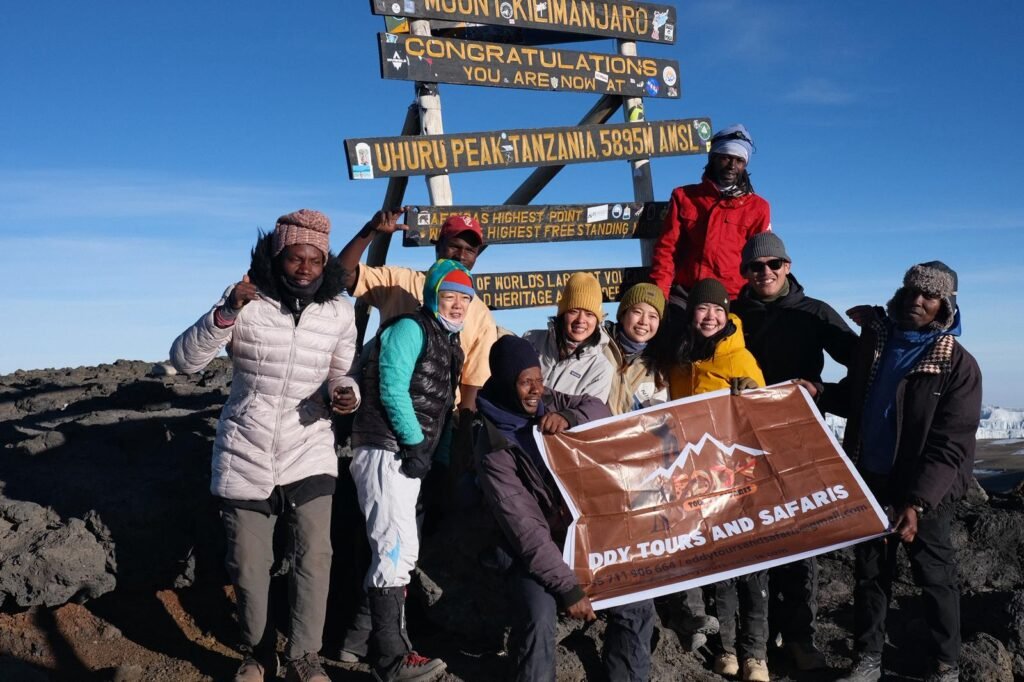
Climbing Mount Kilimanjaro – How to Trek: Understanding the Journey
Before starting Climbing Mount Kilimanjaro – How to Trek, it is important to understand what the experience really involves. Unlike many mountains that require ropes or climbing techniques, Kilimanjaro is all about endurance and patience. You walk for several hours each day at a slow pace, allowing your body to adjust gradually to the changing altitude. This approach, often referred to as “pole pole,” is the foundation of success on the mountain.
Research from organizations like World Health Organization shows that gradual acclimatization is essential when traveling to high altitudes. This is why longer routes are strongly recommended. They may take more days, but they significantly increase your chances of reaching the summit without complications. Travelers who plan properly through Kilimanjaro trekking experts often find that a well-paced itinerary makes the entire experience more enjoyable and less stressful.
Best Routes for Climbing Mount Kilimanjaro – How to Trek Successfully
Choosing the right route is one of the most important decisions when planning Climbing Mount Kilimanjaro – How to Trek. Each route offers a different experience, but for beginners, longer routes such as Lemosho and Machame are often the best choices. These routes provide more time for acclimatization, which greatly improves success rates.
The Lemosho Route is known for its scenic beauty and quieter trails, allowing you to enjoy nature without heavy crowds. The Machame Route, on the other hand, is slightly more popular but offers incredible views and a strong success rate. While shorter routes like Marangu may seem easier, they often result in lower summit success because they do not give your body enough time to adapt. Many experienced travelers rely on guidance from professional safari planners to select the best route based on their fitness and goals.
Physical and Mental Preparation for Climbing Mount Kilimanjaro – How to Trek
Preparing for Climbing Mount Kilimanjaro – How to Trek does not require extreme fitness, but it does require consistency. Simple activities like walking, hiking, or light jogging can help build endurance. The goal is not speed but the ability to stay active for several hours a day. Many beginners succeed because they focus on steady progress rather than pushing themselves too hard.
Mental preparation is just as important. There will be moments when you feel tired or uncertain, especially at higher altitudes. Staying positive and trusting the process makes a big difference. Resources from platforms like BBC and Lonely Planet often highlight that mindset is one of the strongest factors in reaching the summit successfully.
What to Expect During the Trek
One of the most fascinating parts of Climbing Mount Kilimanjaro – How to Trek is the changing environment. You begin in a warm rainforest where the air is rich and full of life. As you climb higher, the landscape transforms into moorland, then alpine desert, and finally the icy summit zone. Each stage brings a different feeling, making the journey dynamic and engaging.
Throughout the trek, you are supported by a team of guides, porters, and cooks. This support system allows you to focus entirely on the experience without worrying about logistics. Environmental organizations like UNEP recognize Kilimanjaro as an important ecological site because of its diverse ecosystems and unique natural beauty.
Challenges of Climbing Mount Kilimanjaro – How to Trek
While Climbing Mount Kilimanjaro – How to Trek is achievable, it does come with challenges. The most common issue is altitude sickness, which can affect anyone regardless of fitness level. Symptoms may include headaches, dizziness, or fatigue. That is why guides monitor your condition daily and adjust the pace when needed.
The most demanding part of the trek is summit night. You start walking in the dark, often around midnight, and continue for several hours until sunrise. It is physically and mentally challenging, but reaching the summit as the sun rises is an unforgettable moment. Studies from NCBI confirm that proper pacing and hydration greatly improve success rates during this stage.
Gear and Packing Tips
Having the right gear is essential for Climbing Mount Kilimanjaro – How to Trek. You will need warm clothing, sturdy hiking boots, and layers that can adapt to changing temperatures. Even though Africa is often associated with heat, the summit of Kilimanjaro can be extremely cold.
It is also important to pack light while ensuring you have all essentials. Many climbers consult guides from Kilimanjaro Climb Specialist to understand what to bring. Doing proper research through platforms like Google can also help you prepare effectively.
Cost of Climbing Mount Kilimanjaro – How to Trek
The cost of Climbing Mount Kilimanjaro – How to Trek varies depending on the route, duration, and level of service. Budget options may start around $1,800, while mid-range packages range between $2,500 and $3,500. Luxury experiences can go beyond $5,000, offering extra comfort and personalized services.
It is important to choose a reliable operator rather than focusing only on price. A well-organized climb ensures safety, proper support, and a higher chance of success. Many travelers compare options through experienced tour providers before making a decision.
Why Climbing Mount Kilimanjaro – How to Trek Is Worth It
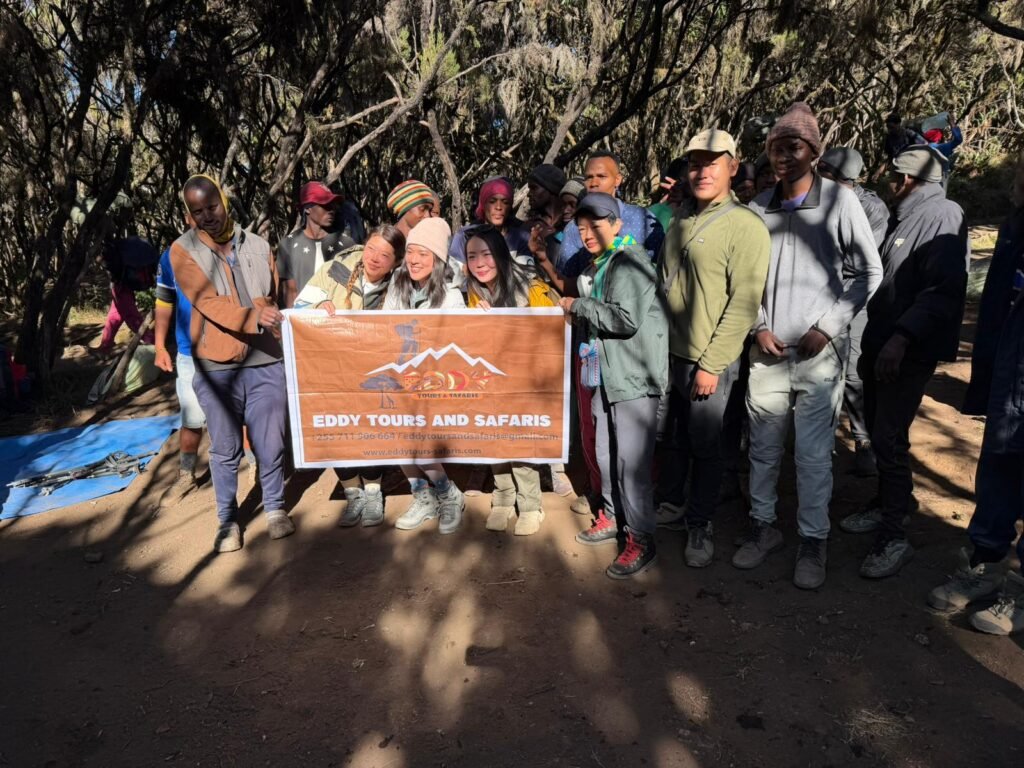
There is something deeply meaningful about completing Climbing Mount Kilimanjaro – How to Trek. It is not just about reaching the summit but about discovering your own strength and resilience. The journey teaches patience, discipline, and the importance of taking one step at a time.
The shared experience with other climbers also creates lasting connections. Conservation groups like African Wildlife Foundation emphasize the importance of preserving such natural landmarks so future generations can experience them as well.
Final Thoughts on Climbing Mount Kilimanjaro – How to Trek
If you have ever considered taking on a challenge that pushes you beyond your comfort zone, Climbing Mount Kilimanjaro – How to Trek is one of the best choices you can make. It is achievable, meaningful, and unforgettable. With the right preparation and support, you can stand on the roof of Africa and experience a moment that stays with you for life.
To begin your journey, you can explore options through trusted travel resources and gather insights from expert climbing guides. The opportunity is real, and the mountain is waiting. All you need is the decision to take the first step.