
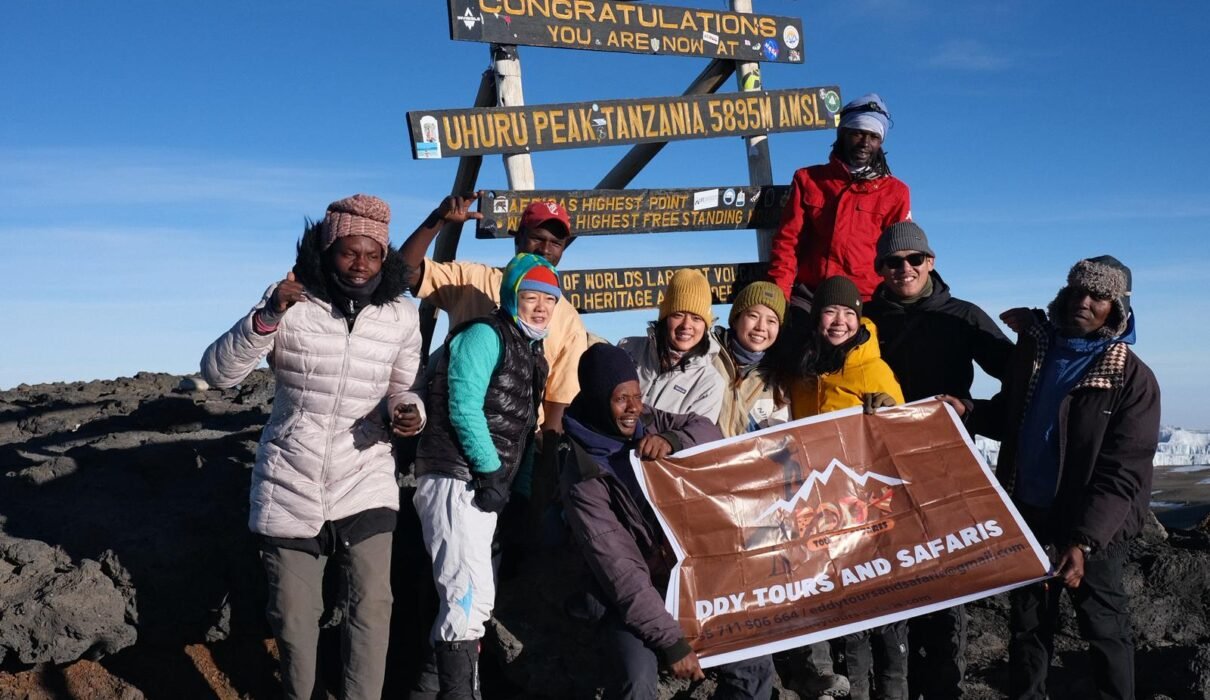
Climbing Kilimanjaro in May Weather and Temperature is often misunderstood, especially by first-time travelers who assume that this month is completely unsuitable for trekking. The truth is more balanced. May falls within the long rainy season in Tanzania, which means you can expect wet conditions, cloudy skies, and occasional heavy rainfall. However, this does not mean the mountain is closed or impossible to climb. In fact, many experienced trekkers choose May because it offers a quieter, more peaceful experience compared to the busy peak months.
Understanding Climbing Kilimanjaro in May Weather and Temperature requires looking beyond simple weather labels. While rainfall is more frequent, it usually comes in patterns rather than constant downpours. Mornings can be clear, afternoons may bring showers, and evenings often settle again. This creates a unique rhythm on the mountain, where patience and preparation become more important than speed. Travelers who plan properly, often through reliable Kilimanjaro travel planners, find that May can still deliver a rewarding and successful climb.
Another advantage of Climbing Kilimanjaro in May Weather and Temperature is the dramatic beauty of the landscape. The rainforest zone becomes lush and vibrant, with deep green vegetation and fresh air that feels completely different from the dry season. Photographers and nature lovers often appreciate this time because the mountain feels alive and less crowded. Even global sources like National Geographic have highlighted the unique seasonal changes that make Kilimanjaro special throughout the year.
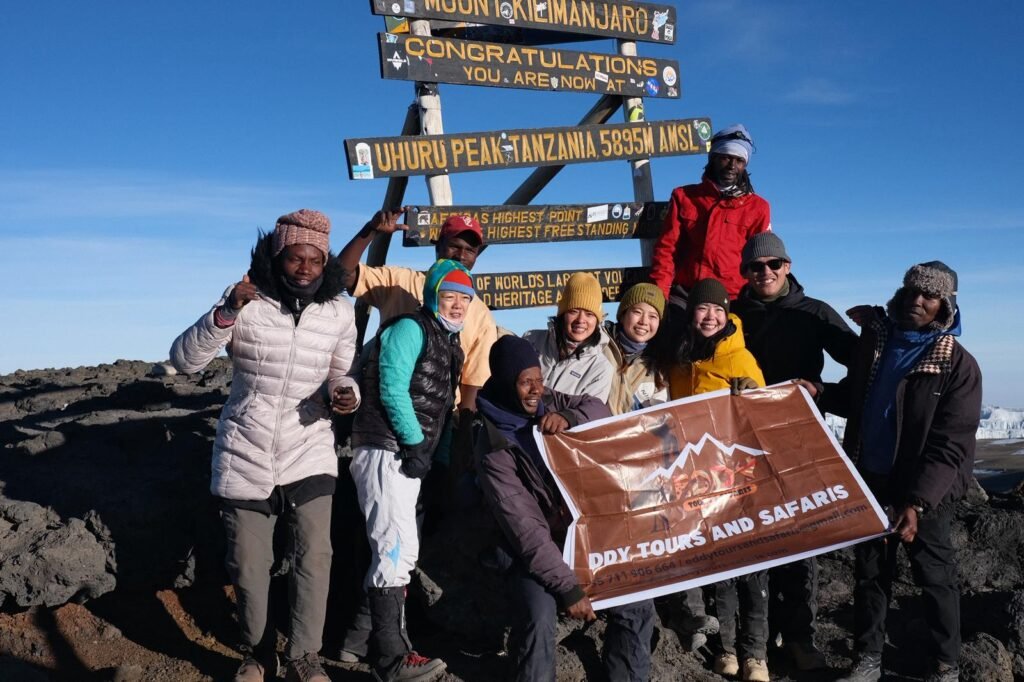
Climbing Kilimanjaro in May Weather and Temperature: What to Expect
The main feature of Climbing Kilimanjaro in May Weather and Temperature is the presence of rain, especially in the lower zones of the mountain. The rainforest section receives the most rainfall, which can make trails muddy and slippery. As you move higher, the rain decreases, and conditions become drier and cooler. This variation is important because it means you experience different climates within the same trek.
Temperature also changes significantly with altitude. At the base, temperatures are warm and humid, often ranging between 15°C and 25°C. As you climb higher, the air becomes cooler, and at the summit, temperatures can drop well below freezing. Research from institutions like UK Met Office shows that high-altitude environments like Kilimanjaro experience rapid temperature shifts regardless of the season.
Cloud cover is another key factor. In May, the mountain is often surrounded by clouds, which can limit visibility but also create a mysterious and atmospheric experience. Some climbers enjoy this because it adds a sense of adventure, while others prefer clear views found in drier months.
Is May a Good Time for Climbing Kilimanjaro in May Weather and Temperature?
This is one of the most common questions travelers ask. The answer depends on your expectations. Climbing Kilimanjaro in May Weather and Temperature is not the easiest option, but it is still possible and can be very rewarding. The biggest advantage is the lack of crowds. Trails are quieter, camps are less busy, and the overall experience feels more personal.
However, you must be prepared for wet conditions. Proper gear becomes essential, including waterproof clothing, good hiking boots, and protective layers. According to REI Co-op, having the right gear is one of the most important factors for comfort and safety in wet trekking conditions.
Many climbers who choose May do so intentionally because they want a more peaceful journey. Booking through experienced local operators ensures that logistics, timing, and route selection are optimized for the season.
Best Routes for Climbing Kilimanjaro in May Weather and Temperature
Route selection plays a major role when planning Climbing Kilimanjaro in May Weather and Temperature. Some routes handle rain better than others. The Rongai Route, for example, approaches the mountain from the northern side, which receives less rainfall. This makes it a popular choice during the rainy season.
The Lemosho and Machame routes are also possible but may be wetter in the early stages. These routes are still recommended for their scenic beauty and acclimatization profiles. Experts from Lonely Planet often suggest choosing longer routes during challenging seasons to increase success rates.
Ultimately, the best route depends on your priorities. If you want less rain, go north. If you want scenery and don’t mind some wet conditions, the western routes remain excellent choices.
Challenges of Climbing Kilimanjaro in May Weather and Temperature
Every season has its challenges, and Climbing Kilimanjaro in May Weather and Temperature is no exception. The main challenge is dealing with wet conditions, which can affect both comfort and morale. Walking in rain for extended periods can be tiring, especially for beginners.
Another challenge is reduced visibility. Clouds and mist can hide some of the mountain’s famous views. However, many climbers still find beauty in the changing atmosphere and dramatic skies. Studies from NOAA show that mountain weather can change quickly, meaning you may still experience clear moments even during rainy seasons.
Despite these challenges, success is still very achievable. With proper planning, good equipment, and a positive mindset, many climbers reach the summit even in May.
Advantages of Climbing Kilimanjaro in May Weather and Temperature
While May is often seen as a difficult month, it also offers unique advantages. Climbing Kilimanjaro in May Weather and Temperature means fewer people on the mountain, which creates a more peaceful and personal experience. Camps are quieter, and you have more time to connect with nature.
The landscape is also at its most vibrant. The rainforest is full of life, and the air feels fresh and clean. Environmental groups like UNEP emphasize how seasonal rainfall contributes to ecosystem health, making this time particularly beautiful.
Another benefit is pricing. Some operators offer lower rates during the rainy season, making it a more budget-friendly option for travelers.
Tips for Climbing Kilimanjaro in May Weather and Temperature
Preparation is key for Climbing Kilimanjaro in May Weather and Temperature. Waterproof gear is essential, including jackets, pants, and backpack covers. Keeping your equipment dry will make a big difference in your overall comfort.
It is also important to maintain a steady pace and stay hydrated. Even in cooler, wet conditions, your body still needs water to adjust to altitude. Health organizations like WHO recommend consistent hydration during high-altitude activities.
Finally, choose a reliable guide team. Experienced guides understand how to manage weather conditions and adjust plans when necessary. You can explore options through Kilimanjaro Climb Specialist or research further using Google to compare insights.
Final Thoughts on Climbing Kilimanjaro in May Weather and Temperature
Climbing Kilimanjaro in May Weather and Temperature is not for everyone, but it is far from impossible. It offers a different kind of experience—quieter, greener, and more personal. If you are willing to accept some rain in exchange for fewer crowds and a unique atmosphere, May can be a surprisingly good time to climb.
With the right mindset, proper preparation, and support from trusted Kilimanjaro experts, you can turn what many see as a challenge into a truly memorable adventure. The mountain does not change its height or significance with the season—it is always there, waiting for those ready to take the step.