
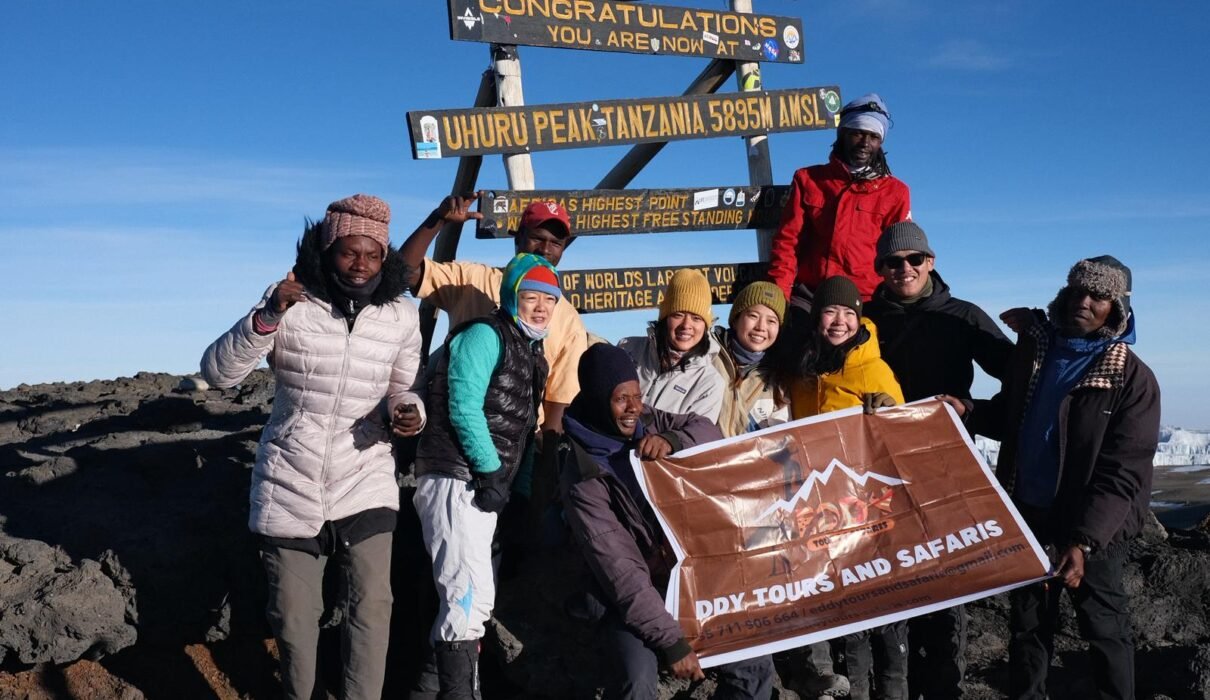
Climbing Kilimanjaro in March Weather and Temperature is often misunderstood, yet it can be one of the most unique and rewarding times to experience Africa’s highest mountain. Many travelers hesitate because March falls within the rainy season, but what most people do not realize is that the rain is usually light, predictable, and often comes in short bursts rather than constant downpours. This means you can still enjoy clear views, peaceful trails, and a much quieter mountain compared to the peak months. For those who prefer a less crowded experience, March offers a calm and more personal connection with the mountain.
When planning Climbing Kilimanjaro in March Weather and Temperature, it is important to understand how conditions vary with altitude. At the base, temperatures are warm and humid, especially in the rainforest zone, while higher up, the air becomes cooler and drier. By the time you reach the summit zone, temperatures can drop well below freezing, particularly during the night ascent. This variation is part of what makes Kilimanjaro so fascinating, as you pass through multiple climate zones in just a few days. Many climbers who book through Kilimanjaro climbing experiences find March to be surprisingly comfortable when properly prepared.
Another advantage of Climbing Kilimanjaro in March Weather and Temperature is the beauty of the landscape. The lower slopes are greener and more vibrant due to seasonal rainfall, creating a lush environment that feels alive with energy. Wildlife activity is also more noticeable in the forest zones, adding to the overall experience. If you are looking for a journey that feels more natural and less crowded, this period offers a refreshing alternative to the busy climbing seasons. You can also explore different options through custom trekking itineraries designed to suit your pace and preferences.
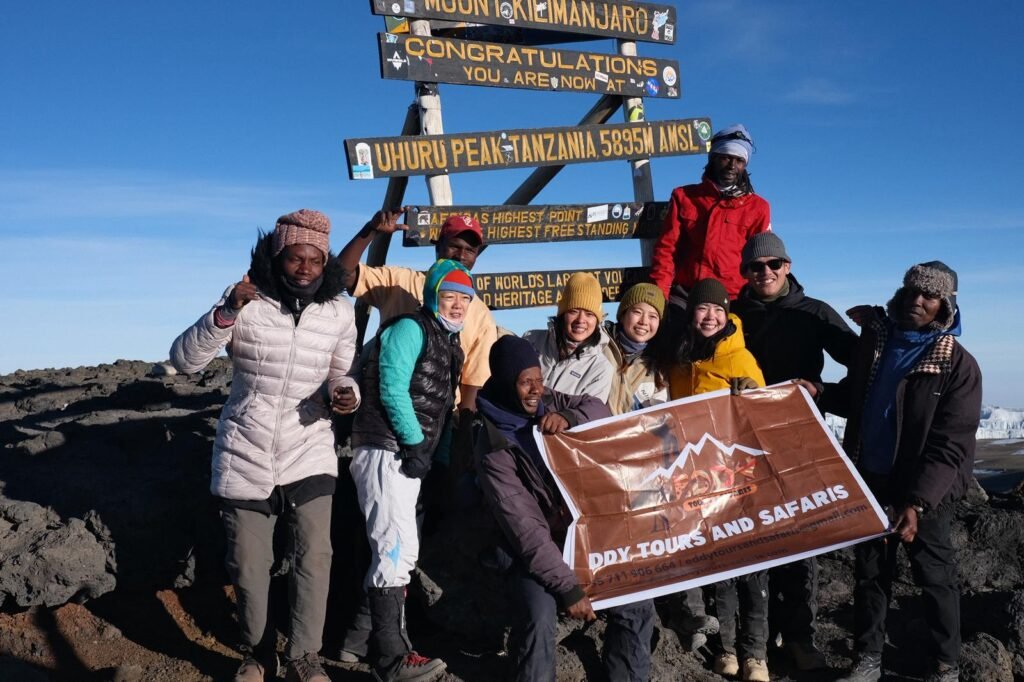
Package Overview – Climbing Kilimanjaro in March Weather and Temperature 2026, 2027 & 2028
This package is designed for travelers who want to climb Kilimanjaro during March while fully understanding the weather patterns and temperature changes. Climbing Kilimanjaro in March Weather and Temperature requires thoughtful planning, including the right gear, proper acclimatization, and a flexible mindset. The advantage of this period is the reduced number of climbers, which allows for a more peaceful and personal trekking experience.
Routes like Machame and Lemosho are highly recommended during March because they provide gradual altitude gain and diverse scenery. These routes also offer better acclimatization opportunities, which is crucial for summit success. Many experienced climbers and travel bloggers highlight March as an underrated month, especially for those who value solitude and scenic beauty over peak-season crowds. You can learn more about route comparisons through Kilimanjaro Climb Specialist, which provides helpful insights for planning.
Weather conditions during this time are generally stable in the mornings, with occasional afternoon showers. This predictable pattern allows you to plan your trekking days effectively. Reliable information from platforms like AccuWeather and Weather.com can help you understand daily forecasts and prepare accordingly. Overall, March offers a balanced mix of challenge and beauty, making it a great choice for climbers who are open to a slightly different experience.
Detailed Itinerary ( Climbing Kilimanjaro in March Weather and Temperature )
Day 1: Arrival and Briefing
Your journey begins with arrival in Tanzania, where you meet your guide and receive a detailed briefing about Climbing Kilimanjaro in March Weather and Temperature. This includes checking your gear, understanding weather expectations, and preparing mentally for the trek. Many climbers use resources like REI Expert Advice to understand layering systems and gear selection.
Day 2: Rainforest Zone
The trek starts in the rainforest, where humidity is higher and occasional light rain may occur. This part of the journey is vibrant and full of life, with thick vegetation and unique sounds of nature. Despite the moisture, proper waterproof gear ensures comfort throughout the hike.
Day 3: Moorland Zone
As you ascend, the environment becomes cooler and less humid. The open landscapes provide stunning views, and the chances of rain decrease. The steady pace helps your body adapt to the altitude while enjoying the scenery.
Day 4: Acclimatization Day
This day is crucial for adjusting to altitude. You may hike higher and then return to sleep at a lower elevation, a technique supported by research from NCBI. Proper acclimatization significantly increases your chances of reaching the summit.
Day 5: Alpine Desert
The terrain becomes more rugged and dry, with cooler temperatures and less vegetation. The views are dramatic, and the sense of adventure grows stronger as you approach higher altitudes.
Day 6: Summit Night
The summit attempt begins at midnight under cold conditions. Despite the challenges, reaching Uhuru Peak at sunrise is an unforgettable experience. The sense of achievement is deeply rewarding and often described by travelers as life-changing.
Day 7: Descent
The descent is faster and allows your body to recover as you return to lower altitudes. The journey ends with a sense of accomplishment and memories that will last a lifetime.

Inclusions ( Climbing Kilimanjaro in March Weather and Temperature )
- Professional guides and support team
- All park fees and permits
- Accommodation during the trek
- Meals and drinking water
- Camping equipment
- Airport transfers
Exclusions ( Climbing Kilimanjaro in March Weather and Temperature )
- International flights
- Travel insurance
- Personal gear
- Tips for crew
- Visa fees
Pricing Range of the Package ( Climbing Kilimanjaro in March Weather and Temperature )
- Budget: $1,800 – $2,300
- Mid-range: $2,500 – $3,500
- Luxury: $3,800 – $5,500+
FAQ’S OF THE PACKAGE ( Climbing Kilimanjaro in March Weather and Temperature )
- Is March a good time to climb? Yes, especially for fewer crowds and greener scenery.
- Does it rain all day? No, rain is usually short and occurs in the afternoon.
- Is it colder in March? Summit temperatures remain cold year-round regardless of month.
- What should I pack? Waterproof clothing and proper layering are essential.
Why Choose This Package ( Climbing Kilimanjaro in March Weather and Temperature )
Choosing Climbing Kilimanjaro in March Weather and Temperature means embracing a quieter, more scenic version of the mountain. The reduced number of climbers allows for a more personal experience, while the lush landscapes create a unique atmosphere that is rarely seen during peak seasons. Many travelers who book through experienced trekking planners appreciate the balance between adventure and tranquility that March provides.
Additionally, the flexibility in planning and the availability of routes make this period ideal for those who prefer a relaxed pace. Resources like Outside Online and Lonely Planet often highlight the benefits of traveling during shoulder seasons, including better availability and a more authentic experience.
Book This Tour
If you are considering a Kilimanjaro adventure that offers beauty, calmness, and a unique perspective, this is the perfect opportunity. Climbing Kilimanjaro in March Weather and Temperature gives you a chance to experience the mountain in a way that feels personal and memorable. You can start your journey today by visiting available climbing packages and securing your place for 2026, 2027, or 2028.
For additional research and preparation, you can explore Google for general travel insights. With the right preparation and mindset, your Kilimanjaro journey can become one of the most meaningful experiences of your life.