
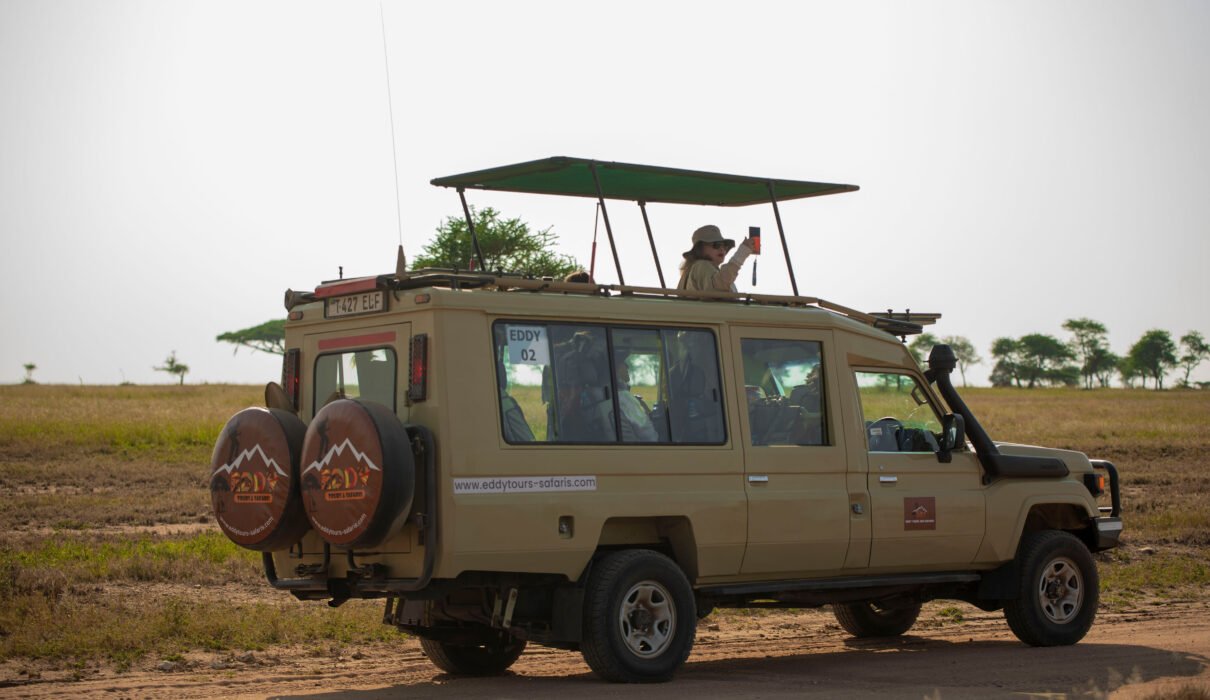
Best Time to Visit Serengeti National Park in 2026, 2027 & 2028 is one of the most important questions travelers ask before planning a safari in Tanzania because timing can completely change the type of wildlife experience you will have. Serengeti National Park is extraordinary throughout the year, but every season offers different landscapes, animal behavior, migration movements, weather conditions, and safari atmosphere. Some travelers want to witness dramatic river crossings during the Great Migration, others prefer quieter months with fewer crowds, while photographers may focus on green landscapes, predator action, or calving season. Understanding these seasonal differences helps travelers choose the period that best matches the kind of safari adventure they truly want.
The beauty of understanding the Best Time to Visit Serengeti National Park is that there is no single perfect answer for everyone. The Serengeti ecosystem changes continuously throughout the year as wildlife moves across massive plains in search of water and fresh grazing land. This movement creates one of the most famous natural spectacles on earth, drawing travelers from around the world who want to witness millions of wildebeests, zebras, and gazelles crossing East Africa’s landscapes in dramatic migration cycles. According to National Geographic, the Serengeti migration remains one of the greatest wildlife events on the planet because of its scale, unpredictability, and ecological importance.
Travelers planning safaris through Serengeti safari packages often discover that timing affects not only wildlife viewing but also accommodation prices, crowd levels, weather conditions, and photography opportunities. Dry seasons provide easier wildlife spotting because animals gather around water sources, while green seasons create lush scenery and excellent birdwatching opportunities. Conservation organizations like WWF and IUCN continue emphasizing the Serengeti ecosystem’s importance because it supports one of the largest intact wildlife migrations remaining anywhere in the world.
For many visitors, the Best Time to Visit Serengeti National Park depends on personal travel goals rather than simply choosing the busiest safari season. Honeymoon travelers may prefer peaceful luxury camps during quieter months, photographers may chase dramatic migration scenes, and families may prioritize comfortable weather and easier road conditions. This flexibility is one reason Serengeti continues attracting travelers year after year, offering unique safari experiences during every season instead of only one short travel window.
Understanding the Climate and Seasons in Serengeti National Park
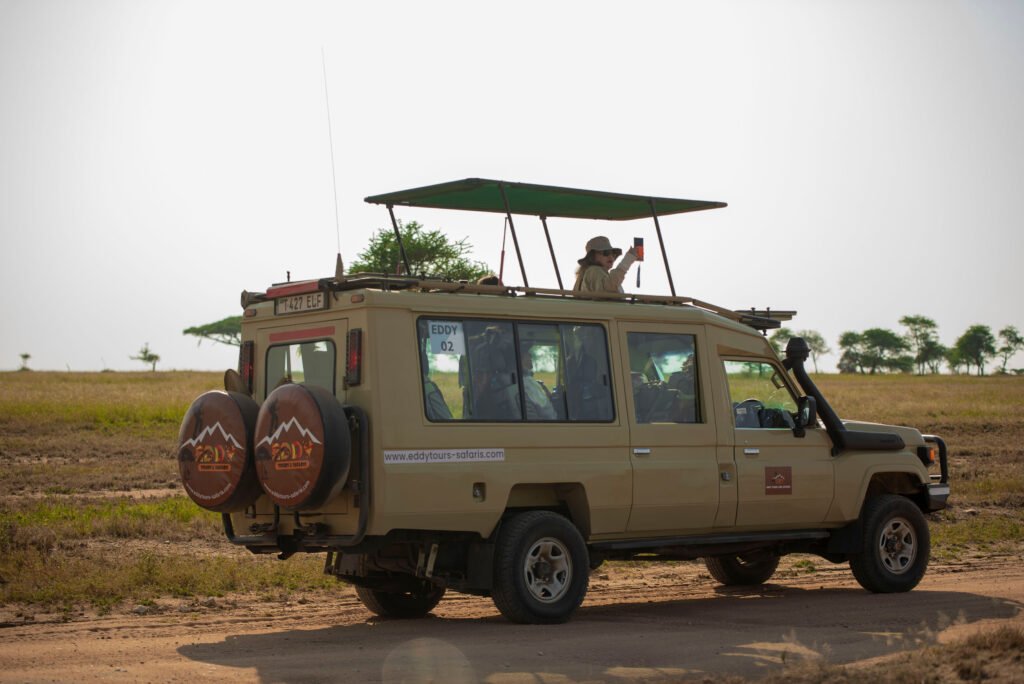
To properly understand the Best Time to Visit Serengeti National Park, travelers first need to understand the region’s seasonal patterns. Serengeti experiences two major seasons: the dry season and the green season, each creating completely different safari atmospheres. The dry season generally runs from June to October and is often considered peak safari season because wildlife becomes easier to locate around rivers and remaining water sources. The green season usually occurs between November and May, bringing fresh grass, scattered rainfall, dramatic skies, and excellent opportunities for photography and birdwatching.
Unlike many destinations where rain completely disrupts travel, Serengeti remains accessible throughout most of the year. The short rains between November and December are often light and brief, while the heavier rains around March and April transform the landscape into vibrant green plains filled with newborn animals. Reports from UNEP and The Nature Conservancy continue highlighting how these seasonal changes are essential for maintaining the Serengeti ecosystem and supporting migration cycles.
The dry season attracts travelers searching for easier game viewing because vegetation becomes thinner and animals gather in predictable areas. During these months, safari vehicles can often observe large predator activity near rivers and open plains. Travelers researching safari timing through custom Tanzania safari itineraries frequently choose dry-season travel for classic wildlife experiences and more comfortable road conditions.
Best Time to Visit Serengeti National Park for the Great Migration
The Best Time to Visit Serengeti National Park for the Great Migration depends entirely on which stage of the migration travelers want to witness. The migration itself is not a single event but a continuous movement of over two million wildebeests, zebras, and gazelles across Serengeti and Maasai Mara ecosystems. Because the migration follows rainfall patterns and grazing conditions, its exact timing changes slightly every year, making every safari unique.
Between December and March, the southern Serengeti becomes the center of activity as thousands of wildebeests gather for calving season. During this period, vast open plains become filled with newborn calves, creating excellent predator action as lions, cheetahs, and hyenas take advantage of vulnerable young animals. Wildlife researchers from African Wildlife Foundation recognize this period as one of the most dramatic phases of the migration cycle because of the intense interaction between predators and prey.
From June to July, migration herds begin moving northward through central and western Serengeti. River crossings start becoming more common as animals navigate crocodile-filled rivers while predators wait nearby. This phase attracts photographers and wildlife enthusiasts searching for dramatic safari moments. During August and September, the northern Serengeti often becomes the best region for witnessing famous Mara River crossings, which many safari travelers consider the highlight of the entire migration.
Travelers exploring migration-focused safaris through Great Migration safari experiences often select travel dates carefully based on which migration phase interests them most. According to Britannica, the Serengeti migration remains one of the largest terrestrial animal movements still surviving in the modern world.
Best Time to Visit Serengeti National Park for Wildlife Viewing
The Best Time to Visit Serengeti National Park for general wildlife viewing is usually during the dry season from June to October because wildlife becomes easier to locate around water sources and vegetation becomes shorter. During these months, safari guides can often spot predators resting near rivers, elephants traveling between water points, and large herds crossing open plains under clear skies.
One reason dry-season safaris remain so popular is because weather conditions are generally comfortable. Days are sunny and mild while evenings become cooler, especially between June and August. The reduced vegetation also improves visibility, making photography easier for both beginners and experienced wildlife photographers. Organizations like Conservation International continue emphasizing how Serengeti’s open ecosystem creates some of the best wildlife viewing opportunities in Africa.
However, many experienced safari travelers believe the green season offers a more intimate and visually beautiful experience despite occasional rainfall. Landscapes become lush and colorful while crowds reduce significantly compared to peak months. Birdlife becomes spectacular as migratory species arrive, creating excellent opportunities for nature lovers. Travelers researching seasonal safari differences through private Serengeti safari tours often discover that green-season travel provides exceptional value and peaceful safari atmospheres.
Best Time to Visit Serengeti National Park for Photography
Photography plays a major role in determining the Best Time to Visit Serengeti National Park because different seasons create completely different visual experiences. Dry seasons provide golden grasslands, dramatic dust clouds, and strong wildlife concentration, which are ideal for classic safari photography. Predator action also becomes easier to capture because vegetation is lower and animal movements become more predictable.
On the other hand, green seasons create vibrant scenery with dramatic skies, fresh grass, and beautiful contrast across the plains. Many professional photographers prefer these quieter months because softer lighting and greener landscapes create more artistic safari images. Articles from Smithsonian Magazine and BBC frequently showcase Serengeti photography during both dry and wet seasons because each period offers unique visual advantages.
Travelers combining wildlife photography with trekking adventures sometimes explore East African combinations through Kilimanjaro Climb Specialist, creating travel experiences that combine mountain landscapes with safari photography opportunities.
Best Time to Visit Serengeti National Park for Budget Travelers
The Best Time to Visit Serengeti National Park for budget-conscious travelers is often during the green season between March and May or during November. During these months, accommodation prices generally decrease while safari parks remain less crowded. This creates opportunities for travelers to enjoy quality safari experiences at lower overall costs.
Budget travelers still experience incredible wildlife sightings because Serengeti remains active year-round. In fact, some safari enthusiasts prefer quieter seasons because they allow longer wildlife observations without heavy vehicle traffic around sightings. Reports from Travel + Leisure suggest that shoulder-season travel often provides excellent value while maintaining strong safari quality.
Many travelers planning affordable East African adventures through budget-friendly Tanzania safaris intentionally choose green-season departures to balance costs with meaningful wildlife experiences.
Why Serengeti Remains One of Africa’s Greatest Safari Destinations
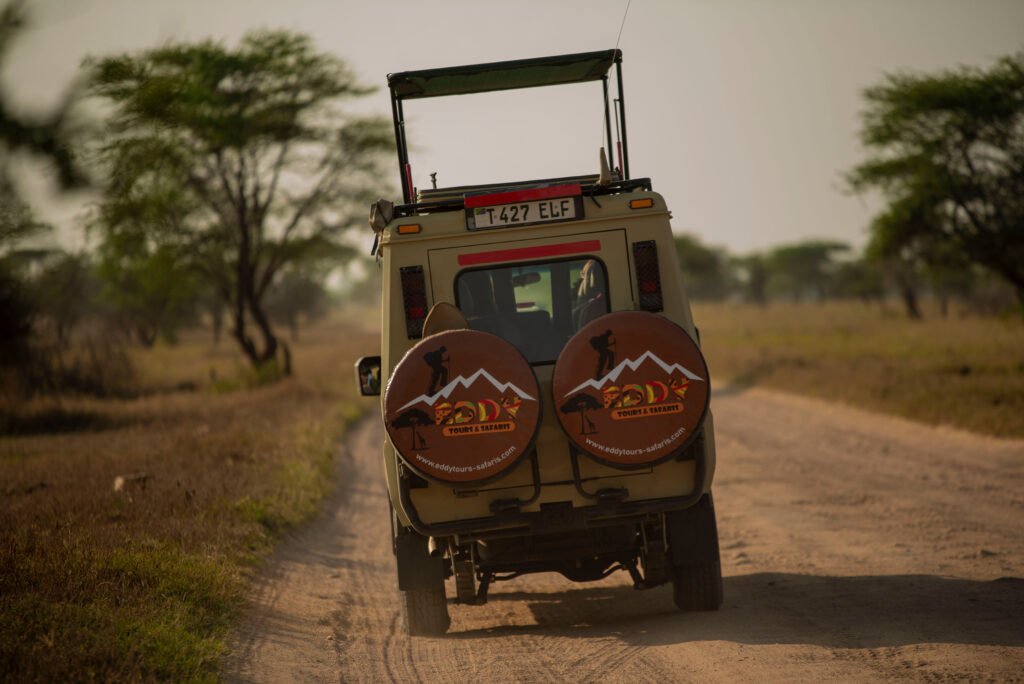
Regardless of season, the Best Time to Visit Serengeti National Park ultimately depends on what kind of safari memories travelers want to create. Serengeti remains extraordinary because it offers powerful wildlife encounters throughout the year instead of limiting experiences to one short travel season. Every month brings different migration patterns, changing landscapes, predator activity, and photography conditions, ensuring that no two safaris feel exactly the same.
The ecosystem itself is also remarkably vast and ecologically important. Conservation organizations like UNESCO and WWF continue recognizing Serengeti as one of the planet’s most important wildlife regions because of its biodiversity and migration systems. Travelers visiting Serengeti are not simply taking a vacation; they are entering one of the world’s last truly wild ecosystems where ancient wildlife movements continue much as they have for thousands of years.
Another reason Serengeti remains so admired is the emotional impact of the safari experience itself. Watching elephants move silently across open plains at sunrise, hearing lions roar in the distance during the night, or witnessing thousands of wildebeests moving together across the horizon creates memories that feel deeply personal and unforgettable. Additional safari inspiration and seasonal planning guidance can also be explored through Google while comparing migration timing and accommodation options.
Book Your Serengeti Safari Adventure
If you are planning a Tanzania safari for 2026, 2027, or 2028, understanding the Best Time to Visit Serengeti National Park will help you create a journey that matches your wildlife interests, photography goals, travel budget, and overall safari expectations. Whether you dream of dramatic river crossings, peaceful green landscapes, predator action, or luxury safari experiences, Serengeti offers unforgettable moments during every season of the year.
You can start planning your adventure today through professional Serengeti safari experts who can help customize your itinerary based on migration patterns, accommodation preferences, and seasonal wildlife movements. Serengeti National Park continues inspiring travelers from around the world because every safari there feels connected to something truly timeless and extraordinary.