
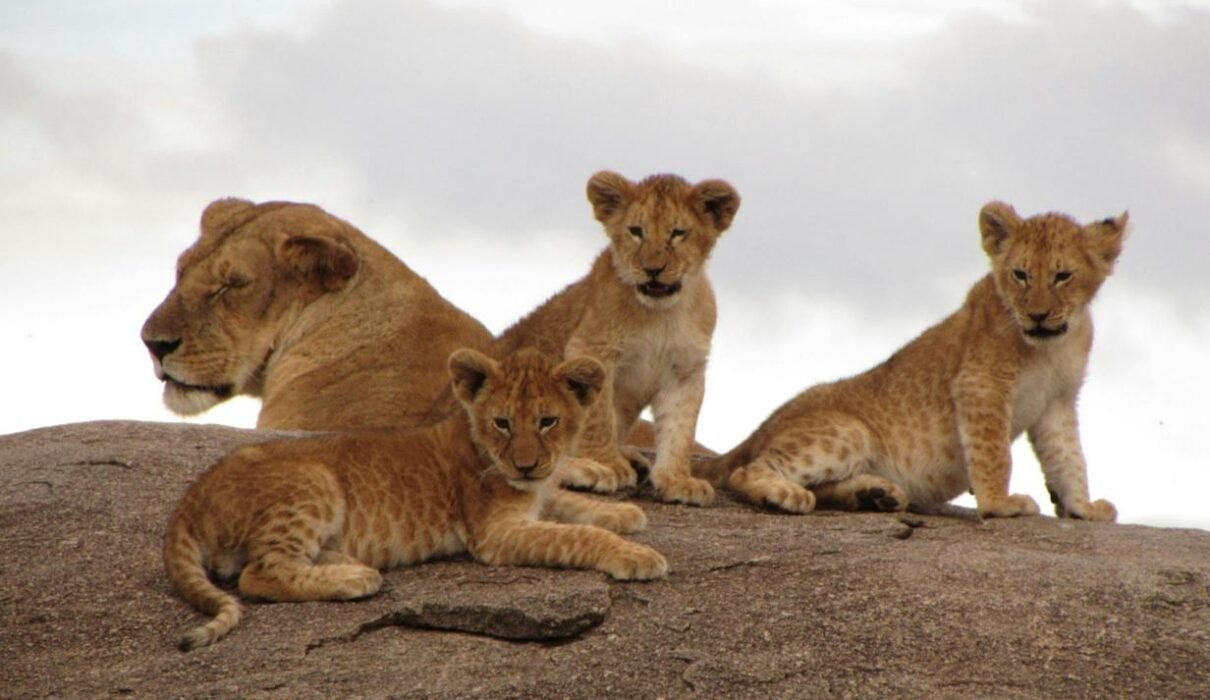
Guidelines for Carrying Government Trophies to Tanzania 2026, 2027 & 2028 are important for every traveler who plans to enter Tanzania with wildlife products, animal parts, hunting trophies, shells, skins, horns, feathers, teeth, bones, ivory items, or any souvenir that may be connected to wild animals. Tanzania protects wildlife very seriously, and visitors should understand the rules before travelling to avoid delays, confiscation, penalties, or legal problems at the airport or border entry point.
Tanzania is one of Africa’s leading wildlife destinations, famous for Serengeti National Park, Ngorongoro Crater, Tarangire National Park, Lake Manyara, Mount Kilimanjaro, and the Great Migration. Because wildlife is a national treasure, the country has strict laws on the possession, import, export, buying, selling, and movement of government trophies. Under Tanzanian wildlife law, possession or dealing in a government trophy without proper authority is unlawful, so travelers must be careful before carrying any wildlife-related item into or out of the country.
These Guidelines for Carrying Government Trophies to Tanzania 2026, 2027 & 2028 are written to help tourists, safari guests, climbers, photographers, volunteers, researchers, and business travelers understand what to consider before packing wildlife products in their luggage. The safest approach is simple: if you are not completely sure that the item is legal, documented, and permitted, do not carry it.
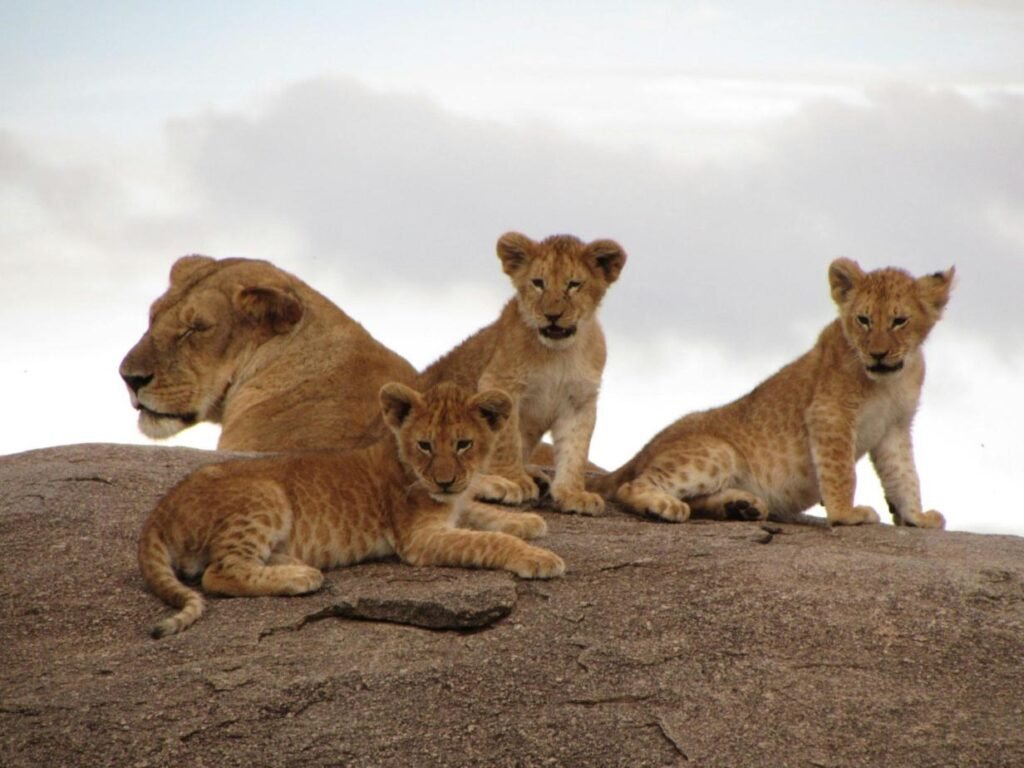
Guidelines for Carrying Government Trophies to Tanzania 2026, 2027 & 2028:What Are Government Trophies in Tanzania?
In Tanzania, a government trophy generally refers to wildlife, or any part or product of wildlife, that is protected under wildlife laws. This may include live animals, dead animals, skins, hides, horns, teeth, claws, bones, feathers, eggs, shells, ivory, tusks, skulls, trophies from hunting, and other wildlife products. Even small souvenirs can create problems if they are made from protected animals or animal parts.
Many tourists think a souvenir is harmless because it was bought legally in another country, at a market, or from a curio shop. However, when entering Tanzania, customs and wildlife authorities may still require proof that the item was legally acquired and properly permitted. That is why Guidelines for Carrying Government Trophies to Tanzania 2026, 2027 & 2028 should be taken seriously before travel.
Why These Guidelines for Carrying Government Trophies to Tanzania Matter
Tanzania has strong wildlife protection systems because illegal wildlife trade is a major threat to conservation. Wildlife products can be connected to poaching, illegal hunting, endangered species trade, and cross-border trafficking. For this reason, authorities may inspect luggage, ask questions, request documents, or confiscate items that appear to be government trophies.
Travelers should not assume that an item is allowed just because it is old, small, decorative, inherited, or purchased outside Tanzania. A bracelet, carved item, feather decoration, animal tooth necklace, shell product, leather item, horn product, or hunting trophy may still require official documents. These Guidelines for Carrying Government Trophies to Tanzania 2026, 2027 & 2028 are meant to help visitors avoid mistakes before they arrive.
Guidelines for Carrying Government Trophies to Tanzania 2026, :2027 & 2028Common Items That May Cause Problems
Some items may look like normal souvenirs but can still be treated as wildlife trophies. Travelers should be extra careful with the following items:
- Ivory products or items that look like ivory
- Animal skins, hides, rugs, or leather from wild animals
- Horns, antlers, tusks, claws, teeth, or bones
- Feathers, eggs, nests, or bird products
- Shells, coral, turtle products, or marine wildlife products
- Skulls, mounted heads, taxidermy, or hunting trophies
- Traditional medicine made from wildlife parts
- Jewelry or crafts made from animal parts
- Any souvenir connected to protected or endangered species
If an item falls into any of these categories, you should confirm the legal requirements before carrying it. The best advice for tourists is to avoid travelling with wildlife products unless all official permits are already prepared and verified.
Guidelines for Carrying Government Trophies to Tanzania 2026, 2027 & 2028Guidelines for Carrying Government Trophies to Tanzania 2026, 2027 & 2028:Do Tourists Need Permits?
Yes, in many cases tourists may need official permits to import, export, possess, or transport wildlife products. Tanzania’s wildlife laws treat unauthorized possession of government trophies seriously. If a traveler is carrying wildlife products without proper authorization, the item may be seized, and the traveler may face legal consequences.
For anyone carrying trophies or wildlife products from another country into Tanzania, an import permit from the relevant Tanzanian wildlife authority may be required. This process may take time and may not be convenient for tourists arriving for a short holiday. For this reason, many travelers are advised not to bring wildlife products into Tanzania unless it is absolutely necessary and fully documented.
Guidelines for Carrying Government Trophies to Tanzania Through Airports
Airports are one of the main places where wildlife products may be checked. Travelers arriving at Kilimanjaro International Airport, Julius Nyerere International Airport, Abeid Amani Karume International Airport, or other entry points may be questioned if customs officers notice wildlife-related items in luggage.
When following Guidelines for Carrying Government Trophies to Tanzania 2026, 2027 & 2028, travelers should prepare all documents before departure. These may include purchase receipts, export permits from the country of origin, import permits for Tanzania, CITES documents where applicable, and any official certificates proving lawful ownership. Without proper documentation, officers may treat the item as suspicious.
Guidelines for Carrying Government Trophies to Tanzania 2026, 2027 & 2028Important Documents Travelers May Need
The required documents can depend on the type of trophy, the species involved, the country of origin, the destination country, and whether the item is protected under international wildlife trade rules. Travelers may need one or more of the following:
- Official purchase receipt from a licensed dealer
- Export permit from the country where the item was purchased
- Import permit or authorization for Tanzania
- CITES permit for protected species where applicable
- Certificate of origin
- Hunting permit and trophy export documents for legal hunting trophies
- Airline approval for transport where required
- Customs declaration documents
Travelers should confirm requirements before travel because rules can change. For general research, travelers may use Google, but final guidance should always come from official authorities, licensed wildlife officers, customs offices, or qualified safari and hunting operators.
What If You Bought a Wildlife Souvenir in Another Country?
If you purchased a wildlife product in another country before travelling to Tanzania, do not assume it can pass through Tanzania without checks. Even if the item was legal where you bought it, Tanzania may still require import authorization. This can be inconvenient for tourists who are only entering Tanzania for safari, Kilimanjaro climbing, or a beach holiday.
In many cases, the safest option is to send wildlife-related souvenirs directly to your home country from the country of purchase instead of carrying them through Tanzania. This helps avoid airport delays, document issues, or misunderstanding with authorities. These Guidelines for Carrying Government Trophies to Tanzania 2026, 2027 & 2028 are especially useful for travelers visiting several African countries in one itinerary.
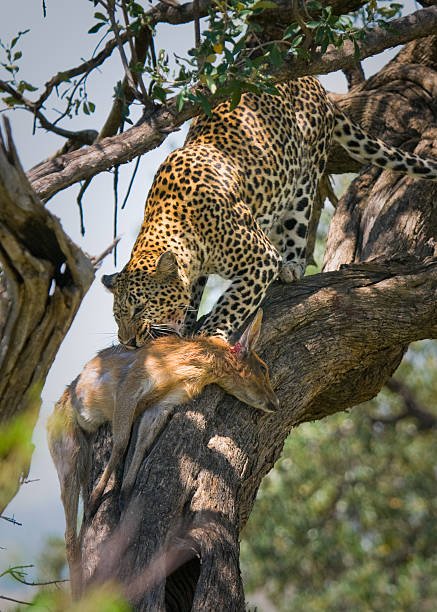
Guidelines for Carrying Government Trophies to Tanzania 2026, 2027 & 2028:Can You Carry Hunting Trophies to Tanzania?
Hunting trophies are a sensitive category and should only be handled with proper permits, licensed operators, and official documentation. Travelers involved in legal hunting must follow all Tanzanian laws, trophy registration requirements, export rules, customs clearance, and international wildlife trade requirements. Items from protected species may require additional permissions.
If a hunting trophy is being imported, exported, or transiting through Tanzania, the traveler should work with a licensed and experienced operator. Never carry a hunting trophy casually in personal luggage without official documents. The authorities may require evidence that the trophy was lawfully acquired, registered, and approved for transport.
Guidelines for Carrying Government Trophies to Tanzania for Safari Tourists
Most normal safari tourists do not need to carry any wildlife trophies. A safari holiday is mainly about viewing, photographing, and respecting wildlife in its natural habitat. Tourists should avoid collecting bones, feathers, eggshells, horns, shells, stones from protected areas, or any animal product found inside national parks or conservation areas.
Visitors should also avoid buying suspicious wildlife souvenirs from markets or roadside sellers. If the seller cannot provide proper documentation, do not buy the item. Responsible tourism means protecting wildlife, supporting legal businesses, and avoiding products that may encourage illegal wildlife trade.

Guidelines for Carrying Government Trophies to Tanzania for Kilimanjaro Climbers
Kilimanjaro climbers normally do not need to carry wildlife products. Most climbing equipment should be limited to personal gear, clothing, trekking equipment, medication, travel documents, and mountain essentials. If climbers are combining a Kilimanjaro expedition with safari or regional travel, they should avoid packing animal products or suspicious souvenirs.
Travelers planning to combine safari with mountain climbing can explore route planning through Kilimanjaro Climb Specialist. Climbers should still remember that wildlife-related items may be checked separately from normal trekking equipment.
What Happens If You Carry a Trophy Without Documents?
If you carry a government trophy without the required documents, several things may happen. The item may be confiscated, you may be questioned by customs or wildlife officers, your travel may be delayed, and in serious cases you may face fines, prosecution, or other legal action. Tanzania treats wildlife protection seriously, so travelers should never take risks with undocumented wildlife products.
Under Tanzanian wildlife law, unauthorized possession of a government trophy can be an offence. Because of this, Guidelines for Carrying Government Trophies to Tanzania 2026, 2027 & 2028 should be followed before you travel, not after you arrive at the airport.
How to Travel Safely Without Problems
The safest way to travel is to avoid carrying wildlife products entirely unless you have a strong reason and complete documentation. If you are unsure whether an item is allowed, leave it at home, ship it through proper legal channels, or ask official authorities before travelling.
- Do not carry ivory, horns, claws, teeth, feathers, skins, or bones without permits
- Do not buy wildlife souvenirs from unlicensed sellers
- Do not collect animal parts from parks or conservation areas
- Do not assume old or inherited items are exempt from rules
- Declare items honestly if required by customs
- Keep all permits and receipts in printed and digital form
- Ask your safari operator before travelling with unusual items
Responsible Tourism and Wildlife Protection
Responsible tourism is not only about enjoying beautiful landscapes and animals. It is also about protecting the wildlife that makes Tanzania special. Every visitor has a role to play by avoiding illegal products, respecting park rules, and choosing ethical travel experiences.
When visitors follow Guidelines for Carrying Government Trophies to Tanzania 2026, 2027 & 2028, they help support conservation and reduce demand for illegal wildlife products. This protects elephants, rhinos, lions, leopards, birds, reptiles, marine species, and many other animals for future generations.
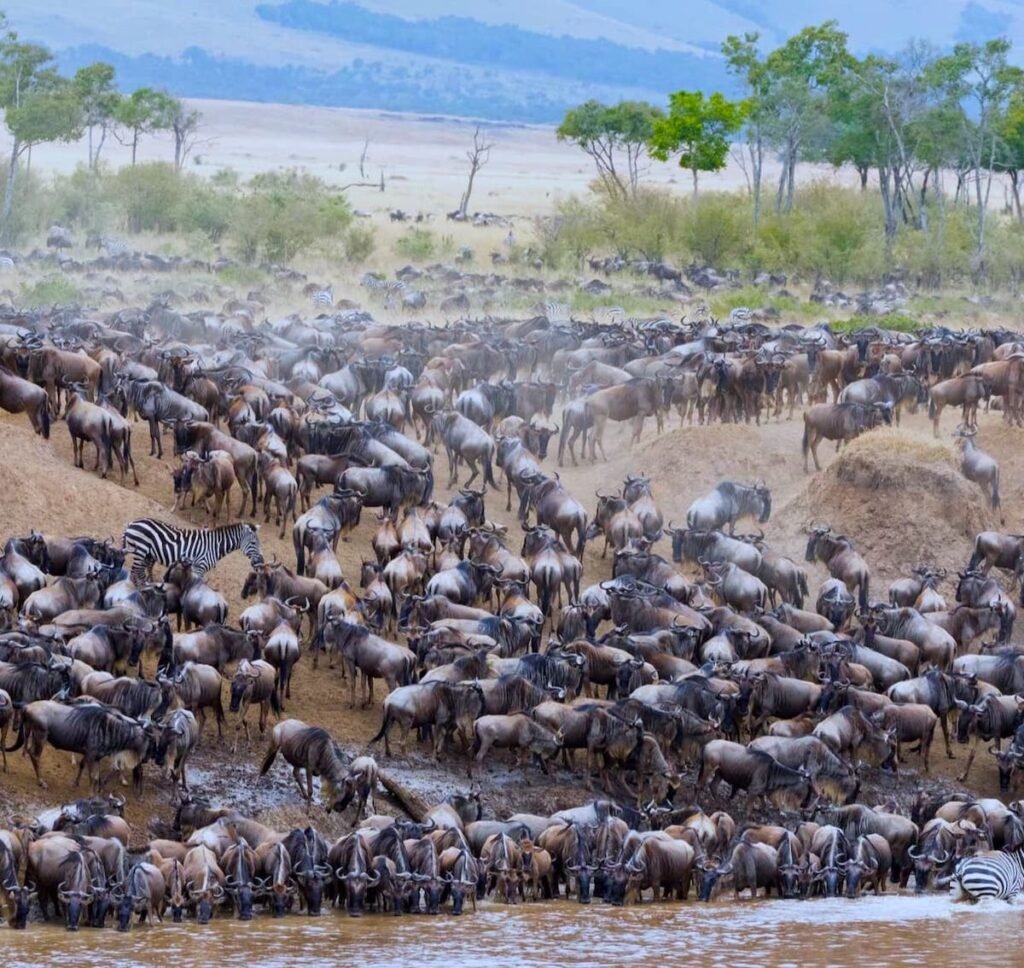
Plan Your Tanzania Safari with Proper Travel Advice
If you are planning a safari, it is better to travel with experienced local experts who understand Tanzania’s parks, routes, seasons, and visitor requirements. Through Eddy Tours and Safaris, travelers can request help with safari planning, itinerary design, destination advice, and practical travel guidance before arriving in Tanzania.
A good safari operator can help you understand what to pack, what to avoid, how to prepare for airport arrival, and how to enjoy Tanzania responsibly. However, for legal questions about government trophies, final confirmation should always come from official wildlife or customs authorities.
Frequently Asked Questions About Guidelines for Carrying Government Trophies to Tanzania
What is considered a government trophy in Tanzania?
A government trophy can include wildlife, animal parts, skins, horns, teeth, bones, feathers, eggs, ivory, shells, hunting trophies, and products made from wild animals. If you are unsure, treat the item as restricted and ask official authorities before travel.
Can tourists bring animal products into Tanzania?
Tourists should not bring animal products into Tanzania unless they have the correct import permits, export permits from the country of origin, receipts, and any required CITES documents. Without documents, the item may be confiscated.
Can I carry ivory jewelry into Tanzania?
Ivory is highly sensitive and strongly regulated. Travelers should avoid carrying ivory jewelry or ivory-like items unless they have official documents proving legality and permission for movement across borders.
Can I buy wildlife souvenirs in Tanzania?
Only buy souvenirs from legal and reputable sellers, and avoid items made from protected wildlife. If an item involves animal parts and has no clear documentation, it is safer not to buy it.
What should I do if I already have a wildlife trophy before travelling?
Before travelling, contact the relevant wildlife authority, customs office, airline, or licensed operator. Do not carry the item through Tanzania unless all documents are confirmed and valid.
Are these rules important for safari tourists only?
No. These rules can affect safari tourists, Kilimanjaro climbers, business travelers, researchers, volunteers, and anyone entering or leaving Tanzania with wildlife-related items.
Final Guidelines for Carrying Government Trophies to Tanzania 2026, 2027 & 2028
Guidelines for Carrying Government Trophies to Tanzania 2026, 2027 & 2028 should be followed carefully by every traveler. Tanzania’s wildlife is protected by law, and visitors should avoid carrying wildlife products unless they have proper permits and official documentation. When in doubt, do not pack the item.
The best safari memories should come from seeing animals alive in the wild, not from carrying risky wildlife products through airports and borders. Travel responsibly, respect conservation laws, ask for proper advice, and enjoy Tanzania’s incredible wildlife with confidence.