
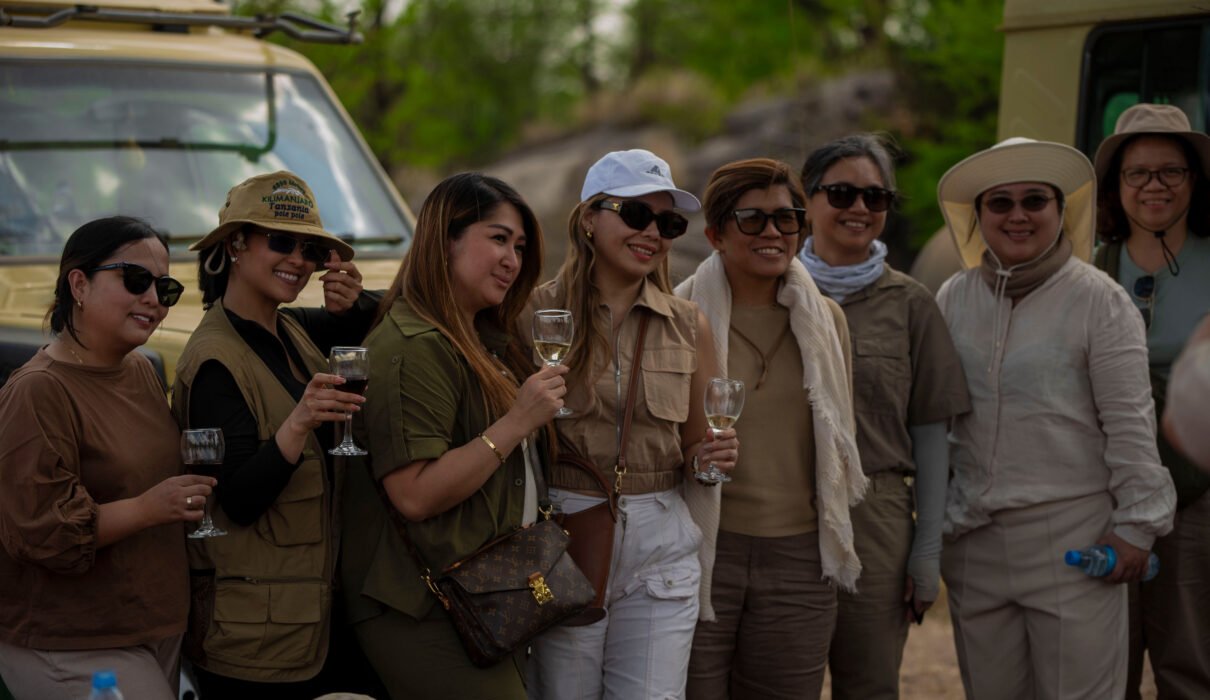
Where Should I Go on Safari in July 2026, 2027, and 2028? is one of the finest months to experience an African safari. Across East and Southern Africa, the dry season creates ideal wildlife-viewing conditions as animals gather around rivers, lakes, and waterholes. The cooler temperatures also make game drives more comfortable, while clear skies provide excellent opportunities for photography.
If you’re planning a safari in July 2026, 2027, or 2028, you’ll find exceptional experiences ranging from witnessing the Great Migration in Kenya and Tanzania to tracking mountain gorillas in Uganda or spotting elephants in Botswana. Since July falls within the peak safari season, booking accommodations and tours well in advance is highly recommended.
Why Choose July for an African Where Should I Go on Safari in 2026, 2027, and 2028?
July marks the heart of the dry season in many of Africa’s premier safari destinations. During this time:
- Wildlife is easier to spot because vegetation is thinner.
- Animals congregate around permanent water sources.
- Roads are generally dry and accessible.
- Mosquito populations tend to be lower in many safari regions.
- Temperatures are pleasant, especially in the mornings and evenings.
- Photography benefits from clear skies and soft golden light.
Whether you’re a first-time visitor or an experienced safari enthusiast, July offers some of the most rewarding wildlife encounters of the year.
Best Safari Destinations Where Should I Go on Safari in July 2026, 2027, and 2028?
1. Masai Mara National Reserve, Kenya
Best for: The Great Migration
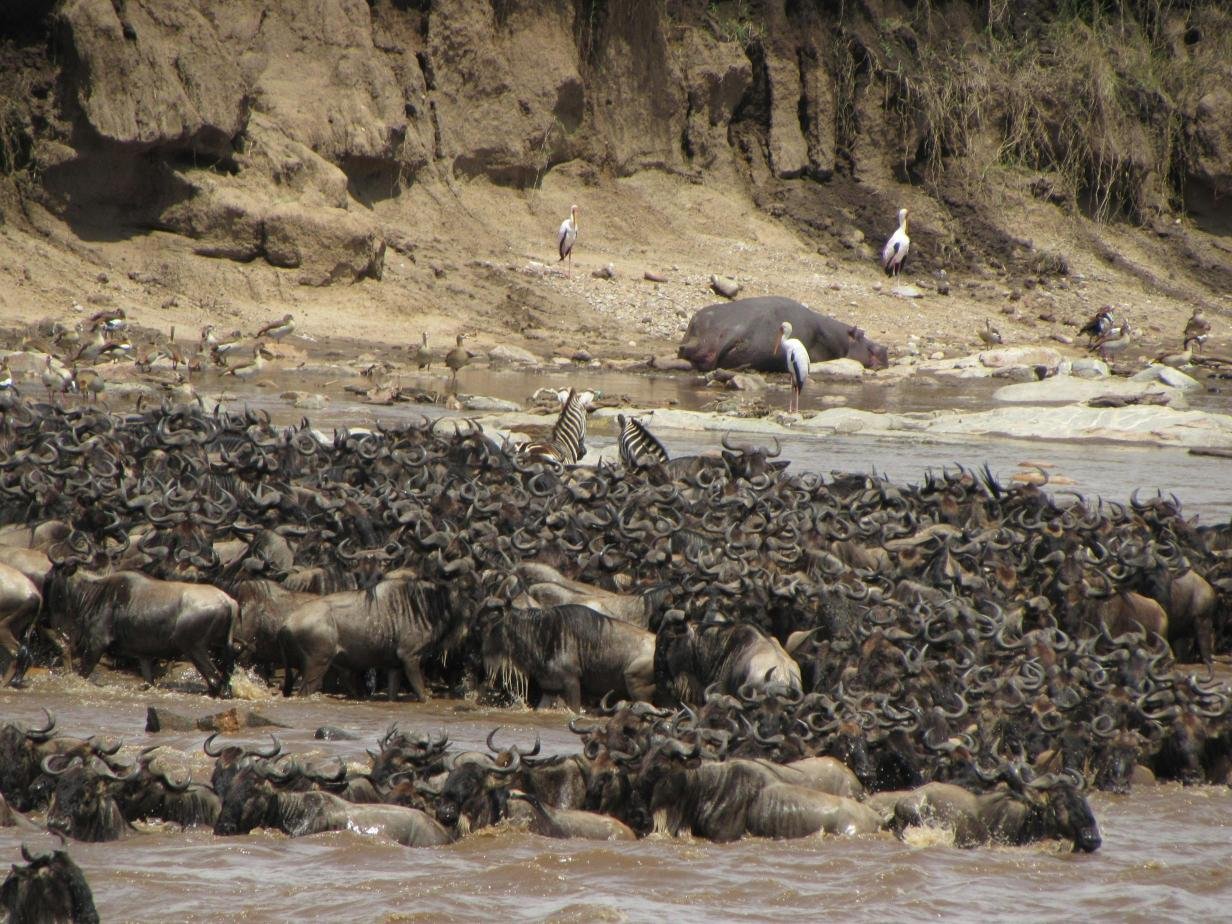
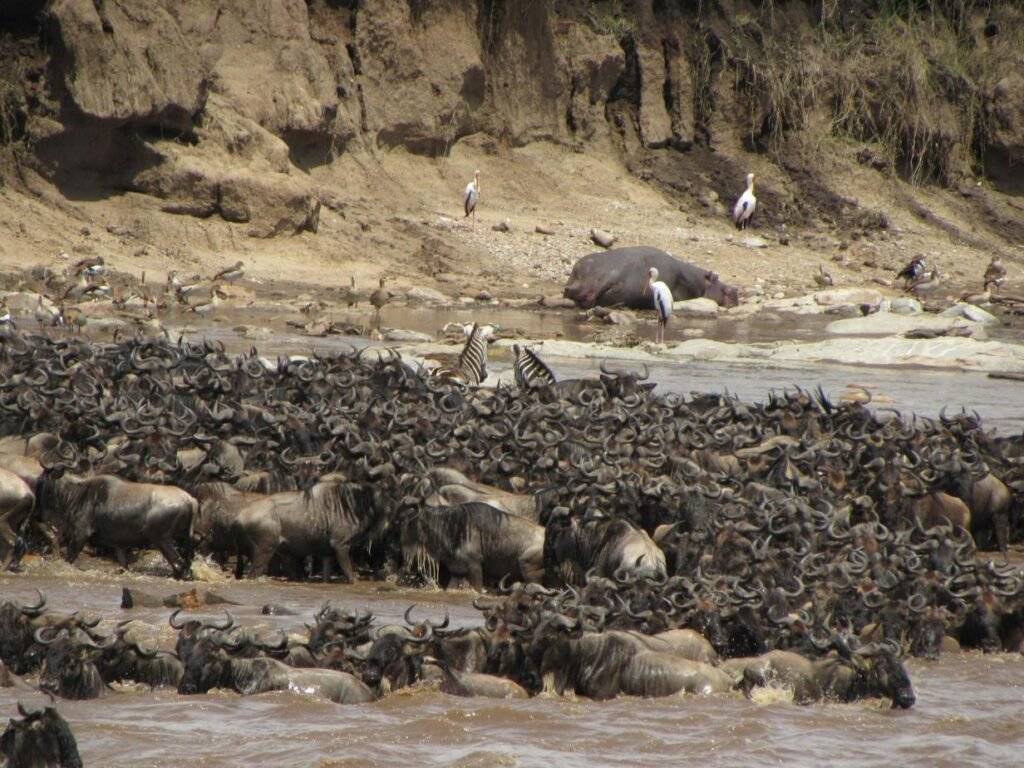
July marks the beginning of one of the world’s most spectacular wildlife events as vast herds of wildebeest and zebras arrive from Tanzania’s Serengeti. While the exact timing varies with rainfall each year, July is typically when migration activity intensifies.
Highlights include:
- Wildebeest migration
- Big Five sightings
- River crossings (later in July)
- Hot-air balloon safaris
- Excellent predator activity
Wildlife:
- Lions
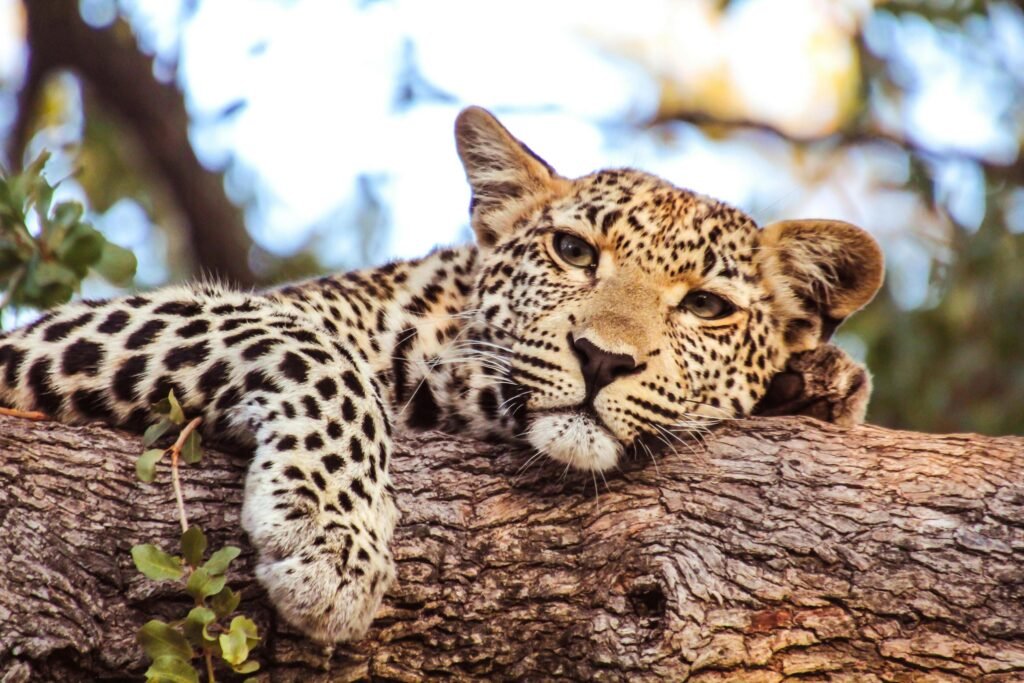
- Leopards
- Cheetahs
- Elephants
- Buffalo
- Rhinos
- Wildebeest
- Zebras
- Hyenas
Ideal stay: 4–6 days.
2. Serengeti National Park
Best for: Classic African safari
The Serengeti remains one of Africa’s greatest wildlife destinations throughout July. Depending on rainfall patterns, large herds occupy the northern Serengeti as they prepare to cross into Kenya.
Visitors can expect:
- Massive plains filled with wildlife
- Lion prides
- Leopard sightings
- Cheetah hunts
- Stunning landscapes
The northern Serengeti offers some of the best opportunities for witnessing dramatic river crossings.
Ideal stay: 5–7 days
3. Ngorongoro Conservation Area
Best for: Big Five in one day
The Ngorongoro Crater provides one of Africa’s highest wildlife densities.
In July:
- Dry conditions improve visibility.
- Wildlife remains concentrated.
- Temperatures are cool.
- Rhino sightings are among the best in East Africa.
Expect to see:
- Lions
- Black rhinos
- Buffalo
- Elephants
- Hippos
- Flamingos
Ideal stay: 2–3 days.
4. Tarangire National Park
Best for: Elephant lovers
July is one of Tarangire’s prime safari months.
Thousands of animals migrate toward the Tarangire River, creating spectacular game viewing.
Highlights include:
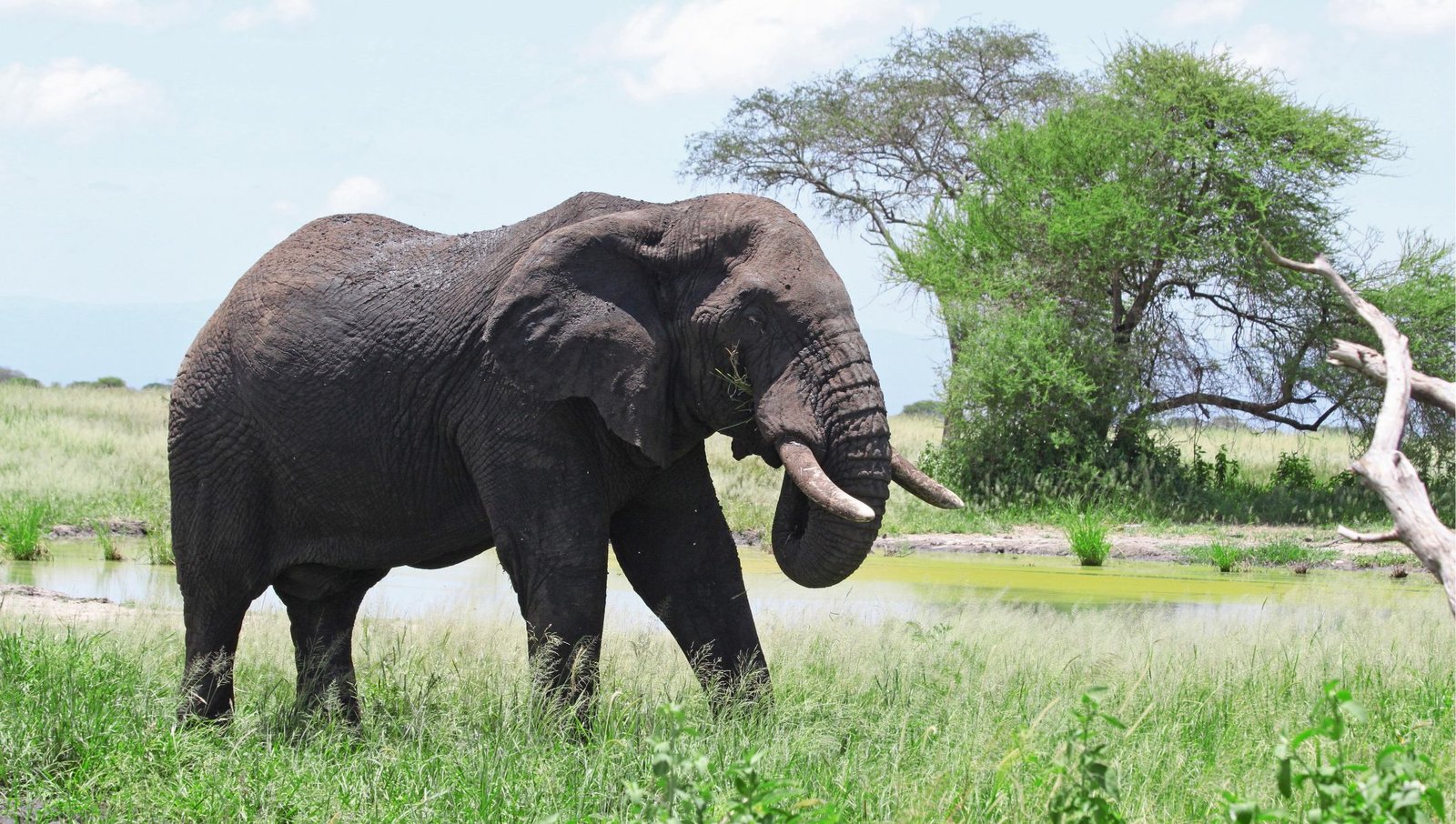
- Huge elephant herds
- Ancient baobab trees
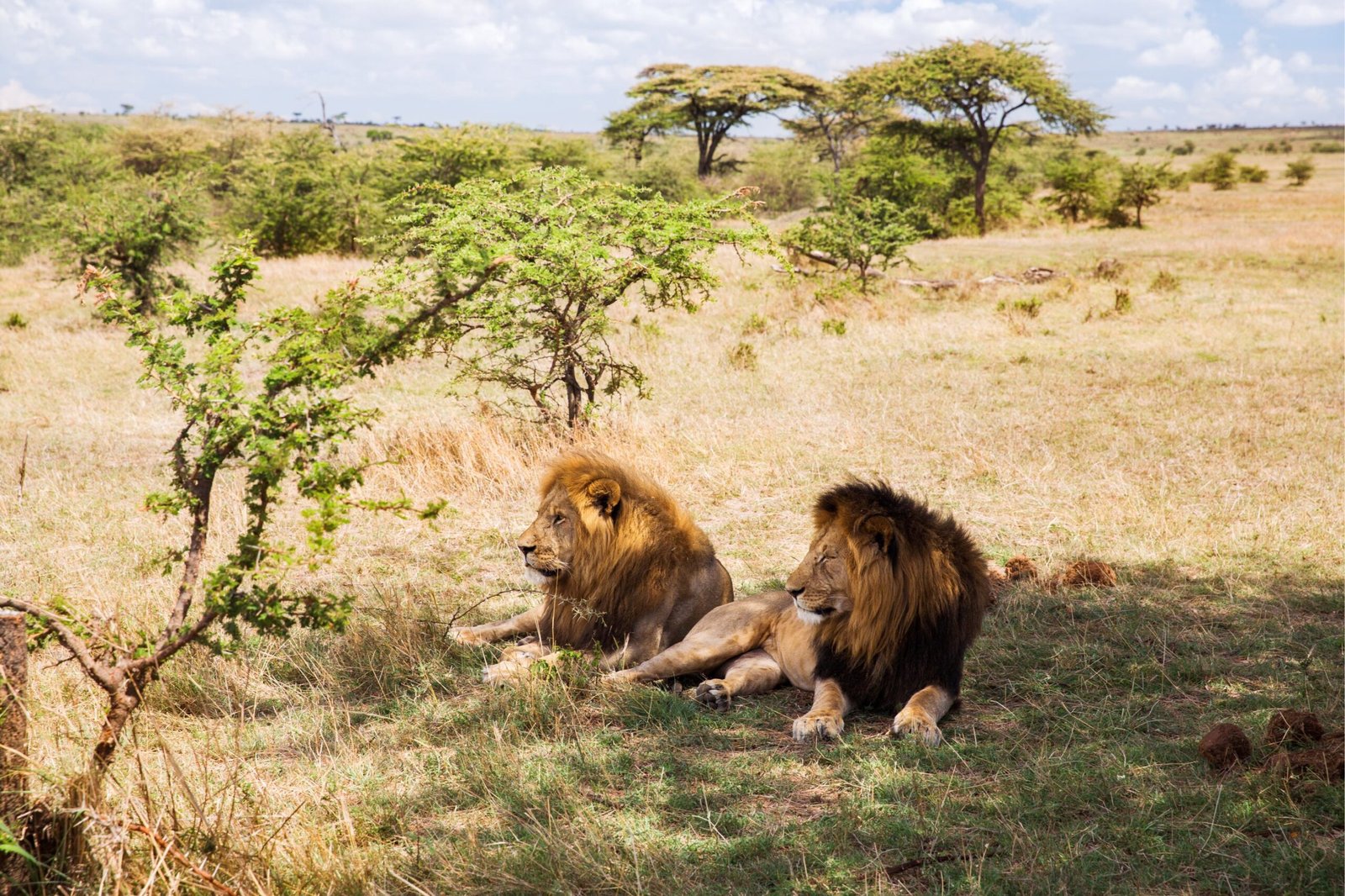
- Lions
- Leopards
- Giraffes
- Zebras
- Hundreds of bird species
Ideal stay: 2–4 days.
5. Ruaha National Park
Best for: Remote wilderness
Ruaha is less crowded than many East African parks while offering exceptional wildlife.
July features:
- Excellent predator sightings
- Large elephant populations
- Wild dogs
- Lions
- Leopards
- Buffalo
- Kudus
Ideal stay: 4–5 days.
6. Nyerere National Park
Best for: Boat safaris
Formerly part of the Selous Game Reserve, Nyerere combines traditional game drives with boat safaris along the Rufiji River.
Wildlife includes:
- Crocodiles
- Hippos
- Elephants
- Wild dogs
- Lions
- Buffalo
Ideal stay: 3–5 days.
7. Amboseli National Park
Best for: Elephants and Mount Kilimanjaro views
July offers clear skies, increasing the chances of seeing snow-capped Mount Kilimanjaro as a backdrop to elephant herds.
Highlights:
- Giant tuskers
- Lions
- Cheetahs
- Hyenas
- Hundreds of bird species
Ideal stay: 3 days.
8. Samburu National Reserve
Best for: Rare northern species
Samburu is famous for unique wildlife not commonly found in southern Kenya.
Look for:
- Grevy’s zebras
- Reticulated giraffes
- Somali ostriches
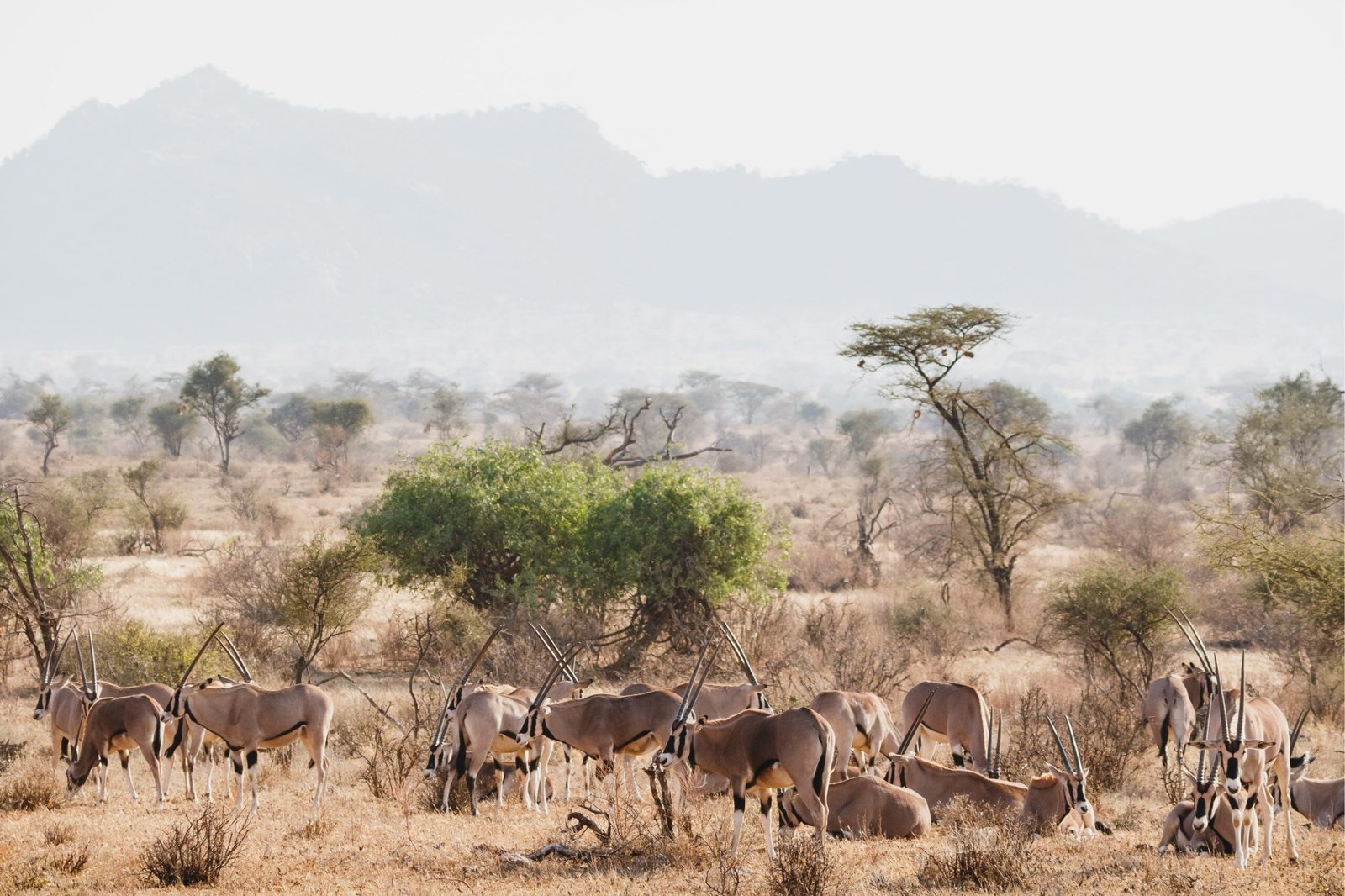
- Beisa oryx
- Lions
- Leopards
Ideal stay: 3–4 days.
9. Bwindi Impenetrable National Park
Best for: Gorilla trekking
July is among the best months for trekking because trails are generally drier.
The unforgettable experience of observing mountain gorillas in their natural habitat is often considered a once in a lifetime adventure.
Other wildlife includes:
- Forest elephants
- Monkeys
- Birds
- Butterflies
Ideal stay: 3–4 days.
10. Volcanoes National Park
Best for: Luxury gorilla trekking
Rwanda combines excellent infrastructure with world-class conservation.
July’s dry conditions improve hiking experiences.
Expect:
- Mountain gorillas
- Golden monkeys
- Beautiful volcanic scenery
Ideal stay: 2–3 days.
11. Chobe National Park
Best for: Elephants
Chobe boasts one of Africa’s largest elephant populations.
July offers:
- Massive elephant herds
- Boat safaris
- Lions
- Buffalo
- Hippos
- Crocodiles
Ideal stay: 3–5 days.
12. Okavango Delta
Best for: Luxury safari
July coincides with seasonal floodwaters reaching the delta.
Activities include:
- Mokoro canoe trips
- Walking safaris
- Game drives
- Birdwatching
Wildlife includes:
- Elephants
- Leopards
- Wild dogs
- Lions
- Hippos
Ideal stay: 4–6 days.
13. Etosha National Park
Best for: Waterhole wildlife viewing
July is peak dry season.
Animals gather at waterholes, making sightings remarkably consistent.
Expect:
- Black rhinos
- Lions
- Elephants
- Giraffes
- Springbok
- Hyenas
Ideal stay: 3–5 days.
14. Kruger National Park
Best for: First-time safari
Kruger offers excellent infrastructure, diverse accommodation, and abundant wildlife.
July conditions include:
- Cool mornings
- Sunny afternoons
- Excellent visibility
- Big Five sightings
Ideal stay: 4–7 days.
15. South Luangwa National Park
Best for: Walking safaris
July is one of the park’s finest months.
Highlights include:
- Walking safaris
- Leopards
- Lions
- Thornicroft’s giraffes
- Hippos
Ideal stay: 4–5 days.
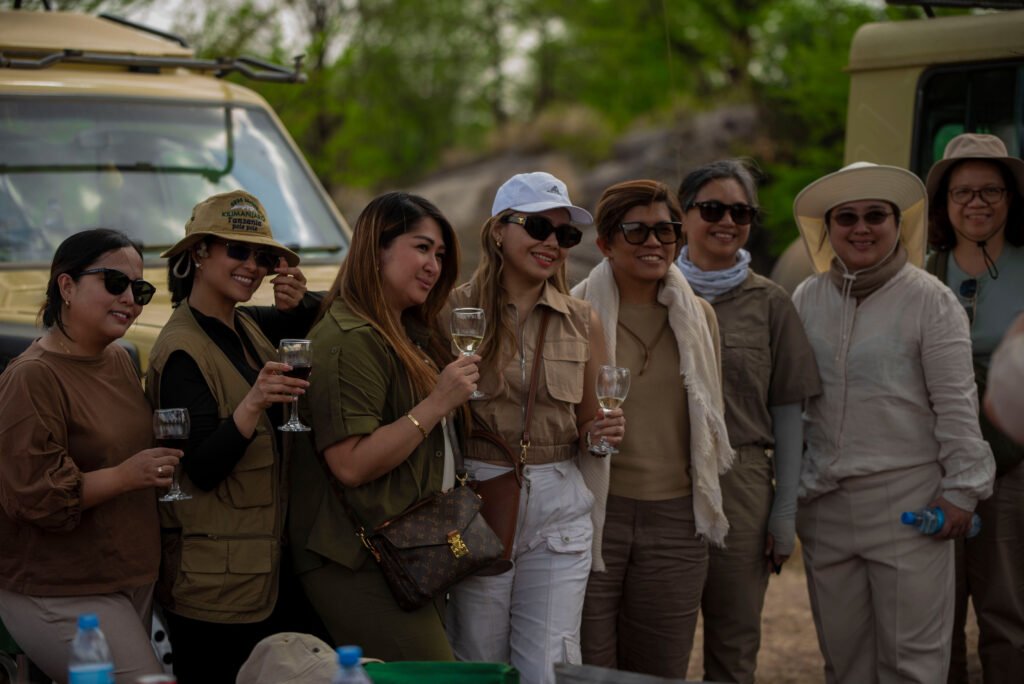
Where Should I Go on Safari in July 2026, 2027, and 2028?:Best Safari for Different Travelers
Best Safari for Different Travelers
Best Safari for Different Travelers
Best Safari for Different Travelers
| Traveler | Recommended Destination |
|---|---|
| First-time visitors | Kruger, Serengeti, Masai Mara |
| Families | Tarangire, Amboseli, Chobe |
| Couples | Okavango Delta, Serengeti |
| Photographers | Masai Mara, Serengeti, Etosha |
| Luxury travelers | Okavango Delta, Rwanda, Northern Serengeti |
| Budget travelers | Tarangire, Amboseli, Kruger |
| Adventure seekers | Ruaha, South Luangwa, Bwindi |
Wildlife You Can Expect :Where Should I Go on Safari in July 2026, 2027, and 2028?
Depending on the destination, you may encounter:
- Lions
- Leopards
- Elephants
- Rhinos
- Buffalo
- Cheetahs
- Wild dogs
- Giraffes
- Zebras
- Wildebeest
- Hippos
- Crocodiles
- Hyenas
- Hundreds of bird species
How Far in Advance Should You Book?
Since July is one of Africa’s busiest safari months:
- Luxury lodges: Book 12–18 months ahead.
- Mid-range safaris: Book 8–12 months ahead.
- Budget safaris: Book at least 6 months ahead.
- Gorilla trekking permits: Reserve as early as possible due to limited daily permits.
Where Should I Go on Safari in July 2026, 2027, and 2028?: What to Pack
Essential items include:
- Neutral-colored clothing
- Lightweight layers
- Warm jacket for early mornings
- Comfortable walking shoes
- Wide-brimmed hat
- Sunglasses
- Sunscreen
- Insect repellent
- Camera with extra batteries
- Binoculars
- Reusable water bottle
- Personal medications
Where Should I Go on Safari in July 2026, 2027, and 2028?: Estimated Safari Costs
| Safari Style | Average Cost (per person per day) |
|---|---|
| Budget | US$200–400 |
| Mid-range | US$400–800 |
| Luxury | US$800–1,800+ |
| Ultra-luxury | US$2,000–5,000+ |
Costs typically include accommodation, meals, game drives, and park fees, though international flights are often separate.
Are 2026, 2027, and 2028 Good Years for a July Safari?
Yes. Wildlife movements such as the Great Migration follow seasonal rainfall patterns rather than calendar years, so July consistently ranks among the best safari months. While the exact timing of migration river crossings can vary slightly from year to year depending on rainfall, the overall safari experience remains exceptional across these years.
Where Should I Go on Safari in July 2026, 2027, and 2028?: Final Thoughts
Where Should I Go on Safari in July 2026, 2027, and 2028?, there is no shortage of extraordinary destinations. If witnessing the Great Migration is your dream, the Masai Mara and the Serengeti are hard to beat. For unforgettable elephant encounters, Chobe, Tarangire, and Amboseli are outstanding choices. If you’re seeking a more exclusive wilderness experience, the Okavango Delta, Ruaha, and South Luangwa offer remarkable wildlife with fewer crowds. Meanwhile, Bwindi Impenetrable National Park and Volcanoes National Park provide the rare opportunity to observe mountain gorillas in their natural habitat.
Ultimately, the best safari destination depends on your interests, budget, and preferred style of travel. Regardless of which park you choose, July offers some of the most reliable wildlife viewing, pleasant weather, and memorable safari experiences anywhere in Africa.