
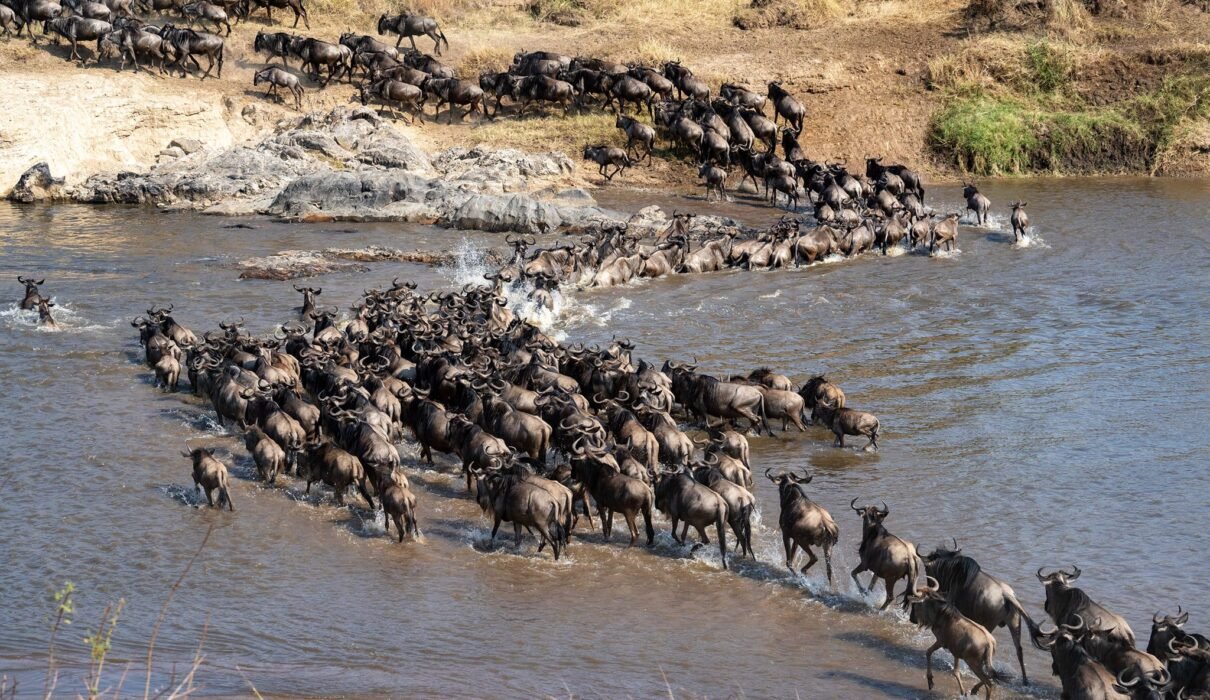
The Sincere Guide to Safari Scheduling: Is the Best Time to Go During Peak Season? is unlike planning any other vacation. It is an adventure that brings you face-to-face with nature in its purest form, where every sunrise promises a new discovery and every sunset tells a story. However, one question often leaves travelers uncertain: Is the best time to go on safari during peak season?
The answer isn’t as straightforward as many travel brochures suggest. While peak season offers exceptional wildlife viewing and pleasant weather, it also comes with larger crowds, higher prices, and increased competition for accommodations. On the other hand, shoulder and low seasons provide their own unique advantages that many experienced safari enthusiasts actually prefer.
This guide explores the realities of safari scheduling with honesty and practical advice. Rather than promoting one season over another, we’ll examine what each period offers so you can choose the perfect time based on your travel goals, budget, and expectations.
The Sincere Guide to Safari Scheduling: IsUnderstanding Safari Seasons
Before deciding when to travel, it’s important to understand how safari seasons work. Unlike traditional holiday destinations where seasons revolve around temperature alone, African safaris are largely influenced by rainfall, wildlife movement, vegetation, and animal behavior.
Generally, safari destinations experience three travel seasons:
- Peak Season (High Season): Dry months with excellent wildlife visibility and maximum tourist activity.
- Shoulder Season: The transition between wet and dry periods, offering balanced conditions.
- Low Season (Green Season): Rainy months characterized by lush landscapes, fewer tourists, and lower travel costs.
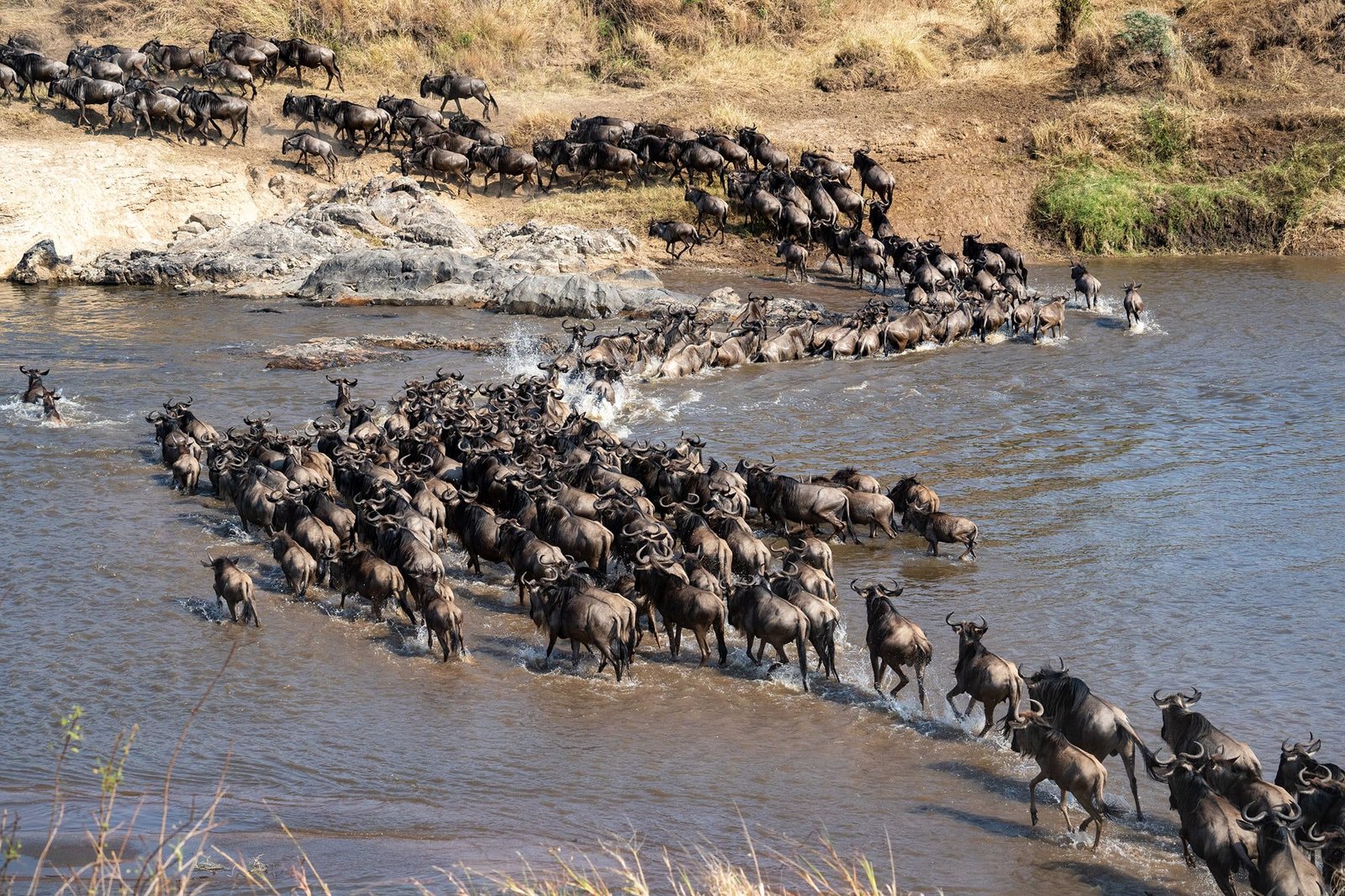
The exact timing varies by country. For example, Tanzania’s northern safari circuit experiences peak travel from June through October, while southern African destinations may follow slightly different seasonal patterns.
The Sincere Guide to Safari Scheduling: IsWhat Makes Peak Season So Popular?
Peak season has earned its reputation for good reason. During the dry months, nature changes in ways that make wildlife easier to find.
Water sources become scarce, causing animals to gather around rivers, lakes, and watering holes. Grass becomes shorter, making it easier to spot predators and herbivores alike. Roads are generally more accessible, and weather conditions remain favorable for long game drives.
Some of the biggest reasons travelers choose peak season include:
- Outstanding wildlife visibility
- Comfortable daytime temperatures
- Lower humidity
- Reduced mosquito populations
- Better road conditions
- Excellent photography opportunities
These advantages explain why first-time safari travelers often schedule their trips during these months.
The Sincere Guide to Safari Scheduling: IsThe Advantages of Peak Season
1. Exceptional Wildlife Viewing
If your primary goal is seeing as many animals as possible, peak season offers some of the best opportunities.
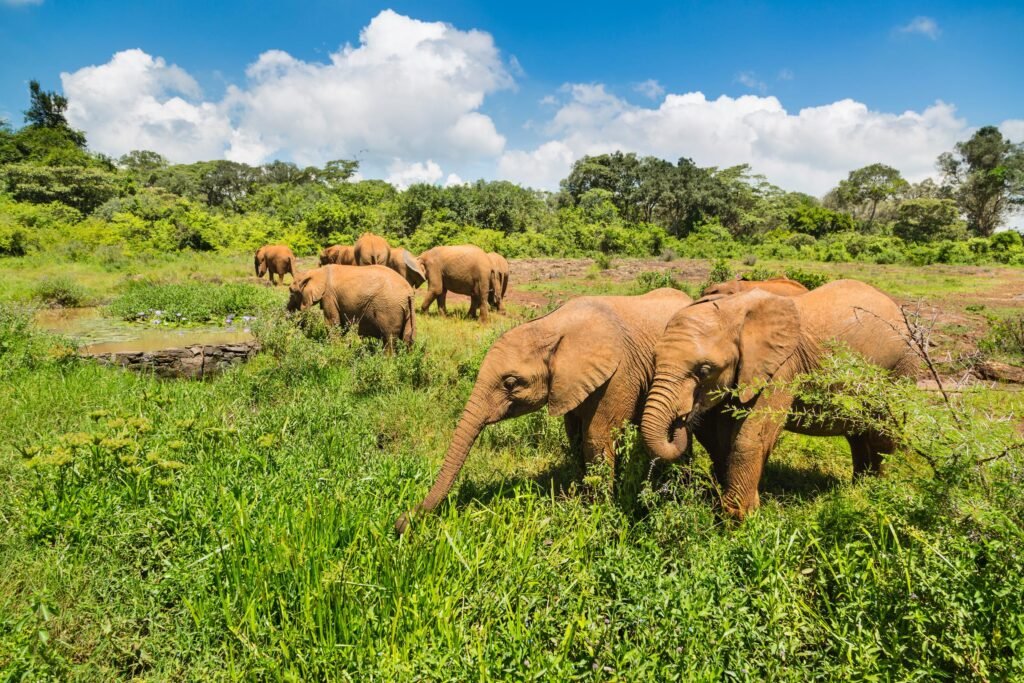
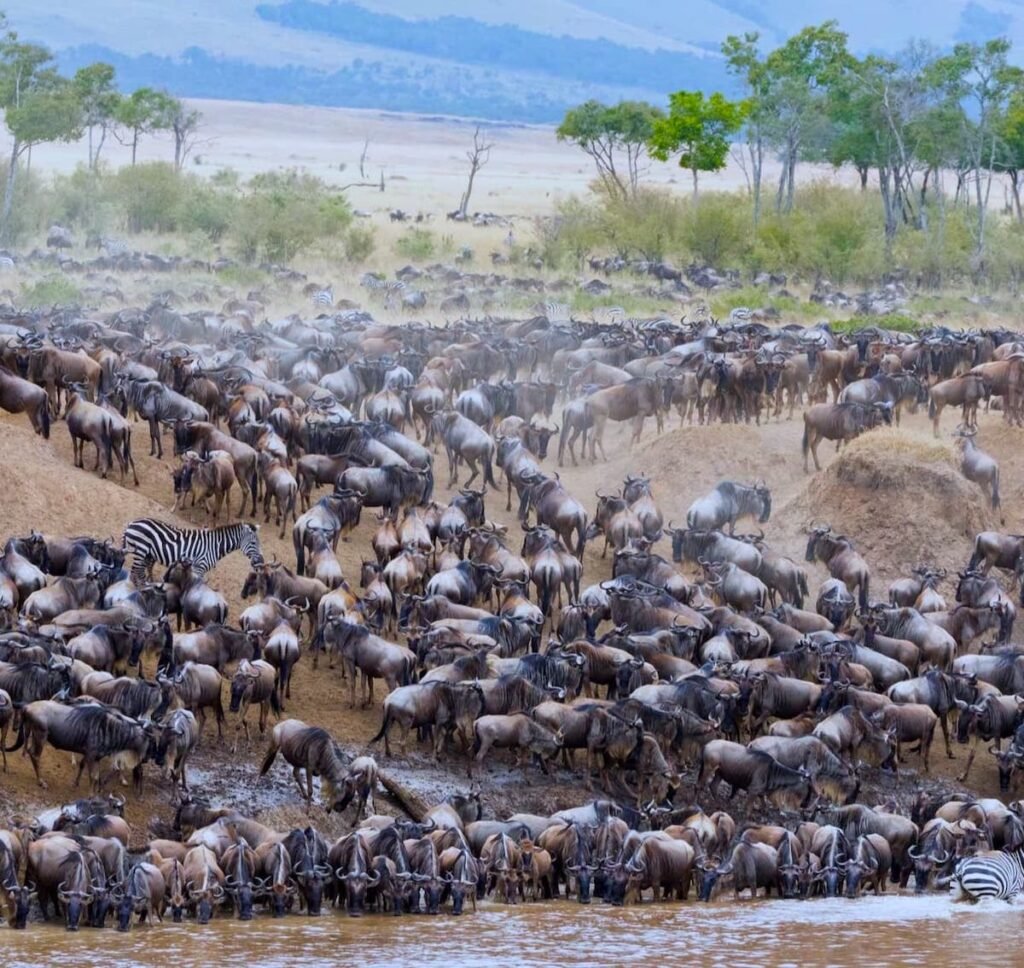
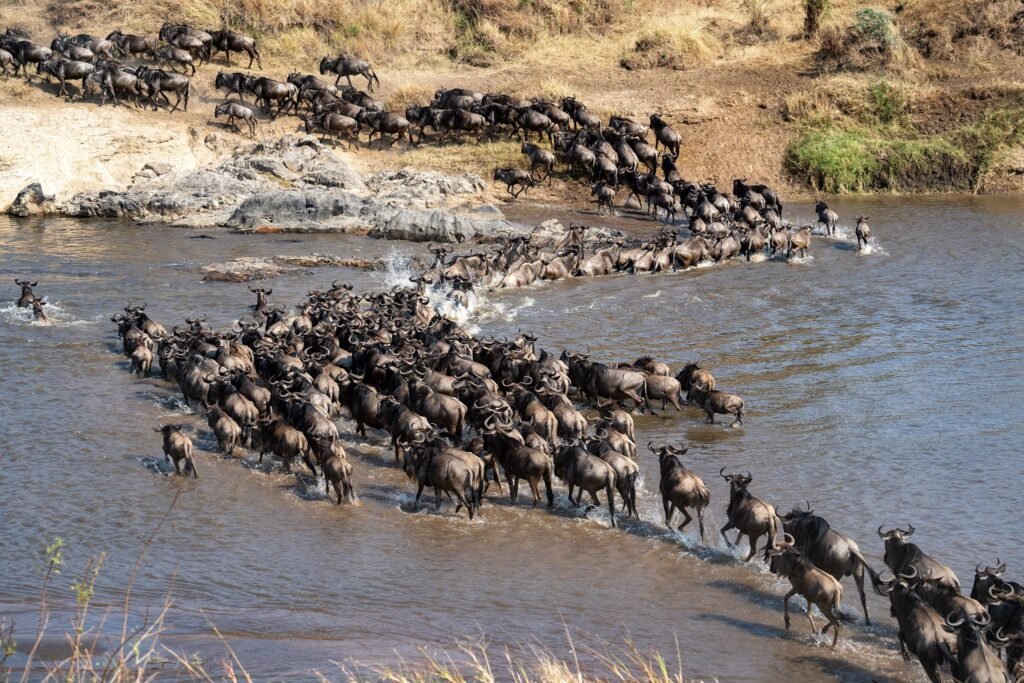
During dry periods, elephants, buffalo, zebras, giraffes, antelopes, and predators naturally gather near permanent water sources. Instead of searching across vast landscapes, guides know where wildlife is most likely to appear.
Lions are easier to locate because prey animals concentrate in predictable areas. Leopards often spend more time around riverbeds, while elephants travel in impressive herds between watering points.
For photographers, these predictable animal movements dramatically improve the chances of capturing memorable moments.
2. Better Weather
Peak season generally brings sunny skies and mild temperatures.
Morning game drives may begin with cool, refreshing air before warming into comfortable afternoons. Rain interruptions are uncommon, allowing visitors to spend more time outdoors without worrying about weather-related schedule changes.
This reliability makes trip planning significantly easier.
3. Cleaner Safari Roads
Heavy rainfall can transform dirt roads into muddy tracks that become difficult to navigate.
During the dry season:
- Vehicles travel more efficiently.
- Longer game drives become possible.
- Remote areas remain accessible.
- Delays caused by weather are less frequent.
This translates into more wildlife viewing and less time dealing with transportation challenges.
4. Prime Photography Conditions
Professional wildlife photographers often favor dry-season safaris because lighting conditions remain consistent.
Benefits include:
- Clear blue skies
- Minimal atmospheric haze
- Golden morning light
- Brilliant sunsets
- Dust-enhanced dramatic landscapes
Animals also spend more time in open spaces rather than hiding within dense vegetation.
The Sincere Guide to Safari Scheduling: IsThe Drawbacks of Peak Season
Despite its many strengths, peak season isn’t perfect.
Higher Prices
As demand rises, nearly every aspect of safari travel becomes more expensive.
This often includes:
- Luxury lodges
- Safari camps
- Domestic flights
- Park fees
- Guided tours
Travelers should expect premium pricing during school holidays and internationally popular travel months.
The Sincere Guide to Safari Scheduling: Is the Best Time to Go During Peak Season?:The Sincere Guide to Safari Scheduling: IsLarger Crowds
One common misconception is that Africa’s parks always feel empty.
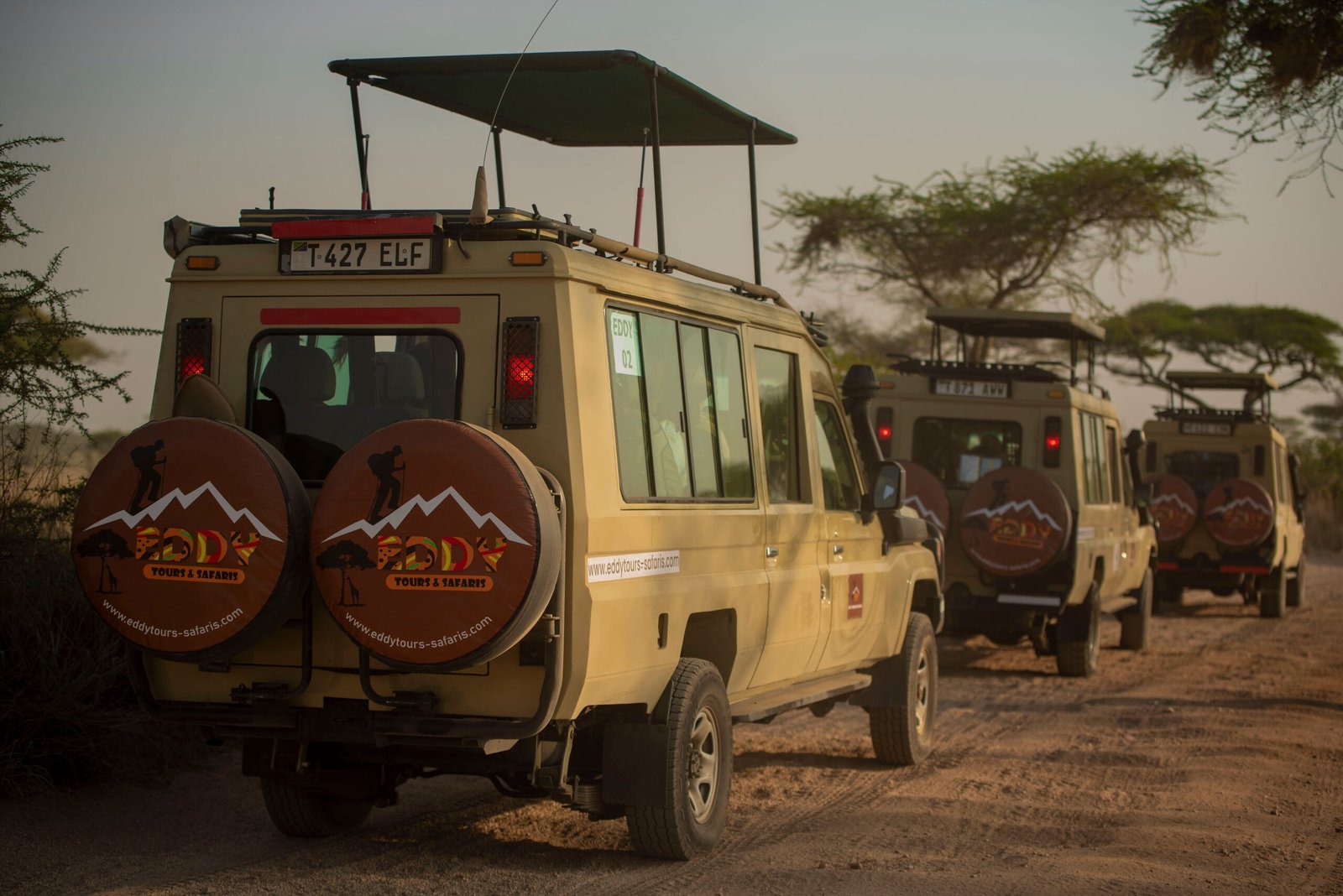
During peak months, popular wildlife sightings can attract multiple safari vehicles.
Imagine finally spotting a pride of lions only to find several vehicles already gathered around the scene. While experienced guides work to minimize crowding, famous parks naturally receive more visitors during peak travel periods.
The Sincere Guide to Safari Scheduling: Is the Best Time to Go During Peak Season?:Early Bookings Required
Some premium safari camps sell out nearly a year in advance.
Travelers hoping to stay in exclusive lodges often need to secure reservations months before departure.
This reduces flexibility for spontaneous travel.
The Sincere Guide to Safari Scheduling: Is the Best Time to Go During Peak Season?:Is Peak Season Always the Best Choice?
Not necessarily.
The ideal safari depends on your personal priorities.
If seeing the largest number of animals is your only objective, peak season performs exceptionally well.
However, many experienced safari travelers intentionally avoid it.
Why?
Because they value quieter parks, lower costs, greener scenery, and more intimate wildlife experiences.
The Sincere Guide to Safari Scheduling: Is the Best Time to Go During Peak Season?:The Hidden Beauty of Shoulder Season
Shoulder season deserves far more attention than it receives.
Positioned between wet and dry seasons, it combines many advantages from both.
Benefits include:
- Moderate pricing
- Fewer tourists
- Pleasant weather
- Green landscapes
- Good wildlife viewing
Photographers especially appreciate shoulder season because landscapes remain vibrant while wildlife is still relatively easy to locate.
Accommodation discounts also become more common.
The Sincere Guide to Safari Scheduling: Is the Best Time to Go During Peak Season?:Why the Green Season Is Underrated
Many travelers mistakenly believe rainy season equals poor safari conditions.
In reality, this period transforms Africa into a remarkably beautiful destination.
Fresh grass covers the plains.
Flowers bloom.
Birdlife explodes with color.
Newborn animals begin appearing across national parks.
For wildlife enthusiasts interested in natural behavior rather than simply checking species off a list, green season can be deeply rewarding.
The Sincere Guide to Safari Scheduling: Is the Best Time to Go During Peak Season?:Advantages of Low Season
Lower Costs
One of the biggest advantages is affordability.
Travelers frequently enjoy:
- Reduced accommodation rates
- Discounted safari packages
- Lower airfare
- Special promotions
Luxury experiences often become surprisingly accessible.
Fewer Vehicles
Instead of sharing wildlife sightings with many tourists, visitors often enjoy nearly private encounters.
This creates a calmer atmosphere and allows guides more flexibility when positioning vehicles.
Beautiful Landscapes
Rain transforms dry plains into lush ecosystems.
The scenery becomes dramatically different from the dusty images often associated with African safaris.
For landscape photography, green season is unmatched.
Incredible Bird Watching
Migratory birds arrive from around the world during rainy months.
Bird enthusiasts often consider this the finest season for avian diversity.
Challenges of Green Season
Rain inevitably brings some inconveniences.
Possible drawbacks include:
- Afternoon showers
- Muddy roads
- Thicker vegetation
- Wildlife spread over larger areas
- Occasional travel delays
These factors may reduce the number of animals seen during a single game drive.
Peak Season by Safari Goal
Rather than asking, “Is peak season the best time?” ask yourself, “What kind of safari do I want?”
For First-Time Visitors
Peak season provides reliable wildlife sightings and favorable weather.
For Wildlife Photographers
Peak season offers excellent visibility, though shoulder season provides greener backgrounds.
For Budget Travelers
Low season often delivers outstanding value.
For Honeymooners
Shoulder season balances romance, privacy, and comfortable conditions.
For Families
Dry season is generally easier for children because weather interruptions are less common.
Wildlife Highlights Throughout the Year
Different seasons showcase different wildlife experiences.
Dry Season
- Large elephant herds
- Concentrated predator activity
- Easier game viewing
- Dusty golden landscapes
Green Season
- Baby animals
- Colorful birdlife
- Dramatic skies
- Flourishing vegetation
Neither experience is inherently better they are simply different.
Booking Tips for Every Season
Regardless of when you travel:
- Reserve accommodations early if traveling during peak months.
- Pack clothing suitable for changing temperatures.
- Bring quality binoculars.
- Carry camera equipment with extra batteries.
- Purchase travel insurance.
- Consult vaccination and health recommendations before departure.
Flexibility with travel dates can also help you find better prices and availability.
Common Safari Myths
Myth 1: Peak Season Guarantees Every Animal
Wildlife is unpredictable. Even in the best months, nature never guarantees specific sightings.
Myth 2: Rain Ruins Safaris
Many rainy-season showers occur in the afternoon or overnight, leaving mornings clear for game drives.
Myth 3: Cheap Safaris Mean Poor Experiences
Lower prices during green season often reflect reduced demand rather than lower quality.
Myth 4: More Tourists Mean Better Sightings
While guides communicate with one another, quieter parks can offer more peaceful and rewarding wildlife encounters.
How to Choose the Right Time
Ask yourself these questions:
- Is wildlife viewing my highest priority?
- Am I traveling on a strict budget?
- Do I prefer solitude over popularity?
- Am I interested in photography?
- Can I tolerate occasional rain?
- How flexible are my travel dates?
Your answers will naturally point toward the most suitable season.
Final Verdict: Is Peak Season the Best Time to Go?
The Sincere Guide to Safari Scheduling: Is the Best Time to Go During Peak Season? is easier to locate, weather is generally excellent, and first-time visitors often leave with unforgettable memories.
However, calling it the best season for everyone would overlook the diversity of safari experiences available throughout the year. Shoulder season offers an appealing balance of value, scenery, and wildlife, while the green season rewards travelers with lush landscapes, newborn animals, exceptional birdwatching, and a more tranquil atmosphere.
The best safari is not determined solely by the calendar. It is shaped by your interests, expectations, and travel style. If your dream is to witness dramatic predator-prey interactions under clear skies, peak season may be ideal. If you seek peaceful game drives, vibrant scenery, and better value, another season may suit you even better.
The Sincere Guide to Safari Scheduling: Is the Best Time to Go During Peak Season? is captivating in every season. Each time of year reveals a different side of its beauty, reminding us that nature doesn’t follow a single schedule it offers extraordinary experiences year-round. By understanding the strengths and trade-offs of each season, you can plan a safari that aligns perfectly with your vision and create memories that last a lifetime.