
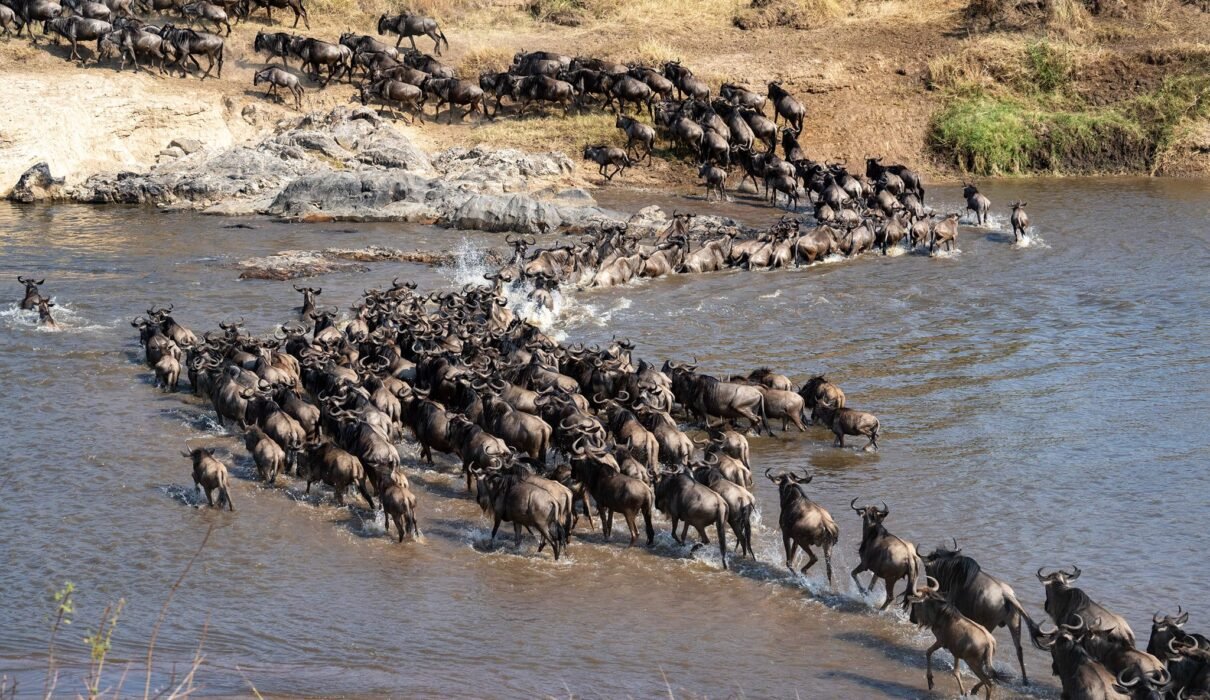
What Makes Serengeti National Park Stand Out Among Africa’s National Parks, one destination consistently rises above the rest Serengeti National Park. Located in northern Tanzania, this world-famous conservation area is more than just a tourist attraction; it is one of the last great natural ecosystems on Earth. Every year, millions of travelers, wildlife photographers, conservationists, and adventure seekers visit the Serengeti to witness extraordinary wildlife, stunning landscapes, and one of nature’s most remarkable spectacles: the Great Migration.
Africa is home to hundreds of spectacular national parks, from South Africa’s Kruger National Park to Kenya’s Maasai Mara National Reserve, Botswana’s Chobe National Park, and Namibia’s Etosha National Park. Each offers something unique. However, Serengeti National Park possesses a combination of features that few places in the world can match.
Its vast open plains, exceptional biodiversity, rich cultural heritage, successful conservation efforts, and unforgettable safari experiences make it one of Africa’s greatest treasures. Whether you are a first-time visitor or an experienced traveler, the Serengeti offers an experience that remains unforgettable long after your journey ends.
This article explores what truly makes Serengeti National Park stand out among Africa’s many incredible national parks.
1. Home to the Greatest Wildlife Migration on Earth
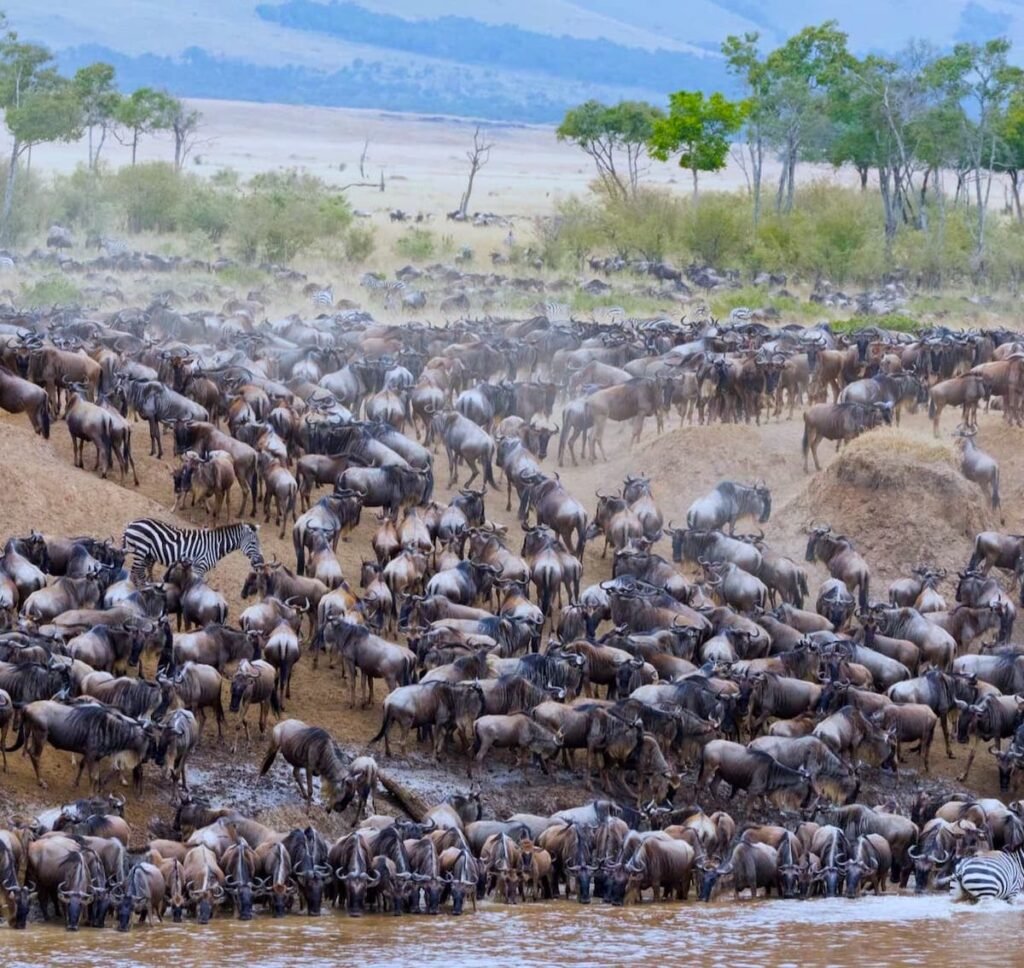
The defining feature of Serengeti National Park is the Great Migration, often described as the greatest wildlife spectacle on the planet.
Every year, approximately two million wildebeest, accompanied by hundreds of thousands of zebras and gazelles, travel across the Serengeti ecosystem in search of fresh grazing land and water. This continuous movement covers nearly 1,000 kilometers and follows seasonal rainfall patterns.
The migration is not simply a journey it is a dramatic struggle for survival. Along the way, the animals face numerous challenges, including:
- Crocodile-infested rivers
- Predators such as lions, cheetahs, leopards, and hyenas
- Harsh weather conditions
- Long distances without sufficient water
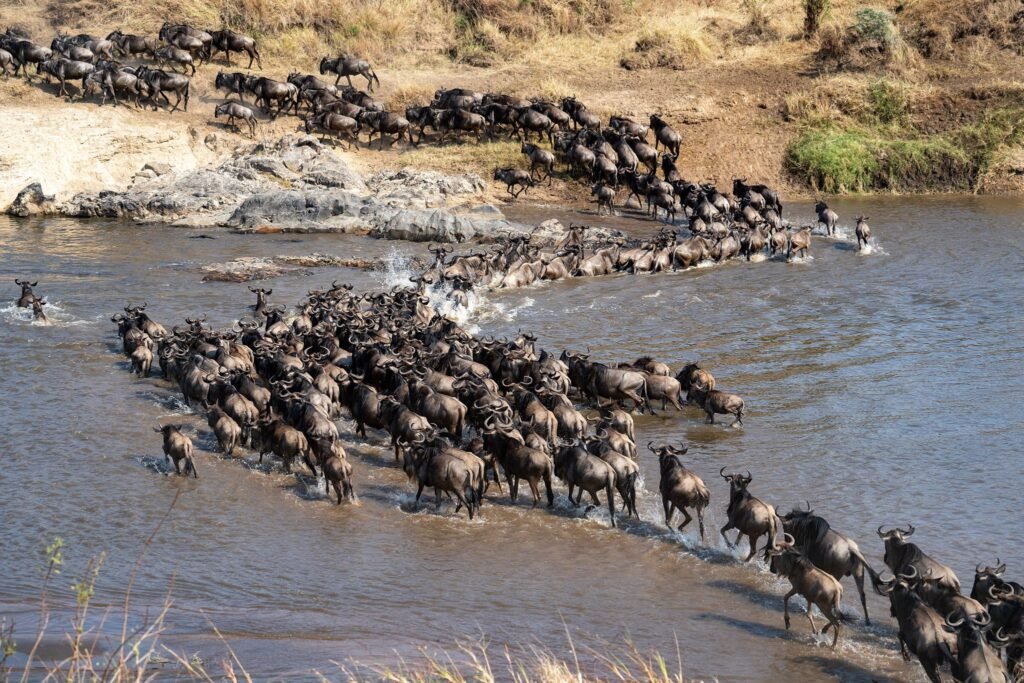
One of the most thrilling moments occurs when massive herds cross the Mara River. Thousands of wildebeest plunge into the water while enormous crocodiles wait beneath the surface. It is one of nature’s most dramatic displays and attracts photographers and filmmakers from around the world.
No other African national park hosts wildlife movement on this incredible scale.
2. Incredible Wildlife Diversity of What Makes Serengeti National Park Stand Out Among Africa’s National Parks in 2026,2027&2028
Serengeti National Park is among Africa’s richest wildlife habitats.
The park supports more than:
- 70 large mammal species
- 500 bird species
- Thousands of plant species
- Countless reptiles and insects
Visitors commonly encounter:
- African elephants
- Lions
- Leopards
- Cheetahs
- African buffaloes
- Black rhinos
- Giraffes
- Hippos
- Crocodiles
- Spotted hyenas
- Jackals
- Wildebeest
- Zebras
- Topis
- Impalas
- Grant’s gazelles
- Thomson’s gazelles
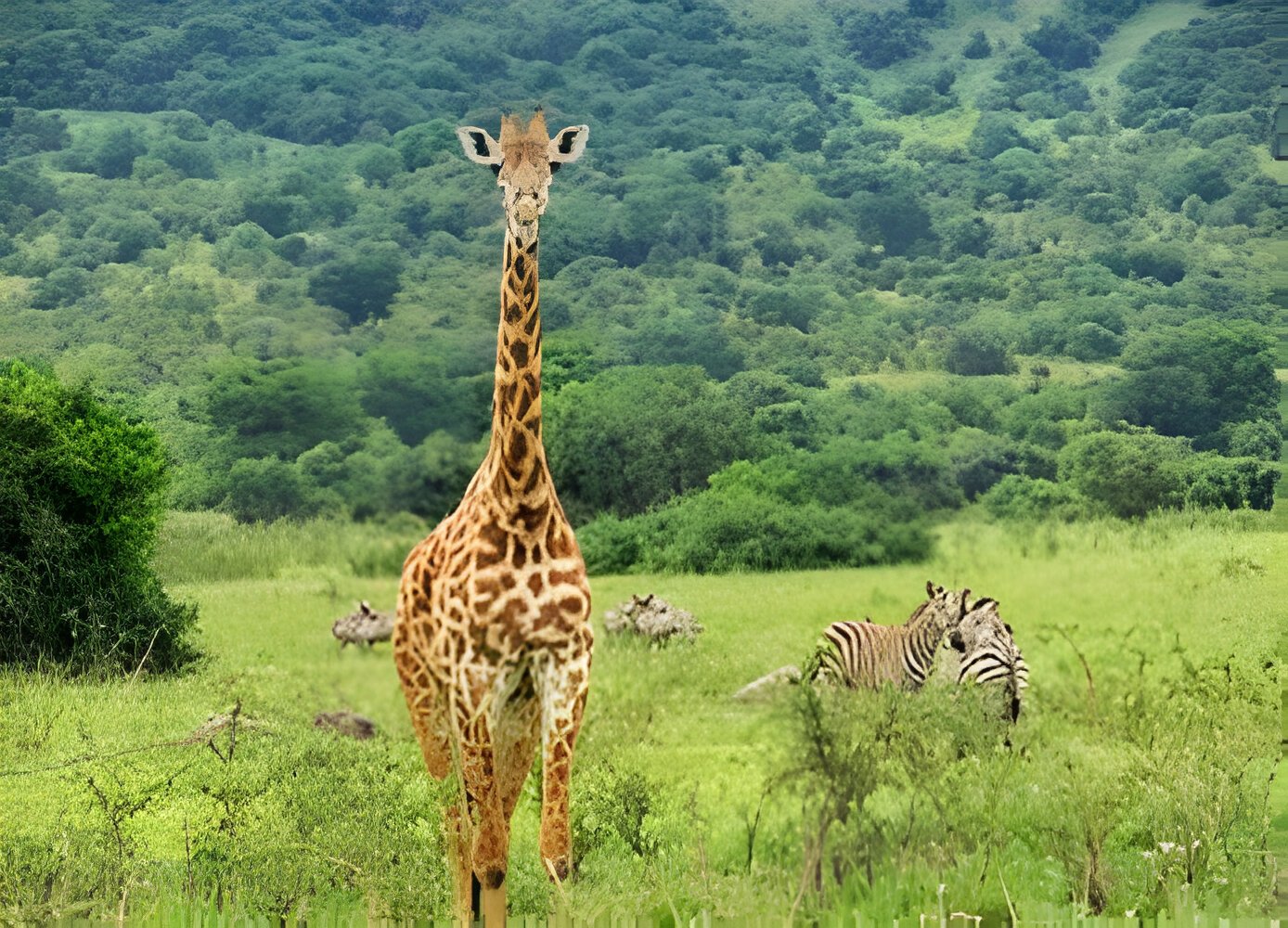
The abundance of wildlife means that nearly every game drive offers memorable encounters.
3. One of the Best Places to See the Big Five:What Makes Serengeti National Park Stand Out Among Africa’s National Parks in 2026,2027&2028
Many safari enthusiasts dream of seeing Africa’s famous Big Five:
- Lion
- Leopard
- Elephant
- Buffalo
- Rhinoceros
Serengeti offers excellent opportunities to observe all five species in their natural environment.
The park has one of Africa’s largest lion populations, making lion sightings almost guaranteed during many safaris.
Leopards are often found resting in acacia trees, while elephants roam through woodland areas. Buffalo herds graze across the plains, and although black rhinos are rare, protected areas within the park provide opportunities to spot these endangered animals.
4. Vast and Unspoiled Landscapes
Unlike many wildlife reserves, Serengeti feels endless.
The name “Serengeti” comes from the Maasai word Siringet, meaning “the place where the land runs forever.”
Covering approximately 14,750 square kilometers, the park features remarkable geographical diversity, including:
- Endless grasslands
- Rolling savannahs
- Acacia woodlands
- Granite kopjes
- Seasonal rivers
- Permanent rivers
- Wetlands
These varied landscapes support different wildlife species while creating spectacular scenery for visitors.
Sunrises and sunsets over the Serengeti are especially unforgettable, with golden light stretching across seemingly endless plains.
5. Outstanding Predator Population
Predators thrive in Serengeti because prey animals are abundant.
The park supports:
- More than 3,000 lions
- Hundreds of cheetahs
- Numerous leopards
- Thousands of hyenas
- African wild dogs in surrounding ecosystems
- Servals
- Caracals
Watching predators hunt naturally is one of the highlights of any Serengeti safari.
Guests may witness:
- Lions stalking buffalo
- Cheetahs sprinting after gazelles
- Leopards dragging prey into trees
- Hyenas competing with lions over kills
Such encounters showcase the raw beauty and balance of nature.
6. A UNESCO World Heritage Site
Serengeti National Park gained UNESCO World Heritage status because of its outstanding universal value.
The park protects one of Earth’s oldest ecosystems, where ecological processes have remained largely unchanged for millions of years.
Its conservation importance extends beyond Tanzania, influencing global biodiversity protection efforts.
The Serengeti also serves as a living laboratory for scientists studying animal behavior, migration, climate, ecology, and conservation.
7. Rich Cultural Heritage
The Serengeti is closely linked with the Maasai people, one of East Africa’s most recognizable Indigenous communities.
Although the Maasai no longer live inside the national park, they continue to inhabit surrounding conservation areas.
Visitors often have opportunities to learn about:
- Traditional Maasai homes
- Livestock culture
- Colorful clothing
- Traditional dances
- Indigenous knowledge
- Sustainable living practices
This cultural connection enriches the overall safari experience by offering insight into the region’s human history.
8. Exceptional Birdwatching Opportunities
Bird enthusiasts find Serengeti equally rewarding.
More than 500 bird species inhabit the park.
Common sightings include:
- Secretary birds
- Ostriches
- Martial eagles
- Crowned cranes
- Kori bustards
- Lilac-breasted rollers
- Fischer’s lovebirds
- Vultures
- Hornbills
- Kingfishers
Seasonal migratory birds further increase diversity throughout the year.
9. Year-Round Safari Destination
Unlike destinations that offer only seasonal wildlife viewing, Serengeti provides excellent safari experiences throughout the year.
January–March
- Calving season
- Thousands of newborn wildebeest
- Increased predator activity
April–May
- Green landscapes
- Fewer tourists
- Lower accommodation rates
June–July
- Migration moves north
- River crossings begin
August–October
- Peak wildlife viewing
- Mara River crossings
November–December
- Short rains
- Returning migration
- Excellent photography
Every season offers something unique.
10. Diverse Safari Experiences
Serengeti offers much more than traditional game drives.
Visitors can enjoy:
- Hot air balloon safaris
- Walking safaris in designated areas
- Luxury tented camps
- Mobile migration camps
- Photography safaris
- Birdwatching tours
- Family safaris
- Honeymoon packages
- Private guided expeditions
A sunrise hot air balloon ride provides breathtaking panoramic views of the plains, often followed by a champagne breakfast in the bush.
11. World-Class Conservation Success
Conservation is central to Serengeti’s success.
Park authorities work alongside conservation organizations and local communities to combat:
- Poaching
- Habitat destruction
- Illegal wildlife trade
- Human-wildlife conflict
Long-term monitoring programs help protect endangered species while ensuring healthy ecosystems for future generations.
The Serengeti stands as one of Africa’s greatest conservation achievements.
12. Exceptional Photography Destination
Few places rival Serengeti for wildlife photography.
Photographers are drawn by:
- Golden-hour lighting
- Dramatic landscapes
- Predator interactions
- River crossings
- Massive herds
- Colorful birdlife
- Iconic acacia trees
- Stunning sunsets
Professional wildlife documentaries produced by organizations such as the BBC, National Geographic, and Discovery Channel have showcased the Serengeti’s beauty to audiences around the world.

13. Luxurious Yet Authentic Accommodation
Accommodation options suit nearly every budget.
Choices include:
- Luxury lodges
- Boutique safari camps
- Mobile tented camps
- Mid-range lodges
- Budget campsites
Many camps are strategically located near migration routes, allowing guests to experience wildlife from the comfort of their accommodation.
Imagine hearing lions roar or hyenas call during the night while relaxing under a sky filled with countless stars.
14. Easy Connection with Other Tanzanian Attractions
One advantage of visiting Serengeti is its proximity to several other remarkable destinations.
Travelers often combine a Serengeti safari with visits to:
- Ngorongoro Conservation Area
- Tarangire National Park
- Lake Manyara National Park
- Arusha National Park
- Mount Kilimanjaro
- Zanzibar Island
This combination allows visitors to experience wildlife, mountains, culture, and pristine beaches in a single journey.
15. A Destination That Inspires Conservation:What Makes Serengeti National Park Stand Out Among Africa’s National Parks in 2026,2027&2028
Beyond tourism, Serengeti inspires people to appreciate and protect nature.
Every safari helps visitors understand the importance of preserving ecosystems, supporting local communities, and protecting endangered wildlife.
Many travelers leave with a deeper respect for biodiversity and become lifelong advocates for conservation.
Tips for Visiting Serengeti National Park
To make the most of your visit, consider these practical tips:
- Book your safari well in advance, especially during peak migration months.
- Pack lightweight, neutral-colored clothing suitable for warm days and cool mornings.
- Bring binoculars and a camera with extra batteries and memory cards.
- Carry sunscreen, a hat, and insect repellent.
- Follow your guide’s instructions and respect wildlife by maintaining a safe distance.
- Stay hydrated and be prepared for changing weather conditions.
- Consider spending at least three to five days in the park to fully appreciate its diverse landscapes and wildlife.
Why Serengeti Continues to Captivate the World:What Makes Serengeti National Park Stand Out Among Africa’s National Parks in 2026,2027&2028
What truly sets Serengeti National Park apart is not just one feature but the extraordinary combination of natural wonders it offers. It is a place where millions of animals migrate across vast plains, where predators and prey maintain an ancient balance, and where breathtaking landscapes stretch to the horizon. Every sunrise brings new opportunities to witness the rhythms of the wild, and every game drive tells a different story.
The Serengeti is more than a destination it is an experience that awakens curiosity, respect, and admiration for the natural world. Whether watching a lion pride at rest, witnessing a dramatic river crossing, or simply enjoying the silence of the endless savannah, visitors often describe their time in the Serengeti as life-changing.
Conclusion
What Makes Serengeti National Park Stand Out Among Africa’s National Parks Serengeti National Park occupies a special place. Its unmatched wildlife migration, remarkable biodiversity, healthy predator populations, expansive landscapes, cultural significance, and strong conservation efforts combine to create an experience unlike any other.
For travelers seeking an authentic African safari, the Serengeti delivers unforgettable moments at every turn. It is a place where nature still follows ancient rhythms, where wildlife roams freely across vast open plains, and where every visit contributes to the ongoing protection of one of the world’s greatest ecosystems.
Whether you are a wildlife enthusiast, photographer, adventurer, or first-time visitor to Africa, Serengeti National Park offers an unforgettable journey into the heart of the wild. It is not simply one of Africa’s best national parks it is one of the most extraordinary natural destinations on Earth, a timeless symbol of Africa’s beauty, resilience, and enduring wilderness.